Chinese Dining Etiquette: The Host’s Table Guide
 14 min read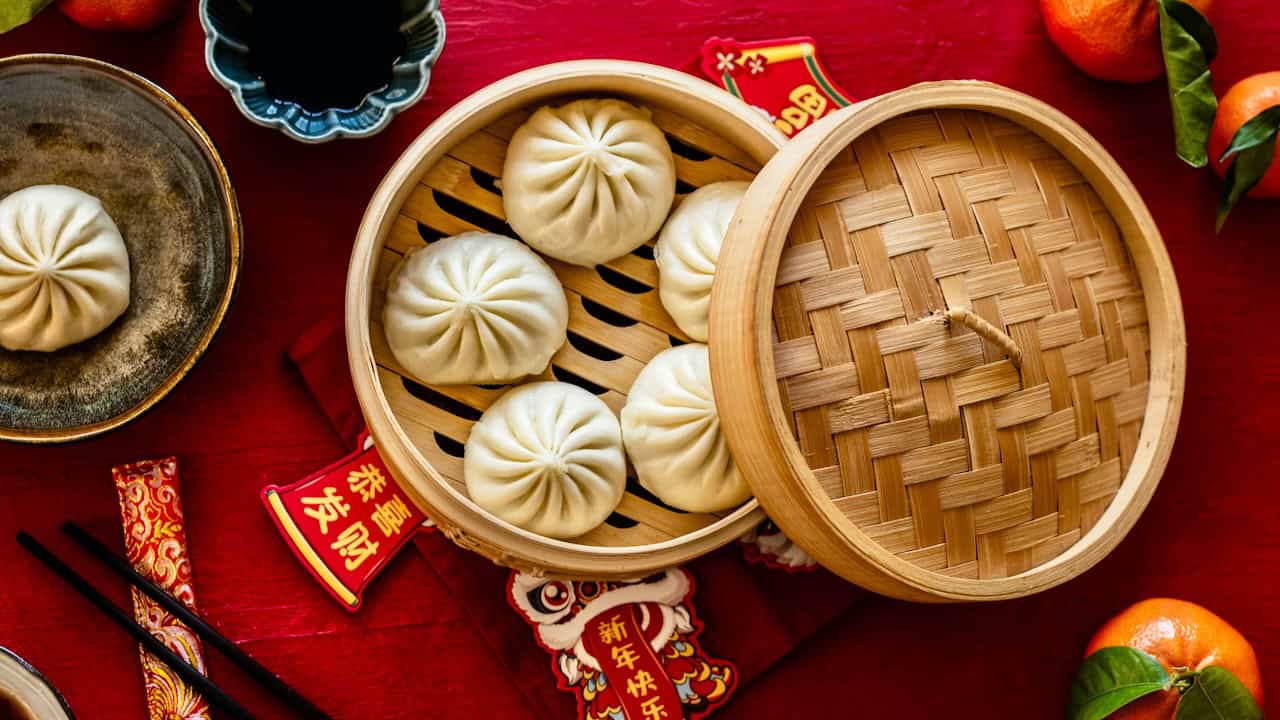
Cook a beautiful Chinese dinner, set it on a serve-yourself, individually-plated table, and the food can still fall flat with the very guests you wanted to honor.
The reason sits in the middle of the table. A Chinese meal is built around shared center dishes, often on a lazy Susan, where guests serve one another, pour tea for elders first, and read one another’s chopsticks. Plate it as individually plated courses and the customs your guests grew up with quietly go missing.
The good news for a host is how few moves it takes to get the table right. Seating, serving order, the tea pour, and a handful of chopstick rules carry almost all of the respect.
What follows is a host’s working guide to Chinese dining etiquette: where the seat of honor goes, how to serve from communal dishes, the chopstick and tea customs guests notice, and a quick-start you can set up before anyone arrives.
At a Glance
- Chinese dining etiquette runs on shared center dishes, so a host serves others first and sets a communal table rather than plated individual courses.
- The seat of honor faces the door and goes to the eldest or most senior guest, with the host seated nearest the service and the door.
- Tea is poured for others before yourself, elders first, and a light two-finger tap on the table is the silent thank-you.
- Chopstick rules guests notice: never stand them upright in rice, never point or spear with them, and rest them on the holder between bites.
- A short host quick-start covers seating, serving spoons, the lazy Susan, the tea pot, and the small plate for bones and seeds.
What Is Chinese Dining Etiquette?
Chinese dining etiquette is the set of shared table customs that govern how a Chinese meal is seated, served, and eaten, built around communal dishes at the center rather than individually plated courses. For a host it matters most in the serving: guests offer food to one another before taking their own, the eldest or most senior guest is seated and served first, tea is poured for others before yourself, and chopsticks carry their own small rules that diners read at a glance. Rather than a strict performance, it is a set of host moves, where you seat, how you serve, and how you pour, that tell guests raised with this cuisine that you set the table with them in mind.
Hosting a Chinese Dinner: What Changes at Your Table
The single biggest shift is that the food no longer belongs to one plate. In Chinese dining etiquette, the dishes sit at the center and everyone eats from them, which reorders almost everything a plated-dinner habit does by reflex.
You are not plating individual portions in the kitchen and carrying them out. You are setting several dishes in the middle, giving each guest a small bowl and plate, and letting the table share.
- Put the dishes at the center of the table, not pre-portioned on each plate, so guests take from the shared spread.
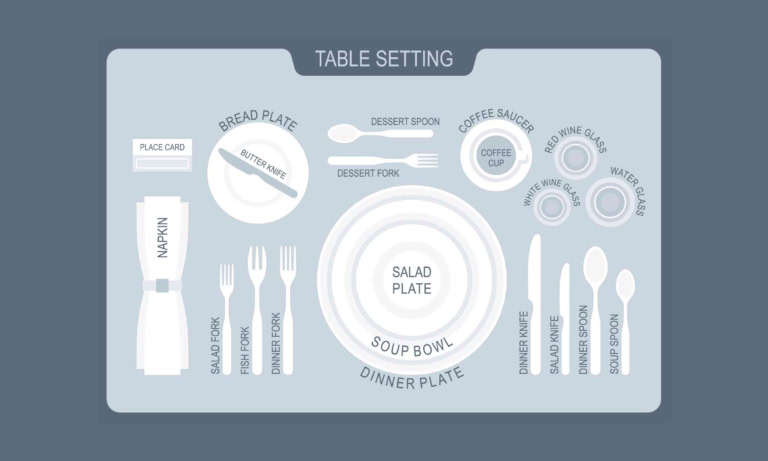
- Give every place a rice bowl, a small plate, a teacup, chopsticks on a rest, and a soup spoon.
- Set a communal spoon or ladle with each dish so guests are not serving with the ends of their own chopsticks.
A clear overview of Chinese table manners and what changes at the table is a good orientation if this is your first time hosting the cuisine. The mechanics of a polite table sit on top of the universal cues in our guide to table manners every host should set, which still apply underneath the cultural layer. Once the table is communal, the first decision is who sits where.
Seating and the Seat of Honor
Seating is the first thing a Chinese table communicates, and it is the easiest move for a host to get right in advance. The seat of honor faces the door, and it goes to the eldest or most senior guest at the meal.
As the host, you take the seat nearest the door and the service, so you are closest to greeting, pouring, and the kitchen. The honored guest sits opposite, facing out into the room.
- Seat of honor: the chair facing the door, given to the eldest or most senior guest, or the guest the dinner is for.
- Host’s seat: nearest the door and the kitchen, so you can serve, pour, and manage the meal without crossing the room.
- Close guests near the honored seat: place senior or important guests beside the seat of honor, descending in seniority toward the host.
A useful explainer on the seat of honor and Chinese table manners lays out the placement around a round table. If you want the underlying logic of who sits where at any dinner, our guide to place-setting rules for hosts covers the universal version that this seating sits on top of. With guests placed, the next move is how the food travels to them.
|
Seat Every Guest With Confidence |
Serving From Shared Dishes (the Lazy Susan and Communal Plates)
Serving is where a host shows the most care at a Chinese table. The rule under all of it is simple: you offer food to others before taking your own, starting with the eldest and most honored guests.
If you are using a lazy Susan, turn it gently and in one direction so each dish reaches every guest in turn. Never spin it while someone is mid-serve, and never reach across a guest for a far dish when a small turn will bring it to you.
- Serve a little to the honored guest and elders before filling your own bowl, a core courtesy at the table.
- Take from communal dishes with the shared spoon, not your own chopsticks, which keeps the spread clean for everyone.
- Rotate the lazy Susan slowly toward the next guest rather than stretching across the table for a far dish.
A practical walk-through of how a Chinese meal is served and shared covers the communal flow in more detail, and the basics of Chinese table etiquette is a clean reference for the serving order. For the drinks that sit alongside the meal, our host’s guide to drinks by country covers what to pour with a Chinese dinner. The tools doing the eating carry their own rules, and guests watch them closely.
Chopstick Rules Guests Notice
Chopstick etiquette is the part of Chinese dining etiquette guests register fastest, because a few gestures carry real meaning. Much of it is about what not to do, and the rules are easy to set as a host by simply modeling them.
The one to remember above all: never stand chopsticks upright in a bowl of rice. Vertical chopsticks recall a customary offering to the departed, so they read as a serious misstep at the table.
- Never upright in rice: rest chopsticks flat on the holder or across the bowl, never stuck vertically into the rice.
- No pointing or spearing: do not point chopsticks at people or stab food with them; gesture with an open hand instead.
- No tapping or drumming: tapping the bowl or table with chopsticks reads as impatient or rude, so keep them still between bites.
A thorough reference on chopstick etiquette rules and their meanings is worth reading once so you can model the cues without thinking. A simple host move is to set chopstick rests at each place, which gives guests an obvious spot to park them and quietly answers the question of where they go. Drinks bring their own set of customs, and tea is at the center of them.
|
Hosting Tip: Pour Tea for Yourself Last |
Tea and Toasting Customs
Tea is poured for others, not for yourself, and the order matters. Start with the eldest or most senior guest, work around the table, and fill your own cup last, if at all.
When someone pours for you, the customary thank-you is silent: tap two fingers gently on the table beside your cup. It is a small gesture that tells a guest raised with Chinese tea etiquette that you know the table.
- Fill guests’ cups before your own, beginning with the eldest, and keep an eye out to refill before cups run empty.
- When tea is poured for you, tap two fingers lightly on the table as a quiet thank-you.
- For a toast, raise your glass with both hands and lower its rim below an elder’s as a sign of respect.
The custom behind the tea-table finger tap and what it means explains why the gesture carries the weight it does. A round of dim sum cocktail bites for a Chinese spread gives guests something to nibble while the tea and toasts move around the table. Once the drinks are flowing, the question is when everyone starts eating.
The Order of the Meal and When to Start
At a Chinese table, the meal begins on the host’s cue, not the moment food lands. As the host, invite the table to start, and gesture for the eldest or honored guest to take the first bite.
Dishes often arrive in waves rather than as fixed courses, so the pacing is yours to manage. Keep the shared plates moving, refill tea, and let the meal breathe between the bigger dishes.
- Wait for the host’s cue: no one starts until the host invites the table to eat and the honored guest takes the first bite.
- Honored guest first: offer the first serving of a new dish to the eldest or most senior guest before the rest of the table digs in.
- Pace the waves: as a host, bring out dishes in turn rather than all at once, so the table stays unhurried and the food stays warm.
A traveler-facing but detailed look at how to eat at a Chinese table and pace the meal covers the rhythm dish by dish, and a host-oriented overview of Chinese dining etiquette as a whole is useful for seeing how the order ties the customs together. Knowing when to begin sets up the flip side every host wants to avoid: the moves that read as rude, and what to do instead.
|
Share the Table Service Jobs |
What Reads as Rude (and What to Do Instead)
Missteps at a Chinese table tend to be small habits carried in from an individually-plated dinner, and each has an easy fix. Run through these once before guests arrive and you will sidestep the ones diners notice most.
The theme under all of them is the same: serve others, keep the table communal, and read the cues your guests grew up with.
- Tapping the bowl with chopsticks: Fix: keep chopsticks on the rest between bites; tapping bowls and tables reads as impatient.
- Taking the last piece without offering: Fix: offer the final piece of a dish around the table before anyone takes it.
- Scraping a plate completely clean: Fix: as a host, keep offering more, since leaving a little can signal you provided plenty.
- Dropping bones or seeds into the rice bowl: Fix: set a small plate at each place for inedibles and follow how guests handle them.
Concise references like Chinese dining etiquette and table manners and the basics of Chinese table etiquette are good to skim once for the do-and-don’t list. The same instinct shows up in other cuisines too: our guides to Japanese table etiquette and French dining etiquette each handle their own version of these cues without repeating them here. With the missteps mapped, the last step is turning all of it into a short setup you can run before the doorbell.
A Host’s Quick-Start Checklist
Almost everything above can be staged before a single guest arrives. Set the table for the cuisine, and the customs mostly take care of themselves once people sit down.
Here is the short version, the five moves that carry the most respect for the least effort.
- Seat for honor: place the chair facing the door for your eldest or most senior guest, with your own seat nearest the service.
- Set communal tools: give each place a rice bowl, small plate, teacup, soup spoon, and chopsticks on a rest, with serving spoons on every dish.
- Stage the tea: keep a full teapot on your side, ready to pour for others first and refill cups before they empty.
- Add a small plate for inedibles: give guests an obvious spot for bones and seeds so nothing lands in the rice bowl.
- Open with the cue: invite the table to begin, gesture for the honored guest to take the first bite, then keep the dishes and the tea moving.
Set those five before the doorbell and the rest is just warmth: offer first, pour for others, keep the table communal. Do that, and a guest raised with this cuisine feels the welcome the moment they sit down, long before they taste the food.
Frequently Asked Questions
What is the proper dining etiquette in China?
Proper Chinese dining etiquette centers on communal, shared dishes eaten from the center of the table. Guests serve others before themselves, honor the seat of the eldest or most senior guest, pour tea for others first, and avoid resting chopsticks upright in a bowl of rice.
What is not acceptable at a Chinese dining table?
Tapping your bowl or the table with chopsticks, sticking chopsticks upright in rice, and pointing them at people all read as rude. Do not drop bones or seeds into your rice bowl; use the small plate provided, and follow how other guests handle inedibles.
Why shouldn’t you point at people in China?
Pointing at someone, whether with a finger or with chopsticks, singles them out and reads as an accusation or a rude gesture at a Chinese table. Guests raised with the custom notice it immediately, so gesture toward a dish or a person with an open hand instead, which carries the same meaning without the sting.
How does tea etiquette work at a Chinese dinner?
Pour tea for others before filling your own cup, starting with the eldest or most senior guest. When someone pours for you, tap two fingers gently on the table as a silent thank-you. Keep an eye on guests’ cups and refill them before they run empty.
Should I serve guests from the shared dishes?
Yes. Offering food to others, especially elders and honored guests, before serving yourself is a core courtesy. Use the communal serving spoons or the reverse ends of your chopsticks, and turn the lazy Susan gently so each dish reaches every guest in turn.
Is it rude to finish all the food on my plate?
In many Chinese traditions, leaving a small amount signals the host provided more than enough, while a completely clean plate can imply you are still hungry. As a host, keep offering more, and reassure guests that taking the last piece is fine.
Continue Reading:
More On Dining Etiquette
- Dining Etiquette Around the World: A Host’s Guide
- Korean Dining Etiquette: A Complete Host’s Guide
- Indian Dining Etiquette: A Complete Host’s Guide
- Mexican Dining Etiquette: The Host’s Table Guide
- Italian Dining Etiquette: The Host’s Table Guide
More from The Gourmet Host
- Brunch Setup Ideas: Creative Table Setting Decor for Home
- How to Throw a Surprise Birthday Party That Actually Works
- 5 Types of Potatoes and Which to Pick for Each Dish
- 3 Easy Ambience Tips For The Perfect Dinner Party Mood
- Holiday Icebreaker Questions for Festive Gatherings
Explore TGH Categories
- Set the Scene
- Drinks and Bar
- Plan the Meal
- Engage with Guests
- Games and Toasts
- Tools and Techniques
- Why We Gather