Mexican Dining Etiquette: The Host’s Table Guide
 13 min read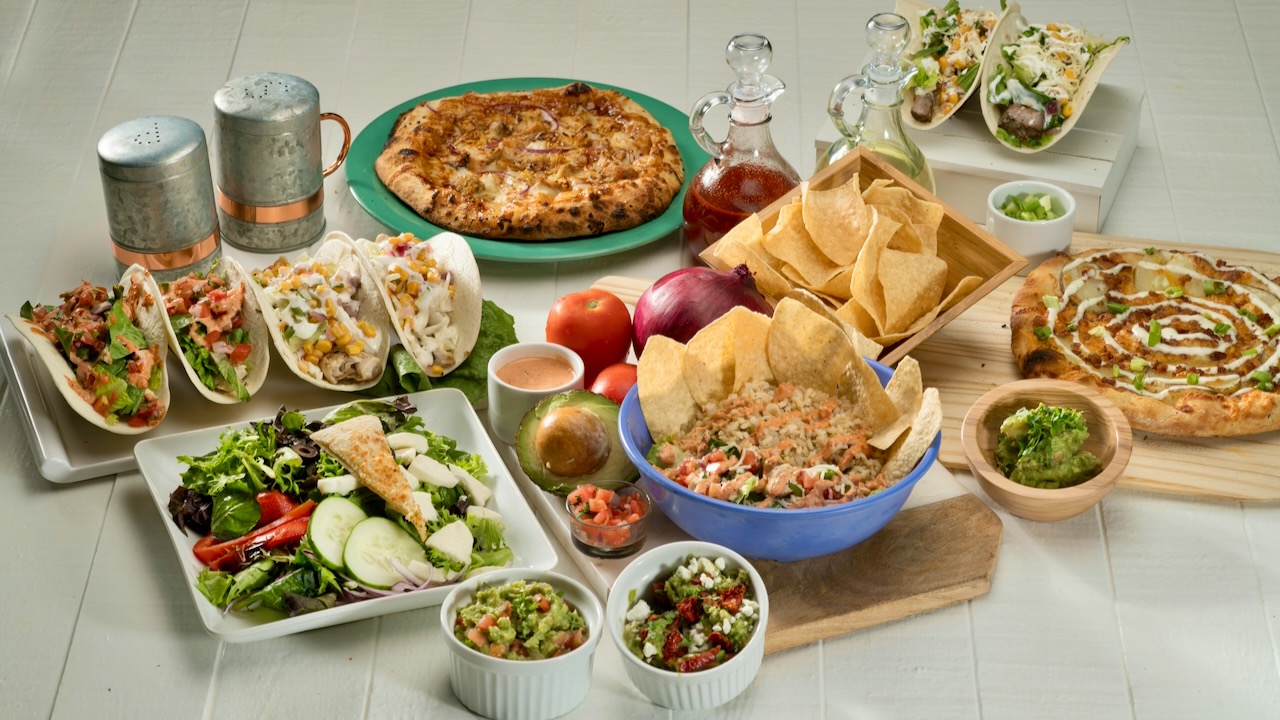
Three small customs do most of the work of hosting a Mexican table well, and the rest you can let go.
A warm stack of tortillas sits at the center, and around it the meal runs on warmth, sharing, and lingering rather than on a fixed set of rules. Mexican dining etiquette is less a rulebook than a tone: you greet the table, you offer before you take, and no one is in a hurry to leave. Cook a beautiful pot of mole and rush everyone out the door, and you can quietly miss the very guests you cooked to welcome.
What follows is a short host checklist for the customs that change your table: buen provecho and how you open the meal, the tortilla used like a utensil, the way dishes and salsas are shared, drinks and the toast, and the sobremesa that keeps everyone seated long after dessert. Get those right and the table feels genuinely Mexican.
At a Glance
- Mexican dining etiquette runs on warmth, sharing, and lingering, so the host’s job is to set an unhurried, generous tone.
- Buen provecho opens the meal: a host wishes guests a good meal before anyone eats, and guests say it to one another.
- The tortilla does the work of a utensil, used to scoop and wrap, with forks reserved for saucier plates like enchiladas.
- Dishes and salsas are communal, so you offer to others first and pass politely rather than reaching across the table.
- The sobremesa is the relaxed time after the meal, and a good host plans for guests to stay seated, talking long after plates are cleared.
- Toasts go with a quick salud, and aguas frescas alongside other drinks keep the table easy for everyone.
What Is Mexican Dining Etiquette?
Mexican dining etiquette is the set of table customs that shape how a Mexican meal is opened, shared, and ended, built around warmth, communal dishes, and an unhurried pace. For a host, dining etiquette in Mexico matters most in the small moments: wishing the table buen provecho before anyone eats, letting the tortilla do the work of a utensil, offering shared dishes around before serving yourself, and leaving room for the sobremesa, the long conversation after the food. Rather than a strict rulebook, Mexico dining etiquette is a tone of generous hospitality, so matching your own table to it makes guests who grew up with the cuisine feel genuinely at home.
Hosting a Mexican Dinner: What Changes at Your Table
When you cook a Mexican meal, you take on more than the recipes. The table itself runs differently: it leans communal, it moves slowly, and it treats hospitality as the main event rather than the food alone. Your job as host shifts from plating perfect courses to keeping the table warm, generous, and in no rush to end.
What changes is mostly about pace and sharing. Mexican table manners lean communal: dishes land in the center to be passed, the tortilla replaces a fork for much of the meal, and the evening is built to stretch long past the last bite. A guide to social etiquette and local customs in Mexico from Mexperience’s overview of Mexican customs is a useful grounding in how warmth and courtesy frame the whole meal.
- Serving style: dishes are communal and passed around the table, so plan platters and bowls for the center rather than individually plated courses.
- Utensils: tortillas do much of the scooping and wrapping, so set out plenty and reserve forks for the saucier plates.
- Pace: the meal is unhurried and ends in conversation, so build your timing around lingering, not turning the table over.
If you want the universal courtesies that sit underneath every cuisine, the broader picture of how to run any table well is covered in TGH’s guide to table manners for hosts and the cues that set the tone. With the shape of the table set, the first custom your guests will notice is how you open the meal.
|
Build A Communal Mexican Spread Fast |
Buen Provecho and Greeting the Table
Buen provecho is the small phrase that opens a Mexican meal. It means enjoy your meal, and it is said to others at the table before anyone starts, and even to strangers as you pass them eating. As a host, you offer it to your guests to signal that the meal has begun and that everyone should dig in together.
Greeting matters as much as the phrase. Guests are welcomed warmly on arrival, often with a handshake or a kiss on the cheek, and the table waits for the host’s cue before eating. The Spruce Eats covers what buen provecho means and when to say it, which is worth a quick read before your first Mexican dinner.
- Offer buen provecho to the whole table before the first bite, and welcome guests to say it to one another.
- Greet arrivals warmly and personally, since the social welcome sets the tone for the whole evening.
- Wait until everyone is served and the host gives the cue before anyone starts eating in earnest.
That opening warmth carries right into how the food is eaten, starting with the one utensil already on the table.
Tortillas as the Original Utensil
At a Mexican table, the tortilla is the original utensil. Torn into pieces or folded, it scoops beans and rice, wraps grilled meat, and pushes the last of a sauce onto a bite, doing the work a fork does elsewhere. Tacos, tlacoyos, and most antojitos are meant to be eaten by hand, so providing plenty of warm tortillas and plenty of napkins is the real setup job.
Forks still have a place. Saucier plates such as enchiladas, chilaquiles, or a brothy pozole genuinely call for a spoon or fork, so put utensils out for those without making them the default for everything. Eating tacos and antojitos by hand is the norm, and Tasting Table’s notes on how to eat tacos with less mess and OC Weekly on the tortilla used instead of a fork both back up the hand-first approach.
- Tortillas: set out a warm covered basket so guests can reach for them throughout the meal and use them to scoop.
- Napkins: provide them generously, since hand-eating is expected and a little mess is part of a relaxed table.
- Forks: reserve them for the saucy dishes, and tell guests which plates genuinely need a utensil.
Hand-first eating is its own custom, distinct from the chopstick or fork-and-knife tables in TGH’s Japanese table etiquette quickstart for hosts. Once everyone is comfortable eating by hand, the next courtesy is how the shared dishes move around the table.
|
Hosting Tip: Keep Warm Tortillas Coming to the Table |
Sharing, Salsas, and Serving Order
Mexican meals are communal. Platters, bowls of beans and rice, and an array of salsas sit in the center for everyone, so the serving order is simple: offer to others before serving yourself, especially elders and guests of honor. Dishes are passed around the table, and in many homes plates are passed to the left rather than reached for across the spread.
Salsas deserve their own thought. Offer a range from mild to genuinely hot, label or describe the fierce ones, and give each its own spoon so guests can build their own heat level. Food Republic explains why you pass plates to the left in Mexico, a small habit that keeps a shared table flowing smoothly.
- Offer first: serve or offer dishes to others, especially elders and honored guests, before you fill your own plate.
- Pass, don’t reach: send communal dishes around the table, often to the left, rather than stretching across the spread.
- Build a salsa range: set out mild to hot salsas with separate spoons, and flag the hottest so no one is caught off guard.
Communal serving is a custom many cuisines share, and TGH’s primer on dining table etiquette and place-setting rules for hosts covers the seating and place-setting basics that sit underneath it. Once the food is shared and the plates are cleared, the most distinctive Mexican custom of all takes over.
The Sobremesa: Why No One Leaves After Dessert
Sobremesa is the relaxed stretch of time spent at the table after the meal, lingering over coffee, drinks, and conversation. It is not an afterthought; for many Mexican families it is the point of gathering at all. As a host, the single biggest thing you can do is plan for it rather than treat the cleared plates as a signal to wind down.
Planning for sobremesa is mostly about not rushing. Clear plates gently without hovering, keep coffee, a digestif, or small sweets within reach, and let the conversation carry the room. Laelia Tequila’s piece on the sobremesa and lingering at the table captures why the after-meal hour matters as much as the food.
- Clear plates without rushing, and never start tidying in a way that signals the night is over.
- Keep coffee, a small digestif, or light sweets available so the table has a reason to stay seated.
- Let conversation lead, and resist filling every pause; the slow rhythm is the hospitality.
A long, easy table after dinner is a hosting instinct that travels, and you can see the same lingering valued in TGH’s look at French dining etiquette for a host’s continental table. Drinks are what keep the sobremesa going, so they deserve a plan of their own.
|
Claim Who Brings The Sobremesa Sweets |
Drinks at the Mexican Table
Drinks at a Mexican table are generous but easy. Aguas frescas, soft fruit waters such as horchata, jamaica, or tamarindo, sit alongside beer, wine, or tequila and mezcal, so there is always something for everyone.
The host keeps glasses topped up and offers options without pressure, since going easy on drinking is itself part of the etiquette.
Toasting is warm and informal. A quick salud as glasses are raised is the common toast, made when the host or a guest lifts a glass early in the meal. The Daily Meal walks through how to say cheers in Mexico, and TravelAwaits offers broader notes on dining like a local in Mexico for hosts who want the small social cues.
- Offer aguas frescas alongside alcohol so every guest, drinking or not, has a fitting glass in hand.
- Raise a simple salud early in the meal, and keep toasts warm and brief rather than formal.
- Top up glasses and offer refills generously, while keeping the overall pace relaxed.
For a full set of pours that suit the table, TGH’s Mexican drinks menu of four pours that run the night gives a ready plan. With the table warm and the glasses full, a few clear missteps are the only things left to avoid.
What Reads as Rude (and What to Do Instead)
A handful of habits read as cold at a Mexican table, and each has an easy fix. Leaving the moment the plates are cleared can feel abrupt because the sobremesa is part of the meal; settling in for conversation reads as warmth. Ignoring buen provecho or skipping the greeting can feel curt, while offering both signals that you see your guests.
Hospitality also runs two ways. Refusing food or drink flatly can read as a rejection of the host’s welcome, so a gentle decline, or a small yes, keeps the warmth intact. Together Women Rise’s look at the customs and cuisine of Mexico and Hispanic Executive on Latino dining etiquette and shared-table customs both underline how central that generosity is.
- Don’t rush off after eating: stay for the sobremesa, and as a host, encourage guests to settle in with coffee and conversation.
- Don’t skip the warmth: open with a greeting and buen provecho rather than going straight to the food.
- Don’t refuse flatly: decline gently or accept a little, since hospitality is offered as care, not pressure.
Hosting a Mexican dinner well comes down to tone more than rules: warm tortillas at the center, dishes shared around, a generous toast, and a table no one is rushed to leave. Cook what you love, open with buen provecho, and let the sobremesa carry the night, and your guests will feel genuinely welcomed at the table you set.
Frequently Asked Questions
What is considered impolite at a Mexican dinner table?
Rushing through the meal or leaving right after the last bite reads as impolite at a Mexican table, since the meal is meant to unfold slowly and end in conversation. Keep both hands above the table, avoid pushing drinks on guests, and let the pace stay relaxed. As a host, set a warm, unhurried tone so the sobremesa can happen.
What is a common mistake people make with Mexican food?
Sticking only to the familiar, like tacos and enchiladas, means missing the range of Mexican cooking. As a host, serve beyond the expected: offer regional dishes such as birria, pozole, or mole alongside the crowd-pleasers so guests taste the full breadth of the cuisine.
What does buen provecho mean and when do you say it?
Buen provecho means enjoy your meal, said to others at the table before eating and even to strangers as you pass them dining. As a host, offer it to your guests before the meal begins, and welcome them to say it to one another.
Is it okay to eat tacos and tortillas with your hands?
Yes. Tacos, tortillas, and many antojitos are meant to be eaten by hand, with the tortilla itself used to scoop and wrap the fillings. Provide plenty of napkins, and reserve forks for the saucier plates like enchiladas, where a utensil genuinely helps the guest.
What is sobremesa?
Sobremesa is the relaxed time spent at the table after the meal, lingering over coffee, drinks, and conversation. As a host, plan for it: clear plates without rushing, keep drinks and small bites available, and let guests stay seated and talking long after dessert.
Is it rude to leave right after eating in Mexico?
Leaving immediately after the meal can feel abrupt because the sobremesa is part of the experience. As a host, expect and encourage guests to linger, and as a guest, plan to stay for conversation rather than excusing yourself the moment plates are cleared.
Continue Reading:
More On Dining Etiquette
- Dining Etiquette Around the World: A Host’s Guide
- Italian Dining Etiquette: The Host’s Table Guide
- Indian Dining Etiquette: A Complete Host’s Guide
- Korean Dining Etiquette: A Complete Host’s Guide
- Chinese Dining Etiquette: The Host’s Table Guide
More from The Gourmet Host
- Funny Conversation Starters That Break the Ice Fast
- Easy Oven Dinners: Hands-Off Meals for Busy Weeknights
- Funny Jokes for Toasts That Get Every Guest Laughing
- Quick Easy Desserts: Effortless Sweets for Any Gathering
- Italian Drinks: Aperol, Spritz, and Crodino (Host)
Explore TGH Categories
- Set the Scene
- Drinks and Bar
- Plan the Meal
- Engage with Guests
- Games and Toasts
- Tools and Techniques
- Why We Gather