What to Bring to a Dinner Party: A Thoughtful Guest’s Guide
 17 min read
When you are invited to a dinner party, bring a small gift that thanks the host without adding work: a bottle of wine they can set aside, a box of good chocolates, or flowers already in a vase. Skip anything that needs cooking, plating, or chilling on arrival. The goal is to give, not to create a chore.
You’ve said yes to a dinner invitation, picked out something to wear, and confirmed the time. Then comes the question that trips up even the most seasoned guest: what should I actually bring?
A thoughtful gift sets the tone for the whole evening. It tells your host that you value the effort they’ve poured into the gathering—the planning, the cooking, the little details that turn an ordinary meal into something worth savouring together. In our experience hosting hundreds of dinner parties, we’ve seen how the right gesture from a guest can turn a great night into an unforgettable one.
Whether it’s your first dinner party invitation or your fiftieth, these ideas go well beyond the expected bottle of wine—and will make you the guest everyone wants to invite back.
📋 At a Glance
- A bottle of wine is the classic choice, but picking a thoughtful label shows extra care.
- Edible gifts like artisan olive oil, a charcuterie board, or a nice box of chocolates make crowd-pleasing alternatives.
- Fresh flowers are a timeless hostess gift—bring them in a simple arrangement so the host doesn’t need to scramble for a vase.
- Non-consumable gifts such as linen napkins or kitchen accessories work beautifully for hosts you know well.
- Always consider dietary restrictions and the host’s personal preferences before choosing your gift.
What Are Dinner Party Guest Gifts?
A dinner party guest gift—sometimes called a hostess gift or host gift—is a small, thoughtful gesture you bring to show appreciation for being invited to someone’s home. These gifts range from a customary bottle of wine to more creative options like a premium olive oil or a beautifully arranged bouquet of flowers. The best gifts complement the evening without creating extra work for the host.
The Classic Bottle of Wine (And How to Choose the Right One)
A bottle of wine remains the most popular thing to bring to a dinner party, and for good reason. It’s versatile, universally appreciated, and signals that you’re ready to share in the experience. But picking the right bottle can elevate a customary gift into a genuinely memorable one.
Rather than grabbing whatever’s on sale, consider what the host might be serving. If you’re unsure, a medium-bodied red or a crisp sparkling wine works as a crowd pleaser for nearly any menu. Wine Folly’s pairing guides offer a helpful starting point for matching a bottle to a meal’s likely flavours.
- Ask about the menu: A quick text to the host—“Anything I can bring?”—gives you a clue about what wine might complement the dinner table.
- Choose a local winery: A bottle from a regional producer feels personal and gives the evening a sense of place.
- Add a note: A small card explaining why you chose the wine—“This pairs beautifully with roast chicken”—turns a simple gift into a thoughtful gesture.
- Skip strong-odour wines: Heavily oaked or high-tannin bottles may clash with delicate dishes the host has prepared.
According to etiquette experts interviewed by Martha Stewart, the best guest always considers the host’s taste rather than their own. It’s a small distinction, but it goes a long way.
Edible Gifts That Go Beyond the Expected
If you want to arrive with something besides wine—or if you know the host doesn’t drink—edible gifts are among the best ways to contribute without overstepping. The key is bringing something the host can enjoy after the party or share with the group without disrupting the planned menu.
A nice box of chocolates from a local chocolatier, a premium olive oil, or even a jar of cayenne pepper-infused hot sauce can feel personal and surprising. Elle Gourmet recommends choosing gifts that reflect quality over quantity—simple ingredients with exceptional flavour.
- Charcuterie board: Assemble a small selection of cured meats, cheeses, and crackers that can be set out as a pre-dinner appetiser or saved for later.
- Homemade baked goods: A loaf of sourdough or a batch of cookies shows effort and warmth—just be mindful of dietary restrictions.
- Ice cream or gelato: A pint of artisan ice cream pairs well with nearly any dessert course and feels like a special indulgence.
- Specialty coffee or tea: For hosts who love their morning ritual, a bag of single-origin coffee or a curated tea sampler is a great gift that extends the evening’s warmth into the next morning.
|
Claim What You Bring Early |
Fresh Flowers and Non-Consumable Gifts
A bouquet of flowers is one of the most timeless things to bring to a dinner party. Beautiful flowers brighten the dinner table and signal genuine appreciation.
But there’s a practical consideration many guests overlook: if you bring a loose bouquet, the host has to pause mid-preparation to find a vase, trim stems, and arrange everything—the last thing they need during the final rush.
The easy way around this?
Bring a simple, pre-arranged flower arrangement in its own container, or opt for a potted plant that lasts well beyond the evening. Flower Works Shop suggests choosing blooms without a strong odour so they don’t compete with the aromas of the meal.
- Fresh herbs in a pot: A small basil or rosemary plant is both decorative and useful for home cooks who love having fresh herbs on hand.
- Quality candles: Soy or beeswax candles with subtle scents add to the atmosphere of any next gathering.
- Linen napkins: A set of cloth napkins in bright colours or pops of modern colours makes a stylish, reusable addition to the host’s collection.
- A beautiful cookbook: Choose one that matches the host’s cooking style—it’s a personal favourite of ours because it keeps giving inspiration long after the party ends.
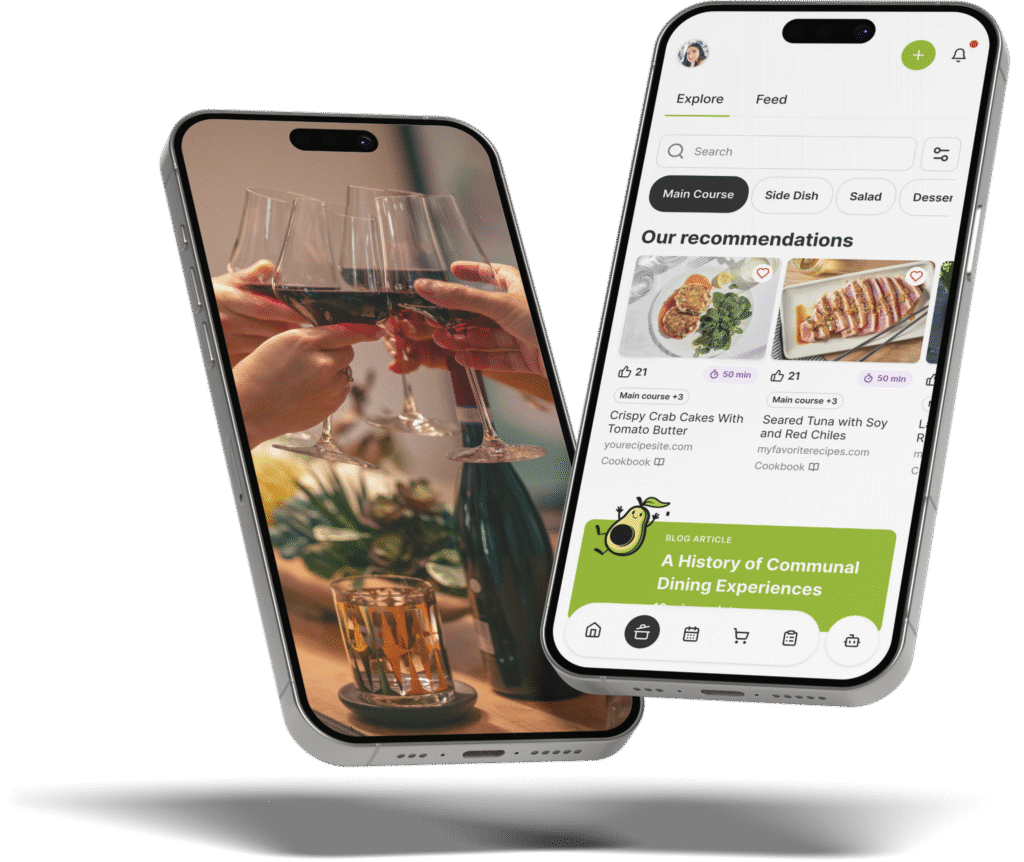
Planning what to bring is easier when you know what the host already has covered. With The Gourmet Host app, guests can see the menu, coordinate contributions, and check dietary restrictions before the big night—so your gift always complements rather than duplicates.
What to Avoid Bringing (And Why It Matters)
Being a thoughtful guest means knowing what not to bring just as much as knowing what to bring. A few well-intentioned gifts can accidentally create extra work or awkwardness for the host, and that’s the opposite of what you’re going for.
Emily Post’s etiquette guidelines suggest avoiding anything that requires the host to stop what they’re doing to accommodate your gift. The goal is to enhance the evening, not add to the host’s to-do list.
What to Bring When You’re Invited for Dinner (Not a Formal Party)
An invitation to dinner isn’t always an invitation to a dinner party. Sometimes a friend texts on Thursday and asks if you can come over Saturday. Sometimes a family meal turns into something you’ve been quietly looking forward to all week. The gift you bring should match the register of the invitation, and the most thoughtful guests adjust accordingly.
When the invitation is casual, the gift should feel that way too. A bottle from a wine shop you know the host likes, a jar of the olive oil they always reach for, a small bouquet that doesn’t need a vase. The point is recognition rather than ceremony. A polished hostess gift can feel out of place at a Tuesday-night supper, and a careful guest will sense that mismatch before the host does.
If you are wondering what to bring to someone’s house for dinner, start with the relationship rather than the menu. A first invitation calls for a small host gift; a standing Tuesday supper with a close friend can be more relaxed. Emily Post’s guidance makes the same distinction: first visits usually merit a gift, while close friends who host each other often may skip the ritual.
- First time in their home: Choose something easy to receive, such as boxed chocolates, a potted herb, or wine clearly meant for later. You are acknowledging the invitation, not adding another decision to the menu.
- At a close friend’s house: Bring the coffee they usually buy, a jar from the market you both visit, or breakfast for the next morning. A familiar gift says you have been paying attention without making a weeknight dinner feel ceremonial.
- When the host asks you to contribute: Treat the request as part of the meal and bring the exact dish discussed, ready to serve. A host gift is separate, so do not expect your contribution to become a surprise course.
One sentence prevents confusion when you arrive: “This is for you to enjoy later.” It tells the host that the bottle or chocolates do not need to appear at dinner. The gesture stays thoughtful because it gives them a choice. A good guest brings that ease to the door.
- A bottle the host actually drinks: not the impressive label, but the one you’ve seen on their counter or in their order history.
- A homemade or hand-picked accompaniment: a small jar of something you made (chili oil, granola, jam) reads as effort without crowding the menu.
- A pantry upgrade: a premium finishing salt, a tin of imported anchovies, a high-quality vinegar. These are the small, thoughtful details that show you pay attention to how they cook.
- Breakfast for the next morning: a small bag of pastries or a box of artisan tea. The most appreciated gifts arrive the night of and reappear the next morning.
In our experience, the gift that lands hardest is the one that quietly references the host’s taste. A guest who arrives with a bottle of orange wine for a host who has been talking about orange wine all month sends a stronger signal than a guest who arrives with the most expensive bottle in the shop. The first guest was listening. The second guest was shopping.
Bring a small note when the invitation has been particularly warm. A single line on a card outlasts the bottle and reaches the host on a different timeline. For the framing of how to behave once you arrive, our guide on the etiquette for attending a home dinner party covers the rest of the evening.
What to Bring to a Dinner Party Besides Wine
Wine is the default, and the default is usually fine. But there are three good reasons to skip it: the host doesn’t drink, you don’t drink, or you want the gift to be noticed for itself rather than slotted into the line of bottles already on the counter. The right alternative depends on which of the three is true.
The best non-wine gifts share three traits with a good bottle. They are easy to receive (no vase, no fridge crisis), they are easy to enjoy later, and they reflect a small amount of thought about the host. A jar of saffron honey from a local apiary clears all three bars. A cellophane-wrapped fruit basket clears none of them.
- Premium olive oil or aged vinegar: a small bottle from a single estate finishes a salad or a soup the next day, and it stores quietly in a cupboard.
- Specialty coffee or loose-leaf tea: a bag of single-origin coffee or a curated tea sampler reads as a continuation of the meal, not a competitor to it.
- Artisan chocolate or a small box of pastries: a handful of high-quality pieces from a local chocolatier feels considered, and the host can serve them or keep them.
- A non-alcoholic bottle worth drinking: a craft soda, a sparkling tea, a French verjus, or a quality alcohol-free aperitif. These have become an easy way to acknowledge a host who doesn’t drink without making it the point.
- A small cookbook or a single beautiful object: a slim cookbook the host hasn’t seen, a set of linen napkins, a beeswax candle. Keepable gifts work for hosts you know well.
One small move that always lands: pair a non-wine gift with a brief note on why you chose it. A line on a tag (“this was the salt that ruined every other salt for me”) turns the gift into a recommendation rather than a generic gesture. The host reads it twice and remembers you next time they reach for the jar.
For larger groups where you’ve been asked to contribute something edible, our guide on building party food platters covers boards that travel well and look the part on arrival.
What to Bring to a Casual Get-Together or Gathering
A casual get-together carries a different gift register than a formal dinner party. The food is usually shared, the timing is looser, and the host is rarely watching the clock the way they would for a plated meal. The best gifts at a casual gathering contribute to the room rather than to a sit-down course, and the most appreciated guests bring something that moves the evening forward in some small way.
Two questions help you decide. Is the host providing all the food, or has the gathering been positioned as bring-something? And are you arriving early enough to add to the spread, or late enough that the table is already set? The answers shape the gift more than any general rule about “hostess gifts” can.
- If the host is providing everything: bring a single thoughtful item the host can enjoy later (a small bottle of bitters, a tin of premium tea, a bar of dark chocolate). Skip anything that needs serving.
- If the gathering is bring-something: ask before you assume. A quick text confirms what’s covered. Then bring something ready to set out (a board of cheese and crackers, a bowl of marinated olives, a tray of crudités with a yogurt dip).
- If you’re arriving late: shift to something that improves the second half of the night (a tub of artisan ice cream, a pint of sorbet, a box of small pastries to go with the coffee).
- If the get-together is outdoors or porch-shaped: a citronella candle, a six-pack of craft soda, a bag of sea-salt almonds. The point is something the room actually reaches for.
We’ve found that the most considerate guests at casual gatherings bring one thing that travels well and one thing that opens conversation. A board of cheese opens the room. A bag of pretzels does not. The gift doesn’t have to be expensive; it has to be the right shape for the kind of evening you’re walking into.
Once you’ve decided what to bring, the next variable is what you say across the table. Our piece on dinner party conversation questions that keep the table talking works just as well for a casual evening on the couch, so a thoughtful guest is never short of an opening.
|
🍽️ Hosting Insight: The “No Extra Dishes” Rule |
- Uninvited dishes for the main course: Unless the host has asked you to bring a specific dish, arriving with a main course can feel like you don’t trust their cooking.
- Highly perishable items without warning: Anything that needs immediate oven space or refrigeration puts pressure on a host who’s already managing a manageable menu.
- Strongly scented candles or flowers: A strong odor can overpower the carefully prepared food—keep scents subtle.
- Expensive, guilt-inducing gifts: An overly lavish present can make the host feel uncomfortable. The best things to bring are thoughtful, not extravagant.
|
Keep The Plans In One Place |
How to Be the Best Guest at Any Dinner Party
The truth is the best gift you can bring to a dinner party isn’t always something you carry in your hands. Being a great guest is about showing up with the right energy—present, appreciative, and ready to connect.
According to Real Simple’s entertaining advice, the most memorable guests are the ones who make everyone else at the table feel comfortable.
- Arrive on time: Not early (the host may still be prepping), not late (the meal may be time-sensitive). Five to ten minutes after the stated time is the sweet spot.
- Offer to help—but respect a no: A friendly reminder that you’re happy to assist with anything goes a long way. If the host declines, let it go gracefully.
- Send a thank-you: A message the next day—even a brief text—makes the host feel valued and shows you appreciated the delicious meal and the effort behind it.
- Bring conversation, not just gifts: Come prepared with a few dinner party conversation starters so you can help keep the evening flowing naturally.
At the end of the day, a combination of a simple, thoughtful gift and genuine enthusiasm for the evening makes you the guest every host dreams of inviting to their next dinner party.
And tools like The Gourmet Host app make the coordination between hosts and guests effortless—so everyone can focus on what really matters: sharing a wonderful meal together.
Frequently Asked Questions
What is the best thing to bring to a dinner party?
A bottle of wine is the safest and most appreciated gift for a dinner party, since nearly every host can use it. A box of good chocolates, a premium olive oil, or a pre-arranged bouquet works well too. The best gifts never create extra work, like chilling, plating, or finding a vase.
Should I bring food to a dinner party?
Only bring food if the host has specifically asked you to contribute a dish. Arriving with an unannounced main course or side can feel presumptuous. Edible gifts like a charcuterie board, baked goods, or ice cream that can be enjoyed later are great alternatives that respect the host’s planned menu.
What to bring to a dinner party that isn’t wine?
There are plenty of great options beyond wine: fresh flowers in a simple arrangement, artisan olive oil, quality chocolates, a potted herb plant, or a beautiful cookbook. For family gatherings or a larger group, a homemade dessert or a specialty coffee also works well as a crowd pleaser.
Is it rude to show up to a dinner party empty-handed?
While it’s not always expected, arriving with a small hostess gift is a sign of good etiquette and shows appreciation for the host’s effort. Even a simple gesture, a bouquet of colourful flowers or a bag of quality coffee, goes a long way toward making the host feel valued.
How much should I spend on a dinner party gift?
A customary gift typically falls in the $15 to $40 range. You don’t need expensive ingredients or extravagant presents. What matters most is the thought behind the gesture. A personal favourite or something you know the host enjoys will always outshine something generic, regardless of price.
Does a casual get-together still need a gift?
Bring something small, even to the most relaxed invitation. A bag of good coffee, a bar of chocolate, or flowers already in a jar all land well. The gesture matters more than the cost, and arriving with nothing at a casual gathering is noticed more often than hosts admit.
Continue Reading:
More On Hosting Etiquette
- 30 Dinner Party Conversation Starters That Actually Work
- Dinner Party Conversation Questions That Keep the Table Talking
- Dinner Party Hosting Etiquette: The Only Guide You Actually Need
- Gracious Guests: Etiquette for Attending a Home Dinner Party
- How to Host a Dinner Party Your Friends Will Love
- How to Set a Dinner Table Like a Pro (Without the Stress)
More from The Gourmet Host
- Elegant Floral Arrangements for Your Dining Table
- Best Dinner Party Games for Adults to Play Next
- Best Fun Trivia Games for Adults at Your Next Party
- Classic Aperitifs for Dinner Parties (15 Best Picks)
- Drinks for Kids: Fun and Healthy Options for Every Gathering
- Apartment Housewarming Party Ideas for Small Spaces
Explore TGH Categories
- Set the Scene
- Drinks and Bar
- Plan the Meal
- Engage with Guests
- Games and Toasts
- Tools and Techniques
- Why We Gather