Brunch Potluck Ideas: What to Bring and How to Host
 12 min read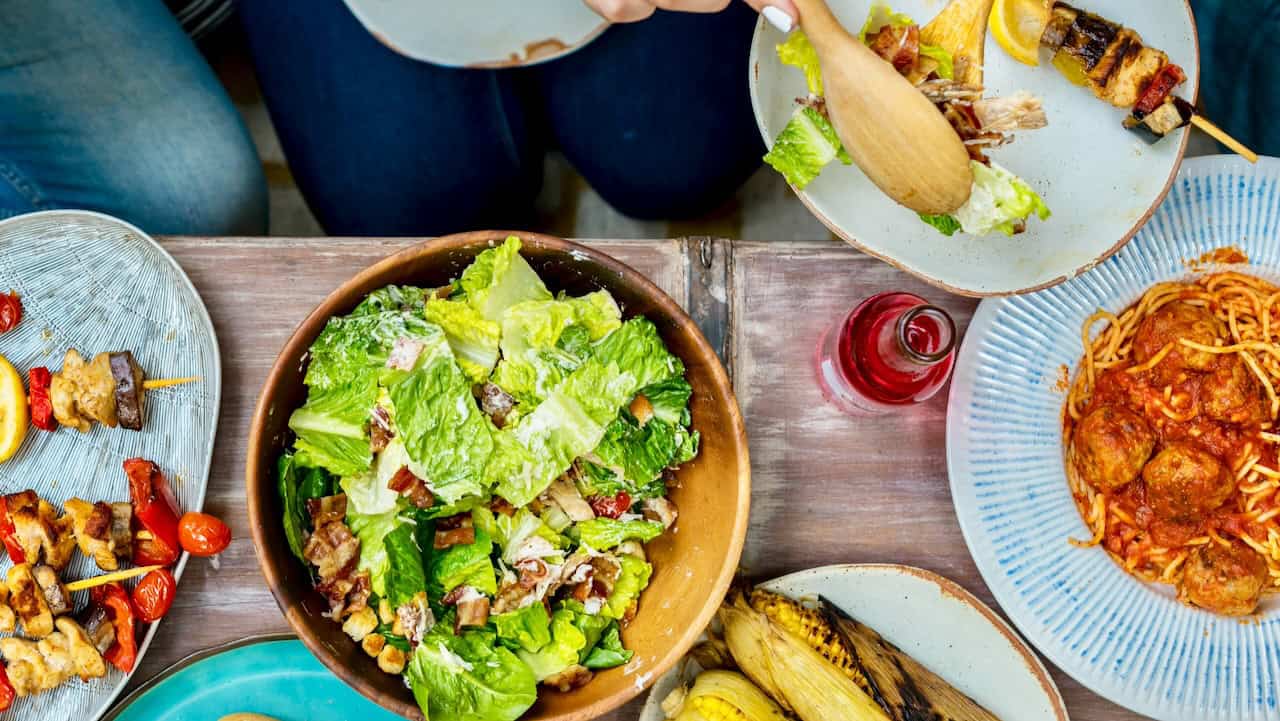
Three people bring muffins and nobody brings eggs. That is how a potluck quietly tips out of balance: it runs on whatever each guest decides to carry through the door, and without a word from the host, the easy-to-grab choices pile up while the meal underneath them goes missing.
The gap is coordination, and it is the one thing a shared brunch cannot supply on its own. Left to chance, the table fills with sweet things and good intentions, long on scones and short on anything savoury, hot, or substantial enough to call a meal.
These brunch potluck ideas close that gap by assigning the meal to five anchors before anyone shops. You hand each guest one category to cover, savoury, sweet, meat, fruit, or a drink, and the spread arrives balanced instead of lopsided. Below: the five anchors, what to bring for each, how much, and how to host the table once it all lands.
At a Glance
- A brunch potluck works when the host assigns five anchors: a make-ahead egg dish, a sweet baked good, a breakfast meat, fresh fruit, and one self-serve drink.
- Give each guest or pair one anchor to cover, with a rough amount attached, so nothing arrives in triplicate and no category goes missing.
- Ask for dishes that travel well and hold at room temperature, since nobody can plate to order in someone else’s kitchen.
- Plan one egg dish and one sweet for every eight to ten guests as your baseline, adding a second of each past a dozen.
What Makes a Brunch Potluck Work
Brunch suits a potluck better than almost any other meal, because so many of its best dishes are built to be carried. A strata, a tray of baked oatmeal, a bowl of cut fruit, a pitcher of something cold: these assemble in one kitchen, ride across town, and hold at room temperature long enough to eat at leisure.
The part that tends to fall apart is not the cooking. It is making sure the separate dishes add up to a meal rather than a heap of overlapping favourites, and that coordination is the host’s job, the one piece you cannot hand off with a recipe. Get that right and the cooking takes care of itself, since every guest is bringing a dish they already know by heart.
We think of the spread as five anchors, the same frame behind any potluck that feeds a crowd. Cover each one and brunch is complete; assign each one and it arrives balanced. Giving the morning a loose shape this way, the move behind the best potluck themes that turn shared dishes into a real menu, is what separates a planned table from a lucky one.
The Five Anchors to Assign
Each anchor is a single assignment. Hand it to one guest or a pair, tell them roughly how much to bring, and leave the recipe to them. Here is what each anchor covers and a dish that survives the trip.
A make-ahead egg dish
This is the centre of the table, so give it to your most reliable guest. A kale and mushroom strata is assembled the night before, rides over in its own pan, and slices cleanly once it lands. One 9×13 dish feeds eight to ten, so ask for a second pan only once you pass a dozen guests.
A sweet baked good
Something that reads as a treat and shrugs off the drive. A batch of no-knead cinnamon rolls holds beautifully under foil, and easy cream scones travel even better since they need no icing or last touch. Plan one to two pieces per guest, and lean sweet for a relaxed late morning.
A breakfast meat
This is the savoury weight the egg dish leans on. A guest can shape homemade sausage patties ahead and cook them on a sheet pan, or carry a sweet potato breakfast hash that reheats happily in the one dish it baked in. Two to three pieces a person is plenty when the eggs already carry the table.
Fresh fruit
This is the plate that lightens a rich spread and asks the least of whoever brings it. Cut melon and berries in a covered bowl, or a breakfast charcuterie board of fruit, cheese, and small pastries that doubles as grazing while the hot dishes land. Figure on half a cup to a cup per guest.
One self-serve drink
One batched pour means nobody is stuck playing bartender. A holiday citrus cocktail mixed by the pitcher, or a no-alcohol blueberry smoothie carried in a jug, plus coffee and water on the side, covers the whole table. Plan two servings per guest across a slow brunch.
|
Keep This Menu Plan Together |
Who Brings What: Matching Anchors to Guests
The quickest way to assign is to match each anchor to what a guest already likes to make. The baker takes the sweet, the one who cooks breakfast takes the eggs or the meat, and the guest who would rather not turn on the oven brings fruit, juice, or the good coffee. Naming it out loud is half the work, since guests usually want to help and only need to be told where they fit.
Give a rough amount with every assignment, never just a category. “A pan of strata for ten” lands far better than “something eggy,” and it quietly spares both the over-bringer who arrives with a banquet and the under-bringer who shows up with a single muffin tin.
Pair newer cooks together on one anchor so a whole course never rides on one nervous guest. Two people splitting a tray of cottage cheese muffins is lower stakes than one person carrying the entire egg dish, and it tends to bring the quieter guests into the planning.
|
Hosting Tip: Protect the Final Prep Hour |
How Much Each Guest Should Bring
Give every assignment a number so nobody has to guess. A rough amount per anchor turns a vague “bring something sweet” into a dish that actually fits the table, and it keeps the spread even from the first guest through the last. Send the numbers with the invitation rather than the night before, so guests can shop on their own schedule.
| Anchor | What one guest brings | Covers |
|---|---|---|
| Make-ahead egg dish | One 9×13 pan | 8 to 10 guests |
| Sweet baked good | 12 to 18 pieces | 1 to 2 per guest |
| Breakfast meat | 1.5 to 2 lb | 2 to 3 pieces each |
| Fresh fruit | 6 to 8 cups | ½ to 1 cup each |
| Self-serve drink | 1 to 2 pitchers | 2 servings each |
The ratio that holds at any size is one egg pan and one sweet for every ten people. Add a second of each only once the count climbs past a dozen, and bring in one more guest to cover the overflow rather than stretching a single dish thin across a longer table.
|
Share Every Prep Task Clearly |
Bringing a Dish When You’re the Guest
If you are the one invited, the kind move is to bring something that needs nothing from the host’s kitchen. No oven time, no last-minute plating, no borrowed burner: a dish you can set straight down is the one a busy host is quietly grateful for.
Travel-friendly wins the morning. A baked French toast carried warm in its dish, a tray of banana baked oatmeal cut into squares, or a cold platter in the spirit of cold appetizers that need zero cooking all hold for the drive without losing a thing.
Check before you stray from your anchor. If you want to add a dish of your own, clear it with the host first, since the entire point of the assignments is keeping the table balanced rather than abundant in one corner and bare in another.
Setting Up the Potluck Table
You are the host, so the table stays yours even when the food is not. Clear one long surface, stack the plates at the starting end, and leave open room for dishes to land as guests arrive instead of a scramble for space.
Lay it out in serving order: plates first, then the egg dish and meat, then the sweet, then the fruit, with the drink set apart so the line keeps moving. Label anything with nuts, dairy, or gluten, since you did not cook these dishes and a guest cannot simply ask the person who did.
Keep a few trivets and spare serving spoons within reach for whatever turns up without them. A host who smooths these small gaps, the way a co-hosted or progressive gathering shares the load across the room, makes the whole morning feel effortless to everyone but themselves.
Label everything and note allergens
You did not cook these dishes, so you cannot vouch for what is in them, and a guest with an allergy should never have to guess across a crowded table. Set a small card beside each dish with its name and the four worth flagging at brunch: nuts, dairy, gluten, and eggs.
Ask each guest to text you their dish and anything risky in it the day before, not on the doorstep. A two-line heads-up lets you quietly steer the one person who needs steering around the tray that would set them off, well before anyone has filled a plate or made small talk over it.
Keep the labelling honest rather than exhaustive. A card that reads “sausage hash, contains gluten” does far more good than a full ingredient list nobody pauses to read. It also spares the cook from fielding the same question all morning, and it lets cautious guests serve themselves without singling anyone out.
Why the Shared Effort Is the Point
A potluck asks everyone to bring a little, which is the quiet reason it works so well. People care more about a table they helped build, and they tend to linger longer over a meal they had a hand in making. The host who spreads the work this way ends up with more of the morning to actually spend at the table.
Your job as the host is not to cook the most or carry the heaviest tray. It is to give the gathering its shape, hand out the anchors, then sit down and enjoy what everyone walked in with.
That is the version of hosting worth doing: a full table, a balanced spread, and a slow morning where the effort was shared and, because of that, so was the ease.
Frequently Asked Questions
What should I bring to a brunch potluck?
Bring something that needs no kitchen time once you arrive. A make-ahead egg strata, a tray of baked oatmeal, a cold fruit platter, or a batched drink all travel well and hold at room temperature. Ask the host which anchor to cover so the spread stays balanced and nothing doubles up.
What are good brunch potluck ideas for a crowd?
Assign the meal to five anchors: a make-ahead egg dish, a sweet baked good, a breakfast meat, fresh fruit, and one self-serve drink. Give each anchor to a guest or pair, scaling to a second egg dish and sweet for every ten people, and the spread feeds a crowd without gaps.
How do you organize a potluck brunch?
Decide the anchors first, then assign each one to a guest with a rough amount attached. Match dishes to who likes to make them, pair newer cooks together, and ask for food that holds at room temperature. The host keeps the table, plates, and labels ready for whatever arrives.
What easy brunch potluck dishes travel well?
Stratas, baked French toast, baked oatmeal, scones, and muffins all hold at room temperature and carry in the dish they bake in. Cut fruit and a batched smoothie or punch travel just as easily. Skip anything that needs plating to order or oven time in the host’s kitchen.
How much food do I need for a brunch potluck?
Plan by guest count: one 9×13 egg dish and one sweet baked good for every eight to ten guests. Add two to three pieces of breakfast meat per person, half a cup to a cup of fruit each, and two drink servings apiece, with a second egg dish once you pass a dozen guests.
What can the host make for a brunch potluck?
Take the anchor most likely to be missed, usually the make-ahead egg dish, so the centre of the table is covered no matter what guests bring. Then handle coffee, water, and the table setup. Keeping one reliable anchor and the logistics yourself steadies the whole spread.
Continue Reading:
More on brunch:
- Brunch menu ideas: build a brunch spread at home
- Easy Mother’s Day brunch ideas to host at home
- Christmas brunch ideas: a stress-free holiday menu
- Thanksgiving brunch ideas before the big dinner
- Simple brunch for a crowd: make-ahead menu ideas
More from The Gourmet Host
- Christmas Gift Exchange and White Elephant Games
- Essentials Series: Dinnerware and Utensils for the Modern Kitchen
- How to Set a Dinner Table Like a Pro (Without the Stress)
- Elegant Infusions: Beginner’s Guide to Tea and Its Enduring Appeal
- Order of Wedding Toasts: Traditional Speech Guide
Explore TGH Categories
- Set the Scene
- Drinks and Bar
- Plan the Meal
- Engage with Guests
- Games and Toasts
- Tools and Techniques
- Why We Gather