Easy Cold Appetizers That Need Zero Cooking (Full Guide)
 15 min read
Cold appetizers beat hot ones at almost every dinner party. A hot bite demands oven space, last-minute plating, and a host with one eye on the kitchen while guests arrive — three costs that quietly wreck the first forty minutes of an evening. Cold formats flip the math entirely: platters come out of the fridge fully built, trays refresh with a quick rotation, and the host stands at the door with both hands free.
That’s the trade most hosting advice glosses over. Once you stop thinking of cold appetizers as the plain cousin of the warm ones and start treating them as a hosting advantage, the decisions shift — which formats survive ninety minutes on a buffet line, how long any dish can safely sit at room temperature, and which three or four cold spreads carry a thirty-person gathering without a single minute of cooking on the day itself.
At a Glance
- Cold appetizers trade minimal effort in the kitchen for maximum host availability — no oven, no last-minute assembly, no stove attention once guests arrive.
- The USDA two-hour rule governs every cold spread: perishable food must not sit between 40°F and 140°F for more than 120 minutes.
- Five no-cook formats carry most gatherings: creamy dips, skewers and small bites, a charcuterie board or cheese board, marinated items, and mini sandwiches.
- Room temperature tolerance varies sharply by ingredient: marinated olives hold for four hours; sliced cheddar cheese and cream cheese dips start degrading at ninety minutes.
- A cold spread that stays visually full for ninety-plus minutes relies on a “refresh tray” kept in the fridge — not on making everything at once.
- A cold-only strategy scales better than hot ones: doubling a dip takes thirty seconds; doubling a warm air fryer batch can mean two cooking cycles and a cooling rack crisis.
What Are Cold Appetizers?
A cold appetizer is any starter served below room temperature that requires no heat application in its final preparation step — creamy dips, spreads, chilled fresh veggies, cured meats, cheeses, marinated items, and assembled bite-sized appetizer formats that come together without a stove or oven. For first-time hosts and anyone juggling a full party menu, cold appetizers free the kitchen during the arrival window, which is where most hosting stress lives.
Unlike their warm counterparts, cold options trade temperature contrast for strategic simplicity — the reward isn’t a dish that wows on texture alone, it’s an evening where the host is in the room, not the kitchen.
Why Cold Appetizers Win the Hosting Math
The case for cold appetizers isn’t about ease in the abstract. It’s about where the effort lands on the clock. A warm appetizer concentrates labor into the thirty-minute window right before guests arrive — exactly when coats need hanging, drinks need pouring, and the first conversations need a host’s attention. A cold spread moves that labor backward into the afternoon, when nothing else is happening. The evening itself becomes observation rather than execution.
That shift matters more than most hosting content acknowledges. Pinch of Yum’s roundup of snackable cold bites frames quick appetizers as year-round hosting infrastructure — not a warm-weather compromise — because the same structural advantage applies in February as in July: the host stays available.
The same principle drives how TGH thinks about welcome drinks and first-hour hosting flow — front-loaded prep beats in-the-moment scrambling every time.
The four operational wins of a cold-first strategy:
- Oven availability. When the appetizers don’t need heat, the oven stays free for a main course, a bread course, or a dessert that needs a final warm — no schedule collisions during the most crowded window of the evening.
- Prep consolidation with minimal effort. Cold formats can be built two to twenty-four hours ahead and held in the fridge, which collapses the day-of task list to plating and garnishing.
- Scaling linearity. An easy recipe for a dip that serves six scales to serve eighteen by tripling simple ingredients in one bowl. A warm appetizer that serves six often needs a second baking sheet or a second air fryer cycle.
- Guest flow for holiday get-togethers. Cold platters sit out for extended windows, which keeps the spread inviting as party guests trickle in across a flexible arrival curve — the way most parties, and especially holiday get-togethers, unfold in practice.
The core insight is that cold doesn’t mean lesser. It means the kitchen work is done before the doorbell rings, and the host gets the first hour back. Once that shift lands, the next question takes over — which cold formats earn their place on the table, and which are just filler.
|
Keep the Menu Plan Together |
What Counts as a No-Cook Appetizer?
A no-cook appetizer is one where the final preparation step involves assembly, chilling, or marinating — not heat. That definition excludes anything that needs a stovetop, oven, toaster oven, or air fryer in its last stage. It includes plenty of formats that use pre-cooked components: a cheese plate uses cured meats, a Caprese skewer uses pre-made mozzarella, a dip uses canned beans. The kitchen work happened at the factory, not in your kitchen on party day.
Five format categories cover nearly every cold appetizer scenario. Each carries different strengths for different gatherings.
The five no-cook formats, at a glance:
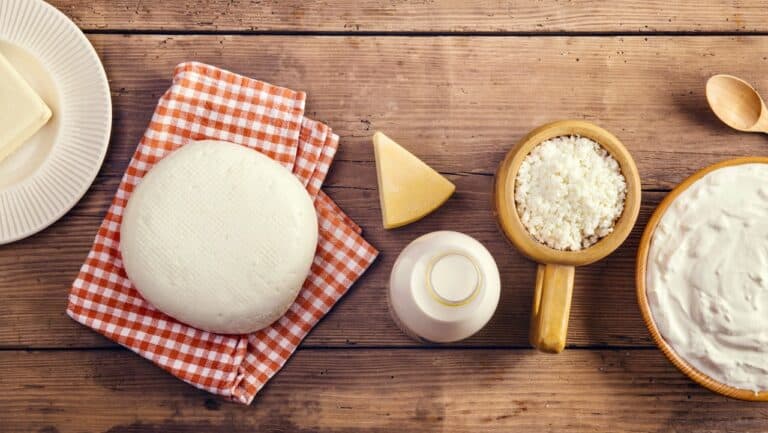
- Creamy dips and spreads built on cream cheese, sour cream, bean, or whipped goat cheese foundations — Budget Bytes’s black bean dip exemplifies the category with pantry ingredients, a food processor, and a bowl. Serve with pita chips, tortilla chips, crudités, or crackers.
- Cold skewer appetizers and small bites like Cookie and Kate’s Caprese skewers, which show the structural logic of three ingredients, one toothpick, and zero cooking. The skewer format also carries marinated mozzarella, melon and prosciutto, fruit skewers for lighter events, and cherry tomatoes paired with basil and a drizzle of balsamic glaze.
- Charcuterie, cheese boards, and cheese trays such as Minimalist Baker’s vegan charcuterie guide for plant-based boards, with the same structural rules governing traditional cured-meat versions. Cheese balls with herbs, sliced cheddar cheese, and soft creamy cheese wedges anchor the board.
- Marinated and pickled items including marinated olives, quick-pickled red onions, marinated red peppers, caramelized onions (prepared the day before and served cold), and herb-soaked feta cubes. The marination happens hours ahead; service is just transfer to a bowl.
- Mini sandwiches and cold wraps such as cucumber rounds with cream cheese, smoked salmon appetizer pinwheels, and tea sandwiches built on quality grocery store bread. Most readers find that mini sandwiches sit alongside a grazing table setup naturally, since both rely on composed bites rather than plated courses.
One variable unites all five: ingredient quality matters more than technique. A mediocre warm appetizer can be rescued by crispy edges and hot fat. A mediocre cold bite has nowhere to hide. That’s why peak-quality produce, fresh herbs, juicy tomatoes, and fresh spinach carry so much weight in these recipes — there’s no cooking step to compensate for dull ingredients.
Love and Lemons’s vegan appetizer collection demonstrates this principle through plant-forward bites where the produce does most of the work.
The decision between formats usually comes down to party length and guest count, which the next section addresses directly.
|
Hosting Tip: Serve Dairy Dips in Small Bowls |
The Room Temperature Safety Window
Every cold appetizer strategy runs into the same constraint: food safety. Perishable items can’t sit between 40°F and 140°F for more than two hours without entering the bacterial growth zone.
The USDA’s guidance on take-out food handling codifies the rule that governs every buffet, cocktail hour, and grazing table: two hours maximum at room temperature, one hour if ambient temperature is above 90°F.
That tighter one-hour window during warm weather is why outdoor summer spreads demand more aggressive rotation planning — a lesson TGH learned the hard way at a backyard party that ran longer than anyone planned for.
Summer-specific format choices (detailed in TGH’s easy summer appetizers guide) lean harder on marinated and pickled items precisely because those categories tolerate ambient heat best.
That two-hour window is the planning constraint most hosts underestimate. A three-hour gathering with appetizers out from 6 PM to 9 PM breaks the rule by the final hour. The solution isn’t to serve less — it’s to rotate, in four steps:
- Start the clock when food leaves the fridge, not when guests arrive. A dip pulled from the fridge at 5:30 PM for a 6 PM dinner party has already used thirty minutes of its window by the time the first guest eats.
- Pre-plate a refresh tray. Build a second smaller version of any dairy-based creamy dips, cured meat, or sliced cheese platter and keep it in the fridge. Swap at the ninety-minute mark. This resets the clock.
- Separate what needs rotation from what doesn’t. Marinated olives, pickled vegetables, hummus, nut mixes, and bread can generally sit out for the full event. Dairy-based dips, cream cheese spreads, sliced cheese, and cured meats need the rotation system.
- Use ice baths for high-risk items on long events. A shallow tray of ice under a serving bowl extends the safe window for creamy dips and seafood-based items — a technique A Couple Cooks’s healthy appetizer guide notes for longer-format gatherings.
The room temperature tolerance also varies by ingredient quality within the safe window. A cream cheese dip is technically safe for two hours but stops looking appealing at ninety minutes — it goes glossy, weeps liquid, and softens past its shape. Sliced aged cheeses sweat within an hour in a warm room. Marinated items, by contrast, often improve as they sit.
Planning a spread with this gradient in mind — longer-holding items in the middle of the spread, faster-degrading items near the edge for easy swap — keeps the whole table looking intentional without extra labor.
For events longer than two hours, the math is straightforward: plan two versions of any perishable item, one out and one in the fridge, and swap. The guests never see the rotation. They just see a spread that still looks good in hour three. So once the safety window is handled, what does the actual spread look like on the table?
|
Share Every Prep Task Clearly |
Building a Cold Spread That Holds Up
A cold appetizer strategy stops being abstract when you map it to a specific gathering. Three variables govern every decision: guest count, event duration, and format mix. Getting those right means the spread still looks generous at the ninety-minute mark instead of scavenged and sparse. A well-planned party menu treats cold foods as a deliberate layer — not an afterthought bolted on after the mains are decided.
For a two-hour cocktail hour with twelve to fifteen guests, three cold formats usually suffice: one dip, one board, one skewer or bite. That combination covers texture variety (soft, composed, structured), delivers visual height on the table, and stays within one host’s realistic prep capacity.
A Couple Cooks’s cold appetizer roundup catalogs the range of formats worth mixing into that three-item rotation.
A three-hour open house with twenty-five guests needs four to five formats with rotation planned into at least two of them. Beyond thirty guests or four hours, the strategy shifts from “one spread” to “stations” — two simple party snacks tables in different rooms move guests through the space instead of concentrating them around a single table.
The same staging logic shapes how TGH approaches table settings for a seated dinner party: visual anchors placed where you want guests to linger.
Format decisions for a cold-only spread:
- Anchor the spread with one visually dense centerpiece. A well-built charcuterie board, a large bowl of garlic herb marinated olives, or a tiered stand with three dips creates visual weight that carries the table even when smaller items deplete. This is often the crowd favorite by hour two.
- Choose at least one format that improves as it sits. Marinated vegetables, pickled items, and cured olives develop flavor over time rather than degrading. These are the only items that look better at hour two than at hour zero. The classic flavors deepen; the taste buds of late arrivals get the best version.
- Include one crunch-delivery vehicle in excess. Tortilla chips, pita chips, crackers, crostini, and crudités disappear faster than any other category. Plan double what feels adequate — running out of chips while dip remains is the most common cold-spread failure.
- Reserve a “refresh tray” in the fridge. A smaller duplicate of the fastest-depleting item, pre-plated, ready to swap in without trying to rebuild mid-party. Minimalist Baker’s plant-based dip collection includes several formats that duplicate cleanly for a two-tray system.
- Build the visual story on height. Cold spreads flatten out more than warm ones because nothing is steaming. Use cake stands, cutting boards on books, or small bowls within larger bowls to create elevation — without height, a cold table reads as tired even when fully stocked. A good delicious spread rewards layout planning more than recipe complexity.
The final decision for any cold spread is the one most hosts skip: test the timing. A practice plating forty-eight hours before the actual event — even just laying out the empty serving dishes — reveals whether the fridge holds everything on event day. Most kitchen-planning failures come from discovering at 4 PM that the charcuterie platter doesn’t fit on the top shelf with the wine bottles already cooling.
In our years of hosting through the holiday season, the single most useful two-minute exercise has been this: open the fridge on Thursday and pretend it’s Saturday at 5 PM. Does it all fit? If not, the problem isn’t the recipe — it’s the shelf plan.
Done well, a cold spread is the reason the host looks relaxed when guests arrive. The work is finished by 3 PM. The evening is already yours. The best cold spreads become a host’s favorite appetizers to return to — not because they’re clever, but because they’re the quick last minute appetizers that don’t feel last minute when guests arrive.
Frequently Asked Questions
What are good cold appetizers for a party?
Reliable cold appetizers include creamy dips (hummus, whipped feta, black bean), a charcuterie board, Caprese skewers, marinated olives, a salmon appetizer like smoked salmon pinwheels, and cucumber rounds with herb cream cheese. The strongest choices combine at least one dip, one composed cheese board, and one skewer format, covering texture variety without any cooking on event day.
How long can cold appetizers sit out?
Cold appetizers can safely sit at room temperature for two hours, or one hour if ambient temperature is above 90°F. The clock starts when items leave the fridge, not when guests arrive. For longer gatherings, keep a duplicate of each perishable item in the fridge and swap at the ninety-minute mark. Non-perishable cold foods can stay out all evening.
What cold appetizers are best for summer?
An easy summer appetizer leans on peak produce: watermelon-feta skewers, cucumber cups with whipped goat cheese, tomato-basil-mozzarella Caprese, chilled gazpacho shooters, and shrimp cocktail with lemon. Summer shortens the safety window. Above 90°F, cold appetizers hold for one hour instead of two, so ice baths matter more during warm weather than in cooler months.
What cold finger foods are crowd pleasers?
Crowd-pleasing cold finger foods include Caprese skewers, deviled eggs, mini bruschetta, cucumber rounds topped with cream cheese and smoked salmon, prosciutto-wrapped melon, and marinated cheese cubes on toothpicks. The consistent pattern of the perfect finger food is one-bite format, two to three visible ingredients, zero utensils required. That structure moves faster at a standing cocktail hour than any plated alternative.
Can cold appetizers be made the night before?
Most cold appetizers can be made the night before, and many improve. Dips develop flavor as garlic, herbs, and acid mellow. Marinated vegetables gain complexity. A charcuterie board can be composed on the platter, wrapped tightly, and chilled. Exceptions: sliced avocado, cut tomatoes, and fresh herbs should be added within two hours of serving.
What is a no-cook appetizer?
A no-cook appetizer is one whose final preparation step involves assembly, chilling, or marinating: never heat. Easy cold snacks in this category include dips built in a food processor, a charcuterie board assembled from pre-made components, skewers with raw or cured ingredients, and marinated items resting in their liquid. Pre-cooked components like canned beans are allowed.
Continue Reading:
More On Cold and Easy Appetizers
- Easy Appetizer Ideas for Every Party and Gathering
- Make-Ahead Appetizers for Stress-Free Party Hosting
- Best Appetizers for a Crowd That Scale to Any Guest Count
- Thanksgiving Appetizer Ideas to Serve Before the Feast
- Christmas Appetizer Ideas for Every Holiday Party
More from The Gourmet Host
- Wet Bar vs Dry Bar: Which Setup Fits Your Home?
- 50 Clean Funny Would You Rather Questions for Adults
- Funny Conversation Starters That Break the Ice Fast
- Easy Oven Dinners: Hands-Off Meals for Busy Weeknights
- Quick Easy Desserts: Effortless Sweets for Any Gathering
Explore TGH Categories
- Set the Scene
- Drinks and Bar
- Plan the Meal
- Engage with Guests
- Games and Toasts
- Tools and Techniques
- Why We Gather