Best Appetizers for a Crowd That Scale to Any Guest Count
 16 min read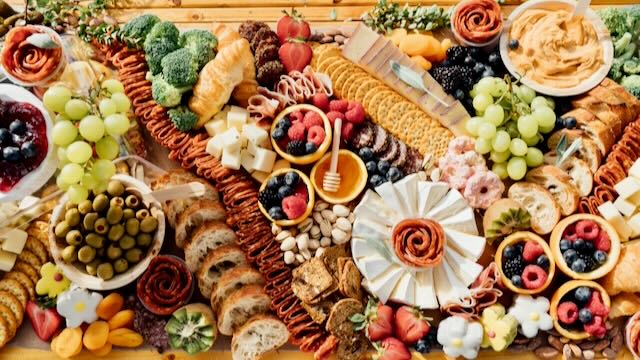
Forty-three appetizers disappeared in the first twenty minutes. We had made eighty for sixteen guests at a late-September backyard gathering — the kind of head-to-plate ratio that feels conservative on paper and reckless the moment the gate opens and everyone heads for the snack table at once. The guests who arrived twenty-five minutes late saw a picked-over board and half a bowl of dip pushed to the edge of the counter.
That miscalculation changed how we plan for any group over twelve. The fix has less to do with cooking more food than with choosing the right kinds of food and staging them so the table stays alive through the full first hour. Scaling appetizers for a crowd is a different problem than scaling a meal: portions per guest drop, variety matters more than depth, and certain recipes fall apart at three times the volume.
At a Glance
- Plan on 6–8 appetizer bites per guest for a 90-minute cocktail hour, and 3–4 bites per guest when appetizers precede a full dinner.
- Recipes with minimal prep and assembly steps under three minutes per piece scale cleanly to thirty guests; anything requiring individual searing or last-minute plating does not.
- Budget crowd appetizers hit $1.25–$2.00 per serving when built around creamy dips, bean-based spreads, and bread or cracker carriers rather than meat or seafood.
- A single large platter replenished every 20–25 minutes reads as abundant; the same food laid out all at once reads as picked-over by minute forty.
- Two or three format categories — one dip, one finger food, one board — cover ninety percent of guest preferences without overwhelming the prep timeline.
What Counts as an Appetizer for a Crowd?
An appetizer for a crowd is any small, bite-sized food served before a meal or during a cocktail window to groups of twelve or more, built to be eaten standing and without cutlery. The scale flips the rules: presentation matters less than replenishment cadence, and variety across two or three formats beats depth within one. Unlike a plated starter for a seated dinner, a crowd appetizer needs to survive forty-five minutes on a table, withstand guests taking handfuls rather than portions, and travel from kitchen to serving surface without a finishing step.
How Many Appetizers You Actually Need for a Crowd
The quantity question has two answers. For a pure cocktail-hour event with no dinner to follow, plan on 10–12 bites per guest across a 90-minute window. For appetizers preceding a full dinner — the more common scenario — 3–4 bites per person is enough. Over-catering the pre-dinner spread backfires: guests fill up, and you absorb the cost of uneaten excess.
A Couple Cooks’ 40 Finger Food Ideas covers portion-level thinking across event types.
At twenty-plus guests, variety beats volume. Five formats at modest quantities outperform two formats at buffet scale, because the visual read of a crowded table signals abundance faster than a deep stack of one item.
Once Upon a Chef’s holiday appetizer collection is a useful reference for format variety at larger scale, and our Food for Large Groups guide covers the broader scaling question when appetizers are the opening move of a full crowd-sized menu.
Working Ratios by Event Type
The ratios we use for a mixed crowd at casual gatherings and more formal events alike:
- Cocktail party, 90 minutes, no dinner: 10–12 pieces per person. Skew heavier on finger foods and bite-sized appetizers, lighter on dips.
- Pre-dinner appetizers, 30–45 minutes: 3–4 pieces per person. Focus on small bites that won’t fill guests up.
- Extended pre-dinner window, 60+ minutes: 5–6 pieces per person. Heavier dips and one warm item enter the rotation.
- Open-house format, 2–3 hour window: 8 pieces per person, staged in waves to keep the snack table fresh.
A common mistake at the twenty-guest mark is scaling a six-person menu by multiplying each dish 3x. That math produces too much food and too little variety. The better move is to replace one or two of those 3x dishes with entirely different formats — a crowd-friendly baked artichoke dip alternative with bold flavor instead of a second tray of stuffed mushrooms, or a grazing board instead of tripling the crostini.
The number of appetizers is only one variable. Which ones scale cleanly is the next question.
|
Keep the Menu Plan Together |
Recipes That Scale Cleanly — and the Ones That Don’t
Not every appetizer that works at eight guests works at twenty-eight. Scaling cleanly requires three attributes: the recipe assembles in batches without quality loss, it holds its texture at room temperature for forty-five minutes, and per-piece assembly stays under three minutes at volume. Creamy dips, cheese boards, crudité platters, marinated olives, pinwheels, and cold crostini pass all three tests. Seared scallops, crab cakes needing pan-finishing, deep-fried bites, and sauces that separate after ten minutes fail at least one.
Recipes That Scale Without Degradation
The reliably scalable categories share a structural advantage: they assemble in bulk, not piece by piece. A large bowl of whipped feta with roasted red peppers, a cheese board built for twenty-five, a tray of easy appetizers from Budget Bytes like cucumber rounds with herbed cream cheese — these scale by filling a larger vessel rather than making more individual items. Simple ingredients with minimal prep — olive oil, fresh herbs, a squeeze of citrus — do more at scale than elaborate recipes ever will.
Puff pastry bites and crescent rolls wrapped around a creamy filling are the exception that proves the rule. They scale cleanly if treated as a bulk bake: cut a full sheet of dough, top every piece in one pass, bake the whole sheet.
King Arthur Baking’s fast puff pastry guide covers the bulk-bake technique specifically. A batch of cheesy bites pulled from the oven fifteen minutes before guests arrive holds heat long enough to stay appealing through the first wave.
Recipes That Break at Scale
The recipes that fail share a common problem: per-piece attention. Pan-seared bites need a pan that doesn’t crowd. Anything piped in a star-tip rosette looks uneven across forty bites. Recipes needing a hot finish go from appealing to rubbery during transit to the serving table.
- Works at 6 guests, fails at 20: piped deviled eggs with creamy filling, pan-seared scallops, shrimp with butter sauce, bruschetta with perfect crunch that goes soggy in transit.
- Works at 6, works differently at 20: baked dips (larger vessel), cheese boards (build bigger, not multiple), crudités (two platters, not one giant).
- Scales cleanly at any count: cold dips with sturdy potato chips or pita as carriers, pinwheels sliced from a log, cheese and charcuterie, marinated vegetables in olive oil, spiced nuts, whipped cheese spreads.
Before committing to an easy recipe for a crowd, picture making forty of them. If you can see the production step without cringing, it scales.
Half Baked Harvest’s popular holiday appetizers lean heavily on bulk-assembly formats for exactly this reason.
When we’re planning an appetizer menu for twenty-plus, we cross-reference our own potluck ideas for a crowd for formats that travel well and hold at ambient temperature — the same rules apply when you’re the one doing all the cooking.
Clean scaling is one gate. Cost per serving is the next.
|
Hosting Tip: Choose One Warm Budget Anchor |
Budget-Friendly Appetizers That Feed Thirty Without a Catering Bill
Crowd appetizers can run $1.25 per serving or $6 per serving depending on which proteins and carriers you build around. The budget-friendly crowd appetizer is built around three workhorses: beans, cheese, and bread. Every other ingredient is a multiplier on top of that base. Smart flavor combinations — a tangy flavor from citrus, big flavor from spice, fresh herbs on top — do more than expensive ingredients to make a budget spread feel abundant.
The Budget-Friendly Anchors
A pot of black bean dip made with black beans, lime, cumin, and a hit of hot sauce served with soft tortillas or warm potato chips feeds twenty at around $0.85 per serving. Whipped goat cheese with honey and fresh toppings runs about $1.50 per serving when buying a log, not individual containers.
A ricotta dip scaled to a 2-quart vessel — built on creamy cheese, sun-dried tomatoes, and red pepper flakes — hits around $1.10 per serving with bold flavor that reads as far more expensive than it cost.
Budget Bytes’ 5-minute nacho cheese sauce is another anchor cheesy dip that scales to a large vessel: a gooey cheese center served warm with tortilla chips feeds thirty and makes a perfect appetizer for casual get-togethers at minimal cost.
Carriers and Formats Under $2 Per Serving
Three cost-efficient carriers that read as generous at crowd scale:
- Pita chips cut from raw pita and baked with olive oil and simple seasonings. Twenty pitas split and baked yield roughly 160 chips for under $8 total. The homemade version has a perfect crunch and out-performs bagged chips on texture and cost.
- Corn tortilla chips warmed in a 250°F oven for 10 minutes. A $3 bag warmed reads as restaurant-quality; served cold reads as grocery-aisle. A warm chip plus a bowl of zesty dipping sauce alongside makes a quick easy snack that reads as deliberate rather than last-minute.
- Sliced cucumber rounds, endive leaves, and other fresh veggies. Vegetable-forward carriers that double as light vehicles for creamy dips and need zero easy preparation beyond washing and slicing.
A short list of under-$2-per-serving party appetizers we return to for quick last minute appetizers:
- Big-batch creamy spinach dip, baked and served warm in a bread bowl. The soft bread soaks up the dip and doubles as the final serving at the end of the night.
- Marinated olives with citrus peel and fresh herbs — $15 buys enough for twenty-five, and they improve sitting for an hour with their rich taste deepening by the minute.
- Caramelized onion dip with green onion folded in at the end — a savory, complex flavor profile for under $8 of ingredients.
- Black bean dip with ripe avocados and cotija — bright, scoopable, and cheap. Holds texture for two hours.
- A chip-and-dip duo with zesty dips made from pantry staples — a quick cheese sauce, a fresh tomato salsa, a bowl of spicy jalapeños alongside — for guests who want to build their own plate.
The budget math is simple: dips and spreads are the ratio. A $15 dip feeding twenty is $0.75 per serving; a $15 tray of stuffed mushrooms feeding ten is $1.50. Same spend, double the reach. That’s why every crowd menu we build has at least two delicious dips before any finger food enters the rotation.
For a crowd that crosses into dinner, our dinner party planning guide covers the budget math for the full meal that follows the appetizer spread.
Cost is one variable. What the table looks like to the tenth guest, arriving twenty minutes after the first, is another.
|
Share Every Prep Task Clearly |
Setting Up an Appetizer Table That Doesn’t Look Abandoned After 45 Minutes
The most common failure mode of a crowd spread is the abandoned-table look: everything out at once, picked over by minute forty-five, the second wave seeing half-empty bowls. The fix is to stage the spread in waves rather than all at once. Hold back a third of each dip in the kitchen. Refresh platters every 20–25 minutes. Replace an empty board with a full one rather than topping up a picked-over one.
Staggering the Spread in Waves
The staggering principle:
- Wave one (minutes 0–25): 60–70% of the food. Cold items, one or two dips, one board, a tasty appetizer or two that hold at room temperature.
- Wave two (minutes 25–50): refresh empty pieces, add the warm item — a baked dip, spiced nuts, a warm cheese pull with gooey cheese center. The aroma brings guests back to the snack table.
- Wave three (minutes 50–75, longer windows only): final refresh. A new board replaces the original.
The warm item in wave two is the single most effective crowd-hosting trick we know. Guests have settled into conversations by minute thirty; a warm, aromatic dish brought out then resets the energy and reshuffles the groupings. The small bites that come out fresh in this wave end up being the most popular appetizers of the evening — not because they taste better, but because they arrive when guests are ready for something new.
Table Geometry
A few physical-setup rules tested across thirty-plus-guest events:
- Two access points minimum. A table against a wall forces a single-file queue; pulled out from the wall, guests approach from either side.
- Height variation with cake stands, inverted bowls under platters, and wooden risers. A flat table reads as institutional; a tiered one reads as curated.
- Plates and napkins upstream of the food. Guests who grab a plate first take more considered portions.
- Trash drop-off at the far end of the table. Without one, used plates end up on the food table itself.
If your main table is a kitchen island, put drinks at a separate spot. Love and Lemons’ summer appetizers shows split-surface setups that translate directly to indoor crowd events. The broader room matters too — our ambiance guide covers lighting and flow decisions that shape how guests move through the space around the food table.
Staggering and layout get you through the first hour. After that, the question becomes which appetizers survive any group, any count, any season.
Which Appetizers Work for Any Size Crowd
Some appetizers are flexible in a way others aren’t. They work for six guests and for thirty-six. They hold at room temperature, scale without degradation, don’t care whether it’s July or December, and don’t require a hot-finish step.
Every crowd menu we build includes at least two of these universal simple appetizers as the anchor, and pairs them with a drinks plan from our best batch cocktails guide so the bar isn’t a second bottleneck.
The Five Scale-Agnostic Formats
- A cheese board with three cheeses, crackers, fruit, and nuts. Works at any count by adjusting board size. Holds for two hours.
- A dip on a cream cheese or yogurt base with sturdy carriers. Holds at room temperature for ninety minutes. The creamy texture holds up through the full first hour without breaking down.
- Marinated olives or a mezze platter with fresh flavor — olives, artichoke dip, roasted peppers, hummus, pita. Improves sitting for an hour.
- A crudité platter with one great dip in the middle. Light enough to precede any meal. Scales by using two platters.
- Pinwheels sliced from a pre-rolled log — the perfect finger food for a crowd. Make the log ahead, slice within minutes of guests arriving.
These five cover ninety percent of crowd scenarios between them. A cocktail party with no dinner to follow leans toward the cheese board, a dip, and pinwheels. A pre-dinner gathering leans toward crudités and a single mezze platter.
Pinch of Yum’s 20 best appetizers and dips is a useful cross-reference for universal formats, and Budget Bytes’ easy appetizer recipes archive covers the same territory from a cost-first angle.
Planning for Dietary Restrictions at Scale
For dietary restrictions, the universal-format list is the simplest path to accommodating everyone. You can’t individualize an appetizer menu for thirty guests, so build around formats that already include gluten-free, vegetarian, or dairy-free options. A mezze platter, a crudité board, and hummus with pita (plus gluten-free crackers on the side) covers most needs without a separate menu.
Our guide to common dietary restrictions covers how to plan for the range without overcomplicating the spread.
The real test of a crowd menu isn’t the fanciest item on the table. It’s how the table looks at minute fifty, when the first wave has eaten and the second is arriving. If the cheese board is intact because you replaced it at minute thirty, if the dip has been refilled from the kitchen reserve, if guests still see abundance — the menu is working.
A smaller, simpler menu executed with attention to staging and refresh outperforms a bigger, fancier one that all hits the table at once and vanishes by minute forty.
Frequently Asked Questions
How many appetizers for 20 guests?
For 20 guests at a pre-dinner gathering lasting 30 to 45 minutes, plan on 60 to 80 bites total, or 3 to 4 per person. For a 90-minute cocktail hour with no dinner following, plan on 200 to 240 bites (10 to 12 per person). Build the menu around two or three formats: one dip, one finger food, one board.
What are the best appetizers for large groups?
The best large-group appetizers assemble in bulk, hold at room temperature for at least an hour, and don’t require per-piece plating. Cheese boards, cold and warm dips, crudité platters with one great dip in the middle, pinwheels sliced from a rolled log, and marinated olives all meet these criteria. Avoid anything needing pan-searing.
How do you scale appetizer recipes for a crowd?
Scale by increasing batch volume rather than piece count. A bigger bowl of dip, a larger cheese board, a wider crudité platter. These scale cleanly. Recipes requiring per-piece assembly (stuffed mushrooms, piped deviled eggs) should be swapped for bulk-assembly formats. If scaling 3x means making the same item forty times, switch formats entirely.
What are easy appetizers that feed a lot of people?
The easiest crowd-feeding appetizers are dips with sturdy carriers, cheese and charcuterie boards, and cold formats like pinwheels or marinated vegetables. A single 2-quart baked dip with warmed pita chips feeds 20 comfortably. A cheese board with three cheeses, crackers, fruit, and nuts feeds 15 at modest scale or 30 with a larger build.
How do you set up an appetizer table for a party?
Pull the table away from the wall so guests approach from two sides, preventing single-file backup. Put plates and napkins at the entry point, trash at the far end. Use height variation: cake stands, risers, inverted bowls. Leave 8 to 10 inches of empty space between items. Put drinks on a separate surface.
What budget-friendly appetizers work for big groups?
Dips built on cream cheese, sour cream, or yogurt bases hit $1.00 to $1.50 per serving at crowd scale. Bean-based spreads run lower. A cheese board with three modest cheeses runs $35 to $45 for 20 guests. The rule: build around beans, cheese, and bread, treat meat as an accent rather than a centerpiece.
Continue Reading:
More On Appetizer Ideas:
- Easy Appetizer Ideas for Every Party and Gathering
- Make-Ahead Appetizers for Stress-Free Party Hosting
- Easy Cold Appetizers That Need Zero Cooking
- Thanksgiving Appetizer Ideas to Serve Before the Feast
- Christmas Appetizer Ideas for Every Holiday Party
More from The Gourmet Host
- The Best Non-Alcoholic Drinks to Order at A Bar, According to a Bartender
- Outdoor Bar Ideas on a Budget: Build a Backyard Bar for Less
- 21 Dress Up Party Themes for Adults Worth the Effort
- Kitchen Knife Guide (3 Knives Every Home Host Needs)
- Family-Style Dinner Wedding Guide: Best Meal Ideas
Explore TGH Categories
- Set the Scene
- Drinks and Bar
- Plan the Meal
- Engage with Guests
- Games and Toasts
- Tools and Techniques
- Why We Gather