How to Set a Dinner Table Like a Pro (Without the Stress)
 10 min read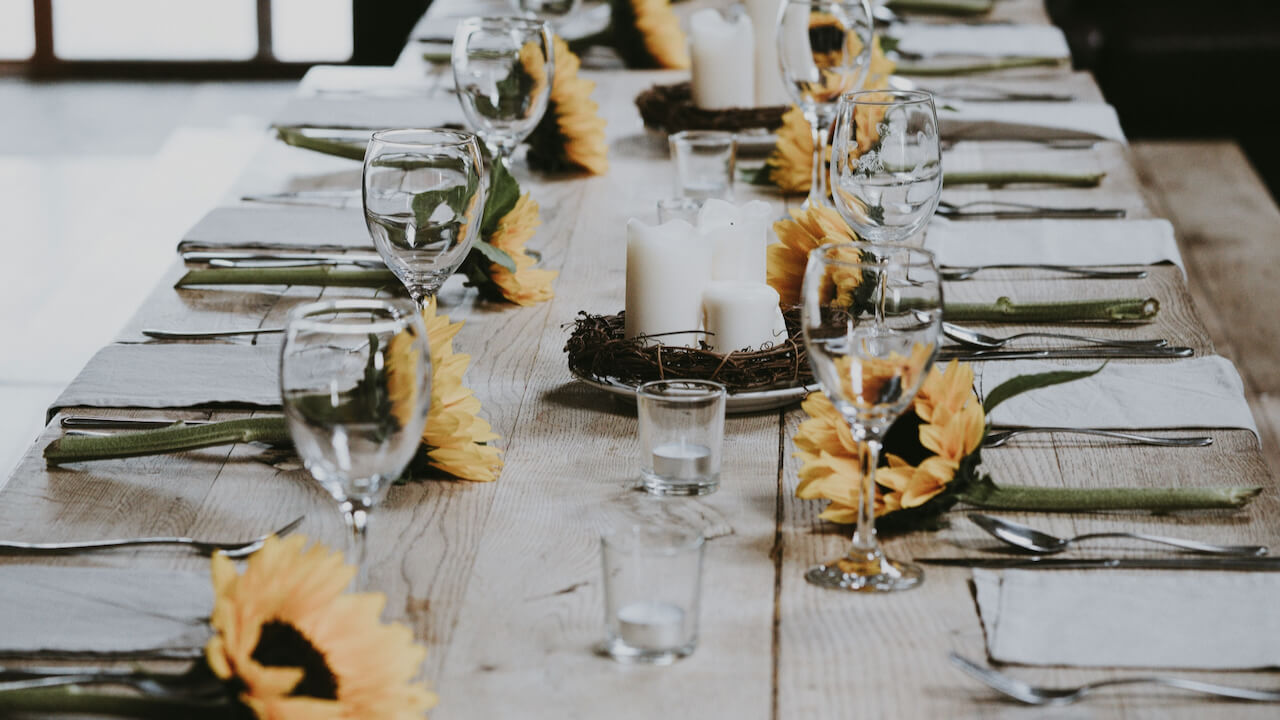
A beautifully set table tells your guests something before a single dish is served: you thought about them. It says, “I prepared this evening with you in mind,” and that feeling of welcome is worth more than any charger plate or champagne flute.
The good news is that a properly set table doesn’t require a degree in hospitality or a cupboard full of formal dining China. Whether you’re laying out an everyday dinner for your family or planning a multi-course meal for a special occasion, the general rules are simpler than you’d expect. Once you understand the basic logic—forks left, knives right, glasses above—you can adapt for any occasion with confidence.
This step-by-step guide covers three levels of table setting: basic, casual, and formal. Use it for your next dinner party, a holiday gathering, or any evening when you want the table to feel as good as the food.
📋 At a Glance
- Basic setting: Dinner plate, fork on the left, knife and spoon on the right, napkin, and a water glass. That’s all you need for everyday meals.
- Casual setting: Add a salad fork, bread plate with butter knife, and wine glasses for a laid-back dinner party.
- Formal setting: Layer in a charger plate, soup spoon, salad plate, dessert cutlery, place cards, and multiple wine glasses for special occasions.
- The golden rule: Cutlery is placed in order of use, working from the outside in toward the plate.
- Finishing touches: Folded napkins, a low floral arrangement, and candles transform any setting from functional to beautiful.
What Is a Table Setting?
A table setting is the arrangement of plates, cutlery, glassware, and linens at each guest’s place at the dining table. Different types of table setting—basic, casual, and formal—signal the tone of the meal and help guests navigate multiple courses with ease. A proper table setting isn’t about rigid rules; it’s about creating a comfortable, intuitive experience so everyone can focus on the food and the company.
|
📨 Get Weekly Hosting Inspiration |
The Basic Table Setting: Everyday Simplicity
The basic table setting is your starting point—the foundation that every other arrangement builds upon. Use it for everyday meals, weeknight dinners, and informal gatherings where the mood is relaxed and the menu is straightforward.
Here’s how to set a basic table, place by place:
- Dinner plate in the centre, about one inch from the table edge.
- Dinner fork to the left of the plate.
- Dinner knife to the right of the plate, blade facing inward toward the plate.
- Spoon to the right of the knife.
- Napkin placed to the left of the fork or on top of the plate. Folded napkins add a polished touch even in a basic setting.
- Water glass above the knife, to the right of the plate.
That’s it. As Real Simple’s table setting guide points out, this basic rule—forks left, knives and spoons right—is the one principle that carries through every level of formality. If you remember nothing else, remember that.
For everyday dinners, you can use placemats instead of a tablecloth. They protect the surface, define each place setting, and make cleanup effortless.
|
🍽️ Hosting Insight: The Blade Rule |
The Casual Table Setting: Perfect for Dinner Parties
A casual table setting is the sweet spot for most dinner parties—elevated enough to feel intentional, relaxed enough that nobody worries about using the wrong fork. This is the setting for a Saturday night with friends, a birthday celebration, or a laid-back dinner party where the food is great and the conversation flows freely.
Start with the basic setting, then add these elements:
- Salad fork to the left of the dinner fork (outside position, since salad is typically served first).
- Bread plate above the forks, to the upper left of the dinner plate. Place a small butter knife across it diagonally.
- Wine glasses above the knife. For a casual dinner party, a single all-purpose wine glass works perfectly. If you’re serving both red and white, add a second glass to the right of the water glass.
The biggest difference between a basic and casual setting is the salad plate and extra cutlery. As Camille Styles explains in her table setting guide, the general rule of thumb is to work from the outside in: guests use the outermost fork or knife first, moving inward with each course.
Napkin rings are a great way to add personality to a casual place setting. Slip each folded napkin through a ring and place it on the bread plate or to the left of the forks. For more ideas on creating an inviting atmosphere for your next gathering, see our tips on hosting a dinner party your friends will love.
|
Plan Every Detail of Your Next Gathering |
The Formal Table Setting: Special Occasions Done Right
A formal table setting is reserved for special occasions—holiday dinners, milestone celebrations, or any evening when you want the table to feel truly extraordinary. It requires more pieces, more precision, and more courses, but the result is a beautifully set table that your guests will remember.
Here’s what a formal place setting includes, building outward from the plate:
- Charger plate (also called a presentation plate) sits at the centre. It stays on the table through the first courses and is removed before the main course.
- Dinner plate is placed on top of the charger when the main course is served.
- Salad plate sits on the charger for the salad course, then is cleared.
- Soup bowl on the salad plate if you’re serving a soup course.
- Forks (left of the charger): Salad fork on the outside, dinner fork on the inside, closest to the plate.
- Knives and spoons (right of the charger): Soup spoon on the outside, then dinner knife (blade facing inward), then a fish knife if applicable.
- Dessert spoon and dessert fork placed horizontally above the charger—spoon on top with handle pointing right, fork below with handle pointing left.
- Bread plate with butter knife above the forks, upper left.
- Glasses (above the knives): Water glass first, then white wine glasses, red wine glasses, and a champagne flute if needed. Arrange them in a slight diagonal from left to right.
- Place cards centred above the dessert cutlery or resting on the napkin.
As Robert Welch’s formal table guide explains, the correct cutlery for each course follows the order of use—outside in. This means guests never have to guess which fork to reach for. The table itself guides them through the meal.
For formal events, Food52’s guide to setting a dinner table everyone will remember recommends focusing on symmetry and spacing. Give each place setting at least 24 inches of table width so guests don’t feel crowded—especially with formal dining tables that carry more pieces per person.
If you’re organizing a formal dinner using The Gourmet Host app, you can match your place setting to your planned menu—so you know exactly which cutlery and glassware each course requires before you start arranging the table.
|
🧊 Hosting Insight: Charger Plate Etiquette |
Finishing Touches That Make the Table Shine
Once your cutlery placements are sorted, it’s the finishing details that transform a properly set table into a great place to spend the evening. These touches work across basic, casual, and formal settings—adapt them to suit different occasions and your own style.
- Floral arrangement: Keep centrepieces low—a single stem or small cluster in a low vase—so guests can see each other across the table. Tall arrangements look beautiful on a sideboard but block conversation at the dinner table. Lenox’s table setting guide suggests a centrepiece no taller than 12 inches for seated dinners.
- Candles: Candlelight instantly softens the mood. Use unscented candles so they don’t compete with the food’s aroma. Taper candles suit formal events; votives or tea lights work for casual dinner parties.
- Napkin presentation: A simple rectangle fold under the forks is timeless. For a more formal affair, try a pocket fold that holds a menu card or a single stem. Avoid overly complex folds—they tend to unravel and can feel fussy rather than elegant.
- Colour and texture: Layering a textured runner over a plain tablecloth, or mixing matte plates with glossy glassware, adds visual depth without additional cost. You don’t need matching sets—intentional contrast is a great way to make the table feel curated.
For deeper inspiration on setting the scene—from lighting to music to ambience—browse our Set the Scene guides. And if you’re curious about what your guests might bring to complement your table, our guide to things to bring to a dinner party covers thoughtful ideas from both sides of the invitation.
As Southern Living’s table setting guide puts it, the table is where the evening lives. A little care in how you set it goes a long way toward making every guest feel welcome.
Frequently Asked Questions
Cutlery is placed in order of use, working from the outside in toward the plate. The fork or knife you’ll use first sits farthest from the plate. For a three-course meal with salad, soup, and a main course, the salad fork would be on the far left the soup spoon on the far right, with the dinner fork and dinner knife closest to the plate. This rule applies to every level—from a basic setting to a formal place setting.
Glasses sit above the knives, to the upper right of the plate. Place the water glass directly above the dinner knife, then arrange white wine glasses and red wine glasses in a slight diagonal moving to the right. For formal occasions, add a champagne flute to the far right. At a casual dinner party, a single all-purpose wine glass is perfectly appropriate. For pairing guidance, explore our cocktail and food pairing guide.
Charger plates are a lovely addition for formal events and special occasions, but they’re not essential for casual or semi-formal settings. If you want the layered look without chargers, use placemats or a contrasting-coloured salad plate to create visual depth. We’ve found that guests notice the overall warmth of the table far more than any single piece of dinnerware.
A basic table setting includes a dinner plate, one fork, one knife, a spoon, a napkin, and a water glass—ideal for everyday meals. A casual table setting adds a salad fork, bread plate with butter knife, and wine glasses, making it suited for dinner parties and informal entertaining. The biggest difference is that the casual setting anticipates multiple courses and drinks, while the basic setting serves a single-course, everyday dinner.
For fewer guests, space each place setting generously—at least 24 inches apart—so the table feels full rather than empty. Move the centrepiece slightly off-centre to create visual balance and consider using a runner rather than a full tablecloth to define the dining area without exposing bare table on either end. For hosting tips tailored to intimate gatherings, our hosting etiquette guide covers everything from small dinners to large celebrations.
Set the Table, Set the Tone
How you set the table shapes how the evening feels. Whether it’s a basic setting for a weeknight meal or a formal arrangement for a milestone celebration, the care you put into each place tells your guests they’re valued. Start with the basics, build from there, and don’t be afraid to mix styles—a beautifully set table is one that feels like you.
Looking for conversation starters to go with your beautifully set table? Our guide to dinner party conversation questions has you covered. And for gift ideas that complement any hosting style, browse small gifts for dinner party guests.
Continue Reading:
More On Hosting Etiquette
- 30 Dinner Party Conversation Starters That Actually Work
- Dinner Party Conversation Questions That Keep the Table Talking
- Dinner Party Hosting Etiquette: The Only Guide You Actually Need
- Gracious Guests: Etiquette for Attending a Home Dinner Party
- How to Host a Dinner Party Your Friends Will Love
- Modern Hosting Etiquette to Make Dinner Guests Feel Welcome
- Small Gifts That Will Make Your Dinner Party Guests Feel Special
- What to Bring to a Dinner Party: A Thoughtful Guest’s Guide
More from The Gourmet Host
- Italian Dinner Party Menu: A Complete Host’s Guide
- Outdoor Bar Ideas on a Budget: Build a Backyard Bar for Less
- Outdoor Table Setting Ideas for Every Style
Explore TGH Categories