21 Taco Bar Food Ideas to Feed an Easy Big Crowd
 15 min read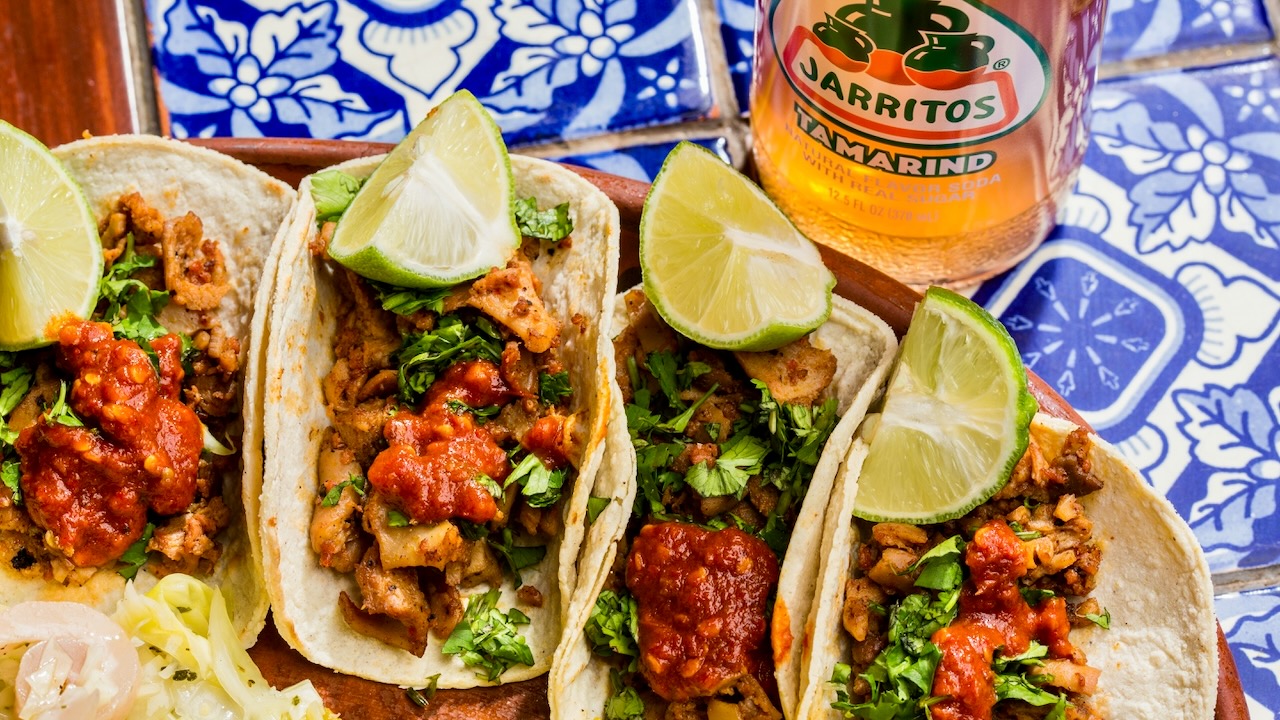
Set a taco bar in motion and you stop being a short-order cook for the night. A taco bar is not a recipe. It is a system: one base station, one protein lineup, a topping bar your guests build from, and a couple of warmers doing quiet work in back.
Run it that way and a gathering of twenty feeds itself while you refill bowls and talk to people. The pages ahead map the whole station: how much to plan per guest, the protein and topping lineup that makes up the 21 components, the sauce ladder from mild to fierce, and the make-ahead timeline that keeps you out of the kitchen once guests arrive.
At a Glance
- A taco bar runs as a self-serve station: base, protein, toppings, sauces, and sides, each in build order.
- Plan about a third of a pound of cooked protein and three tortillas per adult, then add 15 percent.
- Twenty-one core components, proteins through sides, give guests range without overloading prep.
- Hold proteins in slow cookers set to warm, and keep tortillas wrapped in an insulated holder.
- Cook proteins and mix sauces a day ahead, chop produce the morning of, set cold toppings out last.
What Is a Taco Bar?
A taco bar is a self-serve spread where you set out the building blocks of a taco, bases, proteins, toppings, and sauces, and let each guest assemble their own. For a host feeding a crowd, the win is not the flavor of any single taco but the flow: a station laid out in build order moves a long line without a bottleneck. Unlike trays of pre-made tacos, a taco bar scales to almost any headcount, folds in dietary needs, and turns dinner into something guests do together.
What Makes a Taco Bar Work for a Crowd
A taco bar works because it splits one big job into small ones. You cook a few proteins, set out the toppings, and the assembly, the part that eats a host alive at a seated dinner, becomes the guests’ job. That shift is why a taco bar party idea scales where a plated meal stalls.
Self-serve also solves the problem every crowd brings: nobody eats the same way. One guest wants double carnitas and no cheese, another builds a vegetarian taco, a kid takes a plain cheese shell. A station lets all of that happen at once, the same principle behind the best appetizers for a crowd that scale to any headcount, and why Mexican food bar ideas travel so well to almost any party theme.
The structure underneath is always the same five-zone build, the backbone of nearly every build your own food bar ideas you will run later. Borrow the logic for a nacho or pasta night and the prep rhythm carries over, as a roundup of build-your-own food bar menus shows across a dozen station types. The same thinking drives plenty of family-friendly food bar ideas for parties with kids in the mix.
- Base zone sets the foundation: soft tortillas, hard shells, and bowls for a taco salad (components 1 to 3).
- Protein zone holds two to four hot fillings in warmers so guests pick and move on.
- Toppings bar runs from crunchy to creamy in the exact order guests stack.
- Sauce station lines up salsas and cremas from mild to hot with clear labels.
- Sides anchor the far end so plates fill out without crowding the taco line.
Lay those five zones left to right and the line reads itself. The next question hosts underestimate: how much of each zone to buy.
How Much Food to Plan Per Guest
Plan about a third of a pound, roughly five to six ounces, of cooked protein per adult when tacos are the main event. Drop to a quarter pound if you are leaning on heavy sides. Count three small tortillas or shells a head, the amount most adults build, and add 15 percent so the line never runs short.
Children land at one or two tacos, and big eaters clear four, so round up rather than cut it close. A simple taco bar checklist keeps the math honest, and a per-guest taco bar planning checklist is worth borrowing if you host this size of crowd often.
Per-Guest Quantities at a Glance
These figures assume tacos are the meal, not a snack. Scale the protein total by headcount, then split it across the lineup.
- Protein: 5 to 6 oz cooked per adult, or a quarter pound if sides are heavy.
- Tortillas or shells: 3 per adult plus 15 percent; offer both soft and hard.
- Cheese: about 1 oz per guest; lettuce and tomato roughly half a cup each per three guests.
- Sauces: 2 to 3 tablespoons total per guest across all salsas and crema.
- Rice and beans: half a cup of each per guest as a filling anchor.
Scaling for Twenty, Thirty, or Fifty
For twenty adults, that is roughly seven pounds of cooked protein, sixty-plus tortillas, and a gallon-plus of toppings. Crowd-scaling guides on feeding a crowd with a taco bar walk through bulk math past a single slow cooker, and our notes on food for large groups cover the same scaling instinct across other menus.
Buy in round numbers and keep a backup bag of tortillas and a spare block of cheese in reserve. Those two disappear fastest. With the quantities locked, build the protein lineup that anchors the station.
|
Plan Every Course Before You Shop |
Build the Protein Lineup
A strong protein lineup covers the table with three or four options that cook and hold differently. Aim for a familiar beef, a leaner poultry, a rich slow-cooked option, and one meat-free filling. That spread, components four through seven, satisfies nearly every guest at a mixed crowd.
Season each protein on its own so flavors stay distinct in the warmer. A from-scratch blend beats the packet, and a batch of homemade taco seasoning covers several pounds for less than the pre-mixed cost. A working taco bar ideas reference covers lineups built for self-serve crowds.
Seasoned Ground Beef and Shredded Chicken
Ground beef is the anchor most guests reach for first: browned, drained, and simmered with seasoning and a splash of water until it coats every spoonful. Shredded chicken is the lighter counterpart, poached or pulled from a rotisserie bird and tossed with the same blend so it stays moist.
- Seasoned ground beef (component 4): brown, drain, simmer in spice and a little water.
- Shredded chicken (component 5): poach or shred rotisserie, then toss in seasoning and broth.
Carnitas and a Meat-Free Filling
Pork carnitas bring the richest option, slow-cooked until tender then crisped under the broiler for the edges guests fight over. The meat-free filling is not an afterthought: spiced black beans, mashed lightly so they hold, give vegetarians a real center and stretch the meat for everyone else.
- Pork carnitas (component 6): slow-cook, shred, then broil briefly for crisp edges.
- Spiced black beans (component 7): simmer with cumin and garlic, mash lightly to hold.
Set the four proteins in their own warmers with a serving spoon each, and the lineup runs itself. Once guests have chosen a filling, they hit the part of the station that makes a taco theirs: the toppings.
The Toppings Bar, Layered for Flow
A toppings bar earns its keep when it runs in the order guests build, base to garnish, so the line keeps moving and nobody backtracks for the cheese. These taco toppings make up the largest block of the 21 components: ten cold items that turn four proteins into dozens of tacos.
Set them in shallow bowls along the bar’s center, each with its own spoon, and group by function. A reference like best toppings for tacos sorts toppings by crunch, cream, and acid, which is exactly how a fast-moving line should read.
The Crunch and Fresh Layer
First come the toppings that go straight onto the protein: shredded lettuce for crunch, shredded cheese while the filling is hot enough to soften it, and diced tomato for color and juice.
- Shredded lettuce (component 8): crisp base that keeps the taco from going soggy.
- Shredded cheese (component 9): added over hot protein so it just melts.
- Diced tomato (component 10): fresh juice and color against warm filling.
Aromatics, Heat, and Acid
Next come the sharp, bright additions that wake the taco up. Diced white onion and chopped cilantro are the classic street-taco finish, sliced jalapenos add fresh heat, and a squeeze of lime ties everything together at the end.
- Diced white onion (component 11): sharp bite that cuts the richer proteins.
- Chopped cilantro (component 12): bright, grassy street-taco finish.
- Sliced jalapenos (component 13): fresh heat guests can take or skip.
- Lime wedges (component 14): a final squeeze that lifts every flavor.
The Extras That Add Range
A few less-expected toppings give regulars something new to try. Sweet corn adds pop, pickled red onions bring tang and a flash of pink, and a crumbly cotija finishes with salt where the shredded cheese has melted in.
- Sweet corn (component 15): charred or plain, a sweet contrast to spiced meat.
- Pickled red onions (component 16): tangy, bright, and made days ahead.
- Cotija or queso fresco (component 17): salty crumble for a finishing layer.
Seventeen components in, the table builds a serious taco. What pulls them together, and where a crowd lingers longest, is the sauce station.
|
Hosting Tip: Label Salsas by Heat, Not by Name |
Stock the Sauce and Salsa Station
A sauce station is where guests slow down and customize, so give it room and a clear heat ladder. Line up the cold and creamy options first, then the salsas from mild to fierce, with a label on each so a guest who cannot take heat is not guessing. These three sauces close out the 21 components and carry most of a taco’s personality.
Make the creamy and green options yourself the day before; they only improve overnight. A reliable batch of the best guacamole holds its color with enough lime and a tight wrap, and disappears fast.
Guacamole, Crema, and Salsa
Guacamole is the centerpiece, rich and cooling against spiced meat. A drizzle of crema tames heat for milder palates, and a good salsa roja anchors the savory end with tomato and chile depth. Together they cover cooling, creamy, and bright in three bowls.
- Guacamole (component 18): cooling and rich; make ahead, press wrap to the surface.
- Crema or sour cream (component 19): tames heat and adds a smooth finish.
- Salsa roja (component 20): the savory, tomato-forward anchor of the lineup.
Building a Clear Heat Ladder
Arrange the salsas left to right from mildest to hottest and label each: mild, medium, hot. Set a single fiery hot sauce at the far end for the heat-seekers so it never lands in a cautious guest’s bowl.
- Mild: a fresh pico or tomato salsa, safe for kids and cautious eaters.
- Medium: a roasted salsa or salsa verde with gentle warmth.
- Hot: a chile-de-arbol salsa or bottled hot sauce, clearly marked.
Label every dairy and spicy item plainly and the station serves itself, even to guests with allergies or low heat tolerance. With all 21 components set, the last job is the part that keeps a long party comfortable: the layout and the warmers.
Sides, Setup, and Keeping Everything Warm
Sides round out the plate without stretching your prep, and they belong at the far end of the bar so they never clog the taco line. One starch and one vegetable side is plenty: Mexican rice, the twenty-first core component, plus refried or black beans cover the starch, while a slaw lightens the plate. An outdoor crowd pairs naturally with tips for how to host a backyard barbecue.
- Mexican rice (component 21): the filling starch anchor at the line’s end.
- Refried or black beans: a protein-rich partner that scales cheaply.
Laying Out the Station for Flow
Set the bar so guests move in one direction: plates and bases first, then proteins, the toppings bar, the sauce station, and sides last. Pull the table away from the wall so two lines form and the crowd clears in half the time. A taco bar party setup shows how spacing and height keep a buffet readable, and broader themed food bar inspiration helps when you want the table to match a party theme.
Give every bowl its own spoon and stand a tented card at each item. Labels speed the line and flag allergens for guests who need to know.
Holding Proteins and Tortillas Warm
Hold cooked proteins in slow cookers or chafing dishes set to warm, stirring now and then so the edges do not dry out and adding a splash of broth to keep the meat juicy. Warm tortillas in a clean towel inside an insulated holder so they steam rather than stiffen. The same warmer logic drives our hosting systems that hold for hours.
- Slow cookers on warm: ideal for beef, chicken, beans; stir occasionally.
- Chafing dishes: best for carnitas and larger crowds over a long evening.
- Insulated tortilla holder: keeps shells pliable; refill in small batches.
Keep cold toppings over a tray of ice on a warm day and swap empties from the kitchen rather than topping up a half-eaten bowl. The setup holds for hours, which leaves only what you can do before guests arrive.
|
Keep The Station Running Without You |
Make-Ahead Timeline and Dietary Swaps
Make-ahead is where a taco bar pays off, because almost every component holds or improves with a head start. Cook the proteins a day early and reheat gently, mix the sauces the night before, and chop produce the morning of, so the only live task at party time is setting cold bowls out and turning the warmers on.
A Simple Day-Before and Day-Of Plan
Spreading the work across two short sessions beats one frantic afternoon. Cold items keep in covered containers; hot items reheat straight into their warmers.
- Two days out: make pickled onions and any salsa that improves with time.
- Day before: cook and chill proteins, mix guacamole and crema, prep rice.
- Morning of: chop tomato, onion, lettuce, and cilantro; store covered.
- One hour out: reheat proteins into warmers, set cold toppings, fill tortillas.
Gluten-Free, Dairy-Free, and Vegan Swaps
Most of a taco bar is naturally flexible once you label it. Corn tortillas are typically gluten-free, the bean filling covers vegetarians, and a few small swaps open the spread to nearly every guest. Round out the night with a self-serve drink station and a few easy party cocktails that pour while you tend the food.
- Gluten-free: offer corn tortillas and check seasoning blends for hidden wheat.
- Dairy-free: set crema and cheese on their own end; offer a plant-based shred.
- Vegan: lean on spiced black beans, guacamole, salsa, and grilled vegetables.
Label each swap and group the substitute toppings at one end so guests with restrictions build a full plate without hunting. Done this way, a taco bar gives a host the rarest thing at a big gathering: a meal that runs itself while you stay in the party.
Frequently Asked Questions
How much taco meat do I need per person for a taco bar?
Plan on about a third of a pound (roughly 5 to 6 ounces) of cooked protein per adult for a taco bar where it is the main course. For a lighter spread with heavy sides, drop to a quarter pound. Always round up for teen and big eaters.
How many tacos should I plan per guest?
Most adults eat three tacos at a taco bar, so plan three small tortillas or shells per person and add 15 percent extra. Children usually eat one or two. Offer both soft and hard shells so guests can choose, since some will take one of each.
What toppings go on a taco bar?
A complete toppings bar covers shredded cheese, lettuce, diced tomato, onion, cilantro, jalapenos, sour cream, guacamole, salsa, and lime wedges. Add black beans, corn, pickled onions, and hot sauce for variety. Arrange them in the order guests build, from base to garnish, to keep the line moving.
What sides go well with a taco bar?
Mexican rice, refried or black beans, tortilla chips, and a fresh salad round out a taco bar without much extra effort. Street corn, churros, and a simple slaw also work. Pick one starch and one vegetable side so the table feels full without overwhelming your prep.
How do I keep taco fillings warm during a party?
Hold cooked proteins in a slow cooker or chafing dish set to warm, stirring occasionally so the edges do not dry out. Add a splash of broth to keep meat juicy. Warm tortillas in a clean towel inside an insulated tortilla holder, and refill in small batches.
Can I make a taco bar ahead of time?
Yes, a taco bar is built for make-ahead hosting. Cook proteins a day early and reheat, chop produce the morning of and store in covered containers, and mix sauces in advance. Set out cold toppings just before guests arrive and keep hot items in warmers so nothing sits out too long.
Continue Reading:
More On Food Bars and Stations
- 15 Nacho Bar Ideas to Build a Crowd-Pleasing Spread
- 12 S’mores Bar Ideas for a Sweet DIY Dessert Station
- 18 Dessert Bar Ideas for a Build-Your-Own Table
- 14 Pasta Bar Ideas for a Fun Build-Your-Own Dinner
- 16 Mashed Potato Bar Toppings and Easy Setup Ideas
More from The Gourmet Host
- Office Christmas Party Games: Work-Friendly Picks
- Best Wedding Speeches: How to Write and Give a Great Speech
- Healthy Recipes for Picky Eaters That Actually Taste Good
- Modern Hosting Etiquette to Make Dinner Guests Feel Welcome
- How to Set Up a Home Bar for Hosting That Actually Works
- Food for a Crowd: Easy Menus to Feed a Big Group
- 9 Breakfast Foods for a Crowd: Make-Ahead Ideas
Explore TGH Categories
- Set the Scene
- Drinks and Bar
- Plan the Meal
- Engage with Guests
- Games and Toasts
- Tools and Techniques
- Why We Gather
Explore Categories