One Dinner Party Menu That Works for Every Diet
 14 min read
Cooking three menus for a mixed-diet dinner party is the wrong solution to the right problem.
The default instinct — a vegan plate, a gluten-free plate, the regular plate — triples your prep, stretches the kitchen across two hours of plating, and quietly signals which guest at the table is the problem. The single-menu version costs half the kitchen time and reads, from the dining room, as one shared dinner that happens to feed every diet present.
The framework that makes it work: a base layer designed for the strictest guest at the table, plus toppings the rest of the table can stack on. One menu, components instead of recipes, no second cook needed at 6:40 when the doorbell rings.
At a Glance
- A flexible dinner party menu uses base layers compliant with the strictest guest, plus optional toppings the rest of the table opts into — one kitchen, one timeline, every diet fed.
- The framework saves roughly 40% of prep time versus three parallel menus, and removes the social cost of plating a visibly different dish for one guest.
- Build courses as components: a grain or starch base, a sauce, a roasted vegetable, a protein topping, and an optional dairy or nut finish kept on the side.
- Five canonical templates already work — Taco Bar, Grain Bowl, Pasta Night, Mezze Spread, and Roast-and-Sides — and each carries every diet camp without redesign.
- Three things never flex: a leavened bread course, a dairy-set custard, and a wine-paired centerpiece protein. Serve a parallel, named alternative for those.
What Is the One-Menu-Fits-All Framework?
The one-menu-fits-all framework is a method for building a single dinner party menu that feeds every diet at the table by designing each course as components — a base layer compliant with the strictest guest, plus optional toppings the rest of the table assembles per plate. Each guest builds a different finished plate from the same kitchen output, eating the same dinner without three parallel cooking lines or one visibly different plate. Unlike a recipe roundup that lists individual gluten-free or vegan dishes, this framework gives the host a base-layer-plus-topping pattern that scales across every course, every diet mix, and every dinner party regardless of the specific recipe used.
Why a Flexible Menu Beats Three Separate Plates
Three parallel menus break a home kitchen in two predictable ways. The first is practical — three timelines collide at the same stove, and one of the three plates always lands cold. The second is social — the visibly different dish in front of one guest tells the room which person required the workaround, and that guest now eats in slight isolation while the rest of the table shares the same food. A flexible menu hides the math from both the kitchen and the dining room.
Food52’s editors framed this clearly in their dietary-restrictions hosting playbook: when guests assemble different plates from one shared output, the dietary differences read as personal preference rather than accommodation.
Bon Appetit’s editors push the same principle in their dinner party menu strategy guide — one cooking line, one timeline, no parallel menus.
What a flexible dinner party menu solves that three plates don’t:
- Kitchen capacity: one timeline, one set of pans, one shopping list. Roughly 40% less prep time than three parallel menus.
- Social cost: every plate reads as the same dinner because every plate started from the same base. No guest is the obvious exception.
- Scaling: ten guests with five dietary camps adds one or two extra topping bowls, not five extra entrées. The framework scales linearly with party size.
We ran this framework for a holiday dinner of twelve last December — one vegan, two gluten-free, one severe nut allergy, eight omnivores — and the kitchen closed at 6:50 for a 7:00 sit-down.
The same pattern carries our broader holiday dinner party planning guide, which treats menu structure as the planning backbone rather than a recipe count.
|
Build One Menu For Everyone |
Base Layer + Topping Pattern: The Framework’s Engine
Every dish in a flexible menu starts the same way: identify the strictest guest at the table, design a base that clears their bar, and stack the rest of the table’s preferences on top. The base layer is the dish in its simplest, naturally compliant form — a roasted vegetable grain bowl, a braised protein on rice, a salad with the dressing on the side. Toppings sit in small bowls on the table or alongside the platter, and the host’s only job is plating the base layer cleanly.
The Four-Step Build Sequence
The framework runs in the same four steps for every course:
- Identify the strictest constraint at the table. If a guest is both vegan and gluten-free, the base needs to clear both bars. A nut allergy at the table makes nuts a full exclusion, not a side bowl.
- Design the base layer to fit that constraint. A naturally gluten-free, dairy-free, vegan base — quinoa, beans, roasted vegetables, olive oil, herbs — sets the floor. The base is the dish that goes on every plate.
- List the toppings that flex up. Grilled chicken thighs, shaved parmesan, toasted breadcrumbs, a yogurt sauce, a buttery vinaigrette. Each topping sits separately and gets added at the plate, not in the pan.
- Stage the table assembly. Plate the base layer at the counter, bring two or three topping bowls to the table family-style, and the dinner reads as one composed course rather than a hotel buffet.
Serious Eats walks through this exact logic in their gluten-free dinner menu construction guide — naturally compliant bases first, optional flourishes second.
Course-by-Course Flex Map: Where to Bend, Where to Stay Firm
Not every course flexes the same way. Appetizers carry the lowest flex cost — the host can assemble two safe shared plates and the table starts the night with no negotiation. Mains carry the highest leverage; one base protein with three toppings does the work of three entrées. Sides absorb most of the diet math so the centerpiece doesn’t have to.
Dessert flexes more easily than most hosts assume, because naturally gluten-free desserts (flourless chocolate, panna cotta, sorbet, meringue) already feed half the diet camps.
The Course-by-Course Cheat Sheet
- Appetizers — full flex. A crudité plate, a marinated-bean bowl, a charcuterie spread with a separate gluten-free cracker section. Vegan, gluten-free, and most allergy filters already pass.
- Soup or salad starter — high flex. A naturally dairy-free soup recipe (coconut-milk butternut squash, lentil-tomato) with optional crème fraîche on the side. The dressing on a green salad goes on the table, not on the leaves.
- Mains — high flex. A grain bowl, taco bar, or roasted protein with separate sauces. Centerpiece-protein dinners flex less; design the base around the strictest guest’s protein and add a second protein topping for omnivores.
- Sides — full flex. Sides carry the diet math by design. A roasted vegetable, a grain, an olive-oil dressed leaf — these read as familiar and pass every common restriction without modification.
- Beverages — full flex. A house non-alcoholic drink served alongside the wine reads as hospitality, not abstinence accommodation. Food & Wine’s editors document this pattern in their house drinks for hosting playbook.
The Kitchn’s editors built a similar logic into their party appetizers playbook — appetizers carry the smallest cost of inclusion and the largest social return, which is why the framework starts the night there.
The same flex principle drives our planning framework in the TGH vs. Plan to Eat app comparison, where flexible menu structure is the differentiator.
|
Hosting Tip: Plate the Most Restricted Meal First |
Mains, Sides, and Dessert in One Coherent Run
The main course is where most hosts default to two pans. The flexible version uses one centerpiece — a roasted protein, a braised stew, a grain platter — and lets the toppings handle the diet split. A herb-roasted chicken thigh dinner with quinoa, roasted carrots, and a lemon-tahini sauce reads as a full omnivore main; remove the chicken and the rest is a vegan, gluten-free, dairy-free dinner that doesn’t read as a substitute.
Sides That Carry the Diet Math
Three sides do the heavy lifting across most mixed-diet tables:
- A naturally gluten-free grain or starch — rice, quinoa, polenta, roasted potatoes. Olive oil and herbs only; butter optional and served separately.
- A roasted vegetable side dish — olive-oil roasted carrots, charred broccoli, blistered green beans. Already passes vegan, gluten-free, dairy-free, and most allergy filters.
- A composed leaf salad — the dressing on the table, the cheese in a separate bowl, the croutons in a small dish. Each guest builds the salad they want.
Dessert: The Easiest Course to Get Right
Naturally gluten-free desserts — flourless chocolate cake, panna cotta made with coconut milk, sorbet, meringue with fruit — already feed half the diet camps without modification. A nut-free dessert recipe (sorbet, fruit-and-meringue, flourless chocolate with verified-safe chocolate) clears a severe nut allergy too.
Epicurious’s heart-healthy gatherings recipe collection is a reliable starting point for desserts that already cover multiple restrictions.
We close most mixed-diet dinners on a dark-chocolate olive oil cake with a coconut-cream whip kept on the side — eight ingredients, no flour, no dairy in the cake itself. The cake passes vegan and gluten-free, the whip passes vegan and gluten-free, and the omnivore guests almost never notice it’s a substitution-free dessert.
The pattern carries our birthday party planning checklist and most of our app-driven menus.
How Do You Build a Menu That Holds for Conflicting Diets?
Conflicting diets — a vegan guest, a keto guest, a celiac guest at the same eight-person dinner — sound impossible until the menu is built component-first instead of recipe-first. A grain bowl is the canonical example: the vegan eats the grain, beans, and roasted vegetables; the keto guest skips the grain and stacks extra protein and avocado; the celiac eats the whole plate because the base was gluten-free from the start. One kitchen, one platter run, three different plates landing on the table.
Five Templates That Already Work
Five templates already work across the full diet templates:
- Taco Bar. Corn tortillas (gluten-free, vegan), seasoned black beans, grilled chicken thighs or fish, three salsas, pickled vegetables, shredded cheese on the side, a chopped salad. Every diet builds a personalized plate.
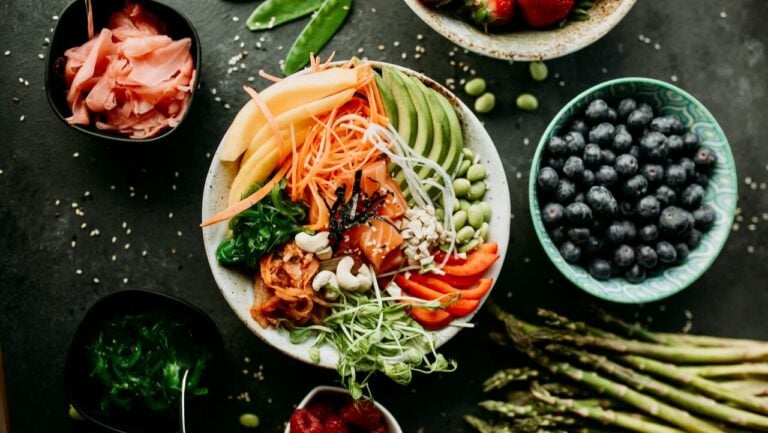
- Grain Bowl. Quinoa or rice base, roasted vegetables, a tahini or lemon-herb sauce, beans for vegans, grilled protein for omnivores, an optional yogurt or feta side. Easy keto dinner recipes for family adapt by skipping the grain.
- Pasta Night (with a parallel base). Two pots — one wheat pasta, one quality gluten-free pasta or polenta — with one shared sauce that’s naturally dairy-free (a tomato-olive oil base or a coconut-milk curry sauce). Cheese on the table.
- Mezze Spread. Hummus, baba ganoush, marinated olives, roasted peppers, cucumber, dolmas, grilled halloumi on a separate plate. Naturally vegan and gluten-free across most of the spread; halloumi is the omnivore add-on.
- Roast-and-Sides. One roasted centerpiece (chicken, lamb, salmon, or a roasted-vegetable casserole that reads as a centerpiece) with three flex sides — a grain, a roasted vegetable, a leaf salad — plus a dairy-free sauce on the table.
Martha Stewart’s editors document the same pattern in their potluck-and-assembly hosting guide — the assembly format reads as casual but the menu math is rigorous.
Real Simple’s dinner-party theme ideas catalog covers a parallel set of templates, each one already a base-layer-plus-topping structure.
|
Track Every Guest’s Dietary Needs |
What Never to Flex: The Three Dishes to Leave Alone
The framework has limits. Three courses do not flex well, and the right move is to serve a named parallel alternative for the restricted guest rather than pretending the flexible version is the same dish. Trying to flex these three is what wastes the hour the framework was supposed to save.
The Three Dishes to Serve in Parallel
The three dishes that do not flex:
- A leavened bread course. Gluten-free bread is a different texture, a different crumb, and a different baking timeline. If bread is the course (focaccia night, a Roman pizza spread), serve a clearly named gluten-free alternative — a polenta cake, a rice cracker plate — and tell the guest it’s their version of the course, not a substitute.
- A dairy-set custard or cheesecake. Crème brûlée, pot de crème, classic cheesecake — these set on the protein in dairy. A coconut-cream substitute changes the texture in a way most guests notice. Serve a different dessert (a sorbet, a flourless chocolate) for the dairy-free guest, named.
- A wine-pairing centerpiece protein. If the dinner is built around a specific cut and wine — a rib roast with a Bordeaux, a duck with a Burgundy — substituting the protein breaks the dinner’s premise. Serve the vegan guest a properly developed alternative main (a mushroom bourguignon, a roasted-vegetable Wellington) ahead of time so they know it’s their dish, not a placeholder.
Eating Well’s profile of Ina Garten’s make-ahead dinner-party menu makes the same point implicitly — the dishes she refuses to flex are the ones whose identity is the dish itself. Good Housekeeping’s editors echo this in their how-to-throw-a-dinner-party guide: tell the restricted guest about the parallel course ahead of time, name it as theirs, and the table stops reading the difference as an accommodation.
Done well, the framework gets every guest fed without three menus — and the three dishes you leave alone get the dignity of being their own course.
Frequently Asked Questions
Can one menu really work for every guest’s dietary restriction?
Yes. When the menu is built from components rather than fixed dishes. Each plate starts from a shared base (a roasted protein-or-grain, a sauce, a vegetable) and finishes with toppings the guest selects. Vegan, gluten-free, and omnivore guests assemble different plates from the same kitchen output, eating the same dinner together.
How do I plan a dinner party menu when guests have conflicting diets?
Start with the most restrictive guest, design the base layer to fit them, then add toppings that move every other guest up to their preferred plate. Avoid building three menus. That doubles your prep, splits the table socially, and signals which guest is the standout. A flexible menu hides the math from the room.
What’s an example of a flexible dinner party menu?
A taco bar is the canonical example: corn tortillas (gluten-free, vegan), grilled chicken (omnivore main), seasoned black beans (vegan main), three salsas, pickled vegetables, shredded cheese on the side, and a chopped salad. Every guest builds a personalized plate from one shared spread.
What dishes should I never try to flex for dietary restrictions?
Three: a leavened bread course (gluten swaps change the dish), a dairy-set custard or cheesecake (texture collapses without dairy), and a wine-pairing-driven main where the protein is the point. For these, serve a parallel alternative the restricted guest is told about ahead of time. Don’t pretend it’s the same dish.
How do I keep a mixed-diet menu from feeling like a buffet?
Plate the base layer at the kitchen counter, then bring two or three topping bowls to the table family-style. Guests still serve themselves, but the dish reads as one composed course: not a hotel chafing line. This preserves dinner-party pacing while keeping flex points visible.
What’s the easiest course to make work for every diet?
Appetizers. A crudité-and-dip plate, a charcuterie-or-cheese board built with a gluten-free cracker section, and a marinated-bean or olive bowl already pass for vegan, gluten-free, and most allergy filters. Start the night with two safe shared starters and the framework’s stakes drop dramatically.
Continue Reading:
More On Mixed-Diet Hosting
- How to Host a Mixed-Diet Dinner Party Confidently
- Easy Dairy-Free Dinner Recipes the Whole Table Loves
- Gluten-Free Dairy-Free Dinner Recipes: A Host’s Guide
- Easy Gluten-Free Dinner Recipes for Family Parties
- Dairy-Free Dessert Recipes Every Guest Will Love
- Easy Vegan Dinner Recipes for an Omnivore Table
- How to Ask Guests About Dietary Restrictions: Scripts
- Mixed-Diet Dinner Party Day-Of: A Host’s Playbook
More from The Gourmet Host
- How to Plan a Five-Course French Dinner Party Menu
- How to Host a 1920s Murder Mystery Dinner Party: Menu, Décor, and Game Guide
- Party Decoration Ideas That Set the Scene
- Dinner Party Seating: 6 Rules for the Host’s Chart
- Icebreaker Questions for Couples That Deepen Connection
Explore TGH Categories
- Set the Scene
- Drinks and Bar
- Plan the Meal
- Engage with Guests
- Games and Toasts
- Tools and Techniques
- Why We Gather