18 Dessert Bar Ideas for a Build-Your-Own Table
 14 min read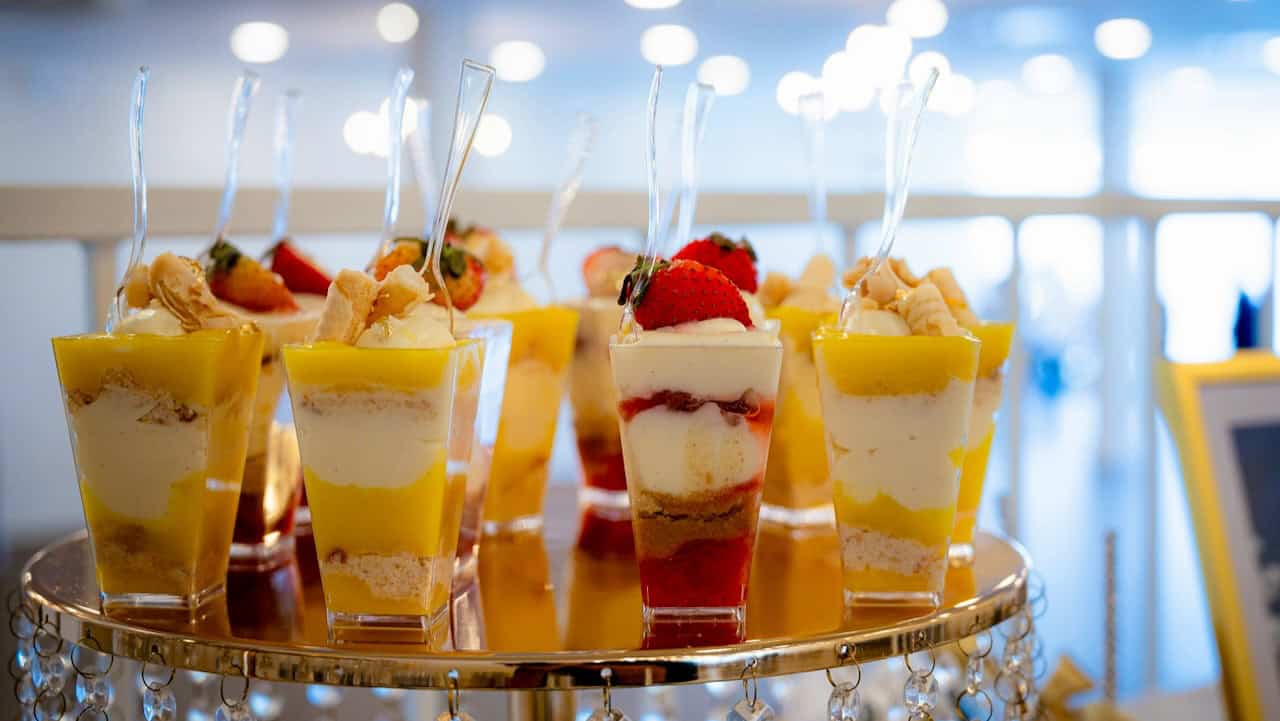
What turns a tray of sweets into something guests linger over, plate after plate? The answer is rarely the desserts themselves. It is whether they get to build the plate.
Hand a room a finished display and they take one polite slice. Hand them a self-serve dessert bar, a stack of small plates, and a topping station, and the same desserts pull people back for a second and third round, all evening. Across the next 18 dessert bar ideas you will find the mix of mini sweets, the build-your-own topping bar, the per-guest amounts, and the make-ahead batches that let one host feed a crowd without standing behind the table all night.
At a Glance
- It is interactive: a dessert bar lets guests assemble and top their own plates, which keeps the line moving and the room mingling.
- Mix the formats: combine bar cookies, mini sweets, fruit, and no-bake bites so every guest finds something to reach for.
- Build a topping station: sauces, whipped cream, fresh fruit, and sprinkles turn a few plain desserts into dozens of combinations.
- Plan the amount: three to four small pieces per guest when dessert is the main event, two to three after a full meal.
- Lean on make-ahead bars: cut-and-serve bar cookies and brownies scale for a crowd far more easily than individually plated desserts.
What Is a Build-Your-Own Dessert Bar?
A build-your-own dessert bar is a self-serve sweets station where guests assemble and finish their own plates from a spread of mini desserts and a separate topping section. It differs from a styled dessert table, which is usually pre-arranged and meant to be admired, then served whole.
The dessert bar puts the choosing in the guest’s hands: pick a brownie or a fruit skewer, add a drizzle of sauce, a spoon of whipped cream, a scatter of sprinkles, and the same handful of desserts becomes a dozen personal combinations. That interactivity is the wedge, and it is what makes the format scale so well for showers, parties, and casual gatherings.
Dessert Bar vs a Styled Grazing Table
Both formats spread sweets across a table, but they ask different things of your guests. A styled grazing table is arranged to be looked at first, a careful, abundant display you compose ahead of time.
A build-your-own dessert bar is arranged to be used: guests walk up, pick pieces, and finish them at a topping station. If you have hosted a grazing-style spread before, the dessert bar borrows its abundance but adds a job for every guest to do.
That single difference, assembly, changes how the night flows. A pre-plated display empties politely and stalls; people take one slice and step away.
A station where guests drizzle their own caramel and add their own berries draws them back for a second plate and keeps them talking over the bowls. The interactivity is what hosts of a party brunch already know works for savory food, and it carries straight over to sweets.
- Grazing table: pre-arranged, styled to admire, served as a whole; the host does the composing.
- Dessert bar: self-serve, built to assemble, finished by each guest at a topping section.
- Why it matters: the build-your-own format keeps the line moving and the room mingling instead of clustering at one tray.
- Best fit: showers, birthdays, holiday open houses, and any casual gathering where you want guests interacting.
For a 30-guest baby shower one spring afternoon, a single brownie tray plus a topping section of caramel, berries, and whipped cream kept guests circling back for nearly two hours, which a finished cake never manages. With the difference clear, the first decision is what sweets to put out.
|
Plan The Dessert Bar As Menu |
Choosing a Spread of Self-Serve Sweets
A strong dessert bar mixes formats so it reads full and gives every guest an easy first reach. Pair a cut-and-serve bar with a few mini single bites, add one fruit option for the lighter eaters, and finish with a no-bake batch you made days ago.
The best ideas for a dessert bar span chocolate, fruit, and crowd-friendly bar cookies, and these 18 dessert bar ideas are grouped so you can pick a handful and build out from there. A run of build-your-own food bar menus shows how varied a single station can get, and the best build your own dessert bar ideas always lean on a few make-ahead anchors.
Ideas 1 to 6: Bar cookies and brownies that cut clean
Cut-and-serve bars are the backbone of any crowd dessert bar because one pan yields two dozen tidy pieces and holds for days. A trusted chocolate chip cookie bar gives you cookie flavor without scooping a hundred individual cookies.
- Chocolate chip cookie bars. The all-ages anchor; bakes in one pan and cuts into squares for the largest crowds.
- Fudgy brownies. The chocolate centerpiece; cut small so guests can pair one with a fruit option.
- Lemon bars. A bright, tart counterpoint to all the chocolate; the powdered-sugar top reads festive.
- Blondies. Brown-sugar warmth with no cocoa; the friendly choice for guests who skip dark chocolate.
- Seven-layer magic bars. Coconut, chocolate, and nuts in one rich square; a little goes far.
- Raspberry crumb bars. Jammy fruit under a buttery streusel; the prettiest cross-section on the table.
Ideas 7 to 12: Mini sweets and single bites
Small formats let guests take two or three without overcommitting, and they fill a tiered tray fast. A spread of easy fruit dessert bars and a few mini bites give the bar range beyond the brownie pan.
- Mini cupcakes. Two-bite size in two flavors; frosting holds up at room temperature for hours.
- Fruit skewers. Strawberry, melon, and grape on short picks; the freshest-looking thing on the table.
- Cookie assortment. Three kinds in a low basket so guests mix and match a small handful.
- Mini cheesecake bites. Single-serve in paper cups; rich enough that one satisfies.
- Brownie bites. Bite-size cubes for guests who want chocolate without a full square.
- Macarons or meringues. A light, gluten-free option that adds color and height to the spread.
Ideas 13 to 18: No-bake bites and themed extras
No-bake batches save oven space and hold beautifully, and a themed format gives a holiday bar its hook. A pan of churro bars brings cinnamon-sugar warmth to a winter or Christmas dessert bar without a single deep-fry.
- No-bake cookie dough bites. Edible dough rolled into balls; a guest favorite that needs zero baking.
- Rice cereal treats. Cut into squares and pressed firm; the easiest crowd dessert there is.
- Chocolate-dipped pretzels. Salty-sweet sticks that double as edible decor in a tall glass.
- Churro bars. Cinnamon-sugar squares; a themed pick for fall and Christmas dessert bar ideas.
- Cake pops. Stood upright in a block; playful, portion-controlled, and easy to grab.
- Trail-mix candy cups. Small cups of wrapped candy and dried fruit to fill gaps and stretch the table.
Pick eight to ten across the three groups rather than all 18, leaning on the bar cookies for volume and the mini bites for variety. Once the sweets are set, the topping station is what makes the bar interactive.
Add a Topping Bar Guests Build Themselves
The topping section is the part that earns the word bar. A small spread of sauces, fruit, and crunch turns a plain brownie into a dozen different desserts and gives guests the assembly job that keeps them at the table.
Set it at the end of the line, after the sweets, with small spoons in every bowl. A dessert bar styling approach treats this section as the visual anchor, not an afterthought.
- Sauces: warm caramel, chocolate ganache, and a fruit coulis in small pitchers for drizzling.
- Creamy: whipped cream and a bowl of vanilla yogurt or mascarpone for guests who want a softer finish.
- Fresh fruit: sliced strawberries, banana coins, and blueberries to lighten any chocolate piece.
- Crunch: toasted nuts, crushed cookies, mini chocolate chips, and sprinkles in lidded jars.
Keep wet and dry toppings apart so the sprinkles stay loose and the sauces do not splash the crunch. Small spoons beat shared knives at a station, since they cut down on drips and double-dipping.
A topping bar also doubles as a dietary fix: a bowl of fresh berries and a dairy-free coconut whip let restricted guests build a full plate alongside everyone else, an idea borrowed from how hosts build a healthy dessert bar. With the toppings sorted, the next worry is how much of all this you can prepare before guests arrive.
|
Hosting Tip: Cut the Bars the Day Of, Not the Night Before |
Make-Ahead Bar Cookies and Crowd Batches
Make-ahead is where the build-your-own dessert bar beats a plated dessert outright. Bar cookies, brownies, and no-bake bites all hold for a day or two airtight, which means the heavy baking happens before the day gets busy.
These easy dessert bars for a crowd are the best bar recipes for a crowd precisely because one pan portions into many clean pieces. A baker’s guide to bar dessert recipes shows how many formats follow the same press, bake, cool, cut rhythm.
Treat the pan as your unit of planning. A single nine-by-thirteen yields roughly 24 small squares, so two pans cover most of a 30-guest dessert bar before you add a single mini bite. Cool bars fully before cutting, and a baked bars guide from a trusted test kitchen explains why a chilled pan cuts far cleaner than a warm one.
- Bake brownies, blondies, and lemon bars up to two days ahead and store them airtight at room temperature.
- Save the no-bake bites for last, since cookie dough bites and cereal treats hold two to three days and need no oven.
- Freeze the surplus, as most bar cookies keep well for a week, which lets you bake across two calm evenings.
- Slice the cooled pans the morning of serving for clean edges and tidy, even pieces.
This is the same logic behind any good baby shower food spread, where almost everything is built to sit out and serve itself, and it is why a breakfast charcuterie board works on the same make-ahead principle. Once the batches are made, the only question left is how much to put on the table.
How Much Dessert to Plan Per Guest
Plan three to four small dessert pieces per guest when the dessert bar is the main sweet, and two to three when it follows a full meal. Counting in small pieces rather than full portions is the trick that keeps a build-your-own table from running short or burying you in leftovers. Variety in smaller sizes always beats fewer large servings on a self-serve bar.
From there, weight the count toward cut bars, which portion predictably, and let the mini bites and fruit fill in the edges. For a crowd of 24 treated to a dessert-forward afternoon, plan on roughly 80 to 96 small pieces total, which two full pans of bars plus a few mini-bite trays cover comfortably. The math from a dessert bar ideas catering view scales the same way whether you are feeding 12 or 60.
- Main-event sweets: 3 to 4 small pieces per guest across all formats combined.
- After a full meal: 2 to 3 small pieces per guest, since appetites are smaller.
- Bar-to-bite ratio: lean about 60 percent on cut bars for volume, 40 percent on mini bites and fruit for range.
- Round up: add 10 to 15 percent for big eaters and for the way a topping bar encourages a second plate.
Track the count in pieces as you shop and you will land close every time, with just enough left over to send a plate home with the guest who lingers. With the amounts settled, styling is what makes the whole table read full and inviting.
|
Track The Dessert Count While Shopping |
Styling the Table: Height, Labels, and Flow
A dessert bar that reads full relies on height as much as quantity. Cake stands, tiered trays, and a few risers under a tablecloth lift the back row so guests see every option at a glance, and the spread looks generous even on a budget. Group the desserts by type, set small plates and napkins at the start of the line, and put the topping station at the end so guests assemble last. This dessert table setup follows the same build order that keeps a savory buffet moving.
Labels do quiet, important work. A small tented card by each dessert names it and flags allergens, which spares restricted guests from asking and keeps the line from stalling. A holiday version of a dessert bar for any holiday leans on color-themed signage and seasonal props to tie a Christmas dessert bar together without extra baking.
- Stack risers and cake stands so the back of the table stays visible and the whole spread looks abundant.
- Set the build order with plates and napkins first, the sweets in the middle, and the topping station last.
- Give every dessert a tented card that names it and flags nuts, gluten, and dairy for restricted guests.
- Leave room on both sides of the table so two lines can serve at once when the crowd is large.
The same instinct guides hosts planning how to host a baby shower, where a self-serve spread does the work so the host stays in the room. Pull these moves together, height, clear labels, and a build order that ends at the toppings, and a handful of make-ahead bars turns into a station guests work their way through all evening, building a new plate every time they pass.
Frequently Asked Questions
How do you set up a dessert bar?
Build the dessert bar on varied heights using cake stands, tiered trays, and risers so guests can see everything. Group items by type, place a stack of small plates and napkins at the start, and add tongs or small spoons. Label each dessert and finish with a build-your-own topping section at the end.
What do you put on a dessert bar?
A dessert bar covers a mix of formats: bar cookies, brownies, mini cupcakes, fruit skewers, cookies, and a few no-bake bites. Add a topping station with sauces, whipped cream, fresh fruit, and sprinkles so guests customize. Aim for a range of chocolate, fruit, and lighter options to suit every guest.
How much dessert do I need per person for a dessert bar?
Plan three to four small dessert pieces per guest when the dessert bar is the main sweet, or two to three after a full meal. Offering more variety in smaller sizes works better than large portions. For a crowd, lean on cut bar cookies and brownies, which scale and portion easily.
What is the difference between a dessert bar and a dessert table?
A dessert bar is interactive, with self-serve sweets and a topping section guests build themselves, while a dessert table is often a styled, pre-plated display. The bar format invites guests to customize, which keeps the line moving and works well for casual gatherings, showers, and parties where mingling matters.
What are the best make-ahead desserts for a bar?
Bar cookies, brownies, lemon bars, and no-bake bites are the best make-ahead choices because they hold for a day or two and cut into clean, self-serve pieces. Prepare them ahead, store airtight, and cut the day of serving. They scale for a crowd far more easily than individually plated desserts.
How do I make a dessert bar look full without overspending?
Use tiered stands and risers to add height and visual volume, repeat a few inexpensive items in generous quantities, and fill gaps with bowls of wrapped candy or fresh fruit. A make-ahead batch of bar cookies covers the most plates for the least cost, while a topping station adds variety cheaply.
Continue Reading:
More On Food Bars and Stations
- 21 Taco Bar Food Ideas to Feed an Easy Big Crowd
- 15 Nacho Bar Ideas to Build a Crowd-Pleasing Spread
- 12 S’mores Bar Ideas for a Sweet DIY Dessert Station
- 14 Pasta Bar Ideas for a Fun Build-Your-Own Dinner
- 16 Mashed Potato Bar Toppings and Easy Setup Ideas
More from The Gourmet Host
- How to Create the Perfect Wine Pairing Menu for Any Dinner Party
- Essentials Series: Ingredients for a Well-Stocked Kitchen
- Party Outfit Themes That Match Every Dress Code Vibe
- Best Brunch Cocktails Beyond the Mimosa
- Retirement Party Food Ideas for the Whole Crowd
Explore TGH Categories
- Set the Scene
- Drinks and Bar
- Plan the Meal
- Engage with Guests
- Games and Toasts
- Tools and Techniques
- Why We Gather