18 Classic French Foods Every Confident Host Knows
 13 min read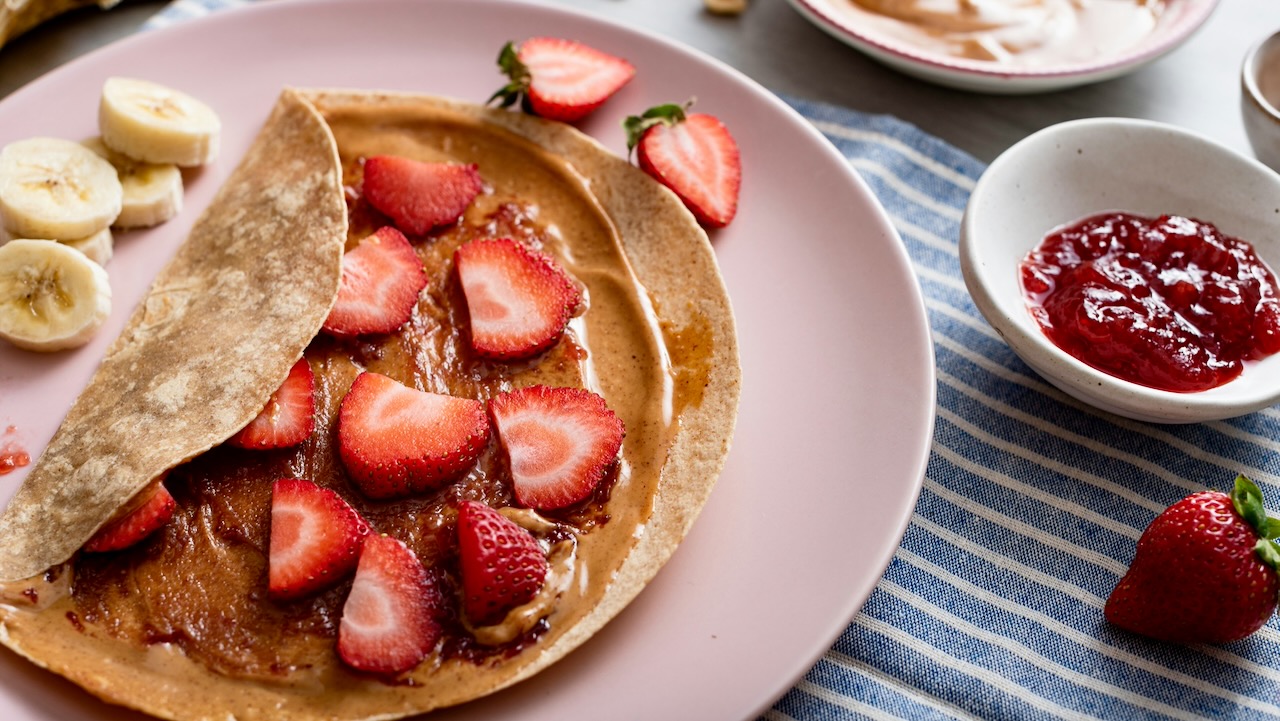
French food is less a cookbook than a shared vocabulary. Knowing what coq au vin, a proper baguette, and a wedge of Comté each signal lets a host place any dish on the table with intent rather than guesswork. The names carry the meaning: order, occasion, and the rhythm of a meal.
Treat these 18 foods as the words a confident host already commands. Some are weeknight-simple, some are weekend projects, and a few need no cooking at all. What follows runs from breads and breakfast icons through the great mains, then soups and bistro plates, the famous French dishes for dessert, and the cheese course that closes a French meal. Each entry carries one line on when it earns a place on your menu.
What You’ll Learn
- The 18 classic French foods worth recognizing on sight, grouped by where they land in a meal: bread, mains, bistro plates, sweets, and cheese.
- Which traditional French food cooks ahead and holds for a crowd (braises and soups) versus which is a last-minute, à la minute plate (steak frites, sole).
- Where each iconic French food fits your hosting calendar, from a 10-minute croque monsieur lunch to a weekend bouillabaisse for eight.
- Why France has no single national dish, and which popular French dishes get named as the closest stand-ins.
- How this list points to deeper TGH guides on the French main course, dessert, mini quiche, and the cheese board.
What Are the Classic French Foods?
Classic French foods are the dishes that recur across French homes and bistros so reliably that their names work as menu shorthand: baguette, coq au vin, French onion soup, crème brûlée, and the cheese course among them. For a host, the useful framing is not which dish is most authentic but which one fits the evening you are planning and the time you have to cook. The Good Life France’s take on the classic French dinner party makes the same point: the French treat these foods as relaxed staples, not performance pieces.
How to Use This List of Classic French Foods
Read this less as a bucket list and more as a sorting tool. Every food below belongs to one of two hosting categories: dishes you make ahead and reheat, and dishes you finish à la minute while guests wait. Knowing which is which is the single most useful thing a host can take from a list of traditional French food.
Three filters tell you fast where any French dish sits on your own calendar:
- Make-ahead or à la minute: a braise like beef bourguignon improves overnight; sole meunière has to hit the plate within minutes of the pan. The first suits a dinner party, the second suits a quiet two-top.
- Skill floor: ratatouille and French onion soup forgive a beginner; macarons and croissants punish one. Match the dish to the cook, not the other way around.
- Course slot: bread opens, soup or a starter follows, a main anchors, cheese bridges to dessert. Each entry below is tagged with the slot it fills.
France’s range is the reason no single dish defines it. Cellar Tours’ guide to French regional cuisine maps how Normandy butter, Provençal vegetables, and Burgundy wine each pull the national table in a different direction. For hosts who like to plan a whole evening around one country, our guide to culinary passports for traveling the world from your kitchen applies the same logic across cuisines.
With the sorting rules set, the list opens where a French day does: with bread.
|
Collect The French Classics You Love |
French Breads and Breakfast Icons
These four foods open the French day and double as the easiest entry points for a host. Three are bought, not baked, which is exactly why they belong in any beginner’s repertoire. CNN’s survey of 20 classic French dishes to try starts in much the same place, with the breads and morning plates that travelers meet first.
- Baguette — the spine of a French meal, served with everything from soup to cheese. Buy it the same day, warm it 5 minutes at 350°F, and it carries half the table on its own.
- Croissant — the laminated-butter pastry that anchors a French breakfast. For a host, a bakery croissant with good jam and coffee is a flawless low-effort brunch course for guests staying over.
- Crêpes — thin batter pancakes, savory with ham and Gruyère or sweet with sugar and lemon. The batter rests an hour, then cooks in 90 seconds a side, which makes a crêpe bar a fun interactive course.
- Croque monsieur — a grilled ham and cheese under béchamel, broiled until bubbling. It plates in 10 minutes and turns a casual lunch into something that reads as a proper bistro plate.
Crêpes are the one entry here worth learning to make by hand, since the technique transfers to dozens of dishes. Le Chef’s Wife’s set of classic French recipes to make at home walks the batter-handling step that trips up first-timers. The relaxed, no-fuss spirit behind these staples is the same one in The Good Life France’s classic French dinner party guide.
Once bread and the breakfast plates feel routine, the table is ready for the dishes France is most famous for: the great mains.
The Great French Mains
The centerpiece dishes are where France’s reputation for slow, confident cooking lives. Four of these five are braises or confits that cook low, hold for days, and reheat without losing a thing, which is exactly why they suit a host feeding a crowd.
The make-ahead braises and confits
- Coq au vin — chicken braised in red wine with mushrooms, bacon, and pearl onions. The easiest French main for a dinner party because it tastes better the next day and reheats while you pour the aperitif.
- Beef bourguignon — Burgundy’s beef braise, simmered three hours until the meat shreds. Chef Jean-Pierre’s beef bourguignon recipe covers the browning steps that separate a deep braise from a pale stew.
- Cassoulet — the slow-baked white bean, sausage, and duck casserole of the southwest. A weekend project for cold-weather hosting; it serves eight and rewards a day of patience.
- Duck confit — duck legs cured in salt, then cooked slowly in their own fat. Cure days ahead, crisp the skin in 15 minutes before serving, and the centerpiece is effectively done before guests arrive.
The à la minute exception
- Steak frites — seared steak with hand-cut fries, the bistro main that cannot wait. Best for two to four guests, since the pan and the fryer both demand last-minute attention you cannot give a full table.
The split here is the whole lesson: braises free the host, while steak frites tethers one to the stove. Le Léonce Chenal’s favorite French recipes leans hard on the make-ahead column for exactly that reason. For the full course-by-course treatment of these centerpieces, our deep guide on the French main course is linked at the end, but the bistro register has more to offer than mains alone, which is where soups and starters come in.
|
Plan A French Main Course Menu |
Soups, Starters, and Bistro Plates
This is the most useful group for a host, because it spans the easiest dishes in the French canon and the most impressive one. Six foods here cover a starter, a vegetable course, a showpiece soup, and two plates that can carry a whole casual meal. Amazing Food and Drink’s guide to iconic French dishes runs from country fare to haute cuisine, and these bistro plates sit right in the middle.
The crowd-friendly starters and sides
- French onion soup — deeply caramelized onions in beef broth under a raft of melted Gruyère. Make the soup base ahead, then broil the cheese tops to order. A forgiving, dramatic starter for a cold night.
- Quiche Lorraine — a custard tart of bacon and Gruyère in a buttery crust. It serves warm or room temperature, which makes it the most flexible brunch or light-dinner plate in the French repertoire.
- Ratatouille — the Provençal stew of eggplant, zucchini, peppers, and tomato. Vegetarian, make-ahead, and the friendliest French dish for a beginner cook to nail on the first try.
- Salade niçoise — composed salad of tuna, green beans, olives, eggs, and potatoes. A complete summer lunch that needs no oven and assembles in the 20 minutes before guests sit down.
The showpiece and the conversation piece
- Bouillabaisse — Marseille’s saffron seafood stew, served with rouille and toasted bread. A weekend showpiece for eight; the broth is the project, the fish goes in at the last moment.
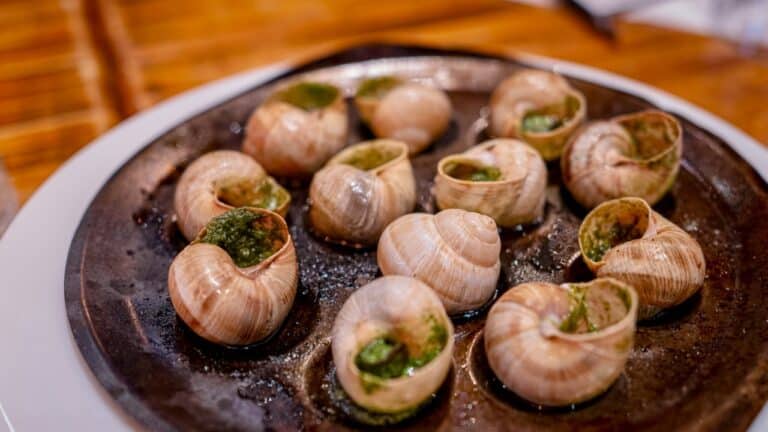
- Escargot — snails baked in garlic-parsley butter, served by the half-dozen. More icebreaker than entrée, it makes a memorable shared starter for guests in an adventurous mood.
Quiche is the sleeper of this group, scaling down to party-size bites as easily as it scales up to a full tart. Our Modern Kitchen’s list of French classics for your repertoire puts the same bistro plates at the center of a home cook’s working knowledge. For hosts who want to build a whole night around one country, our walkthrough of an Italian themed dinner party to host with style shows the structure transferring cleanly.
After the savory courses, French cooking saves some of its best-known names for the end of the meal: the sweets.
|
Share The Starter Shopping List Cleanly |
Iconic French Sweets
French dessert covers a wide skill range, from a custard a beginner can finish to a meringue shell that defeats most home bakers. These three are the names worth knowing, ranked here by how much they ask of the host.
- Crème brûlée — vanilla custard under a torched-sugar crust. Made entirely ahead, it holds two days in the fridge, and the only live step is caramelizing the top as guests finish the main. The lowest-stress showpiece dessert in the canon.
- Tarte Tatin — an upside-down caramelized apple tart. A genuine baking project, but one that rewards a single careful afternoon and reheats gently for serving. A confident weekend close to an autumn menu.
- Macarons — almond meringue sandwiches with a precise, finicky shell. The hardest item on this entire list to make well, which is why most hosts buy them and let a box of color do the talking on a dessert platter.
The honest hierarchy is the point: crème brûlée flatters a beginner, macarons humble an expert. Berlitz’s survey of iconic French dishes and food culture places these sweets in the wider story of how France eats, and Full Suitcase’s deep guide to traditional French foods maps where each one belongs across a day of eating. A French meal rarely ends on sugar alone, though, because one savory course still waits between the main and the dessert: the cheese.
Why Is There No Single French National Dish?
France names no official national dish, and the reason is the same one that makes its food so deep: every region cooks its own canon. Pot-au-feu, the slow-simmered beef and vegetable stew, gets cited most often as the closest stand-in, with coq au vin and beef bourguignon close behind. The country’s diversity is the answer, not a gap.
That same regional pride explains the final classic on this list, the one course that is not a single dish at all:
- French cheese — the course served after the main and before dessert, drawn from hundreds of regional varieties: Brie and Camembert (soft), Comté (semi-firm), Roquefort (blue), Munster (washed-rind), and fresh chèvre. Three to five cheeses, mildest to strongest, make the course.
- Onions, garlic, and good butter — the quiet backbone under coq au vin, onion soup, and nearly every braise above. Knowing your alliums is half of French cooking.
If one ingredient deserves a host’s study, it is the onion that caramelizes into French onion soup and sweetens every braise. Our guide to the types of onions every smart home cook should know covers the differences that matter at the stove.
And because a French meal is as much about what is in the glass as on the plate, our drinks-by-country host’s guide to 12 cuisines sets the pairings for an evening like this. Learn these 18 foods and the deeper skill follows close behind. The complete cooking techniques list for confident home hosts is the next step for anyone ready to move from recognizing these dishes to cooking them with ease.
Frequently Asked Questions
What are the most classic French foods?
The most classic French foods include baguette, croissant, coq au vin, beef bourguignon, ratatouille, French onion soup, quiche Lorraine, croque monsieur, crepes, steak frites, tarte tatin, macarons, and creme brulee. These dishes appear across French homes and bistros and form the core vocabulary any host should recognize.
What is France’s national dish?
France has no single official national dish, but pot-au-feu, a slow-simmered beef and vegetable stew, is often named the closest. Coq au vin and beef bourguignon are also cited as defining French dishes. The country’s regional diversity is the reason no one plate holds the title outright.
What French foods are easy to serve at home?
Easy French foods to serve at home include quiche, ratatouille, French onion soup, croque monsieur, and a cheese course. Each one uses common ingredients and scales for a table. Braises and soups can be made ahead, while a cheese plate and crusty baguette need no cooking at all.
What is the difference between French food and bistro food?
French food is the broad national cuisine, while bistro food is the casual, hearty subset served in small neighborhood restaurants. Bistro classics like steak frites, croque monsieur, and onion soup are simpler and quicker than haute-cuisine preparations, which makes them the most practical models for home hosts.
What French dishes should a beginner cook learn first?
A beginner should start with ratatouille, quiche Lorraine, and crepes, then move to a braise like coq au vin. These build the core French techniques of slow vegetable cooking, custard setting, and batter handling. Once braising feels comfortable, beef bourguignon and cassoulet follow naturally.
Are French foods hard to make?
Most classic French foods are not hard, just patient. Braises and soups reward slow cooking rather than complex skill, and dishes like quiche and ratatouille are forgiving. The reputation for difficulty comes from pastry work such as macarons and croissants, which the rest of the repertoire does not require.
Continue Reading:
More On French Entertaining
- How to Plan a Five-Course French Dinner Party Menu
- 12 French Dessert Recipes for Easy Entertaining
- 7 Classic French Main Dishes for Confident Hosts
- 15 Crowd-Pleasing Mini Quiche Recipes for Parties
- How to Build a French Cheese Board Course at Home
More from The Gourmet Host
- 50 Music Trivia Questions to Test Your Whole Party
- Dinner Party Hosting Etiquette: The Only Guide You Actually Need
- Meal Ideas for Picky Eaters the Whole Family Loves
- The Best Meal Train Apps to Organize Group Meals
- Japanese Drinks: Sake, Highball, Yuzu, Calpis (Plan)
Explore TGH Categories
- Set the Scene
- Drinks and Bar
- Plan the Meal
- Engage with Guests
- Games and Toasts
- Tools and Techniques
- Why We Gather