Tea Sandwiches: 12 Classic Fillings for Tea Time
 13 min read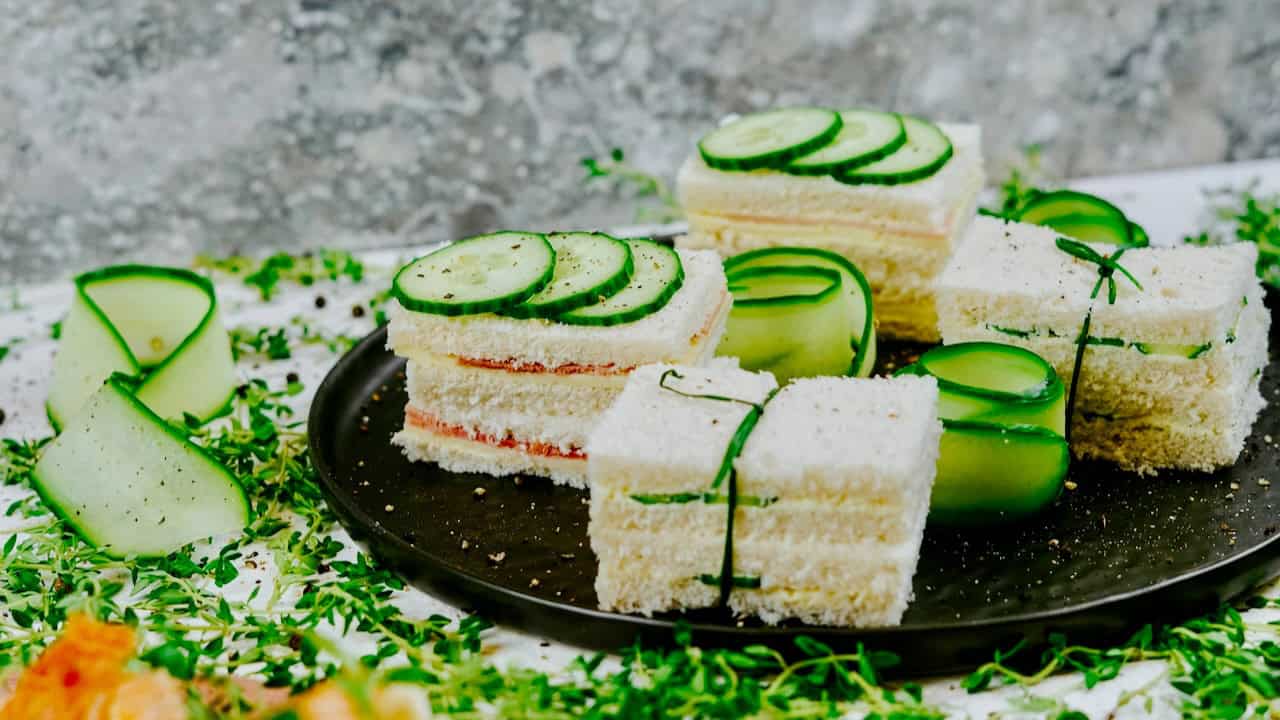
One paper-thin slice of cucumber, salted and patted dry, is the difference between a sandwich that stays crisp for two hours and one that turns to mush on the stand. That small habit reveals what tea sandwiches really reward: not a clever recipe, but the quiet mechanics of bread, butter, and a filling kept in proportion. Ahead, you will find 12 classic fillings sorted from the most delicate to the heartiest, plus how to choose the bread, cut clean fingers, gauge how many each guest needs, and keep the whole platter fresh from first pour to last cup.
At a Glance
- Tea sandwiches are small, crustless finger sandwiches built on soft bread with a thin, even filling, meant to be eaten in two bites.
- Plan three to four sandwich halves, or six to eight fingers, per guest, with two or three different fillings for variety.
- The cucumber tea sandwich is the signature; salting and drying the slices keeps the bread from going soggy.
- Butter both slices to the edges so the spread seals the bread and stops wet fillings from soaking through.
- Chill the assembled stack, then cut with a long serrated knife for neat fingers, triangles, or rounds.
- Assemble a few hours ahead and hold under a barely damp cloth so the savoury tier stays soft until guests sit.
What are tea sandwiches, in one bite
Tea sandwiches are the small, crustless finger sandwiches that anchor the savoury course of afternoon tea, built for delicacy rather than appetite. For a host, the point is not feeding a crowd but giving each guest something light enough to enjoy between sips, so the bread is thin, the filling is restrained, and the cut is neat. What separates a real tea sandwich from a shrunken lunch sandwich is proportion and finish: even spreading, sealed edges, trimmed crusts, and a size that disappears in two bites.
What makes a sandwich a tea sandwich
Scale and restraint are what turn an ordinary sandwich into a tea sandwich. Where a lunch sandwich is built to satisfy, a tea sandwich is built to charm: a single, thin layer of filling between two slices of soft bread, trimmed of its crusts and cut into fingers, triangles, or rounds. The whole point is delicacy, a bite or two that sits lightly alongside a cup of tea, closer in spirit to a relaxed lunch with friends than to a full midday meal.
The form has a long history. The afternoon-tea ritual grew up around light bites meant to bridge the long gap between lunch and a late dinner, and the savoury tier of small sandwiches became its backbone. That heritage still sets the brief today: small, soft, and served cool.
A few traits hold across every good tea sandwich, whatever the filling inside:
- Soft, fine-crumb bread, sliced thin so the filling, not the bread, leads each bite.
- A thin, even filling that spreads to the edges without bulging or sliding out when cut.
- No crusts, trimmed in clean straight cuts so the finished shape looks intentional.
- A two-bite size, roughly a finger or a small triangle, light enough to eat without a plate on the lap.
- Buttered edges that seal the bread and keep moisture where it belongs.
If you have ever wondered what tea sandwiches are versus a normal sandwich, that list is the answer: same idea, miniaturised and finished with care. Hold those traits steady and the filling becomes a matter of taste, which is where the fun starts.
|
Collect Every Filling In One Cookbook |
The classic cucumber tea sandwich, the signature
No filling says afternoon tea quite like cucumber. It is the one most guests expect, the lightest on the platter, and the easiest to get wrong, because cucumber holds water and water is the enemy of soft bread. Get the moisture under control and you have the cleanest, crispest bite on the stand.
The fix is simple. Slice the cucumber thin on a mandoline or with a steady hand, lay the slices on a clean towel with a light scatter of salt, and let them sit for ten minutes before patting them dry. Classic cucumber sandwiches from a trusted home kitchen follow exactly this rhythm, and the crispness lasts.
For ingredient prep, cucumber recipes and tips from a reliable food authority cover how to choose a firm, seedless cucumber that slices cleanly.
Build a cucumber sandwich in this order so the moisture never reaches the crumb:
- Butter first: coat both slices of soft white bread right to the edges.
- Add a thin film: spread plain or herbed cream cheese on one slice if you want the layers to grip.
- Layer the cucumber: arrange the salted, dried slices in a single overlapping sheet, then season with a pinch of salt and a turn of white pepper.
- Top and finish: press gently, trim the crusts, and cut into three neat fingers.
A whisper of fresh dill or mint lifts the whole thing, and an alternate cucumber method and spread shows how a yogurt-based spread keeps it bright without heaviness. Master this one and the rest of the tier feels easy by comparison.
12 fillings, from delicate to hearty
A good savoury tier moves from light to substantial, so guests can graze in a natural arc rather than hitting the heaviest bite first. Below are 12 classic tea sandwiches recipes worth keeping in rotation, ordered from the most delicate to the most filling. Pick three or four that span vegetable, egg, fish, and meat, and you have a balanced platter.
The delicate end: vegetable and herb fillings
- Cucumber and cream cheese: the signature, cool and crisp, the lightest start to the tier.
- Radish and butter: peppery thin radish on salted butter, French in spirit and very pretty.
- Herbed cream cheese: soft cheese whipped with chives, dill, and parsley for a green, fresh bite.
- Watercress and butter: a peppery classic that needs nothing but good butter and a little salt.
These open the tier on a fresh note. For a broader sweep of fresh sandwich ideas to riff on, a sandwich recipe collection from a UK food authority is a good well to draw from. If you want the savoury tier to need no stove at all, the same logic that powers our easy cold appetizers that need zero cooking applies neatly to a no-cook sandwich board.
The middle ground: egg and cheese fillings
- Egg and cress: soft-set chopped egg bound with mayonnaise and topped with peppery cress, the most British of the set.
- Egg salad with chive: a richer egg filling brightened with mustard and snipped chives.
- Cheddar and chutney: sharp grated cheddar with a thin smear of fruit chutney for a sweet-savoury bite.
- Cream cheese and cucumber ribbon: a layered version that splits the difference between the cucumber and cheese camps.
The hearty end: fish and meat fillings
- Smoked salmon and cream cheese: silky salmon with a squeeze of lemon, the most elegant of the heartier bites.
- Coronation chicken: lightly curried chicken with sultanas, a beloved finger-sandwich staple.
- Ham and grainy mustard: thin-sliced ham with a sharp mustard butter, the most substantial of the tier.
- Prawn and lemon mayonnaise: sweet prawns in a lemony bind for a coastal, celebratory finish.
For tested versions of these classics to follow exactly, English tea sandwiches walks through several of the fillings above, while assorted English tea sandwiches shows how to build the full assortment as one cohesive platter. If tea sandwiches lead you toward a wider spread, our guide to easy dinner party appetizers your guests will love carries the same small-bite thinking into bigger gatherings. Choose your spread, then turn to the foundation that carries it: the bread.
|
Hosting Tip: Salt and Dry Wet Fillings 10 Minutes Before You Build |
Choosing and prepping the bread
Bread is the quiet workhorse of every tea sandwich, and the wrong loaf undoes a good filling. You want a soft, fine-crumb sandwich loaf, white or wholemeal, sliced thin and even. A dense artisan crumb fights the filling; a fluffy supermarket loaf cuts cleanly and lets the spread lead.
Counterintuitively, day-old bread is your friend here. A loaf that has firmed up overnight slices more cleanly and holds a thin layer of filling without tearing, where fresh bread drags and squashes under the knife. If you only have a fresh loaf, chill it for twenty minutes before slicing to firm the crumb.
A short checklist keeps the foundation right:
- Slice thin, around a quarter inch, so two slices plus filling stay light in the hand.
- Butter both inner faces with softened butter to seal the crumb against wet fillings.
- Mix colours, a white and a wholemeal version of the same filling, for visual variety on the stand.
- Keep the slices covered under a damp cloth as you work, since exposed bread dries within minutes.
Loose-leaf tea sits alongside all of this, and a quick read on getting to know loose leaf tea helps you pick a brew that flatters savoury bites rather than fighting them. With the bread sorted and buttered, the next move is the part most home cooks rush: the cut.
How to cut, de-crust, and shape them
Clean edges are what make a plate of tea party finger sandwiches look finished rather than homemade-in-a-hurry. The technique is undramatic and worth doing right: chill, trim, then slice with a long, sharp serrated knife and a gentle sawing motion. Pressing down crushes the layers; sawing keeps them intact.
Chilling the assembled stack for fifteen minutes firms the filling so the knife glides instead of dragging. Trim all four crusts first in straight cuts, then decide on a shape. The shape you choose sets the whole presentation, so match it to the filling and the stand.
- Fingers: three rectangles per sandwich, the most classic and the easiest to eat standing.
- Triangles: two diagonal cuts into four, a pretty option for layered or coloured fillings.
- Rounds: a small cutter for open-faced cucumber or salmon, elegant but more wasteful of bread.
- Pinwheels: rolled flat bread with a soft filling, sliced into spirals for variety.
Wipe the blade between cuts so the edges stay clean and the fillings do not smear across the bread. For the broader question of how to make tea sandwiches that hold their shape on a platter, tea party food ideas place the sandwiches within the wider spread so you can judge portions and presentation together. The arranging instincts behind a good board, covered in our take on building party food platters for any gathering, carry straight over to a tiered tea stand.
Once they are cut, the last challenge is keeping them as fresh as the moment you assembled them.
|
Plan The Tea Spread And Its Shopping |
Make-ahead and keep-fresh tactics for hosts
Sandwiches for an afternoon tea party should be made close to serving, but close does not mean frantic. With a little staging, you can have everything cut and waiting without the bread drying out or the fillings sliding. The savoury tier tends to vanish faster than the sweets, so plan a few extra.
Spread the work across two days. Make the fillings the night before, since most hold beautifully in the fridge, then assemble the morning of so the bread spends as little time built as possible. The same staging drives our wider playbook for make-ahead appetizers for stress-free hosting, which is worth a read if you host often.
To learn which brews suit savoury fillings is worth a glance the night before too, so the tea is decided before guests arrive.
These tactics keep tea time cucumber sandwiches and the rest of the tier soft and bright:
- Cover the assembled stacks with a barely damp cloth, then plastic wrap, and refrigerate until serving.
- Assemble no more than a few hours ahead so the bread never has time to stale under wrap.
- Bring them out just before guests sit, since the savoury tier shines coldest and freshest.
- Hold cut sandwiches flat, not stacked on edge, so the fillings stay put and the shapes stay sharp.
Plate them on the bottom tier with the lightest fillings forward and the heartiest at the back, so guests graze in the order the tier intends. Done this way, the savoury course carries itself for the full sitting, leaving you free to pour the next pot and enjoy your own afternoon tea rather than hovering over the platter.
Frequently Asked Questions
What are tea sandwiches?
Tea sandwiches are small, crustless finger sandwiches served at afternoon tea. They use soft bread, a thin even filling, and are cut into neat fingers, triangles, or rounds. The point is delicacy: light enough to eat in two bites between sips of tea, never a full meal.
How many tea sandwiches do you need per person?
Plan three to four sandwich halves, or six to eight fingers, per guest as the savoury course of an afternoon tea. Offer two or three different fillings so each guest gets variety. Make a few extra, since the savoury tier tends to disappear faster than the sweets.
What bread is best for tea sandwiches?
Use a soft, fine-crumb sandwich loaf, white or wholemeal, sliced thin. The bread should hold a filling without overpowering it, so day-old bread cuts more cleanly than fresh. Lightly butter both slices to the edges; the butter seals the bread and stops wet fillings from soaking in.
How do you keep tea sandwiches from drying out?
Cover assembled sandwiches with a barely damp clean tea towel, then plastic wrap, and refrigerate until serving. Butter to the edges acts as a moisture seal. Assemble no more than a few hours ahead and bring them out just before guests sit, so the bread stays soft.
What are good tea sandwich fillings besides cucumber?
Beyond cucumber, classics include egg and cress, smoked salmon with cream cheese, coronation chicken, ham and mustard, and a sweeter cream cheese with herbs. Aim for a mix of one vegetable, one egg, one fish, and one meat filling so the savoury tier feels balanced.
How do you cut tea sandwiches neatly?
Chill the assembled sandwich first, then use a long, sharp serrated knife and a gentle sawing motion. Trim the crusts off in straight cuts before slicing into fingers or triangles. Wipe the blade between cuts so the edges stay clean and the fillings do not smear.
Continue Reading:
More On Afternoon Tea
- How to Host an Afternoon Tea Party in 7 Easy Steps
- Scones for Afternoon Tea: A Foolproof 6-Step Recipe
- High Tea vs Afternoon Tea: What Sets Them Apart
- Tea Party Menu: A 3-Tier Plan for Afternoon Tea
- Garden Tea Party Themes: 9 Ideas to Set the Mood
More from The Gourmet Host
- Fun Wine Tasting Games to Play at Your Next Party
- The Ultimate Dinner Party Planning Checklist (Time-Stamped)
- Types of Salt and Which Dishes Each One Belongs On
- Feast for the Ears: The Perfect Soundtrack to Enhance Your Dinner Party
- Brunch Setup Ideas: Creative Table Setting Decor for Home
Explore TGH Categories
- Set the Scene
- Drinks and Bar
- Plan the Meal
- Engage with Guests
- Games and Toasts
- Tools and Techniques
- Why We Gather