Christmas Dinner Party Food: A Sit-Down Menu Plan
 12 min read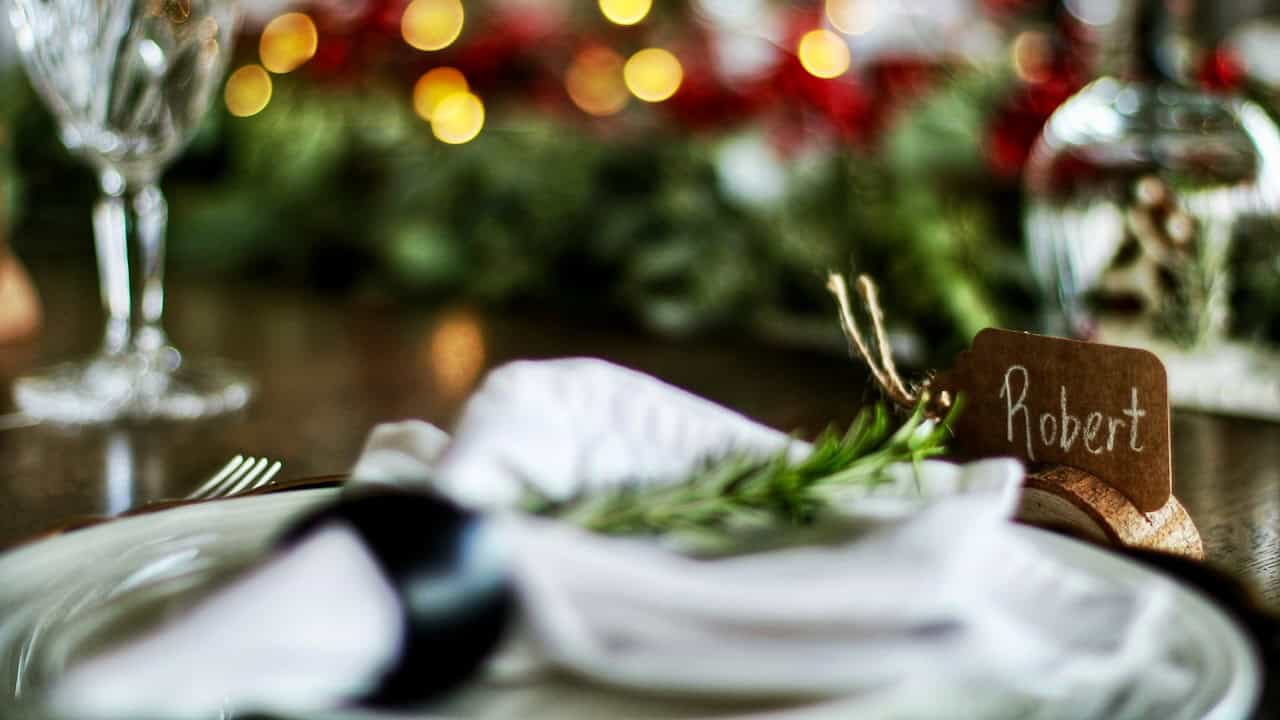
Timing, not the number of dishes, is what makes or breaks a sit-down holiday meal. A crowded menu that all needs the oven at once will sink the night faster than a short, well-timed one ever could.
A simple five-slot frame (one starter, one main, three sides, one dessert) settles the menu so you stop browsing recipes and start cooking something that finishes on time.
Fill each slot once and the per-guest amounts and the cook order fall into place behind it. Count about one pound of bone-in roast per adult, choose a main that carves at the table, rest it while the sides reheat, and build the dessert the night before so the day stays calm.
This builds a make-ahead Christmas dinner party food menu on that frame so you sit down with your guests, not alone at the stove.
At a Glance
- Christmas dinner party food fits a five-slot frame: one starter, one main, three sides, and one dessert.
- Choose a roast that carves at the table, then scale sides and a vegetarian option to the guest count.
- A common rule of thumb is about one pound of bone-in roast per adult, plus two or three sides per person.
- Make the menu in stages: starters and sides ahead, then focus oven time on the main.
- Rest the roast while sides reheat, and serve a dessert built the night before.
- Match the starter to contrast the main, and warm the plates so the first course lands hot.
What Is Christmas Dinner Party Food?
Christmas dinner party food is a sit-down, plated menu served in courses for a seated holiday gathering, rather than a self-serve spread of bites. It centers on a carved roast main with festive sides and a defined start and finish, so the meal moves from a light starter through the main to a dessert. The defining trait is structure: food for Christmas dinner party menus is planned as a sequence of courses with a timing plan, which is what lets a host serve a hot main without abandoning the table.
Grazing boards and one-bite snacks belong to a stand-up party, not a seated dinner. A sit-down menu trades variety for a clear, satisfying progression of courses.
Keep the course count modest so the kitchen stays manageable. A starter, a main, and a dessert is a complete dinner, and three well-cooked dishes beat six rushed ones every time.
Why the Timing Plan Comes Before the Recipes
Build the timing plan before you pick a single recipe, because a sit-down dinner fails when the main and the sides all want the oven at the same hour. Treat the menu as a schedule.
- Reverse from serving time: set the moment you want to plate, then work each dish backward from there.
- Protect the main’s slot: give the roast its oven window, then fit sides around the rest and the rest.
- Use the resting time: while the roast rests, reheat sides and finish the starter so everything lands hot.
TGH’s step-by-step guide to hosting a dinner party maps this kind of schedule, and menu collections like RecipeTin Eats’ Christmas dinner menus come pre-sequenced. With the timing set, name the slots the menu needs.
The Core Inventory: Five Slots in a Sit-Down Menu
A sit-down menu fills five clear slots. Name them and the menu writes itself, since each slot finishes on a different timeline.
- A starter: a light first course like shrimp cocktail or baked brie to open the meal.
- A roast main: prime rib, glazed ham, or roast turkey that carves at the table.
- Three sides: a potato dish, a green vegetable, and a casserole that reheat in stages.
- A vegetarian option and dessert: a hearty bake for non-meat eaters and one make-ahead sweet to close.
A perfect prime rib roast anchors the main, and a list of the best Christmas mains and entrées offers alternatives. For more centerpiece ideas, TGH’s main course ideas that wow dinner party guests help.
Fill each slot with one dish, not a backup. A single confident choice per slot keeps the menu balanced and the prep list short, while a second main or a fourth side just crowds the oven.
Choose the main first, then build the four other slots to complement it. A rich prime rib wants lighter sides, while a glazed ham pairs with something starchy, so the centerpiece sets the tone for everything else. With the slots named, the next question is how much to make.
|
Fill Five Slots With Confidence |
How Much Christmas Dinner Party Food to Make Per Guest
Run the portion math before you cook so every plate is full and the roast does not run short at the table. The figures below are common rules of thumb, and a seated meal needs heartier portions than a grazing party.
- Plan about one pound of bone-in roast per adult, or half a pound boneless, rounding up so seconds are covered.
- Count two or three side servings per guest across the three side dishes combined, weighted toward the make-ahead casseroles.
- Add a vegetarian main sized for the non-meat eaters plus a little extra, since meat eaters will sample it.
- Plan one dessert that serves everyone, plus a couple of spare slices, since holiday appetites finish strong.
Size up the roast rather than down, because a larger cut cooks more evenly and the leftovers carry into next-day meals. A bone-in roast also holds heat longer through the carving and serving, which a tight portion never does.
For a fuller breakdown of courses and amounts, TGH’s guide to planning a dinner party menu scales the slots to any headcount. With amounts set, start with the first building block.
Selection: The Roast Main as Your First Block
Lead with the roast main, because it sets the timeline and feeds the table from one centerpiece. Pick something that carves cleanly and rewards a resting window.
- Prime rib: a rich, impressive roast that carves into generous slices at the table.
- Glazed ham: the most forgiving main, sliced ahead and held warm without drying out.
- Roast turkey: a classic centerpiece that feeds a crowd and carves into white and dark meat.
A juicy roast turkey or Jamie Oliver’s ultimate roast turkey both carve well after a proper rest.
If turkey is your centerpiece, a reliable method matters more than a fancy one. An easy roast turkey recipe, a foolproof roast turkey recipe with timings, and a chef’s essential Christmas turkey all give a moist bird with a clear schedule. With the main set, pair it with the sides that complete each plate.
Pairing Festive Sides With the Roast
Balance the roast with three sides that finish in stages, mixing make-ahead with last-minute. The pairing is what turns a centerpiece into a full plate.
- A potato dish: scalloped or mashed potatoes that hold warm while the roast rests.
- A green vegetable: green bean casserole or roasted Brussels sprouts for color and balance.
- A sweet casserole: sweet potato casserole prepped ahead and baked while the main rests.
- A bread or stuffing: dinner rolls or a make-ahead stuffing that fills out the plate and soaks up the gravy.
Stagger the sides so only one needs the oven at serving time. Casseroles can bake during the roast’s rest, the green vegetable finishes on the stovetop, and the potatoes hold warm, which keeps a single oven from becoming the bottleneck.
A pan of sweet potato casserole and a green bean casserole both assemble ahead and reheat on schedule. With the main and sides paired, the smaller courses round it out.
|
Hosting Tip: Use the Roast’s Resting Time |
Accompaniments That Open and Close the Meal
Round the main and sides out with a light starter, a bread, and a make-ahead dessert, a short list that bookends the meal. These complete the courses without adding oven crunch.
- Shrimp cocktail: a cold, no-cook starter served before guests sit.
- Baked brie or stuffed mushrooms: a warm starter if you want one hot first course.
- Dinner rolls: a basket of warm bread to round out each plate.
- Cranberry sauce: a make-ahead condiment that cuts the richness of the roast.
- A small cheese board: an optional grazing course with drinks before the meal, kept light so it does not crowd the courses to come.
- A make-ahead dessert: a trifle, pie, or chilled sweet built the night before.
Choose the starter to contrast the main, not echo it. A cold shrimp cocktail wakes up the palate before a rich roast, while a warm baked brie suits a lighter turkey, so the two courses build rather than repeat.
For a cozy seasonal setting around the meal, TGH’s winter dinner party ambiance and menu ideas set the mood. With the courses filled, the cooking order keeps it on schedule.
What Order Should You Cook a Christmas Dinner In?
Cook in the order that respects the oven and the rest window, so courses land hot in sequence. This timeline works for any roast-based menu.
- Days ahead: make the dessert, cranberry sauce, and any casserole that holds in the fridge.
- Party day: roast the main to schedule, then rest it while sides reheat and the starter plates.
- At serving: carve the roast, finish the green vegetable, and bring courses out in order.
Keep the whole night on track with TGH’s ultimate dinner party planning checklist, which time-stamps each step. With the sequence locked, presentation makes the meal look as good as it tastes.
|
Keep Your Roast Recipes Together |
Presentation and Visual Balance at the Table
Plate and serve for height, color, and flow so each course looks as considered as it tastes. A few touches do most of the work at a seated table.
- Carve at the table: bring the roast out whole and slice it in front of guests for a centerpiece moment.
- Add color to the plate: a sprig of rosemary, cranberries, or citrus brightens a plate of roast and potatoes.
- Serve sides family-style: set the sides in the center so guests pass and share while you plate the main.
Warm the plates before the main goes out so the food stays hot through the first few bites. A quick run under hot water or a low oven keeps a carved roast from cooling the moment it lands.
Light the table, pour the first glass, and bring out the starter, and a well-planned menu of Christmas dinner party food carries the whole evening from the first course to the last.
Frequently Asked Questions
What to serve at a Christmas dinner party?
Serve a sit-down Christmas dinner across five slots: a light starter, a roast main, three sides, and a make-ahead dessert. Start with shrimp cocktail or baked brie, follow with roast turkey, glazed ham, or prime rib alongside two or three sides, and add a vegetarian option so every guest at the table is covered.
What are popular Christmas dinner foods?
Popular Christmas dinner foods center on a roast: baked ham, prime rib, roast turkey, or pork are the usual mains. Classic sides include scalloped or mashed potatoes, green bean casserole, sweet potato casserole, cranberry sauce, and dinner rolls, with a roasted vegetable for balance.
What are some good Christmas finger foods to start the meal?
To open a Christmas dinner, serve a few light bites with drinks before guests sit. Stuffed mushrooms, baked brie, crostini, and a small cheese board whet the appetite without filling everyone up. Keep starters modest so there is room for the main courses to follow.
What foods do people serve at a holiday party?
At a holiday party, people serve a mix of grazing bites and heartier dishes. A charcuterie board, baked brie, stuffed mushrooms, and dips cover snacking, while a ham or roast anchors a fuller meal. Round it out with seasonal sides and a make-ahead dessert.
How do I plan a make-ahead Christmas dinner party menu?
Plan a make-ahead Christmas dinner by choosing dishes that finish in stages. Prep starters and sides like casseroles a day or two early, then focus oven time on the main. Roast the ham or turkey to schedule, rest it while sides reheat, and serve a dessert made the night before.
What is a good main course for a Christmas dinner party?
A good Christmas dinner main is a roast that carves at the table. Prime rib, glazed ham, and roast turkey are all reliable centerpieces, with a rich vegetarian bake for non-meat eaters. Choose one main per gathering and scale sides to the number of guests.
Continue Reading:
More On Christmas Party Food
- Christmas Party Food Ideas: A Complete Host Guide
- 18 Easy Christmas Appetizers Guests Crowd Around
- Finger Food for a Christmas Party: No-Fork Bites
- Christmas Buffet Party Food Ideas to Feed a Crowd
- Work Christmas Party Food Ideas: Office Spreads
More from The Gourmet Host
- Easy Party Cocktails That Let You Actually Enjoy the Party
- How to Plan a Five-Course French Dinner Party Menu
- How to Host a 1920s Murder Mystery Dinner Party: Menu, Décor, and Game Guide
- Party Decoration Ideas That Set the Scene
- Dinner Party Seating: 6 Rules for the Host’s Chart
- Brussels Sprouts Recipes, Roasted Crispy with Bacon
Explore TGH Categories
- Set the Scene
- Drinks and Bar
- Plan the Meal
- Engage with Guests
- Games and Toasts
- Tools and Techniques
- Why We Gather