Mexican Drinks Menu: 4 Pours That Run the Night
 20 min read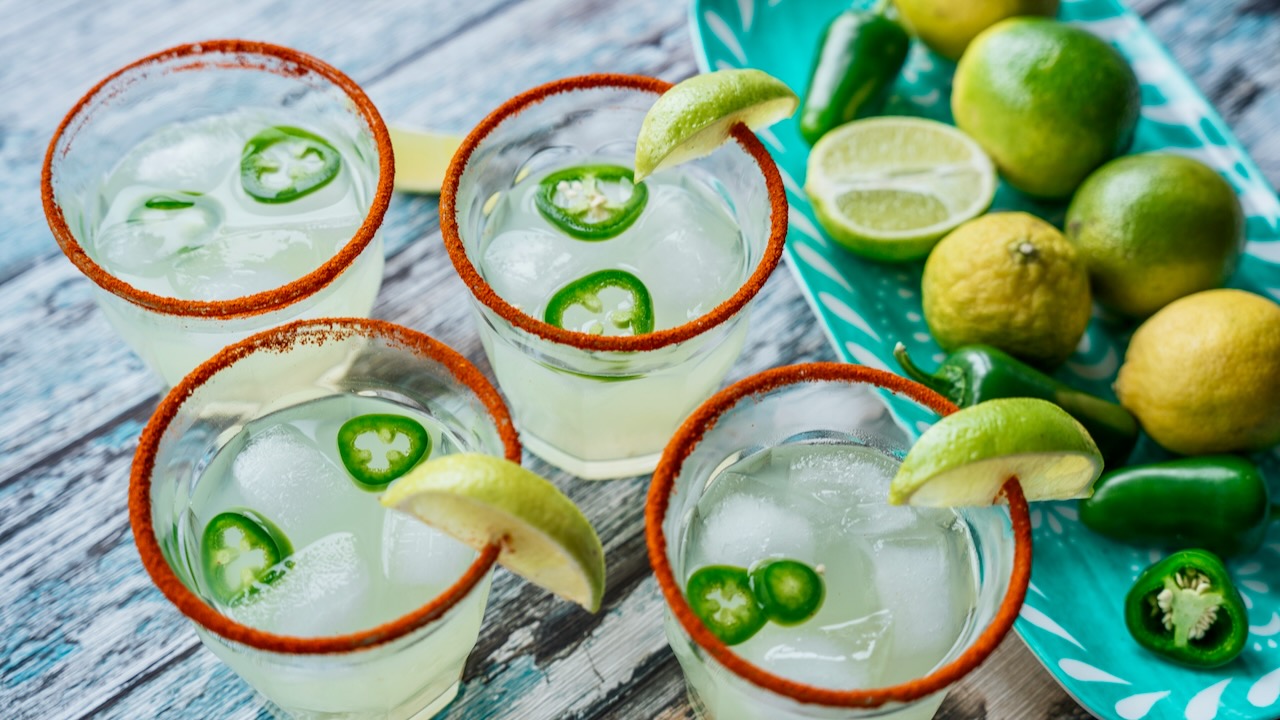
Four pours did the work of twenty at a recent Saturday dinner: a bottle of blanco tequila for batched margaritas, six-packs of Modelo with lime, a glass pitcher of horchata over crushed ice, and a second pitcher of deep-red agua de Jamaica beside it. Twelve guests, two and a half hours, no one waiting at the bar. The host opened a single bottle of Patron and called it a Mexican drinks menu, because the four-pour shape did more for the table than a full backlit shelf ever has.
Mexican drinks reward this kind of editing. Two alcoholic anchors and two non-alcoholic anchors per evening, all named after pours guests already recognize, will hold a dinner from arrival through dessert without the host stepping behind a bar. By the end of this article you have the exact shopping list, the ratios for each pour, and the table-setting moves for a four-pour Mexican night that runs itself.
At a Glance
- Four pours carry a Mexican-themed dinner: two alcoholic anchors (Margarita and Paloma) plus two non-alcoholic anchors (Horchata and Agua de Jamaica).
- A starter shopping list is five bottles and two pitchers: blanco tequila, Modelo, Mexican Coca-Cola, a horchata-base bag of rice and cinnamon, and dried hibiscus flowers.
- Margaritas and palomas share a tequila and lime base, so one bottle of blanco covers both cocktails for twelve guests.
- Horchata pairs with spicy food; agua de Jamaica cuts through fat. Both go in pitchers on the table, not in the kitchen.
- Salt-rim depth and Tajin glassware decisions matter more than the bottle brand for how the table reads to guests.
What Is a Mexican Drinks Menu?
A Mexican drinks menu is a small, deliberate set of pours that maps to the tradition of the cuisine, designed to sit on the table alongside the food rather than waiting at a separate bar. For a host planning a Mexican-themed dinner for four to twelve guests, the working menu is a two-and-two: one signature cocktail (Margarita or Paloma), one beer-and-lime option (Michelada or Modelo), one creamy non-alcoholic pour (Horchata), and one tart non-alcoholic pour (Agua de Jamaica). Built this way, the drinks menu reads as a coherent national table that scales with the guest count without expanding the shopping list.
The Mexican Drinks Menu in Five Bottles and Two Pitchers
Mexican drinks scale well because the building blocks repeat. One bottle of blanco tequila powers both the margarita and the paloma, the same limes garnish three pours, and the two non-alcoholic pitchers share zero ingredients with the cocktails, which means no juggling at the counter. Build the shopping list around what each pour actually needs, not around what a generic Mexican drinks roundup tells you to stock.
Five Bottles, Two Pitchers, One Citrus Haul
- Blanco tequila: one 750 ml bottle. Covers eight margaritas, six palomas, or any mix of the two.
- Modelo Especial or Pacifico: twelve bottles. The beer base for micheladas and a stand-alone option for guests who prefer beer to cocktails.
- Mexican Coca-Cola: six glass bottles. Cane-sugar coke is the default non-alcoholic option for guests skipping both spirits and pitcher pours.
- Long-grain white rice and Mexican cinnamon: one cup of rice and two sticks of canela make a pitcher of horchata for ten.
- Dried hibiscus flowers (Jamaica): one and a half cups make two quarts of agua de Jamaica. Available at any Mexican grocer or online.
Citrus and sweeteners are the second leg of the list. Buy two dozen limes for the rims, the squeezes, and the garnishes (twelve guests pull through limes faster than any new host expects), a small bottle of grapefruit soda like Squirt or Jarritos toronja for the paloma, agave nectar for sweetening both cocktails, and granulated sugar for the two pitcher drinks.
Optional but useful: a small tin of Tajin for adventurous rims and a bag of crushed ice for the horchata, which reads better cloudy and cold than perfectly clear.
For hosts setting up a Mexican night for the first time, the TGH guide to hosting with great cocktails covers the bartending hardware that turns a counter into a bar: jigger, shaker, citrus juicer, ice bucket. Buy once; use across every drinks night. With the shopping list locked, the first cocktail to learn is the one most guests already know by name.
|
Shop the Bar in One Pass |
Margarita: The Lime-Tequila-Cointreau Build
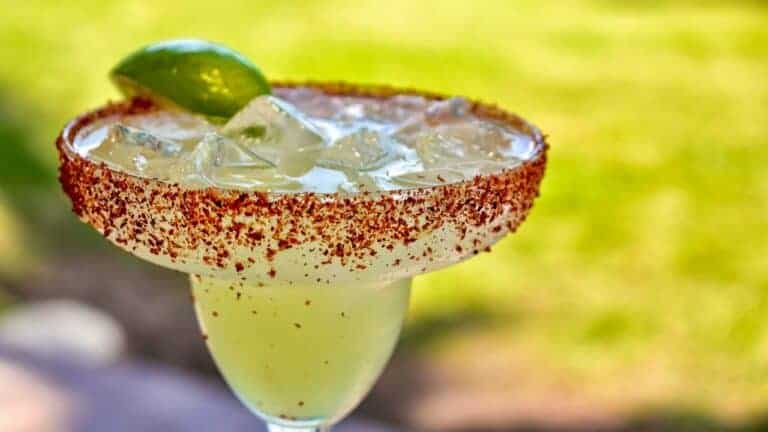
Margaritas are the most-ordered Mexican-origin cocktail worldwide, which means the host who pours a good one has met every guest’s recognition threshold before saying a word. The classic build is three ingredients in roughly a 2:1:1 ratio: two ounces of blanco tequila, one ounce of fresh lime juice, one ounce of Cointreau or triple sec. Shake hard with ice, strain into a salt-rimmed rocks glass over a single large cube.
The Diffords Guide authoritative margarita recipe confirms the ratio and adds the detail most home hosts miss: a heavy shake. Fifteen seconds of vigorous shaking aerates the drink and chills the tequila in a way a quick stir cannot replicate. The result is a drink that arrives at the glass cold, slightly diluted by design, and ready to drink without a slow warm-up.
Rocks, Frozen, or on the Salt-Rim Fence
On the rocks remains the cocktail-bar default for a reason: the dilution stays controlled and the lime stays bright across the glass. Frozen margaritas are a backyard summer pour built in a blender with a cup of crushed ice, the same ratios, and a thirty-second blend. Salt is opt-in: a half-rim by default lets guests choose with each sip, and a small saucer of Tajin beside the glasses gives the adventurous a chili-lime option without forcing it on the table.
Batching a Margarita for Twelve
- Build the pitcher cold by combining twelve ounces blanco tequila, six ounces fresh lime juice, six ounces Cointreau, and eight ounces water, stirred with ice and refrigerated for an hour before guests arrive.
- Strain off the ice before serving, since leaving ice in a batched pitcher dilutes the drink past the point where the lime tastes finished.
- Rim the glasses ahead of time by wetting half the rim with a lime wedge, dipping in coarse kosher salt, and staging on a tray before the first guest arrives.
For a non-alcoholic option that sits beside the batched pitcher, TGH’s margarita mocktail walkthrough for virgin builds gives the same lime-and-salt experience with no tequila in the glass. Pour the two side by side and the table reads as one cohesive drinks menu.
The next cocktail in the rotation is the one Mexican guests pour at home far more often than the margarita.
Paloma: The Easier Cousin of the Margarita
Inside Mexico, the paloma is the most-consumed tequila cocktail, not the margarita. The pour is simpler, lower in alcohol per glass, and finishes more like a cooler than a cocktail, which is exactly what a long Mexican dinner asks for. Two ounces of blanco tequila, half an ounce of fresh lime juice, and a top of grapefruit soda in a tall, salt-rimmed highball glass with ice.
The PUNCH paloma recipe documents the canonical build and the most common upgrade: a finishing pinch of salt in the glass itself, on top of the rim, which keeps the grapefruit from reading too sweet across the back end of the drink.
Soda Choice Changes the Whole Drink
- Squirt or Fresca: the U.S. supermarket default; sweet, broadly liked, and what most guests expect.
- Jarritos toronja: the Mexican-grocer pour; less sweet, more grapefruit-forward, and worth the extra stop for a themed night.
- Fresh grapefruit juice plus club soda: two ounces juice plus two ounces soda. The cleanest version of the drink and the one cocktail bars build by default.
Patron’s history of the paloma traces the drink’s spread from Jalisco to U.S. bars across the 1990s, alongside a salt-on-rim ritual that pairs the way coastal Mexican meals pair salt with citrus across every course.
For a host pouring both margaritas and palomas the same night, the paloma is the second-bottle drink: shorter ingredient list, faster build, and a built-in fizz that makes a single glass last twenty minutes instead of ten. Beer-led cocktails are next, and they may be the host’s quietest workhorse.
|
Hosting Tip: Squeeze Lime Within Two Hours of First Pour |
Michelada: The Beer-and-Lime Cooler Hosts Underuse
Micheladas are what Mexican hosts pour at noon while the asada is still on the grill. The build is beer-based, not spirit-based, which lowers the alcohol per glass and lets the cocktail double as the through-line of a long afternoon. One bottle of Modelo or Pacifico, one ounce of fresh lime juice, a dash of hot sauce, a dash of Worcestershire, a pinch of salt, all stirred in a salt-rimmed pint glass over ice.
The PUNCH essential michelada recipe calls out one detail that separates a real michelada from a beer-and-lime garnish: the rim. Wet the rim with lime, dip in coarse salt mixed with a quarter-teaspoon of Tajin, and the drink reads as cocktail rather than dressed-up beer the moment it lands in front of a guest.
When to Serve the Michelada vs the Margarita
Micheladas land best in daylight, while margaritas read more evening. For a host running a full Saturday from noon to ten, the working sequence runs in three time-blocks across the day:
- Noon to 3 p.m.: micheladas through lunch and the early afternoon. The beer base keeps alcohol per glass low across a long sun-side block.
- 3 p.m. to 6 p.m.: palomas through the cocktail hour. The grapefruit soda lift makes them refreshing without the weight of a margarita.
- 6 p.m. onward: margaritas across dinner. The deeper tequila build pairs with the seated, plated portion of the night.
One bottle of blanco tequila and a case of Modelo cover all three. For hosts pairing beer-led cocktails with food, the TGH full cocktail-and-food pairing guide covers what reads on the table next to spicy and citrus-heavy dishes. Micheladas pair with tacos al pastor, ceviche, and anything grilled with chili rub. The first non-alcoholic anchor follows the same pitcher logic the cocktails do.
Horchata: The Rice-and-Cinnamon Pitcher Drink
Horchata is the non-alcoholic anchor that pairs with spicy food the way milk does, with one important difference: milk on the table reads kid-table. A frosted glass pitcher of horchata reads dinner party. The drink is creamy without being dairy-heavy, cinnamon-forward, lightly sweet, and built around long-grain rice soaked overnight before blending.
The Overnight Soak That Defines the Pour
The Mexico In My Kitchen horchata recipe walks through the soaking method that distinguishes a real horchata from a powdered one: one cup long-grain rice, two cinnamon sticks, and four cups of water soaked together overnight.
Blend the soak in batches, strain through cheesecloth twice, sweeten with half a cup of sugar, and finish with two cups of cold water or whole milk depending on how rich the host wants the pitcher to read.
The Detail Recipe Sites Get Wrong
- Strain twice, not once: rice grit at the bottom of a glass is the difference between a real horchata and a marketing pitcher.
- Mexican cinnamon, not American cassia: canela is softer, more floral, and dissolves differently. Cassia bark works in a pinch but reads sharper.
- Sweeten before chilling: sugar dissolves in warm liquid, not cold. Sweeten the strained base while it is still room temperature, then refrigerate.
Muy Delish’s traditional horchata recipe adds a smart shortcut for hosts who do not have an overnight window: warm the rice and cinnamon in just-off-boil water for two hours instead of soaking overnight in cold. Same flavor, fewer hours of lead time. Pour the finished pitcher over crushed ice in a tall glass, dust with extra cinnamon on top, and the drink reads finished. The second non-alcoholic anchor is louder, redder, and built for a different food pairing.
|
Keep the Agua de Jamaica Recipe |
Agua de Jamaica: Hibiscus Iced Tea on the Table
Agua de Jamaica is the deep red, lightly tart hibiscus tea that sits beside almost every Mexican home meal. It is built from dried Jamaica flowers steeped in hot water, strained, sweetened, and chilled. Unlike horchata, which softens spicy food, Jamaica cuts through fat and refreshes the palate between bites, which is why it pairs with carne asada, tacos al pastor, and any dish that runs heavy on cheese or sour cream.
Three Steps From Dried Flower to Chilled Pitcher
- Boil four cups of water and steep one and a half cups of dried hibiscus flowers for ten minutes off the heat. The water turns a deep ruby red within the first three minutes.
- Strain the flowers out and discard them. Add half a cup of sugar to the warm tea and stir until fully dissolved before topping with four more cups of cold water.
- Chill for at least two hours. Serve over ice in a tall pitcher with a sliced lime floating on top for garnish.
The NYT Cooking agua de Jamaica recipe documents the same ratio with one addition worth noting: a small piece of fresh ginger steeped alongside the flowers, which gives the finished pitcher a brighter back note.
My Latina Table’s authentic agua de Jamaica framing adds a smart variation: half-Jamaica, half-lime juice, which reads more cocktail-adjacent and pairs well with the paloma for guests who like to taste both sides of the table.
Mexico In My Kitchen’s home Jamaica recipe closes one of the most-asked host questions: can the leftover steeped flowers be reused? Yes, once, for a second weaker batch the next morning. After that, compost them. The deep color and the tart bite that define the drink come from the first steep, not the second. The next pitcher widens the format entirely.
Agua Fresca: The Whatever-Fruit-Is-Fresh Pitcher
Agua fresca is the open-format pitcher: same blueprint as horchata or Jamaica, but the flavoring rotates with whatever fruit is in the kitchen. Mango, watermelon, cucumber, tamarind, pineapple, strawberry. The technique is identical: blend two cups of fresh fruit with four cups of cold water and a quarter-cup of sugar, strain, and chill. The drink takes ten minutes from blender to pitcher.
Fruit Pairings That Match the Cuisine
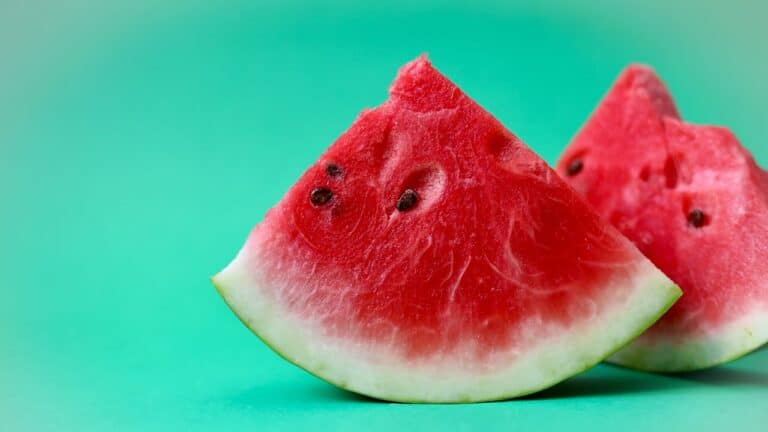
- Watermelon: the host’s default for summer cookouts; pairs with grilled food and ceviche. Cross-reference our roundup of non-alcoholic watermelon drinks for summer gatherings for full ratios.
- Mango: thicker, sweeter, and reads decadent next to spicy mole or carnitas.
- Cucumber and lime: the lightest pitcher; built for hot afternoons and dishes heavy on cilantro.
- Tamarind: tart and slightly funky; pairs with seafood, ceviche, and anything served with a lime wedge.
For a Mexican dinner running across the cooler months, swap watermelon and cucumber for pineapple or tamarind and the menu reads winter rather than summer. The blueprint never changes; the fruit does.
Hosts looking to expand the dessert end of the meal can lean on TGH’s holiday dinner party ideas worth celebrating for ponche and other warm-weather Mexican pours that show up at Christmas tables. The next drink leaves the pitcher format behind entirely.
Tepache: The Pineapple Ferment Hosts Are Rediscovering
Tepache is the lightly fermented pineapple drink Mexican hosts pour when they want something between juice and beer. The alcohol content is low (about one to two percent after a two-day ferment), the flavor is funky in the way kombucha is funky, and the technique is simple enough to start on a Wednesday and serve on a Saturday. One whole pineapple, eight cups of water, half a cup of piloncillo or brown sugar, and two cinnamon sticks.
A Two-Day Ferment, Start to Glass
Scrub the pineapple, then peel it (keep the peel; that is where the wild yeast lives). Combine the peels and a cup of cubed pineapple with the water, sugar, and cinnamon in a large glass jar. Cover loosely with cheesecloth and leave on the counter for forty-eight to seventy-two hours, stirring once a day. The ferment is ready when the surface bubbles slightly and the smell turns from raw pineapple to something closer to a light cider.
Two Service Moves That Read Finished
- Strain the ferment through a fine-mesh strainer into a pitcher, refrigerate for at least four hours, and serve over ice in tall glasses.
- Top with Mexican beer for a tepache con cerveza pour: half tepache, half Modelo, served in a salt-rimmed glass. A guest favorite at every Mexican dinner where it has landed on the table.
Tepache is the pour that turns a Mexican dinner into a Mexican dinner with a story. Guests ask what it is, the host explains the ferment, and the conversation moves to the food. The next drink is the companion pour to the tequila on the table, not a replacement for it.
Sangrita: The Tequila Companion Pour That Reads Hospitality
Sangrita is not sangria. Sangrita (with the t) is a chilled, non-alcoholic sipper poured into a small glass beside a shot of neat blanco tequila. The host alternates sips: tequila first, sangrita second, repeat. The pour is the most hospitable move a Mexican host can make for guests who want to taste the tequila without a cocktail framework around it.
The Traditional Build, Glass Beside Glass
- Fresh tomato juice: four ounces. Roma tomatoes blended and strained give the cleanest base; canned juice works in a pinch.
- Fresh orange juice: four ounces. The sweetness that balances the chili.
- Fresh lime juice: two ounces. Brightens the back end of the sip.
- Chili and salt: a teaspoon of hot sauce (Tapatio or Cholula), a pinch of kosher salt, and a small grind of black pepper. Stir, chill, pour into small two-ounce glasses.
When to Bring Out the Sangrita
Sangrita is the pour for guests who want to taste a good tequila straight. Pour a half-ounce of blanco into a small glass, a matching amount of chilled sangrita into a second small glass and set both in front of the guest.
The combination reads as cocktail-adjacent without the host shaking anything, which makes it the easiest pour on this menu to scale into a late-evening tasting after dinner has finished.
Cross-link to the wider TGH drinks pairing framework for the broader cocktail-and-food matchups that surround a Mexican menu. The next section pulls the whole drinks list together into a working table.
How to Set the Two-Pour Mexican Dinner Table
The full Mexican drinks menu sounds like nine pours when written out. On the actual table, it should never feel like more than four at a time: one cocktail pitcher, one beer station, one creamy non-alcoholic pitcher, one tart non-alcoholic pitcher. Pick two alcoholic anchors and two non-alcoholic anchors for the night and rotate them across the meal rather than offering everything at once.
Two Anchors per Side, Set Within Reach
- The first alcoholic anchor is the cocktail pitcher (margaritas for evening, palomas for cocktail hour, or micheladas for daytime), pre-batched, refrigerated, with salt-rim glasses staged on a tray.
- The second alcoholic anchor is a tub of Modelo or Pacifico on ice with lime wedges, set so the guest who wants a beer can pour without asking.
- The first non-alcoholic anchor is horchata in a pitcher with glasses prepped over crushed ice, pairing with anything spicy on the plate.
- The second non-alcoholic anchor is agua de Jamaica or an agua fresca in a second pitcher, with sliced lime as garnish, pairing with anything grilled or fatty.
What to Skip the First Time You Run This
Sangrita, tepache, and the third agua fresca are second-tier pours. They make the menu deeper for hosts running this format every month; they are not required for the first attempt. The four anchors carry a dinner on their own.
The TGH Drinks by Country (Host’s Guide to 12 Cuisines) covers the same two-pour framework applied to other cuisines, which is useful context if the next dinner shifts to Italian or Japanese themes.
Position the cocktail pitcher and beer tub on one side of the table, the two non-alcoholic pitchers on the other. Guests reach left or right depending on what they want, and the host never plays bartender. The final detail that lifts the whole table is the glassware itself, which is the one place hosts overspend without realizing it.
Glassware and Garnish for Mexican Drinks
Glassware does more work for a Mexican drinks menu than the bottle brand on the shelf. The right glass signals the cuisine before the first sip lands, and the wrong glass undercuts a well-built drink the moment it reaches the table. The good news is that a Mexican-themed table needs three glass shapes total: rocks, highball, and a tall pitcher glass.
Three Glass Shapes, Four Pours
- Rocks glass: margaritas on the rocks and sangrita-paired tequila pours. Wider mouth holds a salt rim better than any other shape.
- Highball or Collins glass: palomas, micheladas, and tepache con cerveza. The tall shape suits drinks topped with soda or beer.
- Tall pitcher glass (or a tumbler): horchata, agua de Jamaica, and any agua fresca. The wider tumbler also doubles as a Mexican Coca-Cola glass without looking off.
- Small tasting glass (two ounce): sangrita and neat tequila pours. A shot glass works; a small wine taster reads more dinner-party.
Salt-Rim Depth and Garnish Discipline
Salt-rim depth is a small choice that reads loud. Half-rim by default, never full: guests who skip salt should never have to ask. Tajin, the chili-lime salt, replaces plain kosher salt on a paloma or michelada rim and reads more authentic than a generic cocktail-bar default. Lime wheels go on rocks glasses, lime wedges on highballs, and a single floating lime slice on top of every non-alcoholic pitcher gives the table a unified visual without any other decoration.
Garnish discipline matters more than garnish abundance. One lime wheel, one salt rim, one dusting of cinnamon on a horchata glass. Anything more reads like a chain restaurant. The Mexican drinks menu is built on restraint at the table and abundance in the pitcher, and the four pours that anchor the night will carry the dinner from arrival through dessert without further intervention.
Frequently Asked Questions
What is the most popular Mexican drink?
The Margarita is the most-ordered Mexican-origin cocktail worldwide, and the Paloma is the most-consumed tequila cocktail inside Mexico. On the non-alcoholic side, Horchata leads urban menus while Agua de Jamaica leads rural and home tables. Most Mexican homes will pour at least one of these four on any given evening.
What are traditional Mexican drinks at a dinner party?
A Mexican dinner party menu centers on five pours: Margarita, Paloma, Michelada, Horchata or Agua de Jamaica, and Mexican Coca-Cola. Serve the Margarita on the rocks, the Paloma in a tall glass, and the Michelada alongside lunch, with Horchata or Jamaica pitchers at every table for guests skipping alcohol. Tepache and Sangrita round out the spread for adventurous hosts.
What is the difference between Horchata and Agua de Jamaica?
Horchata is creamy and dairy-adjacent: long-grain rice soaked overnight, blended with water, cinnamon, and sugar, sometimes finished with milk. Agua de Jamaica is light and tea-like: dried hibiscus flowers steeped in hot water, then cooled and sweetened. Horchata pairs with spicy food; Jamaica cuts through fat and refreshes between bites.
Are Mexican drinks usually served with food?
Yes. Mexican drinks evolved as table drinks, not bar drinks. Horchata and Jamaica pour into glasses next to the meal, Sangrita sits beside a tequila pour, and beer arrives with lime and salt. The U.S. bar-and-grill format separated drinks from food in a way that Mexican table service does not.
What non-alcoholic drinks pair best with Mexican food?
Horchata pairs with chiles rellenos and mole; Agua de Jamaica pairs with carne asada and tacos al pastor; Tamarind agua fresca pairs with seafood; and Mexican Coca-Cola pairs with anything. A pitcher of Jamaica on the table will cover most of any Mexican menu without further thought.
What is a typical Mexican alcoholic drink for hosting?
A pitcher of pre-batched Margaritas is the most common host pour: it scales, pours fast, and stays consistent across the evening. The Paloma is the easier solo build (tequila plus grapefruit soda). For a more relaxed gathering, ice-bucket Modelo or Pacifico with lime wedges covers the table.
Continue Reading:
More On International Drinks
- Drinks by Country (Host’s Guide to 12 Cuisines)
- Welcome Drinks by Country (10 Ideas That Set the Tone)
- Italian Drinks: Aperol, Spritz, and Crodino (Host)
- Japanese Drinks: Sake, Highball, Yuzu, Calpis (Plan)
- Indian Drinks: The Four-Pour Menu for Your Dinner
- Classic Aperitifs for Dinner Parties (15 Best Picks)
- Three-Bottle Home Bar Essentials: Global Starter
More from The Gourmet Host
- Instead of Cocktail Hour, Try These Wine and Snacks Combos
- Birthday Party Decorations for Adults: Themes That Work
- Types of Salt and Which Dishes Each One Belongs On
- Birthday Party Ideas for Adults That Feel Worth the Effort
- Fun Wine Tasting Games to Play at Your Next Party
Explore TGH Categories
- Set the Scene
- Drinks and Bar
- Plan the Meal
- Engage with Guests
- Games and Toasts
- Tools and Techniques
- Why We Gather