Italian Drinks: Aperol, Spritz, and Crodino (Host)
 14 min read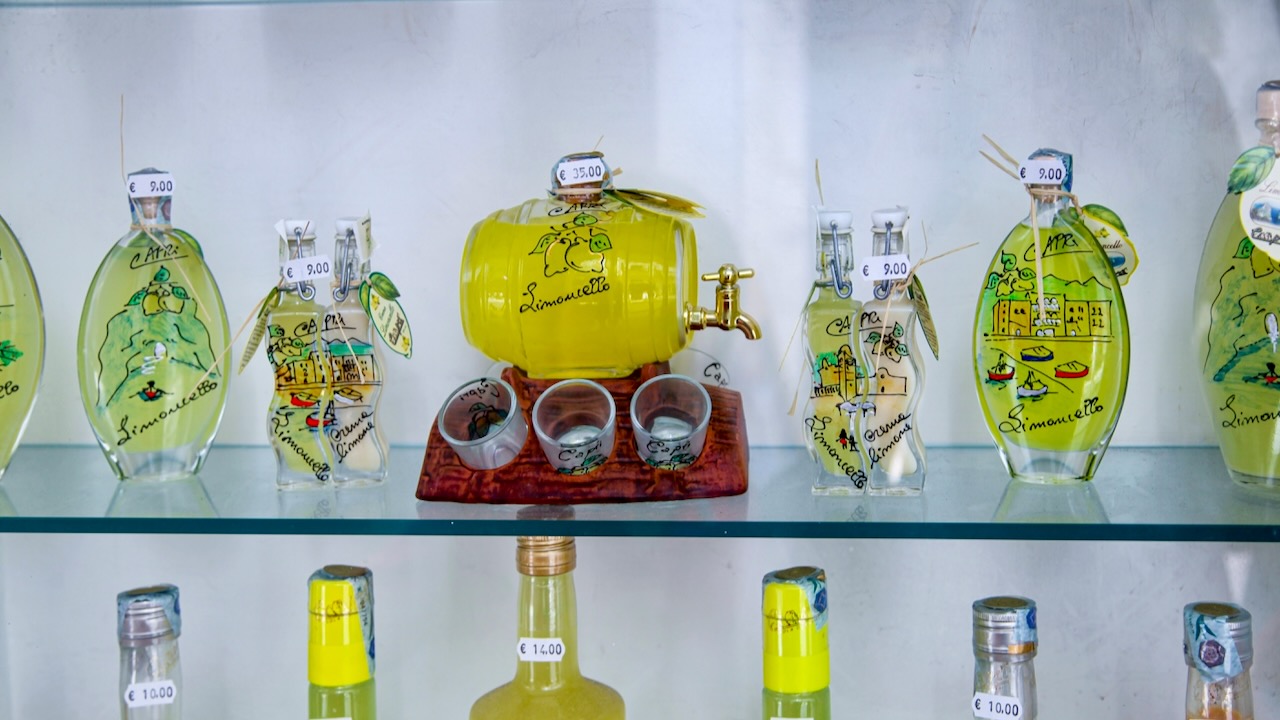
Five guests, three hours, two bottles. One bottle of Aperol carried the aperitivo window from arrival through antipasti, and one bottle of Crodino covered the two non-drinkers at the same table without making them feel handed a kid’s drink. That was the night I stopped trying to be a bar at an Italian dinner and started running the Italian three-act drinks schedule the way a Milan trattoria does.
The pivot is structural, not stylistic. Italian drinks arrive in three acts: aperitivo before the food opens the palate, wine carries the meal, and a small digestivo closes everything down. Below is the bottle list, the ratios, the timing, and the substitutions you need to host an Italian-themed dinner table for six to ten guests, including the named pours (Aperol Spritz, Negroni, Crodino) and the amari that close the evening. The shopping list lands in the final section.
At a Glance
- The Italian drinks structure runs in three acts: aperitivo (open the palate), cena (wine with food), digestivo (close the evening).
- The Aperol Spritz is built 3-2-1: three parts prosecco, two parts Aperol, one part soda, in a wine glass over ice with an orange slice.
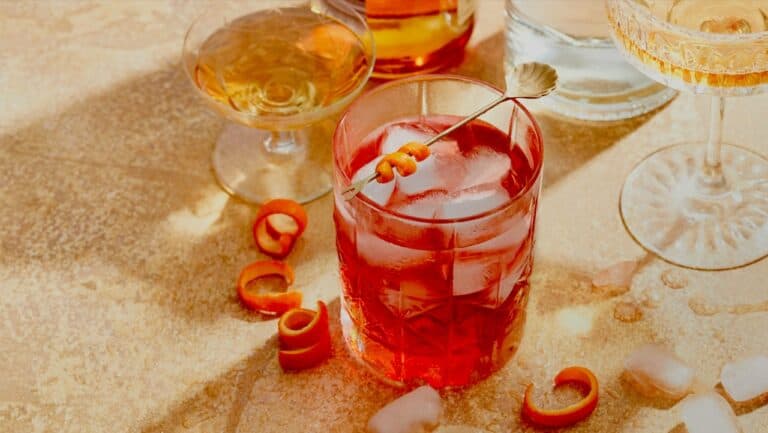
- The Negroni is a 1-1-1 cocktail: equal parts gin, sweet vermouth, and Campari, stirred over ice with an orange peel.
- Crodino is the standard non-alcoholic Italian aperitif: pours straight from the bottle, looks identical to a spritz on the table.
- Two bottles (Aperol and Crodino) plus a Prosecco backup cover most home-hosted Italian aperitivo hours for four to eight guests.
- Limoncello, amaretto, and grappa are the classic after dinner drinks italian hosts pour from a small tray near the espresso.
What Are Italian Drinks?
Italian drinks are the small, structured pours an Italian table serves in three acts across an evening: italian alcoholic drinks like Aperol Spritz, Negroni, and Campari Spritz before the meal; italian wines (Chianti, Pinot Grigio, Soave) during the meal; and digestive drinks italian guests expect after, including limoncello, amaretto, and the amari (Averna, Fernet, Montenegro). The italian non alcoholic drinks tier runs in parallel, anchored by Crodino, Sanbittèr, and chinotto, which pour from the bottle and look like the alcoholic version on the table. Popular italian drinks share three traits: low-ABV pours, bittersweet flavor, and a wine glass as the default vessel.
The Italian Drinks Hour: Aperitivo, Cena, Digestivo
An Italian evening is built around three drink windows, not a single cocktail hour. Once you stage them in order, the bottle list shrinks and the pours stop competing with the food. Eataly’s guide calls these the three acts of Italian drinking: aperitivo, cena, digestivo. Treat them as separate scenes rather than one long pour.
- Aperitivo (45 to 60 minutes before the meal): low-ABV bittersweet pours like the Aperol Spritz, the Campari Spritz, or a Negroni, served with light salty bites (olives, taralli, focaccia squares).
- Cena (the meal itself): one Italian wine throughout, or a white-with-antipasti / red-with-secondo split. The aperitivo glasses are cleared before the first course lands.
- Digestivo (10 to 20 minutes after dessert): a small pour of amaro, limoncello, or grappa served alongside or just after espresso, in a 2 to 3-ounce glass.
Hold each act to its window. An aperitivo that runs past 75 minutes becomes a cocktail party and overwrites the wine course. A digestivo opened before dessert reads as a second aperitivo. For full menu pairings beside this drinks plan, see TGH’s Italian dinner party menu host’s guide. The Italian drinks menu only works when the food schedule lines up with it.
|
Build the Italian Drinks Menu in Order |
Aperol Spritz: The 3-2-1 Build
The Aperol Spritz is the italian drinks aperol entry point and the single pour that defines the modern aperitivo. The ratio is fixed at three parts prosecco, two parts Aperol, one part soda water, served in a large wine glass over plenty of ice, finished with a half-slice of orange. Diffords Guide confirms the 3-2-1 build as canonical, and Liquor.com’s recipe adds the build order: prosecco first, Aperol second, soda last to keep the carbonation.
- Glass: Large red-wine glass, filled three-quarters with ice cubes. The wine glass is the correct vessel, not a coupe and not a flute.
- Pour: 90ml prosecco, 60ml Aperol, 30ml soda. A 3-2-1 spritz reads bitter-sweet and orange-forward; a 2-2-1 reads syrupy; a 4-2-1 reads thin.
- Garnish: A half-slice of orange dropped on top. A green olive on a pick is the Venetian variation. Skip the strawberry.
Build the Aperol Spritz directly in the serving glass to keep the prosecco lively. BBC Good Food’s Aperol Spritz recipe agrees on the 3-2-1 build and the chilled-prosecco / room-temperature-Aperol pairing. The italian spritz drinks family expands from here: same wine glass, same ice base carry the Campari Spritz, the Hugo, and the Sbagliato. Pair the round with salty bites; TGH’s Italian dinner party appetizers guide covers the antipasto plate that lands next to it.
Negroni: The 1-1-1 Italian Cocktail
The Negroni is the bitter half of the italian cocktail drinks canon: equal parts gin, sweet vermouth, and Campari, stirred over ice, served in a rocks glass with an orange peel. The 1-1-1 ratio is fixed and was published in Wikipedia’s Negroni entry with the original Count Camillo Negroni story (Florence, Caffè Casoni, 1919). Diffords Guide’s Negroni history walks through the Americano-to-Negroni shift the count requested.
- 30ml London Dry gin (Beefeater, Tanqueray, Bombay Sapphire all work; gin character should be juniper-led, not floral).
- 30ml sweet red vermouth (Carpano Antica, Cocchi Vermouth di Torino, or Martini Rosso). Refrigerate the bottle after opening and use it within 30 days.
- 30ml Campari. The bitter is non-negotiable; substituting Aperol gives you a Spritz-Negroni, not a real Negroni.
- Build in a rocks glass over one large ice cube. Stir 20 seconds. Express the oil from an orange peel over the surface and drop it in.
Three traditional italian drinks variations sit a half-step away: the Boulevardier (bourbon for gin), the Negroni Sbagliato (prosecco for gin, the lighter pre-meal pour), and the White Negroni (Suze and Lillet for a paler glass). Stock the Negroni alongside the spritz if guests range from sweet to bitter; TGH’s Italian themed dinner party host’s guide covers the table-setting moves that go with the bitter side of the lineup.
Crodino and Sanbittèr: The Non-Alcoholic Italian Aperitifs
The italian non alcoholic drinks tier solves the dinner-party problem of non-drinkers sitting through aperitivo with a glass of tap water. Crodino is the standard pour: a single-serve 100ml bottle of bittersweet aperitif made by Campari Group, designed to be poured straight over ice with an orange slice. Crodino’s own service guide specifies a wine glass with five ice cubes, the orange slice dropped in last. The bottle is the recipe; nothing else is built.
- Crodino: bittersweet, orange-bitter, the closest non-alcoholic match to the Aperol Spritz on the palate. Sold in four-packs of 100ml bottles.
- Sanbittèr: Sanpellegrino’s red bitter aperitivo, similar register to Campari but zero-proof. Bone-dry compared to Crodino; pour for guests who find Aperol too sweet.
- Chinotto: a separate category, a bittersweet Italian soft drink made from the chinotto orange. Less aperitif-formal than Crodino but a real italian non-alcoholic drinks option for a longer pour with food.
Serve Crodino in the same wine glass as the Aperol Spritz, on the same ice, with the same orange. The italian non alcoholic drinks pours read identical to the alcoholic version across the table. A bowl of Crodino bottles next to the prosecco means no guest has to ask. The italian beverages list expands from here to chinotto and sparkling water once the aperitivo window closes.
|
Hosting Tip: Chill Prosecco, Not Aperol |
Campari Spritz vs Aperol Spritz: The Bitter Sibling
The Campari Spritz is the deeper-amaro version of the same 3-2-1 build, swapping Aperol for Campari. Same prosecco, same soda, same wine glass over ice, but the cocktail lands in a much more bitter register: 25% ABV Campari versus 11% Aperol, with roughly twice the bittering quinine and citrus-peel character. VinePair’s side-by-side breaks down the difference. Pour Campari for guests who already like a Negroni; pour Aperol for guests who like a mimosa.
- Color cue: Aperol Spritz reads warm-orange in the glass; Campari Spritz reads true red. The visual matters when you’re pre-pouring a tray.
- Build: Identical to the Aperol Spritz at 3-2-1. Do not over-correct by going 3-1-1; the higher Campari ABV is the point.
- Garnish: Orange slice plus a green olive on a pick. The olive softens the bitter edge between sips.
A two-pour pre-meal tray covers the bitter and the sweet ends of the spritz family with one ratio to remember. For a larger spread with both spritzes plus food, TGH’s easy Italian party food buffet guide covers the antipasto and pizzette layout that holds up next to either glass.
Limoncello, Amaretto, and Grappa: The Digestivo Lineup
The italian after dinner drinks tray is small, cold, and short. Three named pours cover most American guests: limoncello, amaretto, and grappa. Pour each in a 2 to 3-ounce glass, set the tray near the espresso, and let guests serve themselves rather than pouring rounds. The after dinner drinks italian families serve at home read more like a tasting than a cocktail course.
- Limoncello: Pour from the freezer at around 5°F. The thick, syrupy texture of properly-frozen limoncello is the signal. Serve in chilled 2-ounce shot glasses or stemmed cordial glasses.
- Amaretto: A 1.5-ounce pour over a single ice cube. Disaronno is the default brand; the almond-marzipan profile pairs with biscotti and reads sweeter than the amari.
- Grappa: Neat in a 1-ounce tulip glass, room temperature. The most traditional choice but the most polarizing on an American table; pour on request rather than offering by default.
Stock these three as bottle pours rather than mixing them; they’re not cocktails. Keep limoncello in the freezer year-round and the amaretto in the door of the bar. For a seasonal italian drinks menu that runs into autumn, TGH’s fall dinner party menu with harvest cocktails pairs amaretto and a warm-spice profile with the digestivo course. The italian alcoholic drinks tail of the evening should run 15 to 20 minutes, not an hour.
|
Stock the Digestivo Tray Without Guesswork |
Amaro Selection: Averna, Montenegro, Fernet Branca
Amaro is the herb-bitter liqueur family that closes most authentic Italian dinners. The category runs from sweet-and-rooty to bone-dry-and-medicinal across more than 30 named bottles. Saveur’s field guide to Italian amaro maps the regional families; Memorie di Angelina’s digestivo guide walks through the home-host shortlist. Three bottles cover 90% of digestif requests at an American table.
- Averna (Sicily, 29% ABV): the sweet entry point. Caramel, dried citrus, and a soft bitter finish. The most American-palate-friendly amaro; pour over one ice cube.
- Montenegro (Bologna, 23% ABV): floral and orange-forward. The lowest-ABV of the three and the easiest second pour. Serve neat at room temperature or over a single rock.
- Fernet Branca (Milan, 39% ABV): aggressive menthol, eucalyptus, and saffron. The bartender’s amaro; small 1-ounce pours only and always offered second.
Stock the three on the same digestivo tray as the limoncello and let guests build their own tasting. The italian alcoholic drinks finale is supposed to feel like a small ritual rather than a course, which is why three small bottles outperform a single full pour. Famous italian drinks like Averna and Fernet read as expertise on the table without requiring any mixing labor from the host.
The Italian Two-Pour Menu: Aperol + Crodino
The minimum viable italian drinks menu is two bottles. One bottle of Aperol covers eight to ten Aperol Spritzes; one bottle of Crodino covers the non-drinkers (a four-pack of 100ml bottles handles four to six pours). Add a bottle of well-chilled Prosecco and a 1-liter bottle of soda water, and the aperitivo window for six guests is solved without a cocktail kit.
- Aperol (750ml): Covers 8 to 10 spritzes at 60ml per pour. One bottle handles a six-person aperitivo with two rounds.
- Prosecco (750ml): Covers 8 to 9 spritzes at 90ml per pour. Buy a Brut or Extra Dry; avoid sweet (Dolce) labels.
- Crodino (4 × 100ml): Covers 4 non-alcoholic spritzes at one bottle per pour. Add a second four-pack if you have three or more non-drinkers.
- Soda water (1L): Covers 30 pours at 30ml per spritz. Any sparkling water with assertive bubbles works.
This shopping list runs roughly $35 to $50 in a US wine store and produces a recognizably Italian aperitivo hour. Add Campari and gin for the Negroni option, and keep limoncello in the freezer year-round for the digestivo slot. A classic italian drinks evening for eight guests fits on a single bar tray: the bottles, an ice bucket, wine glasses, and a small bowl of orange slices.
Frequently Asked Questions
What are the most popular Italian drinks at a dinner party?
The Aperol Spritz leads as the aperitif, Italian wine (Chianti, Pinot Grigio, Soave) carries the meal, and an amaro (Averna, Montenegro) closes it. Non-drinkers get Crodino or chinotto. Italian dinner-party drinking follows a three-act structure: aperitivo, cena, digestivo, with one pour per act.
What is the traditional ratio for an Aperol Spritz?
Three parts prosecco, two parts Aperol, one part soda water, finished with a slice of orange and plenty of ice. The wine glass is the correct vessel, not a coupe. Building the spritz in any other order or ratio (especially less prosecco) makes it taste syrupy rather than balanced.
What non-alcoholic Italian drink works at a dinner party?
Crodino, an Italian bittersweet aperitif made by Campari Group, pours straight from the bottle into a wine glass over ice with an orange slice. It looks identical to a spritz on the table. Sanbittèr is the second option; chinotto (the cola-adjacent bittersweet soft drink) is the third.
What is the difference between aperitivo and digestivo?
Aperitivo is the pre-meal pour: light, low-ABV, bittersweet, designed to open the palate (Aperol Spritz, Negroni, Crodino). Digestivo is the post-meal pour: stronger, often herbal, designed to settle digestion (Averna, Fernet, grappa, limoncello). The same evening uses both, served roughly two hours apart.
What Italian drink should I serve after dinner?
Limoncello straight from the freezer is the easiest crowd-pleaser: pour into chilled shot glasses, no prep. Amaro Averna over a single ice cube suits guests who want depth without the citrus sweetness. Grappa neat is the most traditional choice but reads as harsh to American palates; serve it only on request.
Do Italians actually drink Aperol Spritz at home?
Yes, especially in northern Italy where the spritz originated. The home version uses the same 3-2-1 ratio, with whatever Prosecco is in the fridge and a freshly cut orange wheel. The pour is informal: one bottle of Aperol and one bottle of Prosecco cover an entire aperitivo hour for four to six guests.
Continue Reading:
More On International Drinks
- Drinks by Country (Host’s Guide to 12 Cuisines)
- Welcome Drinks by Country (10 Ideas That Set the Tone)
- Mexican Drinks Menu: 4 Pours That Run the Night
- Japanese Drinks: Sake, Highball, Yuzu, Calpis (Plan)
- Indian Drinks: The Four-Pour Menu for Your Dinner
- Classic Aperitifs for Dinner Parties (15 Best Picks)
- Three-Bottle Home Bar Essentials: Global Starter
More from The Gourmet Host
- Easy Meals for 20 People That Survive Real Ovens
- The Most Unique Dining Experience in Toronto: Home by Elva’s Secret Supper Club
- 15 Office Minute to Win It Games for Work Teams
- Icebreaker Questions for Kids That Get Everyone Talking
- Main Course Ideas That Wow Dinner Party Guests
Explore TGH Categories
- Set the Scene
- Drinks and Bar
- Plan the Meal
- Engage with Guests
- Games and Toasts
- Tools and Techniques
- Why We Gather