4 Reasons Why Third Places Are Fading and How We Can Save Them (Part One)
 9 min read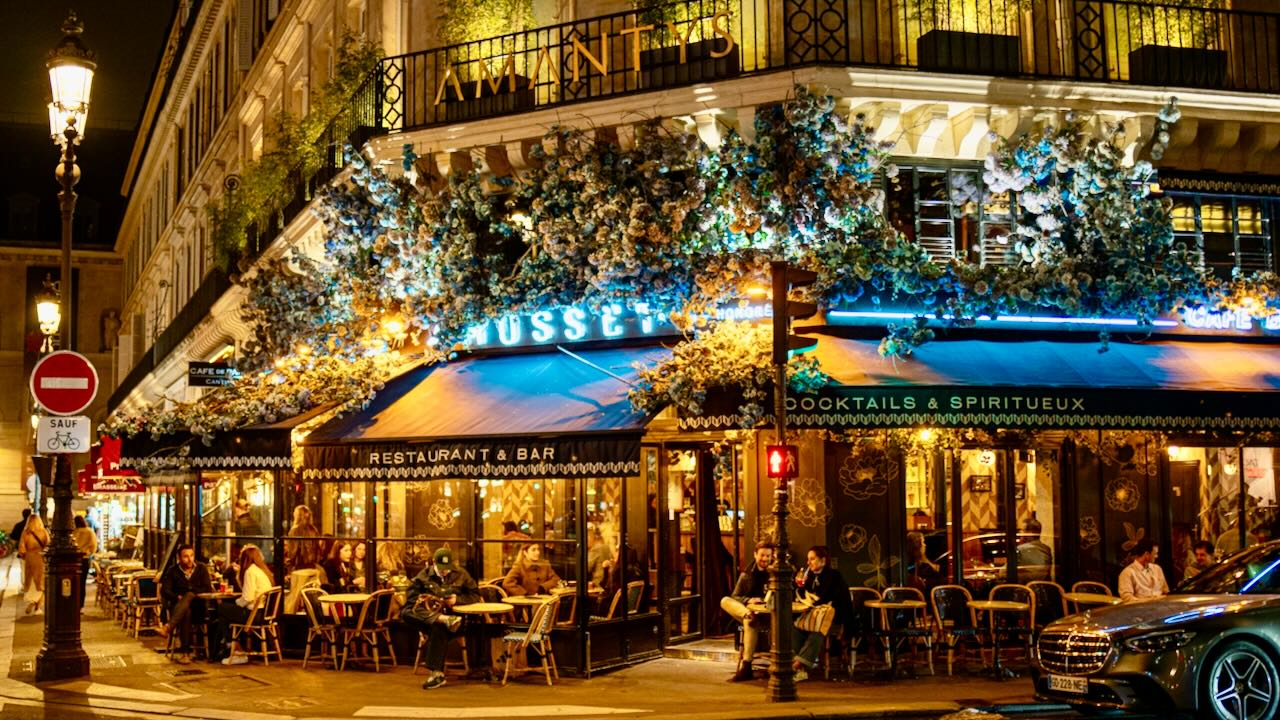
Despite the rising cost of living, traffic, and often questionable odors, approximately 83% of North Americans choose to live in metropolitan centers. Why? It’s the abundance of third places, and how they enable our human need to gather.
However, as third places slowly “vanish and weaken”, we are left wondering how we can revive these important pillars of neighborhood interaction.
What if there was a way to create more spaces for connection in your community without taking on a commercial lease or erecting a brick-and-mortar establishment? First, we’d have to understand what a third place is and why many consider it “the glue” of our communities.
What is a third place, and why are they so important?
A third place is a public space designed for gathering that does not require a large financial investment to participate in.
A third place is…
- The coffee shop down the street, where the barista knows your order and lets you hang out all afternoon while you work on your thesis.
- The university pub where you lose track of time after class, discussing all things school, life, career, and love with your peers.
- The community center tennis court where you met your best friend over an indulging competitive tennis match.
The concept of the third place was coined originally by sociologist Ray Oldenburg in his 1989 book, The Great Good Place, which highlights the importance of spaces for gathering that are neither home nor work.
Examples Oldenburg references are pubs, beer gardens, and cafés; however, modern examples could also include bookstores, art galleries, and community centers.
These places are important because, as humans, we need leisure activities that enrich our lives and root our sense of belonging within the greater community.
To be mentally, emotionally, and spiritually well, we need points of connection that are beyond production (workplaces) and getting our basic needs met (home).
Don’t we already have plenty of third places?
Yes and no.
During the pandemic, one of the most devastating losses was our access to third spaces—bars, bookstores, cafes, community centres, etc.—along with the enriching experiences they added to our lives.
It was a moment of reckoning for many things, particularly how much our social, emotional, and mental well-being relies on spontaneous interactions in accessible places.
Although we are (mostly) once again free to gather in these vital community hubs, it doesn’t quite feel the same as it once did.
There are a few factors that we can attribute to this.
What has caused the ‘weakening’ of third places?
1. Cost of Living and Rent Increases
With an increased cost of living, many of our cherished third places have been forced to increase their prices to stay open. Many even impose a limit on how long patrons may linger after consuming. Increasing the financial barrier to entry moves these places further from the realm of third places and further into places of commerce.
2. Smartphones and Social Media
Walk into any cafe today, and you’ll see more people staring at a screen than people engaged in deep conversation. This is a huge departure from what these same spaces looked like 10 years ago. It’s also a reflection of our increasingly solitary and chronically online culture that intensified during the lockdown years.
It’s even gotten to the point where people who actually want to use a café for its original intended use (catching up with friends or striking up a conversation with a stranger) can’t because all the spaces are quickly filled up by remote workers desperate for a change of scenery. This brings us to…
3. Remote Work
With many companies having made the switch to fully remote, workers are free to work wherever they wish! However, in many cases, the loneliness of working from home leads us to seek third places to fulfill that sense of connection and human interaction once sourced from workplaces.
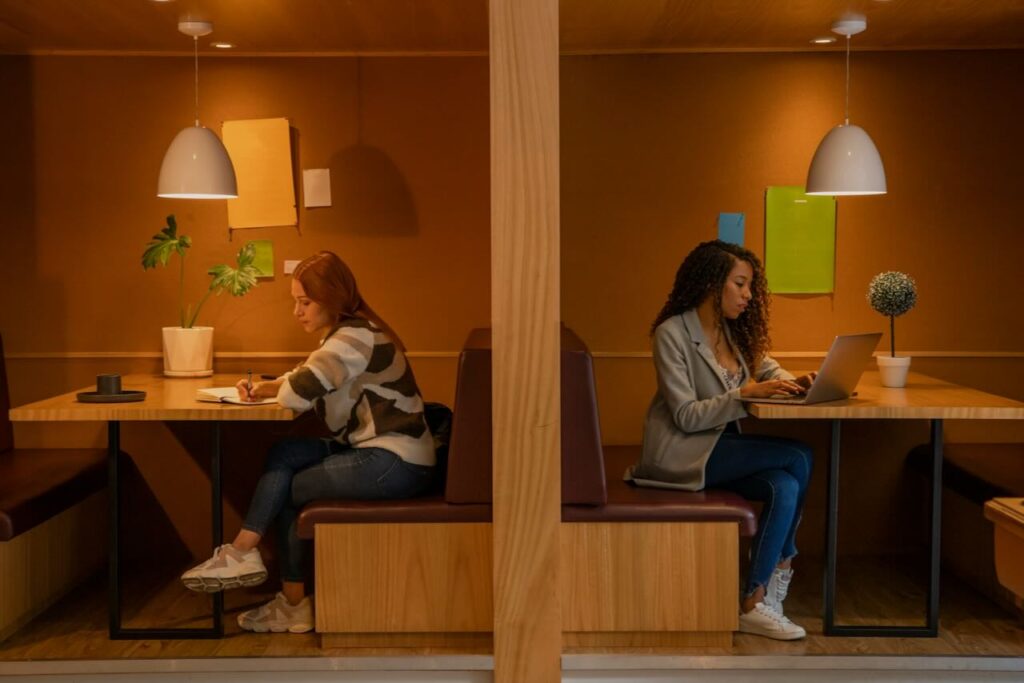
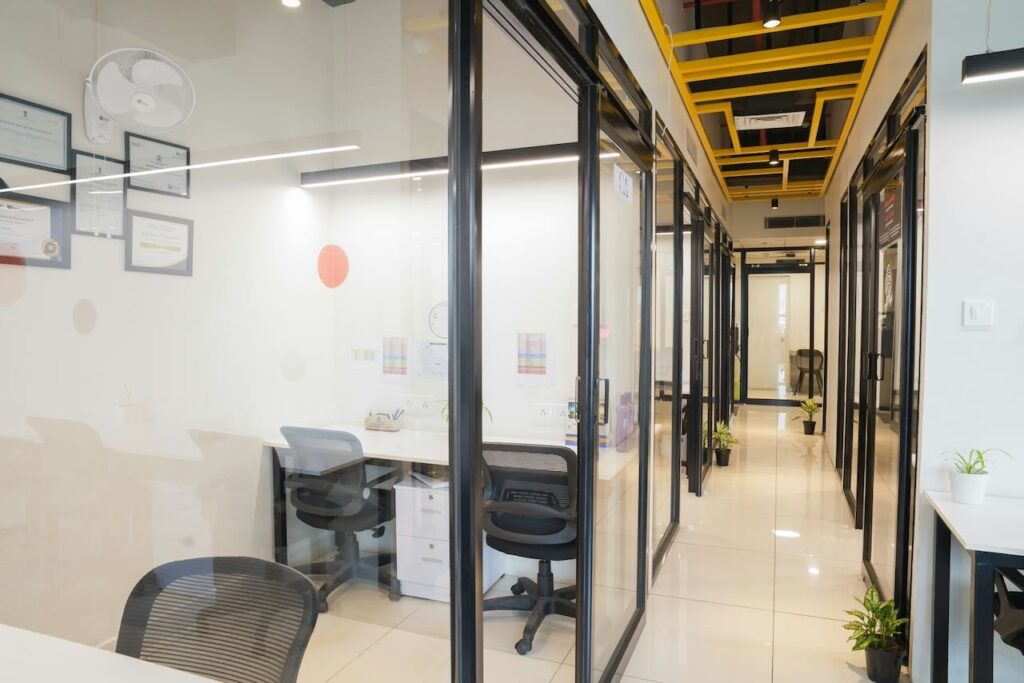
Despite the plethora of coworking spaces that have sprung up to meet this demand, a lot of these are designed for solo working rather than connection. So the loneliness problem remains unsolved. Many digital nomads continue to seek third places for human-to-human interaction in between sprints of screen time.
Can we really be surprised? Many of these coworking spaces don’t offer a cafeteria space for workers to take breaks, socialize, and nourish themselves—a missed opportunity if you ask me!
4. Productivity (AKA Hustle) Culture
Finally, it’s where all of these factors converge to shape the increasingly digital and consumerist culture.
The online business culture.
The remote work culture.
The influencer culture.
The rising-cost-of-living-so-I-need-two-remote-side-jobs culture.
As a result, we all seem to have a little less time, energy, and resources to spend on long, spontaneous gatherings in the middle of the day.
With fewer patrons, many local third places struggle to keep the lights on and are often forced to shutter their doors.
So how do we remedy this? How can we adapt our relationship to each other and to the act of gathering?
How do we rekindle the third place?
Rekindling the third place in our communities
The good news is that we don’t need to go to barista school or open up a brick-and-mortar just to bring our communities together.
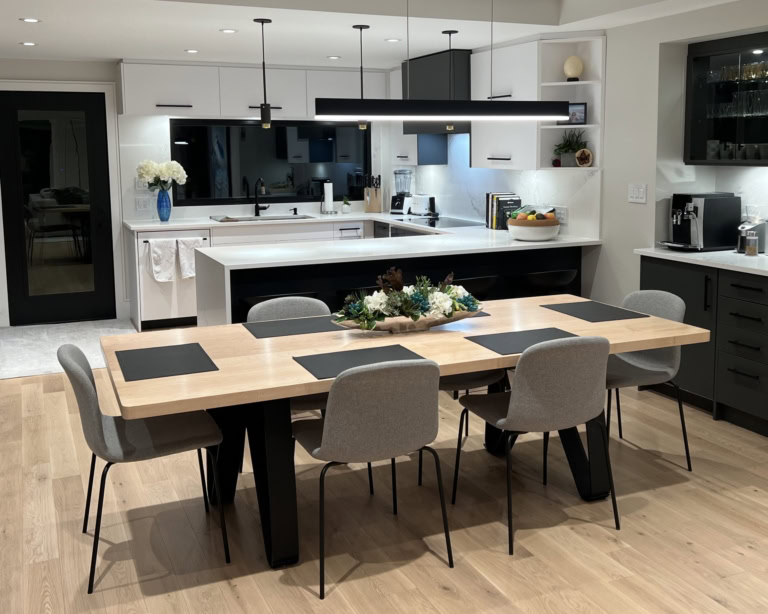
One (relatively low-cost) way we can propagate more third spaces in our communities is by reimagining parts of our homes as the third places we long for.
But isn’t the whole point of a third place that it’s separate from home?
Technically… yes. However, we argue that any space can be transformed into a place through intentional design.
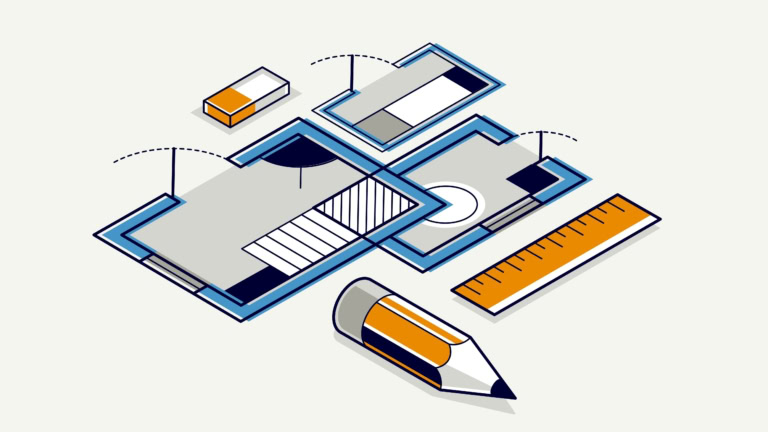
For instance, placemaking is an urban design concept that considers a community’s needs, assets, and social potential to create shared spaces that enhance collective well-being on several levels.
Just like city planners use placemaking to reimagine public spaces and transform them into functional places for connection, we can apply the same concept to our homes!
This is exactly the task that Talia and I occupied ourselves with during the early years of the pandemic, when dining and mingling at our regular haunts was no longer an option.
To learn more about how we did it, stay tuned for the second part of this series!
In it, we’ll go into the step-by-step process for creating a third place at home, along with examples of our home transformation journey.
In the meantime, check out our article about how our friend, Elva, turned her home into a third place by hosting a secret supper club!
Frequently Asked Questions
What is a third place?
A third place is a public space for gathering that does not require a large financial investment to take part in, such as a coffee shop, pub, bookstore, or community center. It sits apart from home (the first place) and work (the second place), giving people room to connect without production or obligation attached.
Who coined the term third place?
Sociologist Ray Oldenburg coined the term in his 1989 book, The Great Good Place, which explores why spaces that are neither home nor work matter to a healthy community. He pointed to pubs, beer gardens, and cafes as classic examples, arguing they root people’s sense of belonging beyond family and career.
Why are third places disappearing?
Four pressures are squeezing them at once. Rising rent and cost of living force venues to raise prices and limit lingering, smartphones pull people into screens instead of conversation, remote work floods cafes with solo laptop users, and hustle culture leaves less time for unstructured gathering, so fewer patrons means fewer venues survive.
How does remote work affect third places?
Remote work pushes lonely home workers into cafes and coworking spaces seeking connection, but most coworking spaces are built for solo focus, not socializing, and often skip shared cafeteria space entirely. That leaves the loneliness problem unsolved and crowds out the people who wanted the cafe for conversation in the first place.
What are examples of third places?
Classic third places include pubs, beer gardens, cafes, and community centers, the settings Ray Oldenburg originally studied. Modern examples extend that list to bookstores, art galleries, university pubs, and tennis courts at a local rec center, anywhere people can linger, talk, and return often without spending much to belong there.
How can we bring back third places?
One low-cost route is placemaking, the same urban design approach city planners use to turn public spaces into gathering spots, applied to a home instead of a storefront. Reimagining part of a house as a shared, welcoming space lets neighbors gather without anyone taking on a commercial lease or opening a business.
Continue Reading:
More On Third Places
More from The Gourmet Host
- Small Gifts That Will Make Your Dinner Party Guests Feel Special
- A History of Communal Dining Experiences (& How To Create Your Own)
- Birthday Dinner Ideas for a Home-Cooked Celebration
- 7 Best Potluck Themes That Turn Shared Dishes Into a Real Menu
- Potluck Sign-Up Sheets: The Perfect Potluck System
Explore TGH Categories
- Set the Scene
- Drinks and Bar
- Plan the Meal
- Engage with Guests
- Games and Toasts
- Tools and Techniques
- Why We Gather