The Great Entertaining Debate: Home or Out?
 9 min read
Every host faces the question at some point: do you cook at home or book a restaurant? Each option trades one set of advantages for another. At home, you control the playlist, the menu, and the guest list — but you also wash the dishes. At a restaurant, the service and cleanup disappear — but so does your ability to shape the atmosphere, seat people strategically, or serve the exact dish you know your friend loves.
The answer depends on the occasion, the guest count, and how much creative control matters to you.
Below is an honest comparison of both options — benefits, drawbacks, cost considerations, and the situations where each one clearly wins.
Entertaining at Home: Benefits and Drawbacks
Home entertaining offers a personal and unique experience. One major benefit is the customization it allows. You can plan every detail, from the menu to the music, ensuring it reflects your taste and your guests’ preferences. This way, you will create a one-of-a-kind dining experience, selecting ingredients from local farmers’ markets or specialty stores. For example, a summer BBQ might feature handpicked meats and cheeses, homemade sides, and a signature cocktail, creating a cozy and memorable ambiance.
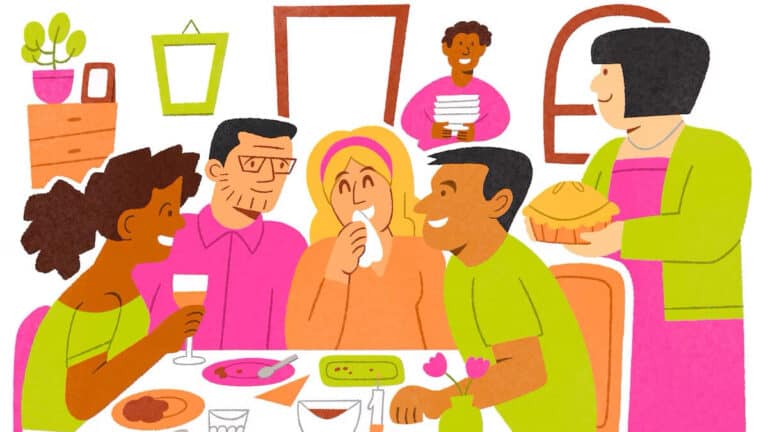
Hosting at home also provides a personal touch. Inviting friends and family into your home creates an intimate atmosphere where guests can relax and engage in meaningful conversations. A thoughtfully set table with fresh flowers and soft lighting can make guests feel valued and cherished.
But of course, preparation can be time-consuming and labor-intensive. Obtaining ingredients, cooking, and cleaning up afterward require significant effort. Planning a nine-course gourmet meal, like the ones Elva Alushi prepares for her Supper Club, involves meticulous planning and execution. Even for seasoned hosts, arranging decor, music, seating, and other essentials can be daunting. Limited space might also restrict the number of guests you can comfortably accommodate.
The Convenience of Public Dining Spaces
Public dining spaces, such as restaurants and event venues, can alleviate many of these burdens. One major advantage is the professional services they offer. Restaurants handle cooking, serving, and cleanup, allowing you to focus on enjoying your guests. This can be a relief, especially for those who find the preparation and aftermath of home entertaining overwhelming.
Another benefit is the built-in amenities. From elegant decor to professional lighting and sound systems, these venues are designed to create a polished, hassle-free experience. This can be particularly beneficial for formal events, such as milestone birthdays or anniversaries, where you want everything to be just right without the stress of organizing it yourself.
Public dining spaces can also accommodate larger groups more comfortably than most homes. This makes them ideal for celebrations involving extended family or larger groups friends. A family reunion at a spacious restaurant can ensure everyone is comfortable and has plenty of room to mingle.
The Trade-Offs of Dining Out
Despite these conveniences, public dining spaces have drawbacks. They often lack the personal touch that makes home gatherings special. Menus are typically standardized, offering limited flexibility for customization. The experience, while polished, can feel less intimate, more impersonal, and often quite rushed. Dining out can also be significantly more expensive, with service charges and markups adding to the cost. Public spaces are often noisier and crowded, detracting from the ambiance and making it harder to have in-depth conversations.
Tips for Enhancing Your Entertainment
Blending the best elements of home entertaining and public dining can refine your hosting game. Thoughtful planning is key and incorporating personalized touches makes a difference. For example, if hosting at a restaurant, consider bringing custom place cards or arrange a signature drink that reflects your style.
Start with a clear vision of the experience you want to create. For a home gathering, design a menu that showcases your favorite dishes or set up a cozy seating area for after-dinner conversation. If entertaining at a restaurant, work with the staff to create a menu that aligns with your tastes. Many establishments are willing to accommodate special requests.
Balancing cost and experience is also important. Home entertaining can be more cost-effective, especially if sourcing ingredients from local stores or specialty shops. But budget for all aspects of the event, including decor and music. Dining out can be more expensive but often includes many of these elements.
Consider combining the convenience of public spaces with the personal touch of home entertaining. Hosting a pre-dinner gathering at your home before heading to a restaurant for the main meal can offer the best of both worlds. Serve homemade appetizers and drinks before moving to a restaurant for the entrée and dessert.
Remember, the heart of any gathering is the connections you build. Focus on creating an environment where people feel welcome and valued. The effort you put into encouraging these connections will be remembered long after the event.
In the End, It’s About Togetherness
Ultimately, the choice between entertaining at home and dining out depends on your priorities and the type of experience you wish to create for your guests. There is something special about hosting at home, where you control every aspect of the event. The ability to tailor the menu, ambiance, and personal touches creates an intimate and memorable atmosphere. However, dining in public spaces offers the convenience of professional service, built-in amenities, and the capacity to accommodate larger groups.
In the end, gathering is what holds the most significance. Whether hosting a dinner party at home or enjoying a meal at a restaurant, the connections you deepen and the memories you create are what truly matter. And food, in its own right, is a rewarding reason to come together, bridging gaps and nurturing relationships.
As you plan your next event, consider what will make the experience most meaningful for you and your guests, and embrace the joy of sharing a meal with those you care about.
Frequently Asked Questions
Is it cheaper to host a dinner party at home or eat out?
Hosting at home costs less overall. You control ingredient sourcing from farmers’ markets or specialty stores and skip the service charges, gratuity, and menu markups restaurants add. Dining out trades that savings for convenience, since venues bundle decor, music, and service into the price. Home events still need a decor and music budget.
What are the benefits of hosting a dinner party at home?
Hosting at home gives you full control over the menu, playlist, seating, and pace of the evening. You can source ingredients from local farmers’ markets, set a table with fresh flowers and soft lighting, and shape an intimate atmosphere for real conversation. The tradeoff: cooking, setup, and cleanup fall entirely on you.
Why choose a restaurant over hosting at home for a special event?
Restaurants and event venues hand you professional cooking, serving, and cleanup, so you focus on your guests instead of the kitchen. Built-in decor, lighting, and sound systems create a polished setting without extra planning. Venues also seat larger groups more comfortably than most homes, which suits reunions and milestone celebrations.
How many guests can a restaurant accommodate compared to hosting at home?
Restaurants and event venues generally handle larger groups than a private home can. Limited seating, kitchen capacity, and floor space cap how many people you can comfortably host at your own table, while a restaurant’s dining room is built for volume. That makes venues the practical choice for family reunions or big milestone parties.
Can you combine hosting at home with going out to a restaurant for one event?
Yes, pairing both works well for one evening. Host a pre-dinner gathering at home with homemade appetizers and drinks, then move the group to a restaurant for the entree and dessert. This blends the intimacy and personal touches of your own space with the convenience of professional service for the main meal.
What’s the downside of dining out for a special occasion?
Dining out limits customization, since restaurant menus are standardized and harder to tailor to a specific guest or occasion. The setting can feel rushed, noisy, and impersonal compared to a home gathering, and service charges plus markups often push the total cost higher than cooking and hosting yourself.
Continue Reading:
More from The Gourmet Host
- Dinner Party Seating: 6 Rules for the Host’s Chart
- Icebreaker Questions for Couples That Deepen Connection
- Dinner Speech Topics: What to Talk About After the Meal
- The Best Hot Sauce Making Kits for a DIY Dinner Party Activity
- How to Flambé at Home: A Host’s Guide to Safe Flames
Explore TGH Categories
- Set the Scene
- Drinks and Bar
- Plan the Meal
- Engage with Guests
- Games and Toasts
- Tools and Techniques
- Why We Gather