The Best Hot Sauce Making Kits for a DIY Dinner Party Activity
 11 min read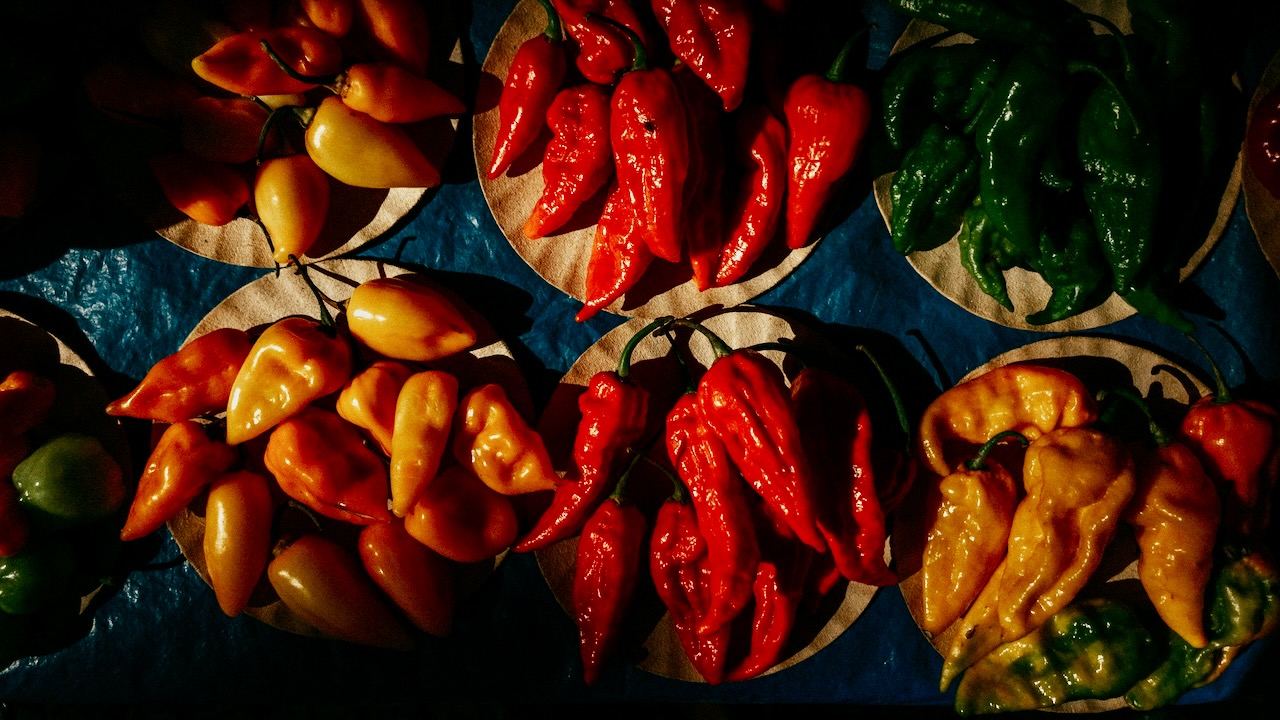
Picture your next dinner party with a table lined in dried peppers, squeeze bottles, and tiny labels waiting for names. Your guests lean in, sniff a Carolina reaper flake, and laugh when someone dares to add a second pinch.
That’s what a hot sauce making kit turns an ordinary evening into—a shared, hands-on experience where everyone walks away with a bottle they blended themselves.
This guide walks you through building a complete DIY hot sauce station — from choosing the right kit to setting up the blending table. You’ll finish the evening with labeled bottles your friends will actually use long after the last guest leaves.
At a Glance
- A hot sauce making kit provides the peppers, vinegar, spices, and bottles you need to blend custom sauces from scratch at home.
- Setting up a DIY station turns sauce-making into an interactive group activity that keeps guests engaged between courses.
- Kits range from mild Ancho Pasilla blends to extreme Carolina Reaper levels, so you can match heat to your crowd.
- Finished bottles with customizable labels double as take-home party favors that extend the memory of the evening.
- Most kits include step-by-step instructions simple enough for guests with zero cooking experience to follow confidently.
What Is a Hot Sauce Making Kit?
A hot sauce making kit is a boxed set of hot peppers, vinegar, spices, and bottling supplies designed to let you create your own hot sauce from scratch without sourcing individual ingredients. Unlike buying a bottle off a shelf, the kit puts the cooking process in everyone’s hands—turning flavor into a shared decision rather than a solo one.
What Comes in a Hot Sauce Making Kit (and Why It Matters for Hosting)
Most DIY kits arrive with everything you need to go from raw ingredients to finished bottle in a single session. That self-contained design is exactly what makes them ideal for a gathering—you don’t need to hunt down specialty peppers or worry about missing a step.
A well-stocked kit removes the prep burden so you can focus on your guests.
- Dried peppers and spice blend: Expect a range from smoky Ancho Pasilla to fruity Habanero or scorching Carolina Reaper. The variety lets guests customize their heat level from mild to intense.
- Vinegar base: Kits typically include apple cider vinegar or white vinegar as the acidic backbone. Some premium kits offer both so guests can experiment with different flavor profiles.
- Woozy bottles and customizable labels: Most kits package four to six woozy bottles—the classic hot sauce shape—plus blank labels guests can personalize with their sauce name and heat level.
- Step-by-step instructions and ph. strips: Clear recipe cards walk even beginners through the blending process, while ph. strips confirm the acidity is safe for storage.
Craft A Brew’s hot sauce kit with dried pepper varieties is a strong starting point for a group of four to six.
For a fermentation-forward approach, Farmsteady’s fermented hot sauce kit with live cultures adds a tangy depth that sparks conversation about the science behind the flavors.
If you want more variety in your spice blend, Craftly’s kit with layered spice options lets guests explore different combinations of heat and smoke.
Once you know what’s inside the box, the next step is arranging it all into a station that feels inviting rather than cluttered.
|
Keep the Cooking Plan Together |
How to Set Up a DIY Hot Sauce Station Your Guests Will Love
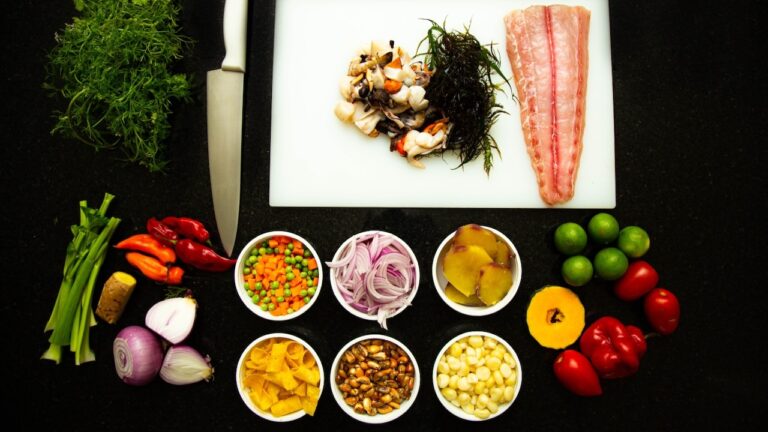
The secret to a great sauce station is flow. Arrange ingredients left to right in the order guests will use them—peppers first, then spices, then vinegar, then bottles—so the process feels intuitive without a single word of instruction.
A kitchen island or long dining table works best, with enough elbow room for three or four guests to work side by side.
Fartley Farms’ hands-on review of a DIY hot sauce kit highlights how even first-timers can follow the simple recipes without help. Lay out small tasting spoons so guests can sample as they go—the real fun happens when someone discovers that a squeeze of lime juice completely changes their blend.
Follow these steps to keep your station running smoothly from first pour to final label:
- 1. Pre-measure base portions: Divide your vinegar into individual measuring cups—one per guest—so nobody has to wait for the bottle to come around.
- 2. Group peppers by heat level: Place milder options like Ancho Pasilla on the left and scorching choices on the right. Label each bowl with the pepper name and a rough Scoville range so guests can gauge their comfort.
- 3. Set out “secret weapons”: Small dishes of brown sugar, garlic powder, or smoked paprika give guests a way to add umami depth or sweetness. These extras turn a simple recipe into endless spicy possibilities.
- 4. Stage the bottling area: Keep squeeze bottles, funnels, and customizable labels at the far end of the station so guests bottle up only when their blend is final.
In our experience hosting sauce nights, the station works best when it’s set up before guests arrive so the first thing they see is a colorful spread of peppers and spices that draws them in.
Vat19’s make-your-own hot sauce kit guide offers additional layout inspiration for smaller spaces.
With the station ready, the next decision is which kit best matches your crowd’s taste buds and adventure level.
|
Hosting Tip: Label Every Sauce Heat Level |
Choosing the Right Kit: Heat Levels, Ingredients, and Flavor Profiles
Not every hot sauce kit suits every crowd. A birthday dinner with adventurous foodies calls for a different kit than a casual family brunch. The best approach is matching the kit’s heat level and ingredient range to the guests you’re hosting.
Brooklyn Brew Shop’s fermented hot sauce kit with gochugaru and habanero suits groups that enjoy bold flavors and don’t mind waiting a few days for fermentation.
- Mild and approachable: Look for kits built around Ancho Pasilla, Guajillo, or Poblano peppers. These deliver rich, smoky warmth without overwhelming heat—perfect for a mixed group where some guests prefer a milder sauce.
- Medium heat with complexity: Kits featuring Serrano, Chipotle, or Gochugaru hit a comfortable medium heat while layering in smokiness or fruity notes. They reward guests who like to experiment with different combinations of spice.
- High heat for thrill-seekers: Carolina Reaper or ghost pepper kits are for crowds that want bragging rights. Set these peppers apart with a clear warning label and keep dairy nearby to cool taste buds.
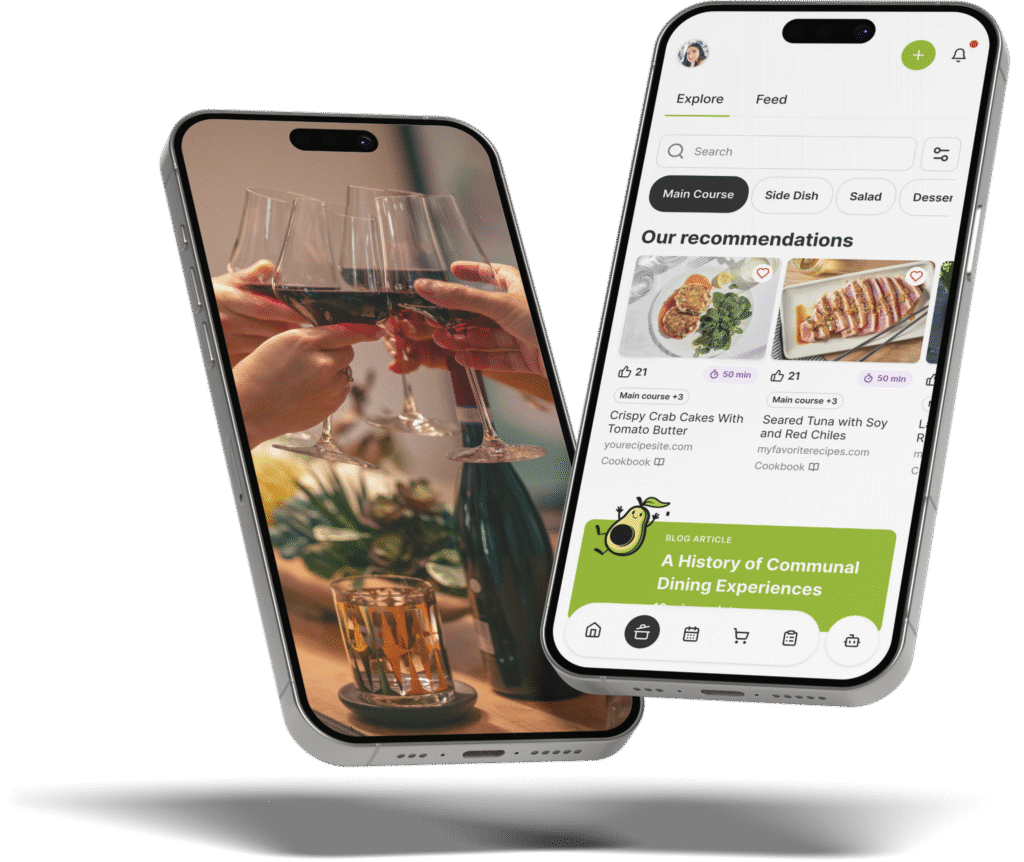
If you’re building the evening’s full menu around the sauce station, The Gourmet Host app can help you pair courses that complement the heat levels your guests are creating—a cooling cucumber salad alongside a scorching reaper blend, for instance.
Once everyone has blended their signature sauces, the final step is packaging them into something your guests will proudly take home.
|
Share Every Prep Task Clearly |
From Bottles to Labels: Turning Homemade Sauces into Take-Home Favors
The moment guests peel a blank label off the sheet and write their sauce name is when the activity stops being a cooking exercise and becomes a keepsake. A bottle of own sauces sitting on a friend’s fridge shelf weeks later is the kind of reminder that turns a good dinner into one people talk about.
That lasting impression is what separates a hot sauce station from just another appetizer course.
- Name the sauce together: Encourage guests to give their blend a creative name. “Dave’s Regret” or “Slow Burn Sunday” gets more laughs than “medium hot.” Write names on the customizable labels in marker for a handmade feel.
- Add a heat-level badge: Use colored dot stickers—green for mild, yellow for medium heat, red for “proceed with caution.” It makes the bottles look polished and helps recipients remember what they’re opening later.
- Package for the road: Wrap each finished bottle in a small piece of tissue paper or drop it into a kraft bag. Gift sets like these cost almost nothing but feel intentional and generous.
Delightfully Hot’s DIY hot sauce kit with ready-to-fill bottles packs everything you need to go from blend to gift in minutes.
Planning a hot sauce night is the kind of hosting idea that looks impressive but takes surprisingly little effort.
Browse interactive dinner party ideas on The Gourmet Host for more activities that get your guests out of their seats and into the experience. With our hosting experience, we’ve learned that the best gatherings are the ones where guests help create the evening—and a hot sauce station does exactly that.
Frequently Asked Questions
Are hot sauce making kits worth it?
Yes, especially as a group activity rather than a solo project. A single kit makes four to six bottles for about the price of two premium store-bought sauces, and the shared experience plus personalized take-home favors adds value beyond the ingredients. Kits from brands like Craft A Brew use ingredients that outperform typical grocery-store recipes.
What comes in a hot sauce making kit?
A standard kit includes dried peppers ranging from mild to extreme, a vinegar base like apple cider or white vinegar, a spice blend, woozy bottles, customizable labels, pH strips for testing acidity, and step-by-step instructions. Some gift sets add gloves, funnels, or bonus pepper varieties for guests who want more blending options.
Can you make hot sauce without fermentation?
Yes, most hot sauce making kits use a quick-cook or raw-blend method that finishes in under an hour, with no fermentation required. You rehydrate the dried peppers, blend with vinegar and spices, then bottle. Fermented kits exist for hosts who want to start days ahead, but a non-fermented kit works better for a same-night activity.
How long does homemade hot sauce last?
Vinegar-based homemade hot sauce lasts three to six months when stored in a sealed bottle in the refrigerator. The vinegar’s acidity acts as a natural preservative, and pH strips confirm the sauce is acidic enough for safe storage. Fermented sauces can last even longer, since fermentation adds another layer of preservation, though flavor keeps developing over time.
How hot should a beginner batch actually be?
Aim well below what you think you want. Guests taste in small spoonfuls during the making and in large spoonfuls later, and heat builds as a sauce sits. Start with jalapeno or Fresno peppers, keep one chilli aside, and add it only after the first taste.
Which peppers work best for a first batch?
Fresno, jalapeno, and red serrano all balance heat with actual flavour, which is what makes a sauce worth keeping. Habanero and scotch bonnet bring fruit but overwhelm a beginner batch fast. Blend one hot pepper into a base of milder ones rather than building the whole sauce from it.
Continue Reading:
More On Cooking Techniques
- 4 Advanced Methods & Techniques For Creative Home Cooking
- Cold Smoking vs Hot Smoking: Which Technique Is Right for You?
- Different Methods & Techniques For Cooking Like a Chef
- How to Flambé at Home: A Host’s Guide to Safe Flames
- How to Make Homemade Pasta: A Hands-On Hosting Skill
- How to Sous Vide: The Stress-Free Technique Every Host Needs
- The Complete Cooking Techniques List for Confident Home Hosts
More from The Gourmet Host
- Easy Summer Appetizers Your Guests Will Actually Ask For
- Best Card Games for Your Next Dinner Party Night
- Best Apps for Planning a Dinner Party in 2026
- Heavy Hors d’Oeuvres: 12 Bites to Replace Dinner
- Easy Strawberry Mocktail Recipes for a Sweet Crowd
Explore TGH Categories
- Set the Scene
- Drinks and Bar
- Plan the Meal
- Engage with Guests
- Games and Toasts
- Tools and Techniques
- Why We Gather