Italian Dining Etiquette: The Host’s Table Guide
 13 min read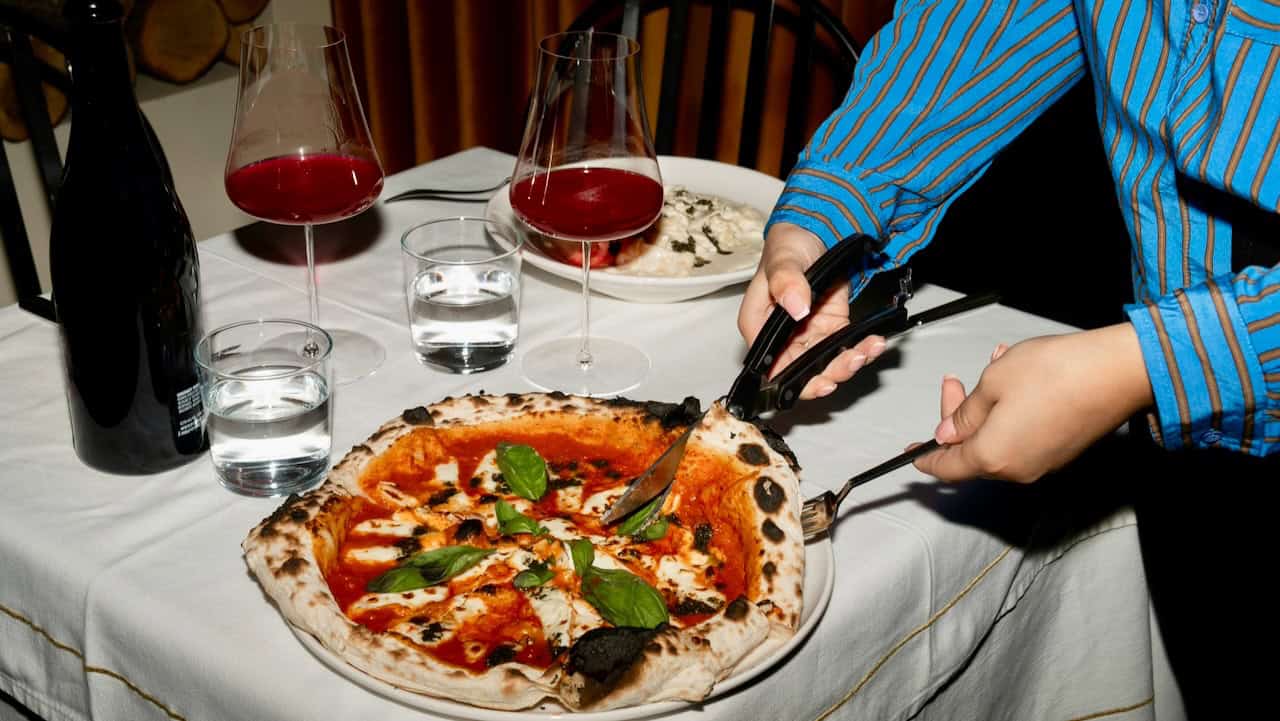
Hosting an Italian dinner does not mean memorizing a long rulebook of table manners. A handful of customs do almost all the work, and most of them are about how you pace and serve the meal rather than which fork goes where.
The rhythm is the part that matters. An Italian meal moves in courses, antipasto through dolce, with the table lingering between each one, so your serving plan shapes the night as much as the cooking does.
Get the food right but rush the courses, drop butter beside the bread, or pour a cappuccino after the plates are cleared, and the meal quietly stops feeling Italian to a guest who grew up with it. None of those slips is fatal, and each one is easy to sidestep.
What follows is the short list a host needs: the course sequence, the bread and pasta customs, how wine and water move around the table, the cappuccino cutoff, and a quick-start checklist that makes the dinner feel Italian without performing it.
At a Glance
- Italian dining etiquette is mostly about pacing: a meal runs antipasto, primo, secondo with contorni, then dolce and coffee, with time between courses.
- Bread accompanies the meal rather than starting it, butter rarely appears, and using bread to wipe the plate, scarpetta, is welcome at home.
- Long pasta is twirled with a fork against the bowl, never cut and never helped along by a spoon in most regions.
- Cheese suits many pastas but is traditionally left off seafood; offer it with the dishes that call for it and skip it for fish.
- Cappuccino is a morning drink; after dinner serve a small espresso or a digestivo such as amaro or limoncello.
- A host’s job is to pace the courses, pour for others, and let the table linger, which is most of what makes the meal feel Italian.
What Is Italian Dining Etiquette?
Italian dining etiquette is the set of table customs that govern how an Italian meal is paced, served, and shared, from the order of the courses to the small rules around bread, pasta, cheese, and coffee. For a host it matters less as a list of dos and don’ts and more as a serving rhythm: the meal is built to unfold slowly across antipasto, primo, secondo, and dolce, with conversation filling the gaps. Honoring that rhythm, rather than performing every regional rule, is what makes dining etiquette in Italy translate to a home table that feels genuinely Italian to your guests.
Hosting an Italian Dinner: What Changes at Your Table
The biggest shift is tempo. A typical dinner-party plan front-loads everything onto the table at once, while Italian dining etiquette spreads the meal across courses that arrive in sequence, so your kitchen plan has to feed that rhythm instead of fighting it.
That changes what a host worries about. The cooking still matters, but the serving order, the gaps between courses, and keeping glasses topped up become the real work of the night. Food & Wine’s local’s guide to Italian dining etiquette frames these customs the same way, and our full Italian dinner party menu guide maps the dishes onto that sequence so you can cook ahead and plate in order.
- Plan in courses, not one big spread, so each dish arrives at its own moment.
- Build in pauses between courses; the lingering is the point, not a delay to apologize for.
- Keep the host moves simple: pace the table, pour for others, and let the meal breathe.
Once you treat the meal as a sequence, the next question is what that sequence looks like from antipasto to dolce.
The Course Sequence: Antipasto to Dolce
Italian meal courses follow a steady order, and as a host you serve each in turn rather than crowding the table. The full sequence is the spine that Italian table manners hang on, so it helps to know it before you plan the menu.
You do not have to serve every course to be correct. Eataly’s breakdown of the anatomy of an Italian dinner and a clear walkthrough of the Italian dinner courses at home both show how the order holds even when you trim it to three courses for a weeknight gathering.
- Antipasto: a light opener of cured meats, cheeses, marinated vegetables, or bruschetta, served while everyone settles in.
- Primo: the first course, usually pasta, risotto, or soup, served in a modest portion rather than as the main event.
- Secondo with contorni: the meat or fish course, plated with simple vegetable sides rather than piled together.
- Dolce and coffee: a dessert, then a small espresso, closing the meal slowly rather than clearing everyone out.
With the order set, the smaller customs inside it are where guests notice the difference, starting with the bread.
|
Build the Italian Courses in Order |
Bread, Olive Oil, and the No-Butter Rule
Bread sits on the Italian table to accompany the meal, not to start it. There is no buttered-bread basket before the food arrives, and bread mostly earns its place by soaking up sauce once the courses are underway.
That is why butter rarely appears beside it. The custom of wiping a plate clean with a torn piece of bread, called scarpetta, is a welcome habit at a home table, as Italy Magazine explains in its piece on the ritual of fare la scarpetta. Offer good olive oil if guests want something on the bread rather than reaching for butter.
- Plain bread: serve it in a basket or on the table, without a butter dish beside it.
- Welcome scarpetta: using bread to wipe up sauce is a compliment to the cook, not bad manners at home.
- Good olive oil: put out a small dish if you want an accompaniment, and skip the pre-meal bread course entirely.
Bread settled, the dish most loaded with quiet rules is the one most people reach for first: the pasta.
Pasta Done Right: Spoon, Cheese, and a Few Firm Rules
Long pasta is twirled against the side of the bowl with a fork alone. In most regions a spoon is not used to help, and cutting spaghetti with a knife is the slip guests notice most, so serve pasta in shallow bowls that give the fork room to work.
Cheese is the other point of Italian dinner etiquette worth getting right. Grated cheese suits many tomato, meat, and vegetable pastas, but it is traditionally left off seafood, where it overpowers the fish, a rule Food Republic unpacks in its look at why asking for extra cheese can go wrong. Eataly’s guide to pasta etiquette covers the twirl and the no-spoon habit in more detail.
- Serve long pasta in shallow bowls so guests can twirl against the rim with a fork.
- Skip the spoon and never offer a knife for pasta; let the fork do the work.
- Offer grated cheese with tomato, meat, and vegetable pastas, and keep it off seafood dishes at the table.
Plates handled, the table’s flow depends just as much on how the drinks move around it.
|
Hosting Tip: Pour for Others, Never Just Yourself |
Wine and Water at the Italian Table
Wine and water travel together through an Italian meal, and both belong on the table from the start. The wine pour is a shared courtesy: you fill your neighbors’ glasses, they fill yours, and no one tops up only their own.
Keep the pours modest and steady rather than filling glasses to the brim, since the wine is meant to last across courses. Our roundup of Italian aperitivo drinks for hosts covers what to open before the meal, and a wine that suits the menu is worth choosing alongside the courses, not after them.
- Both on the table: still or sparkling water is standard alongside the wine, from the start of the meal.
- Pour for others first: fill the glasses near you and let the bottle move around, rather than serving only yourself.
- Modest pours: keep them light so a glass of wine carries a guest comfortably across two or three courses.
Once the meal winds down, the most-watched custom of the night arrives with the coffee.
The Cappuccino Cutoff and After-Dinner Coffee
Cappuccino is a morning drink in Italy, full stop. The milk is considered too heavy to follow a full meal, so a cappuccino after dinner reads as out of step, however much a guest might want one.
After the dolce, serve a small espresso instead, then offer a digestivo to close the table. HuffPost lays out the logic behind the no-cappuccino-after-dinner rule in its rundown of Italian food rules, and Punch makes the case for the after-dinner amaro in its guide to the Italian digestivo.
- Serve espresso, not cappuccino, after dinner; save the cappuccino for breakfast or a mid-morning break.
- Offer a digestivo such as amaro, limoncello, or grappa to round off the meal.
- Let the coffee and digestivo stretch the table; this is the slow close, not the signal to clear out.
Knowing what to serve is half the picture; knowing the few slips that read as rude is the other half.
|
Never Forget the After-Dinner Amaro |
What Reads as Rude, and What to Do Instead
A few habits stand out at an Italian table, and each has a simple fix that fits the rhythm of the meal. None is a disaster, but knowing them lets you host with confidence rather than guesswork.
These mostly come down to respecting pace and tradition. The Tuscany Now and More guide to galateo and the dos and don’ts of Italian etiquette and The Italy Edit’s list of Italian etiquette dos and don’ts both cover the customs that travel beyond the dinner table too.
- Rushing the courses: let each one breathe instead of clearing plates the moment they are empty.
- Asking for substitutions: serve the dish as planned; heavy menu tinkering reads as second-guessing the cook.
- Parmesan on seafood: keep grated cheese off fish pastas, where it masks the seafood.
- Cutting long pasta: twirl it with a fork; offer shallow bowls so guests do not reach for a knife.
These are the same courtesies that carry across cultures, and the universal mechanics of a polite meal sit underneath them all.
Where Italian Etiquette Sits Among the World’s Tables
Dining etiquette in Italy shares its bones with the rest of Europe: a paced sequence of courses, fork-and-knife service, and toasting customs that reward a host who reads the room. If you host across cuisines, the underlying mechanics carry over more than you might expect.
The course logic is closest to its continental neighbor, so our French dining etiquette host guide is the natural companion read, and a cheese course at home slots neatly after the secondo. For the universal layer, our guides to table manners for hosts and place-setting rules cover the cues that work at any table, while the Japanese table etiquette quickstart shows how differently utensils can behave from one culture to the next.
- France shares the multi-course rhythm, fork-and-knife service, and the habit of lingering over the table.
- The universal courtesies carry too: waiting for the host’s cue, keeping pace with the table, and complimenting the cook.
- Utensil customs vary widely, so never assume one cuisine’s rules apply to another’s table.
With the customs and the context in hand, the last piece is turning them into a few moves you can set up before guests arrive.
A Host’s Quick-Start Checklist for an Italian Dinner
Boil Italian dining etiquette down to a handful of moves and the dinner mostly runs itself. Set these up before guests arrive and the meal will feel Italian without any performance on your part.
Treat the list as a loose plan rather than a strict script, and lean on the same warmth you would bring to any table. The point is pacing and generosity, not flawless execution of every regional rule.
- Plan the courses: map the meal from antipasto to dolce, even if you trim to three courses, and prep so you can plate in order.
- Set the bread plain: a basket of good bread, olive oil if you like, and no butter dish in sight.
- Use shallow pasta bowls: give the fork room to twirl, and offer cheese only with the pastas that call for it.
- Stage wine and water: both on the table, modest pours, and refill around the group rather than just yourself.
- Close slowly: espresso and a digestivo after the dolce, never a cappuccino, and let the table linger.
Get those five right and the rest takes care of itself. The meal moves at an Italian pace, the customs register where guests will feel them, and you spend the night at the table with your guests rather than chasing every rule in the kitchen.
Frequently Asked Questions
What is considered impolite at an Italian dinner table?
Rushing the courses, asking for substitutions, and ordering a cappuccino after dinner all read as out of step in Italy. Cutting long pasta or piling cheese on a seafood dish are also frowned on. Let the meal unfold slowly and follow the table’s pace.
What is the correct order of an Italian meal?
A traditional Italian meal runs antipasto, then primo (pasta, rice, or soup), then secondo (meat or fish) with contorni (sides), followed by dolce and coffee. As a host, serve each course in turn and let the table linger between them.
Is it rude to ask for butter with bread in Italy?
At most Italian tables, bread is served plain to accompany the meal and soak up sauce, a practice called scarpetta, so butter rarely appears. Offer good olive oil if guests want something, and let the bread do its job alongside the courses.
Why can’t you order a cappuccino after dinner?
Italians treat cappuccino as a morning drink because the milk is considered too heavy to follow a full meal. After dinner, serve a small espresso or offer a digestivo such as amaro or limoncello. Save the cappuccino for breakfast or a mid-morning break instead.
Should you cut spaghetti or other long pasta?
No. Long pasta is twirled against the side of the bowl with a fork, not cut and not aided by a spoon in most regions. Serve pasta in shallow bowls so guests can twirl comfortably, and never offer a knife for it.
When is it okay to add cheese to a pasta dish?
Grated cheese suits many tomato, meat, and vegetable pastas, but it is traditionally left off seafood dishes, where it overpowers the fish. As a host, offer cheese with the dishes that call for it and skip it at the table for seafood pasta.
Continue Reading:
More On Dining Etiquette
- Dining Etiquette Around the World: A Host’s Guide
- Mexican Dining Etiquette: The Host’s Table Guide
- Chinese Dining Etiquette: The Host’s Table Guide
- Indian Dining Etiquette: A Complete Host’s Guide
- Korean Dining Etiquette: A Complete Host’s Guide
More from The Gourmet Host
- 60 Fun Trivia Questions to Test Every Dinner Guest
- 18 Dessert Bar Ideas for a Build-Your-Own Table
- Easy Italian Party Food Buffet Tips to Host Any Crowd
- Elegant Infusions: Explore Coffee Culture Around the World
- Non-Alcoholic Drinks: A Host’s Guide to Cocktails and Spirits
Explore TGH Categories
- Set the Scene
- Drinks and Bar
- Plan the Meal
- Engage with Guests
- Games and Toasts
- Tools and Techniques
- Why We Gather