French Hors d’Oeuvres: 5 Apéritif-Hour Classics
 17 min read
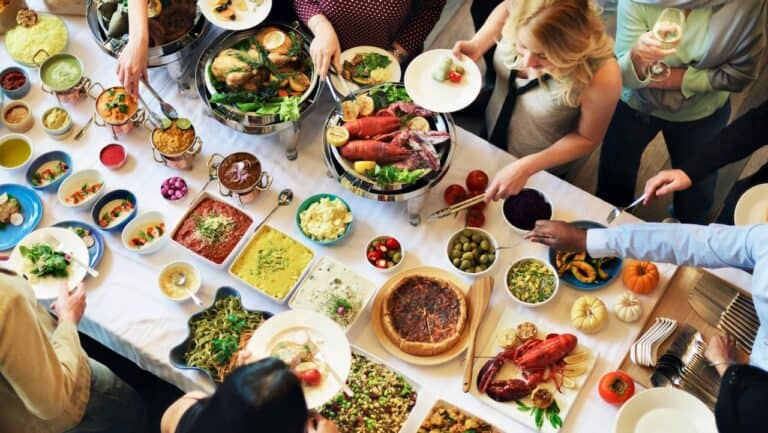
French hors d’oeuvres are not party food. They are a daily ritual. In Provence, in Lyon, in any French apartment with a balcony, the apéritif hour is the half-hour pour before dinner: a small glass of pastis or kir, a bowl of olives, a wedge of gougère still warm from the oven, a slice of pissaladière cut into squares. The host does not announce a cocktail party. The host sets out three small things and pours one drink.
Every French host has a shorthand for it: one salty thing, one briny thing, one cheesy thing, one pour. The five bites that land at most apéritif hours are gougères, tapenade, pissaladière, anchoïade, and rillettes.
This article maps that shorthand into a planning module a home host can run on a Tuesday: which five bites carry the hour, which three pours match, what holds 24 hours and what does not, and the service order from first arrival to dinner call.
At a Glance
- The French apéritif hour is a 30-to-60-minute pre-dinner ritual. It sets the tone for the meal, not a substitute for it.
- Five canonical French hors d’oeuvres carry most apéritif hours: gougères, tapenade, pissaladière, anchoïade, rillettes.
- Build a three-tier plate: one salty (olives, almonds, gougères), one briny (tapenade, anchoïade), one cheesy (Comté, chèvre, rillettes).
- Match three pours: kir or Crémant on the lighter end, pastis on the anise end, Lillet or vermouth in the middle. Add a sparkling-water-with-bitters or citrus pressé as the non-alcoholic anchor.
- Plate on small boards and shallow bowls. Wet items go in bowls. Bring the gougères out last, while they are still warm.
What Are French Hors d’Oeuvres?
French hors d’oeuvres are the small savoury bites that anchor the apéritif hour: a 30-to-60-minute ritual the French keep before dinner, not a stand-alone cocktail party. The canonical spread leans on five bites that recur across regions and seasons: gougères (warm cheese puffs), tapenade (olive paste on baguette), pissaladière (Niçoise onion tart), anchoïade (anchovy butter), and rillettes (slow-cooked pork spread). The host builds a salty-briny-cheesy plate, pours one pre-dinner drink per guest, and the dinner that follows feels like the second act, not the only act.
What the French Apéritif Hour Actually Is
Apéritif is a verb in French households as much as a noun. The word means ‘opener’ (from the Latin aperire, to open) and it describes both the bites and the act of gathering before a meal. The hour itself runs 30 to 60 minutes. Guests arrive, the host pours one drink, three or four small things appear on the table, and conversation runs without the pressure of a finished menu. The hour ends when the host says à table.
This is the single most important framing for a home host. Apéritif food is the warm-up, not the meal. Plan four to six bites per guest across the hour, not the eight to twelve a no-dinner cocktail party demands.
Our host’s primer on French dining etiquette covers the rituals around the table that follow, and the TGH guide to classic apéritifs for dinner parties walks through the pours side of the same hour.
How the apéritif hour differs from a cocktail party
- An apéritif runs 30 to 60 minutes before dinner. A cocktail party runs two to three hours and substitutes for dinner.
- Four to six bites per guest land at an apéritif. Eight to twelve bites land at a no-dinner reception.
- One drink per guest pours at an apéritif, refilled only if conversation lingers. Multiple drinks and rounds flow at a cocktail party.
The point of the hour is not abundance. The point is the cue: guests cross from outside the meal to inside it. Once that cue lands, the canonical bites step in.
|
Plan the Aperitif Spread With Ease |
The Five Canonical French Hors d’Oeuvres (Gougères, Tapenade, Pissaladière, Anchoïade, Rillettes)
Five bites cover most French apéritif hours across regions. Each one earns its place because it holds at room temperature for at least 30 minutes, scales across guest counts, and pairs with more than one of the canonical pours. The host who learns these five has a permanent shorthand for the hour.
Gougères: warm cheese puffs from Burgundy
Gougères are choux puffs studded with grated Comté or Gruyère. They bake in 18 minutes, freeze well in raw form, and are the one bite the host serves warm. The classic Bon Appétit gougères recipe and the King Arthur Baking gougères method cover the two main techniques. Pipe the dough into small mounds the size of a walnut. Bake from frozen for an extra two minutes. Serve within 10 minutes of pulling them from the oven.
Tapenade: olive paste from Provence
Tapenade is a Provençal paste of black or green olives, capers, anchovies, garlic, and olive oil. The Saveur tapenade recipe is the canonical method: pulse, do not purée. The texture should read rustic and slightly chunky. Spoon into a small bowl, drizzle olive oil on top, and serve with toasted baguette rounds. Tapenade holds five days in the fridge in a sealed jar.
Pissaladière, anchoïade, and rillettes round out the spread
- Pissaladière: Niçoise onion tart with caramelised onions, anchovies, and black olives on a pizza-thin pastry. Bake on a sheet pan, cool to room temperature, and cut into 1-inch squares for the apéritif hour.
- Anchoïade: anchovy butter or anchovy paste from the same Provençal lineage. Spread on toast, drizzle with olive oil, top with a few capers. Salty, briny, and demanding of a cold pour.
- Rillettes: slow-cooked pork shoulder shredded into a coarse spread and sealed under a thin layer of its own fat. The Serious Eats pork rillettes method produces a jar that holds two weeks refrigerated and reads classic on any apéritif board.
Pick three of the five for any given hour. Gougères plus tapenade plus rillettes is the safe trio. Pissaladière plus anchoïade plus Comté is the more Provençal one. For hosts looking to swap a sixth puff-pastry option into rotation, Bon Appétit’s ham and cheese feuilleté recipe shows a savoury pastry that holds the same role as gougères but uses puff dough rather than choux. The host’s shorthand is to never serve all five at once, because the spread reads cluttered when it should read curated.
Building the Three-Tier Apéritif Plate (Salty, Briny, Cheesy)
Most French apéritif boards split into three flavour tiers and stay there. Salty, briny, cheesy. Each tier carries two or three items, and together they cover the palate without any one element dominating. The host plates the three tiers in three separate areas of the board or across three small dishes.
The three tiers, item by item
- The salty tier carries warm gougères, salted Marcona almonds, and radishes served with sea salt and softened French butter. This tier whets the palate without weighing the hour down.
- The briny tier holds tapenade with toasted baguette, Niçoise or Castelvetrano olives, cornichons, and anchoïade for the table that likes the deeper Provençal note. Briny food is what makes the pre-dinner pour read as apéritif rather than dessert.
- The cheesy tier carries a small wedge of Comté, a young chèvre log rolled in herbs, and rillettes in a small ramekin. This tier holds the most substance and bridges the apéritif hour into the dinner that follows.
For hosts assembling the floral side of the table at the same time, our guide to elegant floral arrangements for the dining table covers the parallel logic for arranging stems while the apéritif tray comes together. The board reads finished when the tiers carry distinct visual weight.
Bowls hold wet items. Boards hold dry items. The BBC Good Food canapé recipe collection documents the same flavour-tier logic from the British canapé tradition, and the spread shapes carry across cultures. Three small bowls of olives, tapenade, and anchoïade plus a board of cheeses, gougères, and sliced baguette is the canonical layout for six guests.
|
Hosting Tip: Temper Each Cheese on Schedule |
Apéritif Pours That Match (Kir, Pastis, Lillet, Crémant)
Apéritif drinks are lower in alcohol than dinner wines and lean on bitter, herbal, or aromatic notes. The four canonical pours are kir, pastis, Lillet, and Crémant. A French host typically pours one per guest at the start of the hour and refills only if conversation runs long.
The four pours and what they pair with
- Kir: crème de cassis topped with dry white wine (Aligoté or a Sauvignon Blanc). One part cassis to nine parts wine. Pairs with cheesy tier especially well. A kir royale uses Crémant or Champagne instead of still wine.
- Pastis: anise-based spirit (Ricard or Pernod) cut with five parts cold water. Cloudy, herbal, and the canonical Provençal pour. Pairs with tapenade, anchoïade, and the salty tier in general.
- Lillet (or Vermouth): aromatised wine served chilled over ice with an orange twist. Lillet Blanc is sweeter and floral; vermouth is drier and herbal. Both bridge the salty and briny tiers.
- Crémant: French sparkling wine made outside Champagne (Crémant de Bourgogne, Crémant d’Alsace). The universal apéritif pour: works with all three tiers, and feels celebratory without the Champagne price tag.
Bon Appétit’s host playbook for stylish cocktail party ideas covers the broader cocktail-pairing logic for any pre-dinner hour. For an apéritif specifically, the rule is one pour per guest at the start. The host pours, sets the bottle on the side, and joins the conversation. No tray service, no second round unless asked.
Make-Ahead Window: What Holds 24 Hours and What Holds Six
The make-ahead window is where French hors d’oeuvres separate from American party food. Most of the canonical bites improve overnight, freeze raw, or hold in the fridge for a week. Only one element on the board needs day-of attention: the gougères, and even those bake from frozen in 20 minutes. The hour before guests arrive should not be the hour of cooking.
What holds 24 hours or more
- Tapenade holds five days in a sealed jar in the fridge, and the flavour deepens by day two as the olive, caper, and anchovy notes settle into the olive oil.
- Anchoïade holds three days refrigerated. Bring the jar to room temperature 30 minutes before serving so the butter softens enough to spread cleanly on toasted baguette.
- Rillettes holds two weeks under a fat seal, three days once opened. Serve at room temperature so the pork shoulder fat softens and the spread pulls cleanly with a knife.
- Pissaladière bakes 24 hours ahead and reheats in five minutes at 350 degrees Fahrenheit. Or serve at room temperature, which is closer to how Niçois hosts plate it across the apéritif hour.
What holds six hours or less
Gougères are the exception. Bake the morning of and hold in an airtight tin, or pipe and freeze ahead of time and bake from frozen at the bell. Olives need only an hour in their oil to come to room temperature. Sliced baguette toasts in five minutes at 400 degrees Fahrenheit.
Our guide to make-ahead appetizers for stress-free hosting covers the broader logic of staging cold and room-temperature items, and the TGH primer on easy cold appetizers adds zero-cook options the host can plate without the oven on.
|
Keep Every Make-Ahead Bite Organized |
Plating the Apéritif Hour (Boards, Bowls, and the Service Order)
Plating for an apéritif runs lighter than for a cocktail party because the hour is shorter and the spread is smaller. The working layout: one board, three small bowls, one bread basket, one cheese knife, one spreading knife. Set everything 20 minutes before guests arrive and bring out the warm gougères at the last moment.
The board layout, item by item
- Cheese on a small wooden board: one wedge of Comté, one log of chèvre, the rillettes ramekin. Knife in front of each cheese. Cheese paper underneath, not plastic wrap.
- Three small bowls in a triangle: olives, tapenade, anchoïade. Bowls of three to four ounces each, with a spoon in the spreads. Olives in a bowl that catches the pits, with a small empty bowl alongside.
- Bread basket beside the board: sliced baguette toasted for five minutes at 400 degrees Fahrenheit, lined with a linen napkin. Refill the basket once across the hour. The Epicurious cheese-and-appetizer recipe gallery shows the same layout from a roundup-style angle.
- Gougères on a separate small plate: brought out of the oven and onto the table at the last possible moment. The plate is small so guests refresh, not graze. Refill from the second tray pulled from the oven 20 minutes in.
The service order across the hour is direct. The host pours the first drink as guests arrive and points to the board. The board carries the first 20 minutes. At minute 20, the gougères come out. At minute 40, the bread basket is refilled. At minute 60, the host says à table.
Non-Alcoholic Apéritif Pairings (Sparkling Water With Bitters, Citrus Pressé)
A French apéritif anchored on alcohol is the default, but the same hour works with non-alcoholic pours. The principle is bitter, aromatic, or citrus-forward, not sweet. A pre-dinner pour should whet the palate, and sweet drinks dull it.
Three non-alcoholic apéritif pours
- Three drops of orange or grapefruit bitters in a coupe of cold sparkling water, finished with a lemon twist, is the closest non-alcoholic equivalent to a vermouth-and-soda. Bitter, aromatic, and lower in sugar than most ready-made non-alcoholic spritzes.
- Fresh lemon or grapefruit juice topped with cold sparkling water makes a citrus pressé. Cut the sugar to a half-teaspoon per glass so the drink reads tart rather than sweet. A French café staple served from 11 a.m. through the apéritif hour.
- Cold infused water with cucumber, mint, and lemon in a pitcher made an hour ahead pours into wine glasses, not water tumblers, so the non-drinking guest holds the same shape of glass as everyone else at the table.
The non-alcoholic anchor sits on the same table as the kir or pastis, in the same glassware, poured the same way. The Epicurious New Year’s Eve appetizer roundup covers pairings for a winter spread that translates to either side of the alcohol question. The host’s habit of treating non-drinking guests with the same care as drinking ones is what keeps the apéritif hour reading as warm rather than transactional.
Common French Apéritif Mistakes (Cold Gougères, Wet Pissaladière)
Most French apéritif missteps come from translating the hour into a cocktail party. The bites stretch too far, the pours multiply, and the dinner that follows feels like the third act of a long evening. The four mistakes below recur most often and each has a one-line fix.
The four most common missteps
- Cold gougères: the single most common mistake. Bake too early, the puffs deflate. Bake at the bell, the kitchen smells like a Burgundy café when guests arrive. Pipe and freeze raw, bake from frozen in 20 minutes.
- Wet pissaladière: raw onions release water onto the pastry. Caramelise the onions for 45 minutes until they read jam-like before topping the dough. Then bake at 425 degrees Fahrenheit until the edges crisp.
- Too many bites: the apéritif is not the meal. Four to six bites per guest across the hour. The BBC Good Food budget canapé guide covers portion logic that translates well to the apéritif scale.
- Heavy pours: apéritif drinks are lower in alcohol by design. Pour kir in small five-ounce glasses, pastis in tumblers cut with five parts water, Lillet over ice. A heavy hand on the apéritif pour dulls appetite for the dinner that follows.
The hour ends when the host says à table. The bites stop, the apéritif glasses go to the kitchen, and the dinner begins. A French apéritif done well is what makes guests sit down hungry, curious, and ready for the next two hours.
Frequently Asked Questions
What is a typical French apéritif food?
A typical French apéritif food spread leans on five bites: gougères (warm cheese puffs), tapenade (olive paste on baguette), pissaladière (Niçoise onion tart), anchoïade (anchovy butter), and rillettes (slow-cooked pork spread). Most hosts pick three of the five, plus olives, almonds, and a small wedge of Comté or chèvre.
What’s the difference between French hors d’oeuvres and canapés?
French hors d’oeuvres is the broader category covering all bites served before dinner. Canapés are a specific subset: single-bite items built on a base of toast, cracker, or vegetable, with a spread and a topping. Gougères, rillettes, and tapenade in a bowl are French hors d’oeuvres. A toasted baguette round with chèvre and fig jam is a canapé.
What do the French eat with apéritif?
The French eat salty, briny, and cheesy bites with apéritif drinks. Olives, almonds, gougères, tapenade on baguette, slices of saucisson, small wedges of Comté, and radishes with butter and sea salt are the most common. The spread stays light because the apéritif precedes dinner. Four to six bites per guest across the hour is the standard count.
How long should the apéritif hour last?
The apéritif hour lasts 30 to 60 minutes before dinner. Thirty minutes for a weeknight gathering, 60 minutes for a weekend dinner party. The host pours one drink per guest at the start, the bites carry the conversation, and the hour ends when the host announces dinner. Longer than 60 minutes risks dulling appetite for the meal.
What drinks pair with French hors d’oeuvres?
Kir, pastis, Lillet, vermouth, and Crémant pair best with French hors d’oeuvres. Kir matches the cheesy tier, pastis matches the briny tier, Lillet and vermouth bridge both, and Crémant works across the full spread. For non-drinkers, sparkling water with bitters or citrus pressé serves the same purpose. Pours stay light, around three to five ounces per glass.
Can you make French hors d’oeuvres ahead of time?
Yes, most French hors d’oeuvres are designed to hold. Tapenade keeps five days refrigerated, anchoïade three days, rillettes two weeks under a fat seal. Pissaladière bakes 24 hours ahead and reheats in five minutes. Gougères are the exception: pipe and freeze raw, then bake from frozen the hour guests arrive so they hit the table warm.
Continue Reading:
More On Hors d’Oeuvres
- Hors d’Oeuvres Menu Planning (A Host’s Playbook)
- Canapés Guide (A Host’s French Single-Bite Plan)
- Tapas Ideas (A Host’s Spanish Small-Plates Plan)
- Japanese Hors d’Oeuvres (An Izakaya Host Guide)
- Chinese Hors d’Oeuvres (Dim Sum Cocktail Bites)
- Heavy Hors d’Oeuvres (A No-Dinner Host Playbook)
- Gluten-Free Dairy-Free Hors d’Oeuvres (Host Plan)
More from The Gourmet Host
- Brunch Setup Ideas: Creative Table Setting Decor for Home
- Feast for the Ears: The Perfect Soundtrack to Enhance Your Dinner Party
- How to Throw a Surprise Birthday Party That Actually Works
- 5 Types of Potatoes and Which to Pick for Each Dish
- Holiday Icebreaker Questions for Festive Gatherings
Explore TGH Categories
- Set the Scene
- Drinks and Bar
- Plan the Meal
- Engage with Guests
- Games and Toasts
- Tools and Techniques
- Why We Gather