Dinner Parties Are a Way to Bring People Together In a World That Pulls Us Apart
 8 min read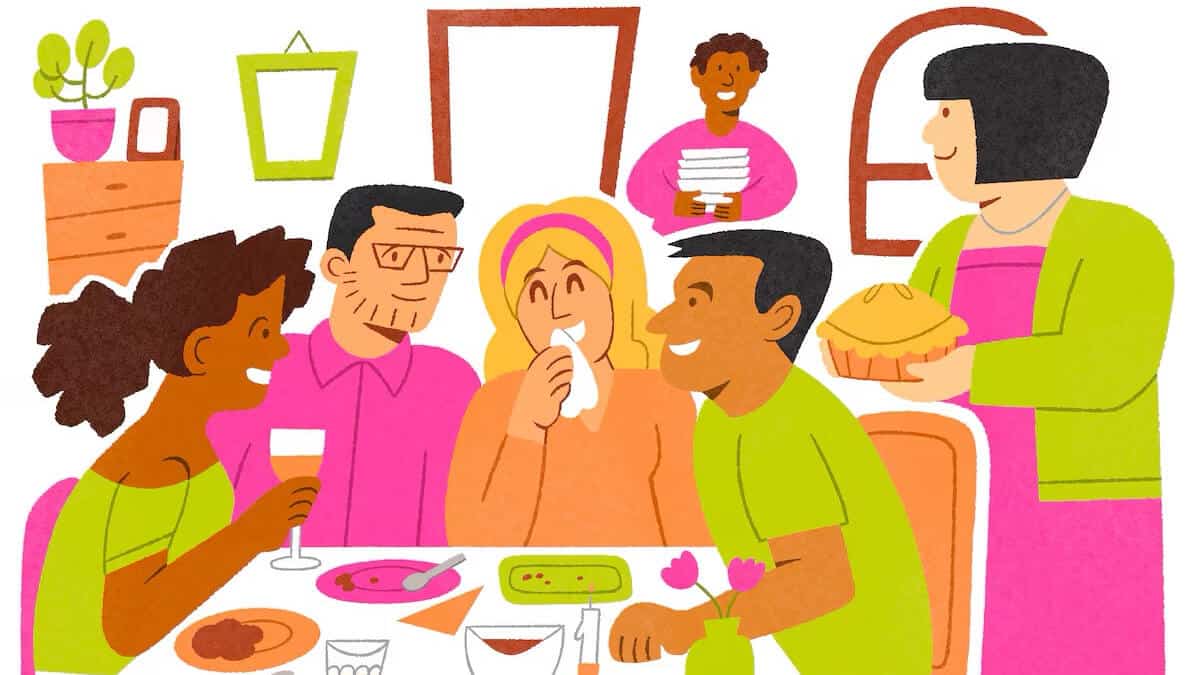
A First Person Reflection by David Jubé
First Published in the Globe & Mail
Illustration by Rania Abdallah
February 5, 2026
On a recent Friday night, after the last plates had been carried to the sink and most of our guests had slipped on their coats, two friends lingered at our dining table. The candles had burned low; the chairs had inched closer together, as they often do. Someone shared a story they had never told aloud before. Someone else laughed so hard they wiped their eyes with the corner of a napkin.
I remember looking around the room and thinking: Food wasn’t the point. What held our guests there was the company around them.
I didn’t always understand why hosting mattered so much to me. I grew up as an only child, so most dinners in our home were a table for three – my mother, my father and me. But those meals were non-negotiable. Every night we sat together for an hour, talking about our days. My father, shaped by his French upbringing, insisted on proper manners and long discussions; my mother made sure our plates were balanced and colourful. I filled the rest of the space with stories about school, sports and whatever I was dreaming about next. The table was small, but the ritual was large.
A few times a year, our quiet kitchen expanded into something else entirely. My parents would host a dinner for eight or 12 in our formal dining room and the energy would shift – overlapping voices, animated gestures, conversation spilling across the table. Even as a child, I felt drawn to that feeling. I didn’t have the words for it then, but I wanted to understand people, to hear their stories, to feel part of something larger than my own place at the table.
My wife, Talia, grew up in a home where hosting felt effortless. More chairs appeared when needed. Extra food somehow materialized. Old friends and new faces were welcomed without ceremony. Where I was drawn to hosting in moments, she lived it as a rhythm of everyday life. When we met 18 years ago, our instincts aligned. Even in our tiny apartment, before we had the space to do it well, we found ways to bring people together.
When the world turned inward, everything condensed to the three of us – Talia, our son Myles and me – sharing meals at home. That nightly ritual kept us grounded. When gathering became possible again, we felt an unexpected pull – not back to restaurants, but to our own table. We had renovated our kitchen during the pandemic, imagining a future where we could welcome people into our space. Now we finally could.
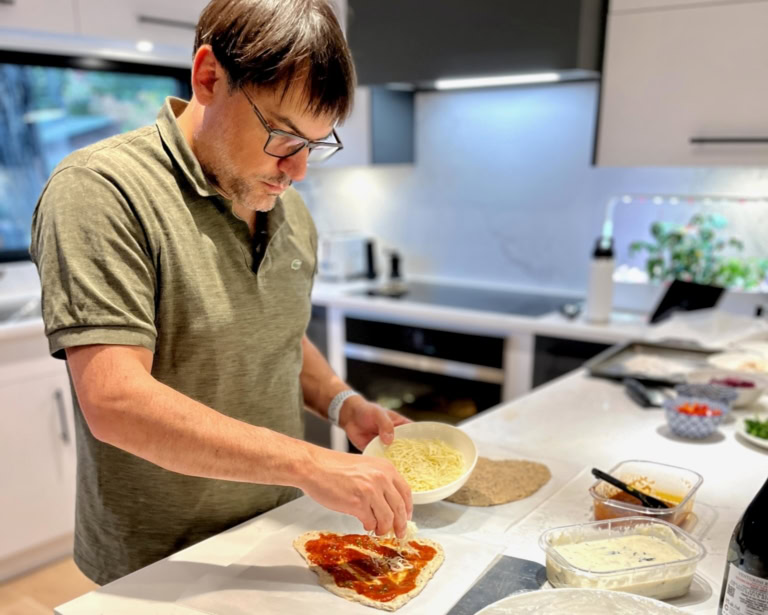
We began inviting people over – friends, colleagues, neighbours, sometimes people who barely knew each other. Talia would spend days planning the menu, scrolling through recipes and imagining how the dishes would fit together. I cooked everything from scratch, not because it needed to be elaborate, but because it felt like a way of honouring our guests walking through our door.
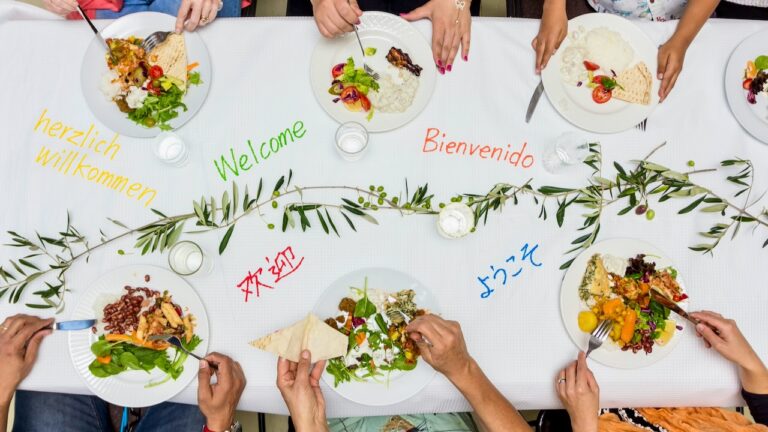
What surprised us was how often guests would pause at the door and say, “I didn’t realize how much I needed this.” These were people with busy social lives, full calendars, vibrant online connections. What they were missing wasn’t activity. It was undistracted presence – being with other people without an agenda, a screen, or a reason to leave early.
Hosting, we learned, has become strangely intimidating for many of us. Not because we don’t want to gather, but because modern life has stripped away the quiet apprenticeship that previous generations relied on. Many of us didn’t grow up watching a parent plan a dinner for 12 or learning how to time a meal so everything is hot at once – and without that quiet modelling, hosting can feel like a test instead of an invitation. We’ve inherited the desire to connect, but not always the skills that make it easy.
But hosting – even imperfect, slightly chaotic hosting – has a way of softening people. Something shifts when dishes are passed by hand, when conversations stretch into the night, when someone offers to help wash up and you let them. These rituals don’t need to be grand. They just need to be intentional.
What hosting has taught me about community isn’t abstract or philosophical. It shows up in small moments: a guest arriving early to pour the first round of drinks; someone remembering another guest’s allergy without being asked; a kitchen that begins the evening spotless and ends it looking like a place that has been well lived in. This is why Talia and I launched a business to help people host and plan dinners.
After our friends finally left that recent Friday night, the house still felt full, even though it was empty.
It struck me then that the dining table does more than feed people.
It gathers them.
And in a world that pulls us in every direction, it has become easy to forget how much we need places – and people – that invite us to come together.
Frequently Asked Questions
Why do dinner parties matter more than the food served?
The company matters more than the menu. This reflection describes guests lingering at the table long after a meal ended, still talking, because what held them there was undistracted time together, not what had been cooked. Food opens the evening; the connection between people is what makes it memorable.
What makes hosting feel intimidating for so many people today?
Hosting feels intimidating because many of us never watched a parent plan a dinner for a dozen guests or learned to time a meal so every dish arrives hot together. Without that quiet apprenticeship, an invitation can feel like a test instead of a welcome, even though the desire to gather never faded.
Does a dinner party need to be elaborate to bring people together?
No, it does not. The reflection frames hosting as working best when it stays intentional rather than elaborate: dishes passed by hand, conversations that stretch past dessert, a guest welcomed to help with the cleanup. These small, deliberate rituals soften a room more than an ambitious menu ever could.
How many guests make for a good dinner party?
A table for three keeps conversation close and steady, while a dinner for eight to twelve brings overlapping voices, animated gestures, and talk that spills across the table. Neither size is better. What matters is whether the gathering stays intentional rather than merely performative.
Is undistracted time with friends becoming rare?
Yes, even for people with full social calendars. Guests in the piece often paused at the door and admitted they had not realized how much they needed the evening, despite busy schedules and constant online contact. What they lacked was not activity but presence: time together without a screen, an agenda, or an early excuse to leave.
Should you invite guests who don’t know each other to a dinner party?
Yes, mixing familiar and unfamiliar guests can deepen a dinner party rather than complicate it. The reflection describes inviting friends, colleagues, neighbours, and people who barely knew one another, and finding that those gatherings still produced genuine connection. A shared table tends to draw strangers in faster than a shared calendar does.
Continue Reading:
More from The Gourmet Host
- Gracious Guests: Etiquette for Attending a Home Dinner Party
- 12 Easy Greek Appetizers to Serve at Your Party
- Easy Appetizer Ideas for Every Party and Gathering
- Outdoor Dining Ideas for Every Space and Style
- How to Choose the Best Wine for Your Seafood Menu
Explore TGH Categories
- Set the Scene
- Drinks and Bar
- Plan the Meal
- Engage with Guests
- Games and Toasts
- Tools and Techniques
- Why We Gather