How to Choose the Best Wine for Your Seafood Menu
 13 min read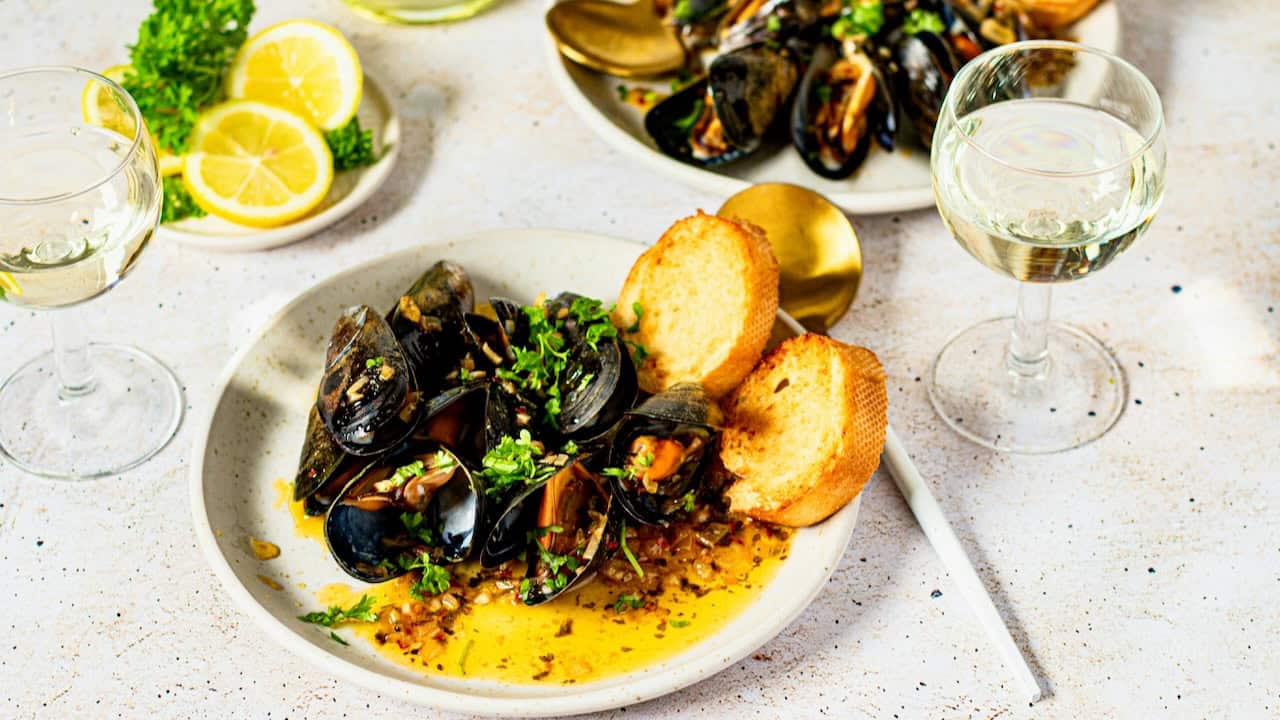
You’ve spent an hour debating whether to serve the salmon or the sea bass. The butter sauce is prepped, the table is set, and then someone asks: “What are we drinking?”
This is the moment most hosts freeze. Wine pairing for seafood feels loaded with rules—white only, never red, match the weight, watch the tannins. The advice is everywhere and it contradicts itself constantly.
We cut through the noise. Instead of defaulting to “white wine with fish,” you’ll learn how to match wine to preparation method, sauce, and your guests’ preferences—so every glass of wine at your seafood dinner party feels intentional, not accidental.
At a Glance
- Crisp white wines with bright acidity are the most versatile starting point for seafood pairings, but they’re not the only option.
- The preparation method and sauce matter more than the type of fish when choosing the right wine.
- Sparkling wine is one of the most seafood-friendly options and works across shellfish, white fish, and fried preparations.
- Lighter reds like Pinot Noir pair beautifully with fattier fish such as salmon and tuna steaks.
- Matching the weight of the wine to the weight of the dish is the single most reliable pairing principle for a dinner party.
What Is Seafood Wine Pairing?
Seafood wine pairing is the practice of selecting wines whose acidity, body, and flavor profile complement the texture and taste of fish and shellfish dishes. It matters for hosting because the right wine pairing turns a good seafood dinner into one your guests talk about for weeks.
What separates confident seafood pairing from guesswork is understanding that the best wine for seafood depends not on a universal rule but on the specific dish, its sauce, and how it’s prepared.
Why Preparation Matters More Than the Fish
Most seafood pairing guides organize recommendations by species: cod gets this wine, salmon gets that one.
But as Wine Folly’s fish pairing guide explains, the tannins in red wine interact with fish oils on your palate and can leave a metallic aftertaste—which is why most hosts default to white.
The real question isn’t what fish you’re serving. It’s how you’re serving it.
A poached white fish in lemon butter calls for a completely different wine than that same fish blackened with Cajun spices.
The sauce, the cooking method, and even the side dishes shift the flavor profile of the entire plate. Here’s how to think about it:
- Grilled or smoked preparations: The char and smoke add weight. Move toward a dry Rosé or a lightly oaked Chardonnay that can hold its own against those deeper flavors.
- Steamed or poached preparations: The delicate flavors of the fish stay front and center. Reach for crisp white wines like Pinot Grigio, Grüner Veltliner, or Vinho Verde.
- Fried preparations: Crispy battered fish needs sparkling wine. The effervescence and high acidity cut right through the oil, refreshing your palate between bites.
- Cream or butter sauces: A full-bodied white wine like an oaked Chardonnay or white Burgundy mirrors the richness without clashing.
Think of it this way: if someone described only the sauce and cooking method, you could pick a confident wine without even knowing the species. That’s the hosting mindset that makes seafood pairings feel effortless.
For a broader look at building a wine pairing menu across multiple courses, our course-by-course guide walks through wine progression from starters to dessert.
|
Keep the Drink Plan Together |
The Best Wines for White Fish and Shellfish
Delicate white fish—sea bass, cod, flounder, tilapia—and most shellfish share a common trait: their flavors are subtle and easy to overpower.
The general rule is to match them with light-bodied, high-acid wines that cleanse rather than coat the palate.
According to VinePair’s illustrated seafood pairing guide, Muscadet is particularly well-suited to tilapia because its mineral notes and citrus qualities tame the stronger fish flavors.
Here are the go-to wines for the lighter end of your seafood menu:
- Pinot Grigio / Pinot Gris: Dry, refreshing, with notes of citrus and green apple. Works across shellfish, white fish, and light seafood dishes prepared with olive oil or herbs.
- Sauvignon Blanc: Zesty acidity with herbaceous notes that complement shrimp cocktail, ceviche, and lighter preparations. A perfect match for fresh fish tacos.
- Muscadet: Bone-dry with mineral notes and coastal salinity—this Loire Valley white was practically made for raw oysters and steamed clams.
- Albariño: Bright acidity with stone fruit and a saline finish. A natural fit for crab cakes, scallops, and fresh seafood with herbal notes.
For raw oysters specifically, Decanter’s guide to pairing wine with fish recommends leaning toward wines with high minerality—Chablis, Champagne, or Muscadet—because the wine’s acidity lifts the oyster’s natural brininess rather than masking it. The same principle applies to shrimp cocktail and other raw preparations: keep the wine crisp and let the seafood do the talking.
If you’re serving shellfish alongside a charcuterie spread instead of a formal sit-down, our guide to wine and snacks covers pairing strategies for casual grazing.
Pairing Red Wine with Seafood
Yes—and the key is choosing lighter reds with low tannins and bright acidity. The reason red wine traditionally clashes with fish is that high-tannin wines interact with fish oils, producing a metallic taste.
But as Kvaroy Arctic’s seafood pairing guide notes, lighter reds like Pinot Noir pair well with richer seafood dishes because their soft tannins complement rather than compete with the fish’s natural flavors.
When to reach for red wine at a seafood dinner party:
- Salmon: A medium-bodied Pinot Noir with earthy notes and red berry flavors is one of the most reliable seafood pairings. Works especially well with grilled or cedar-plank preparations.
- Tuna steaks: Seared tuna has a meaty texture that can handle fuller-bodied wines. Try a fruity Grenache or a chilled Beaujolais for a pairing that surprises guests.
- Seafood stew or bouillabaisse: Tomato-based seafood dishes actually benefit from a light-bodied red. A Sangiovese or young Tempranillo mirrors the acidity of the tomato base.
The hosting insight here is worth noting: serving a red wine with fish signals confidence. Guests notice when a host breaks a “rule” intentionally and backs it up with a pairing that works.
If you’re exploring how different wines taste and want to brush up on vocabulary for the table, our article on ways to describe wine gives you the language to explain your choices with ease.
The Gourmet Host app can help you track which pairings landed well at past gatherings, so you build a personal playbook over time.
|
Hosting Tip: Serve Red Wine Slightly Chilled |
Why Sparkling Wine Is the Secret Weapon for Seafood
If there’s one type of wine that works with nearly every kind of seafood, it’s sparkling wine. The combination of high acidity, effervescence, and clean finish makes sparkling wine a natural palate cleanser between bites—exactly what rich, briny, or oily seafood dishes need.
Sizzlefish’s seafood and wine pairing resource confirms that all sparkling wines—Champagne, Prosecco, Cava—pair well with fried seafood preparations in particular.
Here’s a quick decision framework for different sparkling options at your seafood dinner party:
- Brut Champagne: The classic choice for raw oysters and shrimp cocktail. The fine bubbles and mineral notes bring out the briny sweetness of shellfish.
- Prosecco: Lighter and fruitier than Champagne, it’s a crowd-pleasing choice for casual seafood gatherings and pairs well with lighter preparations like crab cakes or fish tacos.
- Cava: Spanish sparkling wine with bright acidity and citrus notes. An underrated choice that pairs beautifully with spicy seafood dishes and seafood paella.
Master sommelier Madeline Puckette at Wine Folly recommends matching sparkling wine with raw shellfish for what she calls a “perfect pairing”—where both components create an entirely new flavor in your mouth.
The effervescence transforms raw oysters from briny to creamy, and that transformation is the kind of moment your guests will remember.
If you’d like to explore how bubbly fits into your broader drink menu, including cocktails and non-alcoholic options, check out our ultimate cocktail and food pairing guide.
Handling Sushi and Wine at a Dinner Party
Sushi is one of the trickier seafood pairings because you’re often serving multiple types of fish at once—each with a different texture and flavor intensity.
According to Decanter’s sushi and wine pairing guide, the best approach is to choose wines that work across two or three dishes rather than trying to match each piece individually. Sommelier Hiroshi Ishida suggests grouping sushi by category—shellfish, white fish, lean cuts—and picking one wine per group.
Practical picks for a sushi dinner at home:
- Dry Riesling: Versatile enough for sashimi, nigiri, and spicy rolls. The acidity cuts through fattier fish while the mineral notes complement delicate flavors.
- Grüner Veltliner: Herbal and peppery, this Austrian white pairs naturally with vegetable rolls, avocado, and lighter white fish preparations.
- Brut sparkling wine: If you want one bottle that handles the entire sushi spread, this is it. The bubbles cleanse between different flavors and refresh the palate.
A hosting-specific tip: if you’re serving a sushi platter, set out two wines rather than one. A crisp white for the lighter pieces and a sparkling wine for the richer cuts gives guests options without overwhelming the table.
For more on building your wine knowledge as a host, including how to taste and talk about wine with confidence, our beginner’s guide walks through everything a non-sommelier needs to know.
|
Share Every Prep Task Clearly |
The One Principle That Makes Every Seafood Pairing Work
After all the grape varieties, cooking methods, and specific pairings, the principle that ties everything together is weight matching.
As WineDeals’ comprehensive seafood pairing guide explains, the wine’s body should mirror the dish’s richness. Light seafood dishes—raw oysters, steamed mussels, delicate white fish—pair with crisp, light-bodied wines. Richer preparations—grilled salmon, lobster bisque, seafood stew—can handle fuller-bodied whites or lighter reds.
Here’s a simple framework you can use at your next dinner party:
- Lightweight dish + lightweight wine: Steamed clams with Muscadet. Shrimp cocktail with Sauvignon Blanc. The wine refreshes without competing.
- Medium-weight dish + medium wine: Pan-seared halibut with unoaked Chardonnay. Crab cakes with Albariño. Both elements hold their ground.
- Heavyweight dish + fuller wine: Grilled salmon with Pinot Noir. Lobster in cream sauce with oaked Chardonnay. The wine matches the dish’s intensity bite for bite.
When personal taste enters the picture—and it always does at a dinner party—the weight-matching principle gives you flexibility.
Your guest who only drinks red? Pinot noir with the salmon.
Your friend who loves bubbly? Champagne with the oyster course.
The framework adapts to your guests’ wine preferences while keeping every pairing grounded.
For a deeper look at how white wine food pairings extend beyond seafood, that guide covers poultry, pasta, and vegetarian dishes too.
And if your next dinner party goes beyond seafood to include steak, our guide to the best wine with steak covers cut-by-cut pairings using the same weight-matching approach.
Frequently Asked Questions
Does the cooking method change a seafood pairing?
More than the fish itself does. Steamed and poached seafood wants a light, high-acid white. Grilled or charred seafood takes something rounder, even a light red. Fried seafood needs bubbles above all. Match the preparation first and the species second.
Which wine suits a whole grilled fish?
Something with body but no oak. A dry Italian white such as Vermentino, a Loire Chenin, or a rosé with real structure all stand up to char without smothering the flesh. The smoke is the dominant flavour here, so pick for weight rather than delicacy.
How do I pair one wine with a seafood platter?
Pick the highest-acid, most neutral white you can find and let it carry everything. A platter spans raw, cooked, and cured in one sitting, so a wine with a strong personality will clash with at least a third of it. Muscadet and dry Riesling both do this well.
What wine goes best with shrimp?
Sparkling wine is the best match for shrimp, since its bubbles and bright acidity cut through both cocktail sauce and butter with equal ease. Brut Champagne or Cava suits shrimp cocktail and grilled preparations alike. If you’d rather pour a still wine, a zesty Sauvignon Blanc or dry Rosé also work well, especially with spicier shrimp dishes.
How many wines do you need for a seafood dinner party?
Two to three wines cover most seafood dinner parties comfortably. Start with one crisp white for lighter courses, add a sparkling wine for shellfish or fried dishes, and include a Pinot Noir if you’re serving salmon or another fattier fish. Your guests get variety without the table feeling like a wine shop.
Which wine suits oysters and raw shellfish?
Muscadet is the classic answer and still the best value. Chablis, dry Champagne, and Albarino all work for the same reason: high acid, low oak, and a saline edge that matches the shellfish rather than covering it. Avoid anything oaked, which turns raw oysters metallic.
Continue Reading:
More On Premium Wine and Food Pairings
- Basic Wine Knowledge for Beginners: Guidelines from a Sommelier
- Best Wine with Steak: A Host’s Guide to the Perfect Pour
- Different Ways to Describe Wine at Your Next Dinner Party
- How to Create the Perfect Wine Pairing Menu for Any Dinner Party
- Instead of Cocktail Hour, Try These Wine and Snacks Combos
- Premium Wine and Food Pairings: A Host’s Complete Guide
- White Wine Food Pairings: A Host’s Guide to the Perfect Match
More from The Gourmet Host
- The Complete Cooking Techniques List for Confident Home Hosts
- Minute to Win It Games for Adults (25 Funny Picks)
- Best Appetizers for a Crowd That Scale to Any Guest Count
- Birthday Party Decorations for Adults: Themes That Work
- Fun Wine Tasting Games to Play at Your Next Party
Explore TGH Categories
- Set the Scene
- Drinks and Bar
- Plan the Meal
- Engage with Guests
- Games and Toasts
- Tools and Techniques
- Why We Gather