7 Food Ideas for a Relaxed Housewarming Party
 12 min read
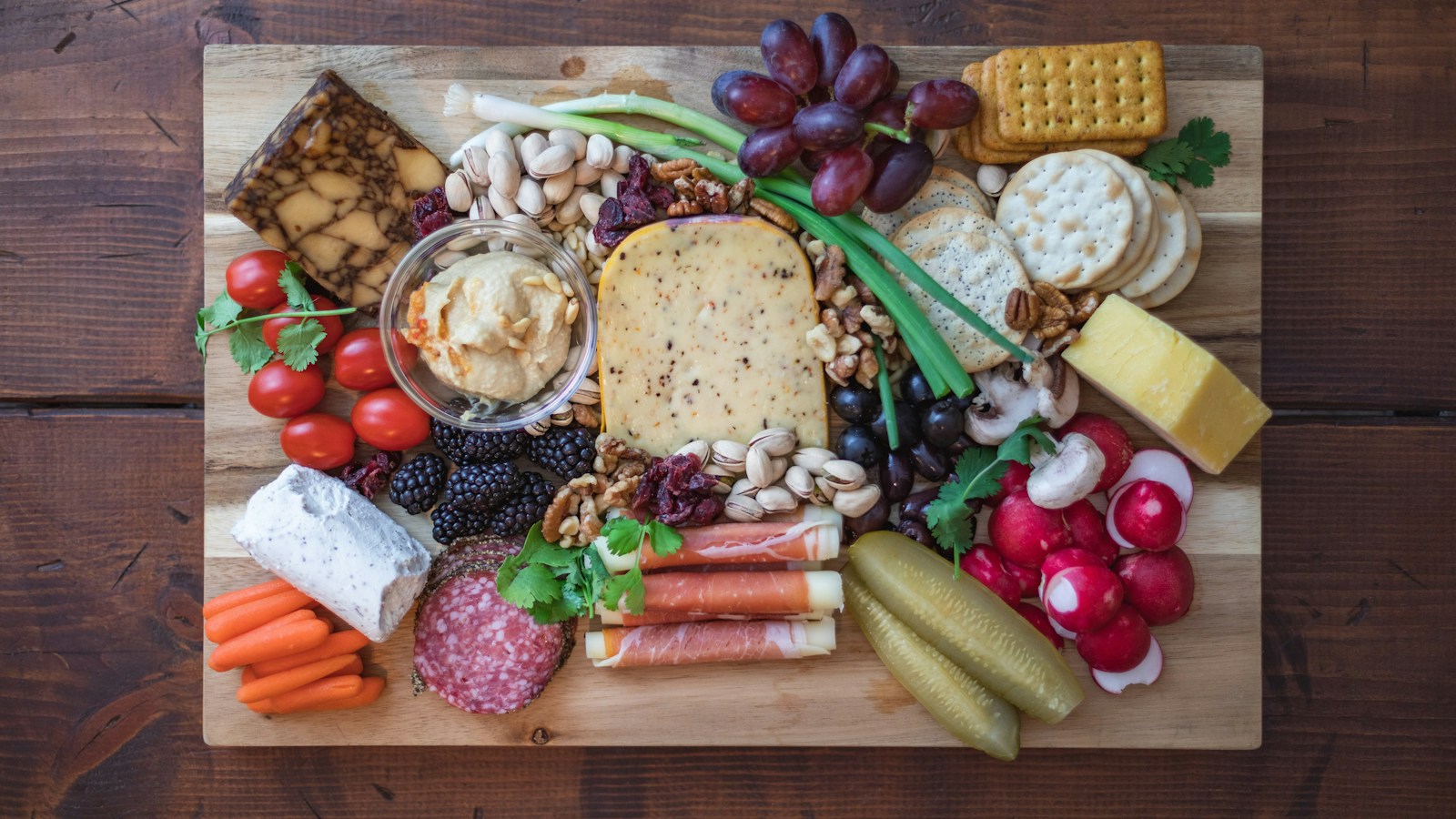
Planning food for a housewarming party requires balancing great taste with minimal day-of kitchen time. Your goal involves feeding four to twelve close friends while leaving yourself free to give home tours and enjoy their company. This guide outlines how to build an adaptable menu, calculate drink quantities, and set up serving stations that keep guests comfortable in your new space.
At a Glance
- Choose make-ahead dishes and keep perishable food safely chilled or hot-held until serving.
- Bake slider sandwiches in large batches rather than making individual portions for each guest.
- Mix large-format punches ahead of time to avoid playing bartender during the gathering.
- Estimate wine from the number of wine drinkers, serving sizes, and planned pours.
- Set up food stations away from the kitchen to encourage natural movement throughout the house.
Building a Menu for a Casual Housewarming
Serving food for a housewarming party means offering a flexible menu designed for guests who will walk around, stand, and explore a newly occupied space. This approach differs from a traditional sit-down dinner party because it does not rely on formal place settings or synchronized courses.
A housewarming menu prioritizes grazing over plated meals. Guests often arrive at different times and want to socialize in various rooms.
This type of hosting involves setting up central food stations and relying on make-ahead recipes. The difference between plated dinners and grazing menus is mobility.
Do not confuse this gathering with full catering or complex formal dinners. Keep the focus entirely on the people and the new house rather than spending hours tied to the stove.
How Do I Choose the Right Menu for My Space?
Focus on make-ahead buffet items that do not require formal seating, keeping perishable dishes chilled or hot-held until serving. This approach encourages guests to explore the new house freely while grazing. A hearty Mediterranean pasta salad serves as an excellent, make-ahead anchor for your central food station.
For more menu options, explore 25 Housewarming Party Food and Drinks for a Crowd.
Review Common Dietary Restrictions: A Host’s Guide to Every Guest before choosing ingredients for a mixed group.
Use How to Ask Guests About Dietary Restrictions: Scripts to collect clear information before finalizing the menu.
Set up your main food buffet in a central location. Keeping the food away from the kitchen prep zone optimizes guest flow and prevents bottlenecking near the oven.
Your guests will naturally gather where the snacks live.
Placing the main dishes in a living area or dining room helps everyone spread out.
A reliable pasta dish forms the perfect foundation for this setup. Making it ahead of time ensures you are not boiling water when friends ring the doorbell.
Keep the pasta salad refrigerated until serving and put out small portions over ice. Discard perishable food left out for more than two hours, or one hour when the temperature is above 90°F (32°C).
Offer a variety of textures alongside the soft pasta to keep the menu interesting. Crunchy vegetables and toasted pita chips work perfectly for this purpose.
Preparing the dressing separately prevents the pasta from absorbing too much liquid overnight.
You can toss everything together in a large bowl just thirty minutes before the party begins.
Consider checking out 15 Housewarming Party Ideas for a Stress-Free Gathering for more ways to layout your space. Planning your menu around room-temperature items removes nearly all hosting pressure.
|
Build One Shared Menu |
What Are the Best Finger Foods for Mingling?
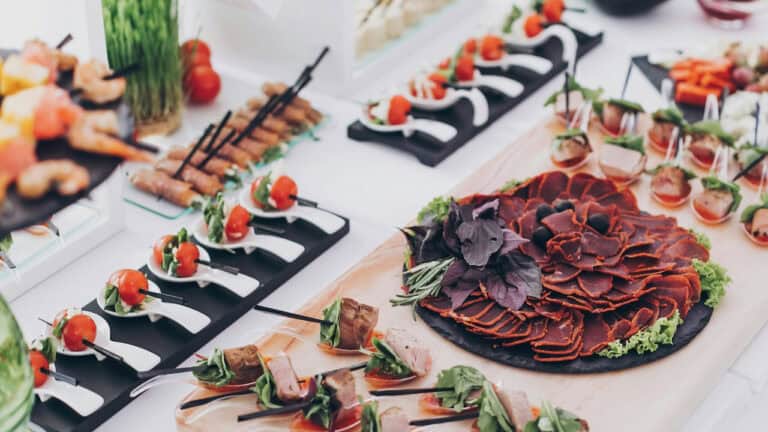
Opt for bite-sized, tidy appetizers that guests can easily eat while holding a drink or touring rooms. Crispy, savory items are universally loved and keep hands completely clean compared to heavy, saucy dishes.
Our Easy Cold Appetizers That Need Zero Cooking (Full Guide) guide can help you balance hot dishes with chilled bites.
Fry or bake hot appetizers right before guests arrive. You can use a low oven to hold them before serving, checking that the food itself stays at 140°F (60°C) or above.
Avoid anything that requires a knife and fork.
Handheld items allow guests to stand comfortably while chatting and pointing out architectural details.
Asian-inspired snacks offer excellent savory options that hold their shape well. Traditional harumaki are Japanese spring rolls encased in flour-based pastry sheets and filled with pork, chicken, shrimp, shiitake mushrooms, carrots, and glass noodles.
These rolls deliver incredible crunch and rich flavor in a convenient package.
You can prepare the filling a day early to save precious prep time.
Pair crispy foods with simple, sturdy dips that do not drip easily. A thick mustard or a dense yogurt sauce prevents accidental spills on your new rugs.
Providing small bamboo tongs next to each platter keeps the serving process hygienic.
Guests appreciate the attention to detail when grazing from communal plates.
| Appetizer Type | Serving Style | Preparation Note | Best Serving Vessel |
|---|---|---|---|
| Spring rolls | Hot | Follow recipe; hot-hold safely | Flat platter |
| Stuffed mushrooms | Hot | Cook before service; hot-hold safely | Ceramic baking dish |
| Hard cheeses | Small portions | Refrigerate until near serving | Wooden board |
| Marinated olives | Small portions | Follow recipe storage instructions | Small deep bowls |
Offering clean, handheld bites keeps the focus on fun conversation.
How Can I Serve Sandwiches to a Crowd?
Serving sandwiches to a group does not mean assembling them individually. Baking miniature rolls together creates a single, easy-to-slice foundation. You can build a large batch of sliders at once, melting the cheese in the oven before slicing them apart.
Use Best Appetizers for a Crowd That Scale to Any Guest Count to select dishes that are practical to portion and replenish.
Assemble the slider bake entirely ahead of time. Covering it in foil allows you to safely store it in the fridge until you simply warm it in the oven as guests arrive.
Making bread from scratch adds a personalized touch to your food for a housewarming party.
A good dough recipe forms the perfect base for your filling of choice.
This specific mini picnic roll dough recipe yields two dozen 2-inch rolls baked together in a single large pan as a base for party sliders. Baking them attached keeps the moisture locked inside the crumb.
Once baked, slice the entire slab of rolls horizontally with a serrated knife.
Layering ham, turkey, and provolone across the bottom half takes only seconds.
Selecting high-quality deli meats improves the final flavor profile immensely. You can also brush the tops with a mixture of garlic powder and dried parsley.
This strategy works because it feeds twelve people simultaneously with minimal effort.
While people eat, you might introduce some 7 Housewarming Party Games for Endless Guest Fun. Sliders work brilliantly for game nights because they require no formal attention.
|
Hosting Tip: replenish with small platters. |
How Much Wine Should I Buy for the Party?
Calculating your alcohol needs accurately prevents mid-party store runs and overspending. Estimate quantities from the number of guests who drink wine and how many measured servings you plan to offer, with water and non-alcoholic choices alongside.
Stock a balanced mix of red, white, and sparkling wines.
Keeping the whites and bubbly chilled in a designated ice tub frees up valuable refrigerator space.
Guessing drink quantities often leads to anxiety during the planning phase. Having a concrete rule removes the guesswork from your grocery shopping.
Wine Folly’s event-wine guide offers a planning estimate, but the right quantity depends on your guests and event. A 750 ml bottle holds about five 5-ounce (150 ml) servings.
For example, twelve wine drinkers having two 150 ml glasses each would use about five bottles in total; adjust for your actual guest preferences.
Split this allocation evenly among your chosen varietals. Choose red, white, and alcohol-free options according to your guests’ preferences.
Place the red wine on the buffet next to the glasses. Allowing guests to pour their own drinks creates a comfortable, welcoming atmosphere.
Providing a designated recycling bin nearby keeps empty bottles from cluttering your beautiful new countertops.
If guests ask what to bring, you might suggest they review 10 Gift Housewarming Party Ideas to Impress. Extra wine always makes a fantastic contribution to a new home.
What Is the Best Welcome Drink for a Housewarming?
A classic punch serves as the ultimate welcome drink for any casual gathering. It serves a crowd instantly and creates a beautiful focal point on your home bar, preventing you from having to play bartender all night while trying to host.
Mix the base spirits and juices in a large pitcher or bowl beforehand.
Adding the ice and bubbly elements right as the party begins preserves the carbonation.
Serving a signature drink sets a celebratory tone immediately upon arrival. Guests appreciate having a beverage handed to them as soon as they walk inside.
Traditional hosting advice suggests taking individual drink orders, but a self-serve punch bowl actually creates a better guest experience.
The classic punch ratio relies on the traditional formula of one part sour, two parts sweet, three parts strong, and four parts weak. Treat this as a starting framework and taste for sweetness, acidity, and dilution before serving.
Use fresh citrus juice for the sour component and simple syrup for the sweet.
Tea or ginger ale works wonderfully for the weak portion to dilute the spirits.
Using a large block of ice instead of small cubes slows down the dilution process. You can freeze water in a clean plastic container the night before to create the perfect ice block.
Garnish the bowl with floating citrus wheels and large blocks of ice. Punches also suit other seasonal gatherings.
|
Coordinate Every Contribution |
Should I Include a Formal Wine Tasting Activity?
A casual wine tasting acts as a fantastic icebreaker for friends visiting a new home.
Setting up a dedicated tasting station where guests can sample different varieties gives them an engaging activity and a natural conversation starter for the evening. Adding small tasting glasses and printable notes turns this interactive beverage station into a natural focal point for the room, allowing people to independently guide themselves through the flight while discussing flavor profiles and comparing preferences.
Pouring smaller amounts encourages guests to try multiple options without overindulging.
You can feature local wines from your new neighborhood to make it special.
Use measured tasting pours rather than full glasses. At 2 ounces (60 ml), a 750 ml bottle gives about twelve samples; at 3 ounces (90 ml), it gives about eight. Wine Folly’s tasting-party guide offers further setup ideas.
Write brief descriptions of each wine on index cards.
Place these cards next to the bottles so everyone knows what they are drinking.
Offering plain crackers and small glasses of water helps cleanse the palate between different varietals. This small detail mimics a professional tasting room experience right in your living room.
Wine tastings can also be part of a seasonal games evening. A structured activity gives guests something to enjoy together between courses.
How The Gourmet Host Helps You Manage Party Food
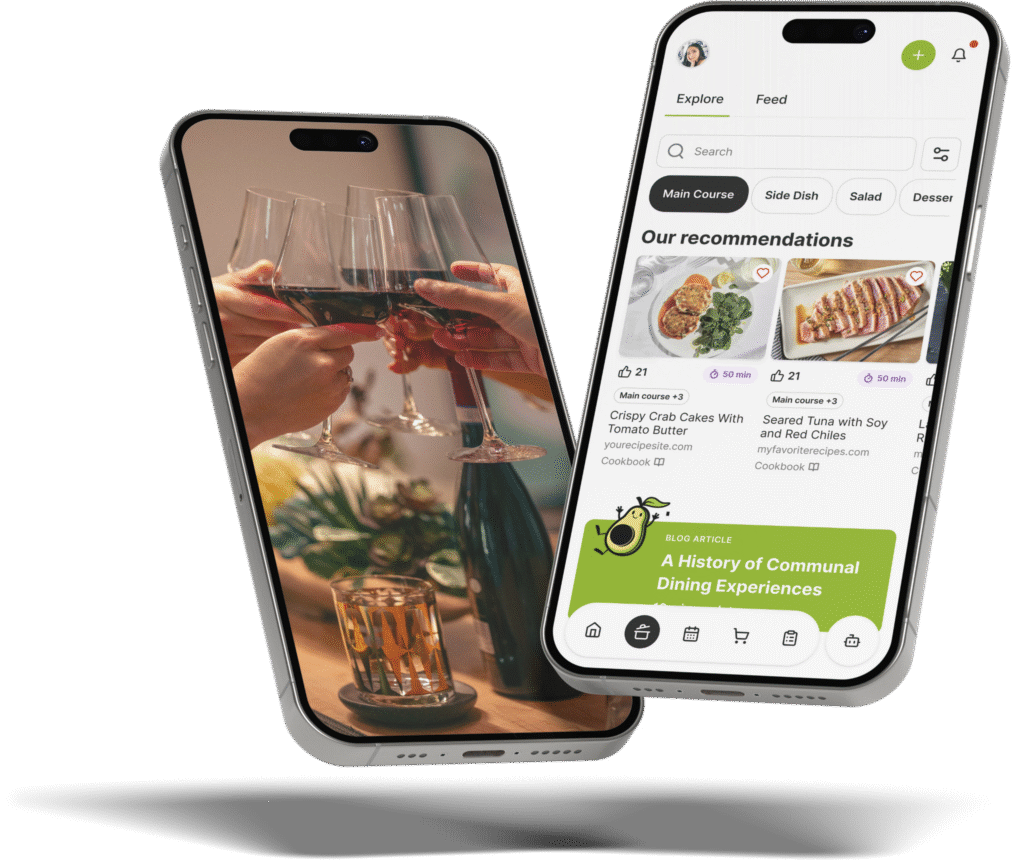
Build your housewarming menu from chosen recipes in The Gourmet Host mobile app and generate a shared grocery list. Review guest RSVPs and dietary notes while planning the food.
Co-hosts can share recipes, assign dishes through potluck sign-ups, and use task lists to coordinate shopping and preparation.
Set out smaller platters and replenish them from refrigerated or hot-held reserves. Keep cold perishable food at 40°F (4°C) or below and hot food at 140°F (60°C) or above, checking temperatures with a food thermometer.
Frequently Asked Questions
What is the easiest food to serve at a party?
The easiest food to serve at a party involves room-temperature grazing boards and baked slider sandwiches. These items require zero active cooking while guests are present, allowing the host to socialize freely. Preparing a large cheese board and a chilled pasta salad completely eliminates urgent kitchen timing.
Do I need to serve a full dinner at a housewarming?
You do not need to serve a full dinner at a housewarming gathering. A robust selection of heavy appetizers and handheld snacks provides plenty of sustenance for an evening event. Focusing on finger foods encourages guests to walk around and explore the new home comfortably.
How do you cater for dietary restrictions easily?
Catering to dietary restrictions involves keeping allergens separated and clearly labeling each dish on your buffet. Check ingredient labels and preparation methods, including dips and shared utensils, for the specific needs your guests identify. Using a digital planner helps track specific guest allergies before you finalize the menu.
Are guests expected to bring gifts to a housewarming?
Gifts are not required for a housewarming party, and hosts should not post a wish list or set up a registry. While visitors often bring wine or small items, their presence is the primary focus. If friends insist on bringing something, point them toward 10 Best Gifts for Housewarming Party Success.
Should I put a registry link on my invitations?
Housewarming etiquette advises against including housewarming registry details directly on mailed or social media party invitations. Sharing registry information feels transactional and contradicts the welcoming nature of the event. Allow guests to choose their own contributions, such as 7 Personalized Housewarming Gifts For Hosts.
What is a good non-alcoholic drink for a party?
A great non-alcoholic drink for a party is a sparkling citrus mocktail or a large-batch fruit punch. Mixing fresh juices with ginger beer or club soda provides a complex flavor profile without the alcohol. This ensures all guests have a celebratory beverage in hand.
Continue Reading:
More On Housewarming Gifts and Gatherings
- 10 Gift Housewarming Party Ideas to Impress
- 10 Best Gifts for Housewarming Party Success
- 15 Housewarming Party Ideas for a Stress-Free Gathering
- 7 Personalized Housewarming Gifts For Hosts
- 7 Housewarming Party Games for Endless Guest Fun
More from The Gourmet Host
- 25 Housewarming Party Food and Drinks for a Crowd
- Easy Cold Appetizers That Need Zero Cooking (Full Guide)
- Best Appetizers for a Crowd That Scale to Any Guest Count
- Common Dietary Restrictions: A Host’s Guide to Every Guest
- How to Ask Guests About Dietary Restrictions: Scripts
Explore TGH Categories
- Set the Scene
- Drinks and Bar
- Plan the Meal
- Engage with Guests
- Games and Toasts
- Tools and Techniques
- Why We Gather