dining table centerpiece ideas for everyday: Full Guide
 12 min read
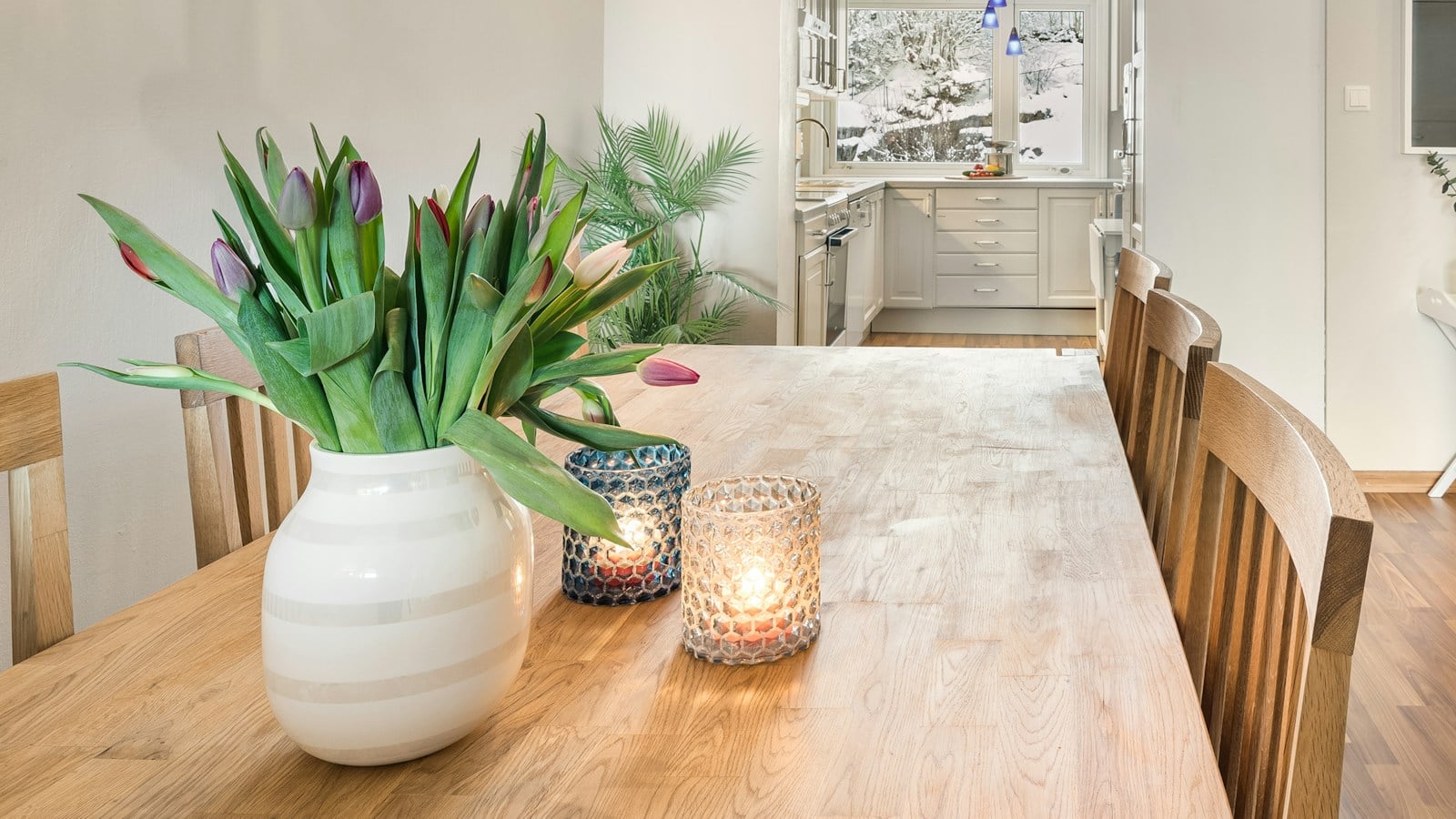
Planning dining table centerpiece ideas for everyday use helps you maintain an inviting space between meals. You need an arrangement that functions well on a busy weekday morning while looking beautiful for a Friday night gathering.
This guide provides exact measurements and styling rules to keep your table practical. You will discover proper clearance ratios, organic decor strategies, and edible focal points.
At a Glance
- Keep arrangements low enough for seated guests to make eye contact.
- Leave room for actual place settings and shared dishes.
- Use dried botanicals for decor that needs no watering.
- Turn the kitchen island into a separate interactive prep station when useful.
- Group small objects on a shallow tray for easy cleaning and removal.
What “dining table centerpiece ideas for everyday” means for the modern host
Everyday dining table centerpiece ideas focus on practical arrangements that remain on your surface permanently. This concept means finding the exact balance between aesthetic appeal and daily utility. You want decorations that stay out of the way when you serve a quick breakfast or review the mail.
The difference between formal styling and daily decor is the maintenance requirement. True everyday styling leaves ample room for a how to set a dinner table layout without moving any objects.
When you host a weekend gathering, these pieces stay exactly where they are. You build the rest of your dinner party tablescape directly around them.
Height and Line of Sight Rules
Everyday dining table centerpieces should never obstruct conversation. The primary rule of table decor is keeping arrangements short enough that seated guests can make eye contact across the table comfortably. Check the complete arrangement from seated eye level rather than relying on one height limit.
When styling your table for daily use, prioritize clear visibility from every chair. Tall floral arrangements block views and hinder natural conversation flow.
Wine Folly recommends keeping table centerpieces short by using real fruit, candles, or small flowers so guests can see each other clearly across the table.
Check sightlines before settling on a display:
- Check every seat: Sit in each chair at your table after placing your items to check these sightlines.
- Lower blocked views: If you must lean to see the opposite seat, the arrangement is too tall. Low-profile objects like shallow bowls or small pillar candles provide visual interest without acting as a physical barrier.
- Plan for guests: This approach works perfectly when you plan centrepiece ideas for the dining table for a gathering.
Keep the base of any floral display narrow if you decide to use slightly taller branches.
Thin, sparse stems allow guests to look through the arrangement rather than around it. You can also vary the height of smaller objects, placing a cluster of three short votives next to a wide vase.
Testing your decor from multiple angles guarantees the arrangement works for everyone. Keep the dining room layout in mind when selecting your final pieces.
|
Plan around the meal |
Centerpiece Sizing and Spacing Chart
An everyday centerpiece must leave room for the actual place settings and shared dishes. Set out your largest dinner plate and glasses before deciding how much of the centre can hold decor.
Use the table-shape chart below as a layout guide, then test the footprint with your own dishes. Its purpose is to keep the arrangement easy to live with, rather than prescribe universal dimensions.
| Table Shape | Layout to Try | Fit Check |
|---|---|---|
| Round | A compact bowl or tray | Leave every seat room for plates and glasses |
| Rectangular | A narrow tray or a few small groups | Keep space for shared platters between groups |
| Long Rectangular | Several removable small arrangements | Keep serving items within comfortable reach |
| Square | A compact central group | Check the footprint from all sides |
Leave enough clear surface at each edge for the plates and glasses you use. Lift the centerpiece onto a sideboard when a fuller meal needs the space.
When you transition from a casual lunch to a fuller setup, this specific spacing prevents overcrowding.
You can easily consult our tablescape: the full table setting and decor guide for advanced layer planning.
Use a tape measure when first establishing your decor footprint. Once you know the exact boundaries, you can group small objects together on a tray that fits within those limits.
Accommodating Place Settings Around Decor
A functional everyday centerpiece integrates directly with your dinnerware layout without overcrowding the table. When setting out plates and napkins, the central decor must remain compact enough to prevent utensils from awkwardly overlapping with the arrangement’s edges.
Lay out your basic place settings before finalizing your centerpiece’s permanent position.
This sequence guarantees your forks, napkins, and plates have sufficient breathing room.
The Emily Post Institute states that utensils should be placed in the order of use, moving from the outside in. This arrangement dictates how far your outer forks extend toward the center of the table.
You must account for this full width when sizing your daily display.
For a more casual arrangement, the Emily Post Institute recommends placing the napkin to the left of the place setting with the fork resting on top of it.
This compact layout saves lateral space. You can utilize this method when learning creative table setting ideas with limited room.
Testing your setup with real plates verifies the functionality of your design.
Always do a dry run with your largest dinner plates to ensure glasses do not collide with your display tray.
The center of the table remains dedicated to your decorative items and family-style serving dishes. This precise zoning keeps the dining experience comfortable and organized.
Seasonal and Natural Decor Elements
Natural materials provide long-lasting, low-maintenance everyday centerpieces. Combining dried botanicals with seasonal produce creates a rustic, approachable tablescape that requires no watering. This style of organic decor transitions from casual weeknight family dinners to elegant weekend gatherings with minimal adjustment.
Create a base of dried moss on a decorative tray to quickly swap out seasonal elements like pinecones throughout the year. Using dried goods means your display looks fresh for months.
For autumnal displays, Taste of Home recommends surrounding a vase of dried wheat with moss and miniature white pumpkins to create a simple centerpiece.
You can adapt this exact formula for other seasons by swapping the pumpkins for fresh citrus in the summer.
These organic touches complement holiday themes perfectly. Reviewing our the Christmas tablescape playbook shows how easily a bowl of pinecones upgrades into festive styling.
Build a display from simple natural materials:
- Choose natural textures: Wood bowls, woven rattan trays, and stone coasters provide excellent grounding elements for these natural displays.
- Layer without height: Stacking these textures gives the arrangement visual weight without adding unnecessary height or bulk.
- Add local details: Incorporating elements found in your own backyard adds a personal touch to the space. Foraging for sturdy branches or unique stones keeps the styling budget-friendly and accessible.
|
Hosting Tip: plan where the display will go. |
Edible Arrangements and Grazing Boards
Transforming everyday decor into an edible arrangement maximizes table space while feeding your guests. Serving grazing boards or fruit displays in the center of the table doubles as both a visual focal point and a functional appetizer course that encourages mingling.
Place a large circular wooden board in the center of your table to serve as everyday decor.
You can quickly fill this surface with charcuterie and cheese when guests arrive.
Forks Over Knives recommends using a circular tray or wooden cutting board with a cracker well to create a visually attractive centerpiece board for grazing. Grouping your ingredients tightly together creates a lush, abundant look that acts exactly like a traditional floral piece.
You can also build vertical interest using carved fruits.
The Taste of Home Test Kitchen recommends using melon cut with flower cookie cutters, bamboo skewers, and floral foam to assemble a homemade edible fruit centerpiece.
Edible styling is highly adaptable for specific occasions. When you prepare fall table centrepiece ideas, a long wooden board filled with figs, grapes, and local cheeses provides stunning visual appeal.
Use a clean, food-safe board for edible displays. Parchment may help protect a suitable surface from oil stains; it does not make a decorative or treated board food-safe.
Keep perishable grazing ingredients chilled until service and replenish a small board from refrigerated reserves.
Refreshing the board with new seasonal fruits keeps the presentation exciting for returning guests. You can easily adapt the flavor profile to match your main course.
Interactive Kitchen Island Centerpieces
When hosting casual gatherings, the kitchen island often serves as the primary dining table. Turning the island into an interactive food station creates a dynamic, engaging centerpiece that encourages guests to actively participate in the meal preparation.
Set up your ingredients, cutting boards, and wrappers at the island before guests arrive.
This setup works because it establishes the prep station as the room’s main attraction and focal point. Just One Cookbook suggests setting up a DIY dumpling wrapping station at the kitchen island as an interactive focal centerpiece for a gyoza party, where the ingredients themselves become the visual decor while keeping everyone entertained.
You can incorporate authentic dishware to enhance the aesthetic appeal of this setup, since Just One Cookbook explains that in traditional Japanese washoku table settings, each family member often has their own personal rice bowl with distinct sizes, materials, or designs.
Displaying these unique bowls adds personality to your island decor, and placing small stacks of bamboo steamers or a beautiful cast iron wok in the center of the island also builds a culinary aesthetic.
If you want to know how to set a dinner table around an island, keep the settings minimal and push them to the very outer edge. This keeps the interactive center clear for action.
Guests naturally gravitate toward the kitchen during any social event. Embracing this habit by providing structured activities turns idle standing into active participation.
|
Share the gathering tasks |
How The Gourmet Host Helps You Coordinate the Perfect Table
Planning your dining table centerpiece ideas for everyday use is just the first step in hosting, and when translating your daily decor into a stunning dinner party tablescape, The Gourmet Host mobile app helps coordinate the menu, guests and shared preparation.
Finding the perfect balance between beautiful decorations and a functional meal requires careful coordination. Instead of juggling a notepad for centerpiece dimensions and five different apps for recipes, use The Gourmet Host mobile app to build your entire event in one place.
You can create an interactive event page and build your menu from hundreds of professional test-kitchen recipes while the platform lets you track guest RSVPs instantly and keep your headcount accurate.
Collect dietary notes with RSVPs and review them when selecting recipes. Confirm ingredients and preparation with guests and contributors before agreeing on the menu.
Collaborating with co-hosts in the app to assign dishes frees up your time.
You can focus entirely on arranging the table, mixing welcome drinks, and actually enjoying the gathering.
Once dinner concludes, contributors can log shared expenses and review spending and balances. Agree on contributions beforehand so the recorded amounts reflect the arrangement everyone accepted.
Your dining table setup requires a solid organizational foundation to truly shine.
Integrating your digital planning tools with your physical decor creates a smooth hosting experience.
Download The Gourmet Host mobile app to organize your next dinner party today. You can coordinate the menu, manage RSVPs, and split costs all from a single dashboard.
Frequently Asked Questions
How do you decorate a dining room table for everyday use?
Keep the styling functional by using a shallow tray or wooden bowl in the exact center. Grouping items on a tray allows you to lift the entire arrangement away instantly when wiping down the surface. Stick to low-maintenance items like dried moss, pillar candles, or fresh citrus fruits.
What is the rule of thumb for everyday dining table centerpieces?
An everyday dining table centerpiece should leave clear seated sightlines and room for the dishes you use most often. Test the arrangement with your plates and glasses in position. Keep small objects together on a tray so you can move the display when a shared meal needs more table space.
Should a dining table always have a centerpiece?
A dining table does not strictly require daily decor, but keeping a simple focal point anchors the room visually. A minimal arrangement prevents the flat surface from looking bare or becoming a dumping ground for mail. A functional piece like a fruit bowl serves both aesthetic and practical purposes.
How do you check the height of an everyday centerpiece?
Check an everyday centerpiece by sitting in each dining chair and looking toward the opposite seat. You should see the other person without leaning around flowers, branches or candle holders. Trim the arrangement or move it to a sideboard if it blocks faces, and repeat the check after adding seasonal pieces.
Can you use a charcuterie board as a centerpiece?
Yes, placing a large wooden board filled with meats, cheeses, and fruits creates a stunning edible focal point. Building a lush grazing board maximizes table space while functioning as your appetizer course. The dense, colorful arrangement mimics the visual weight of a traditional floral display.
How do you keep a dining table looking nice but functional?
Keep a dining table functional by grouping decorative items on a low tray that is easy to lift away. Test the display with the plates and glasses you use daily, leaving room for comfortable movement. Choose sturdy pieces and move the arrangement when work, homework or a shared meal needs the surface.
Continue Reading:
More On Table Setting and Decor
- Tablescape: The Full Table Setting And Decor Guide
- How to Lay a Placemat With Place Setting: A Host’s Playbook
- How to Build a Christmas Tablescape: A Dinner Playbook
- Place Setting Card Template: The Full Etiquette Guide
- Floral Centerpiece for Dining Table: The Full Design Guide
More from The Gourmet Host
- Dining Table Etiquette: Place Setting Rules for Hosts
- How to Set a Dinner Table Like a Pro
- 7 Creative Table Setting Ideas
- Fall Table Centrepiece Ideas for Cozy Gatherings
- Elegant Floral Arrangements for Your Dining Table
Explore TGH Categories