Tablescape: The Full Table Setting And Decor Guide
 21 min read
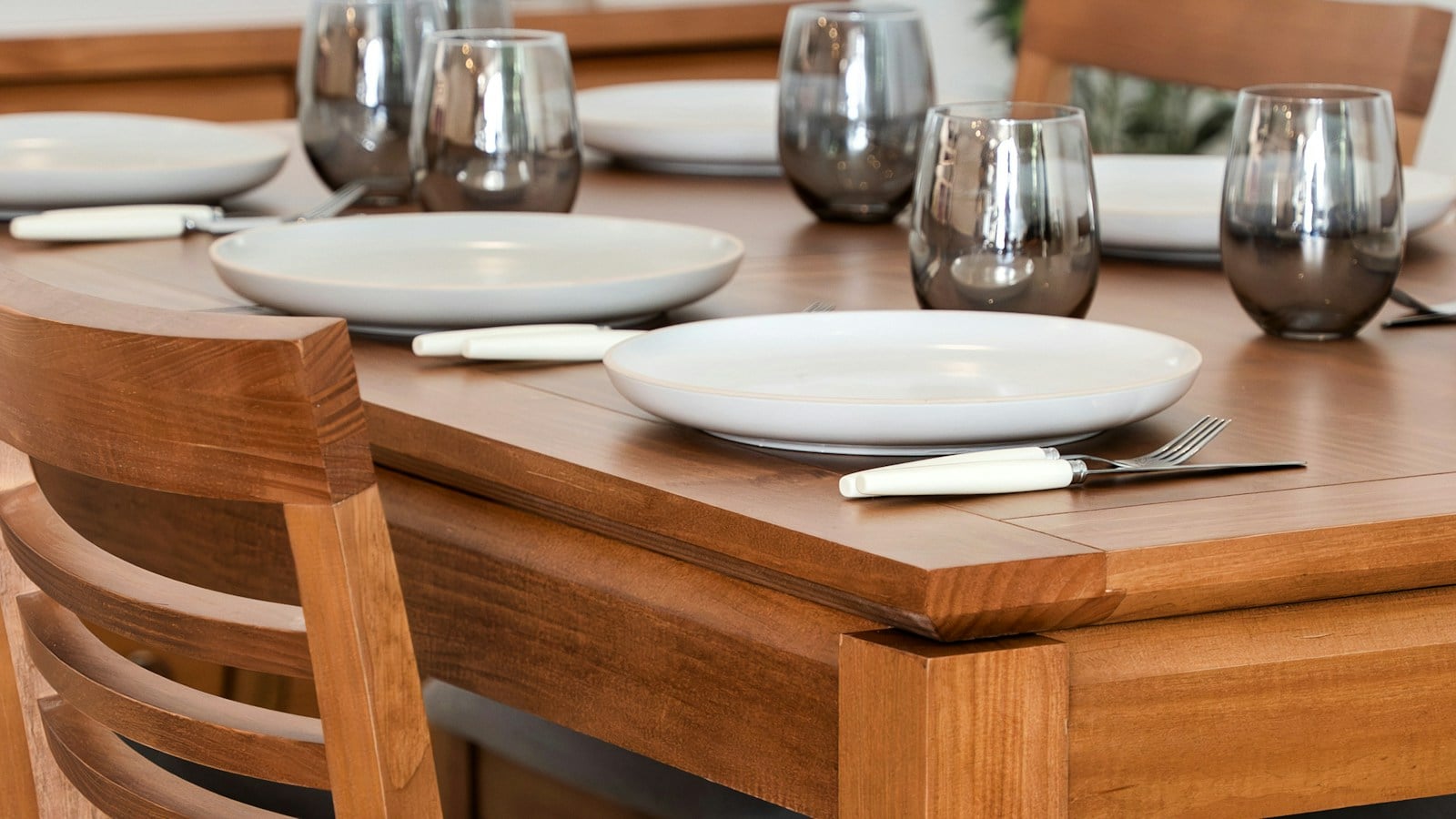
Planning a tablescape for your next dinner party means balancing visual appeal with pure practicality. You want a setup that looks beautiful while giving your four to twelve guests enough physical room to eat and talk comfortably. A well designed dining surface directs the flow of the evening, signaling exactly where friends should sit and how the meal will progress.
This guide provides the exact ratios and rules required to arrange a stunning dining table. You will learn proper utensil placement, plate layering techniques, and how to structure an independent beverage station.
The specific measurements and etiquette rules covered here allow you to build an environment that welcomes your attendees from the moment they walk through your front door.
At a Glance
- Follow outside in placement rules for utensils so guests intuitively know which specific tool to pick up for each arriving menu item.
- Pre chill your specialty glassware in a freezer to ensure custom cocktails stay at their optimal temperature upon serving.
- Use plain white dinner plates over decorative metallic chargers to provide a clean culinary canvas that highlights food colors.
- Space individual place settings far enough apart for the actual chairs, plates and comfortable elbow movement.
- Keep your central floral arrangements and taper candles low enough to preserve clear sightlines when guests are seated.
What a tablescape means for modern home hosts
A tablescape refers to the comprehensive overall design of your dining surface, combining functional dinnerware with aesthetic decorative elements. This concept goes far beyond simply dropping plates onto a bare wooden table. It involves coordinating cloth linens, polished flatware, fresh floral arrangements, and ambient lighting to create a highly specific mood for your gathering.
You might confuse this term with a centerpiece, but a centerpiece acts as just one single component sitting in the absolute middle of the surface. Your complete design encompasses the entire horizontal space your guests interact with throughout the night.
The difference between a standard table and a designed dining surface is intentionality. For the modern host organizing a meal for friends, this setup applies to everything from a casual weekend brunch to a highly structured five course formal dinner.
Designing this space correctly ensures your attendees feel entirely comfortable.
A table plan you can use
Start with the menu and lay out one complete place setting, including the glasses each course needs. Repeat it around the table, then test a serving platter and the centerpiece in the space left between seats.
For the placemat, follow the individual setting playbook. Use the Christmas tablescape plan for a seasonal setup, the place card template for seating, and the everyday centerpiece and floral design guides for the finishing layer.
Utensil Placement: The Table Setting Rules Chart
Setting the table correctly ensures guests intuitively know which utensils to use for each course. A proper setup arranges pieces based on the order of the menu, establishing an organized and welcoming environment. Use the chart below to review utensil positions and the courses they serve for any dinner party.
The foundation of your arrangement relies entirely on clear logic and predictable patterns.
The Emily Post Institute dictates that utensils must be placed in the order of use from the outside in, with forks to the left of the plate and knives and spoons to the right. This universal framework prevents confusion when the very first appetizer arrives.
Placing dessert tools requires a slightly different geometric approach to preserve space. According to The Emily Post Institute, a traditional formal place setting for meals of more than three courses places the dessert spoon above the dessert fork. This keeps the main lower dining area completely uncluttered during the savory portions of the meal.
| Utensil Profile | Exact Table Position | Menu Course Alignment |
|---|---|---|
| Standard Salad Fork | Farthest left side | First vegetable serving |
| Primary Dinner Fork | Inner left near plate | Main protein serving |
| Primary Dinner Knife | Inner right near plate | Main protein serving |
| Round Soup Spoon | Farthest right side | Liquid broth serving |
| Small Dessert Spoon | Top edge pointing left | Final sweet serving |
| Small Dessert Fork | Top edge pointing right | Final sweet serving |
The Geometry of Silverware
Align the lower ends of the utensil handles near the table edge, leaving enough space to pick them up comfortably. This straight baseline gives the setting a consistent visual border.
Leave comfortable gaps between forks and knives in the lineup. Tight spacing makes it difficult for guests to pick up a single tool. Check the layout with your actual plates and flatware.
Understanding dining table etiquette and place setting rules keeps your entire event running smoothly. You build a strong mechanical foundation when you follow these established geometric guidelines.
Managing Specialized Cutlery
Sometimes your ambitious menu requires unusual tools like oyster forks, escargot tongs, or heavy steak knives. Always position the specialized oyster fork on the far right side of the soup spoons. In this traditional arrangement, the oyster fork is the exception to placing forks on the left.
Swap standard butter knives for specialized serrated steak knives if you plan to serve thick cuts of beef or pork. Place the steak knife exactly where the standard dinner knife usually sits, ensuring the sharp blade faces inward toward the plate.
Building a beautifully how to set a dinner table allows your friends to focus entirely on the food rather than navigating a confusing maze of silver. Keep only the tools required for the specific food you plan to serve.
Informal Versus Formal Adjustments
Let the menu decide which pieces stay:
- Simplify the casual meal: Casual weekend gatherings do not require the full arsenal of dining tools. For a basic three course meal, eliminate the charger plate and remove the dedicated soup spoon if you are serving a salad instead of soup.
- Plan formal symmetry: A strictly dining table etiquette and place setting rules requires absolute symmetry and maximum preparation.
- Match bread service: Include a bread plate and butter spreader when bread is served. Individual salt cellars are an optional detail rather than a requirement.
- Remove unused utensils: Never set out utensils for a course that does not exist on your printed menu. If you skip the salad course, pull the salad fork off the table entirely before guests arrive.
Flatware Material Selection
The metallic finish of your flatware dictates the overall visual temperature of the dining room. Classic polished silver reflects candlelight beautifully and suits highly traditional holiday menus.
Matte black or brushed gold flatware introduces a highly modern aesthetic to your dining surface.
These contemporary finishes pair exceptionally well with minimalist linen napkins and dark ceramic plates.
Always ensure your flatware material complements the metallic accents found in your chosen charger plates and napkin rings. Clashing metals distract the eye and disrupt the cohesive visual environment you want to establish.
Polishing and Presentation
Water spots can detract from a freshly set table. Clean and polish each piece of flatware according to its maker’s instructions before placing it on the tablecloth.
Use a soft cloth to buff handles and tines, taking care with plated or coloured finishes.
Hold the polished utensils by their absolute edges to avoid transferring fresh fingerprints onto the newly cleaned metal surfaces.
Setting aside time for this preparation but drastically improves the final presentation of your dining room. Sparkling silver immediately broadcasts to your guests that you care about their dining experience.
|
Plan the meal first |
Glassware and Drinks: The Beverage Arrangement Guide
A complete tablescape integrates glassware into the visual design rather than treating it as an afterthought. Positioning the right glasses above the knives adds structural elegance. Properly managed temperatures and pour volumes ensure your curated drink menu tastes exactly as good as the table looks.
Preparing your glass vessels correctly fundamentally improves the entire drinking experience.
Difford’s Guide recommends chilling cocktail glasses in a freezer for 20 to 30 minutes before serving drinks that are served without ice. Cold glass maintains the physical integrity of the beverage far longer than a room temperature alternative.
Pouring wine also requires extreme physical restraint for maximum flavor delivery. Wine Folly advises hosts to fill wine glasses less than halfway to leave space for the wine to breathe. This technique allows the aromatic compounds to collect in the glass bowl, highly enhancing the scent profile.
Water Goblet Positioning
Arrange the primary water goblet directly above the tip of the main dinner knife. This specific placement acts as the central anchor point for all other beverage vessels on the right side of the setup.
Fill the water goblets shortly before your friends sit down.
Check for condensation and use a suitable coaster if the table surface needs protection.
Provide water pitchers within comfortable reach, or offer refills during the meal.
Coordinating Wine Glasses
Position the white wine glass to the right and slightly below the anchor water goblet. If your menu calls for red wine, that larger glass sits slightly above and to the absolute right of the white wine glass.
This specific arrangement creates a pleasant descending diagonal line that naturally leads the guest’s eye toward the center of the table.
The different bowl shapes help diners immediately identify which glass holds which varietal.
Do not crowd the upper right quadrant with unnecessary empty glasses. Knowing exactly how to set a dinner table involves removing any wine glasses you do not explicitly intend to fill.
Maintaining Glassware Clarity
Glassware shows dust and smudges easily. Wash and dry it as the maker directs, avoiding abrupt temperature changes.
Polish suitable glasses gently with a clean, lint-free cloth to remove water marks.
This process yields a crystal clear vessel that catches the ambient room lighting perfectly.
Store your polished glasses upright in a closed cabinet until the very moment you begin setting the dining table. Leaving them out on an open counter invites airborne cooking grease to settle on the rims.
Establishing the Welcome Station
Prepare a welcome station away from the chairs:
- Move drinks aside: Set up a completely self serve welcome drink station on a credenza or kitchen island away from the main dining table. This geographical separation prevents annoying traffic jams around the chairs while people arrive and take off their coats.
- Offer an arrival drink: A dedicated beverage zone acts as a highly effective natural icebreaker for early arrivals. Providing a signature batch cocktail alongside sparkling mineral water options gives attendees something to physically hold while they mingle.
- Stock the station: Stock this separate station with ample cocktail napkins and a small discrete bin for discarded citrus garnishes.
Coffee and Digestif Preparations
Do not place coffee cups or small espresso saucers on the main table during the initial savory courses. These bulky items consume valuable real estate and can crowd the glassware needed for those courses.
Bring out the dedicated coffee service on a large wooden tray only after you clear the primary dinner plates. Serve the hot beverages simultaneously with the dessert course.
If you plan to serve a specific digestif like amaro or port, introduce those tiny specialized glasses right alongside the coffee cups.
Plateware Selection: The Food Presentation Guide
The plates you choose act as the literal foundation of your tablescape. Selecting the right color and size impacts how appetizing your food appears. These plates serve as a backdrop that either highlights or distracts from the textures and colors of your carefully planned dinner party menu.
The background hue of your dinnerware drastically changes the visual perception of a meal. Ina Garten recommends serving food on plain white dishes because white provides a neutral contrast that highlights food color and texture. Bright roasted vegetables and rich dark sauces stand out brilliantly against a completely stark background.
Layer a plain white dinner plate directly over a decorative metallic charger to combine aesthetic depth with an ideal culinary canvas. The charger remains firmly on the table to provide a distinct pop of color while the white plate actually holds the food.
The Power of White Plates
White porcelain acts exactly like a blank canvas in a professional art gallery. It forces the viewer to focus entirely on the physical subject rather than the frame holding it.
When you serve a vibrant beet salad or a deeply caramelized steak on a white plate, the natural colors of the ingredients become visually magnified. Darkly colored or heavily patterned plates often camouflage the food, making the dish look visually muddy.
Investing in a high quality set of white plates guarantees you always have the perfect creative table setting ideas designs, regardless of the specific cuisine you choose to cook.
Charger Plates as Anchors
A charger plate is a decorative base larger than the food plate above it. Choose one that frames your dinner plate without crowding neighbouring settings.
Chargers catch errant crumbs and minor sauce spills, protecting your delicate tablecloth from permanent damage.
They also establish the absolute physical center of each individual seating arrangement.
Check whether a decorative charger is rated for food contact before using it for food. In Emily Post’s traditional formal service, exchange the charger when the main-course plate arrives; clear decorative bases before dessert.
Adjusting Plate Dimensions
Choose dinner plates that comfortably hold the main dish and its sides. Check the size against your chargers and the available space at each seat.
Food looks most appetizing when there is generous negative space around the outer rim.
Overcrowding a small plate makes the meal look sloppy and forces guests to eat with intense caution to avoid spilling.
Use smaller appetizer or salad plates for earlier courses when the menu calls for them. Match their size to the portions you intend to serve.
Bread and Butter Placements
Position the small bread plate on the upper left side of the arrangement, slightly above the forks. Place the small butter spreader horizontally across the top edge of the bread plate.
Providing individual bread plates prevents flaky crumbs from invading the main dinner plate and mixing with savory pan sauces.
It also gives guests a dedicated zone to rest their dinner rolls.
Set the butter spreader across the bread plate with its cutting edge facing the plate. Keep the handle accessible.
Seasonal Dishware Rotations
Changing your large chargers and small accent plates allows you to easily update your layout for different times of the year. Metallic gold or dark forest green chargers work perfectly when you want to establish the Christmas tablescape playbook atmospheres.
For autumn gatherings, hammered copper or deep orange accents transition the visual palette beautifully.
Using effective fall table centrepiece ideas techniques often starts with simply swapping out your base chargers.
Rich layered fabric textures and dark red charger plates always enhance the Christmas tablescape playbook arrangements. Keep the main white plate perfectly consistent year round and rely strictly on these underlying decorative elements to broadcast the seasonal theme.
|
Hosting Tip: test a complete seat. |
Cultural and Interactive Setups: The Themed Tablescape Guide
A dynamic tablescape reflects the cultural origin of the meal or encourages active guest participation. Adjusting your layout for specific cuisines or building hands on culinary stations transforms a static dining table into an engaging environment, breaking the ice for your attendees instantly and providing built in entertainment.
Traditional layouts change significantly based on the geographic region of the cuisine.
In a traditional Japanese meal setting (washoku), each diner’s personal rice bowl (chawan) is positioned on the front left side of the place arrangement.
This positioning honors specific cultural dining practices. It makes the meal feel highly authentic.
Interactive food elements provide excellent natural entertainment. Just One Cookbook recommends setting up interactive DIY stations, such as a gyoza wrapping station, to engage guests during home entertaining, and when guests help prepare the food, the pressure on the host decreases rapidly.
Honoring Regional Traditions
When serving a specific regional cuisine, research the traditional table etiquette of that exact culture; for example, if you serve a Mexican feast, consider providing small individual terracotta bowls for salsa rather than relying on one large communal bowl.
Matching your serving vessels to the origin of the food shows deep respect for the recipe. Serving a delicate French consommé in a heavy stoneware mug is jarring. It creates a sensory disconnect for your diners.
The physical vessels you choose should always fit the narrative of the menu, and this thoughtful alignment proves you consider every single detail of the evening.
Constructing Assembly Stations
Integrate a small interactive garnish or final assembly station directly into your tablescape design for a specific course. A tiny wooden board positioned in the center with fresh herbs and small metal snipping scissors allows guests to finish their own hot soup bowls.
You can also build a dedicated taco building station down the center runner.
Arranging small matching glass bowls filled with diced onions, fresh cilantro, and various hot sauces turns the meal into an engaging activity.
This setup demands space. You must temporarily remove tall centerpieces to accommodate the numerous ingredient bowls required for a successful assembly station.
Centralized Condiment Carousels
A well organized table prevents guests from constantly shouting requests for salt across the room. Build a centralized condiment carousel on a small rotating lazy Susan in the absolute middle of the table.
Filling small ceramic ramekins with toasted sesame seeds, chili oil, and fresh scallions gives everyone immediate agency over their personal flavor profiles. Provide tiny wooden spoons for every single ramekin so guests can serve each condiment separately.
This strategy keeps the outer edges of the table clean while consolidating all the potential ingredients into one easily accessible zone.
Integrating Low Profile Botanicals
Your visual floral accents should fiercely complement the origin of the food. If you are serving a coastal Mediterranean menu, incorporate small terracotta pots filled with fresh rosemary and live olive branches as your primary centerpiece.
For a traditional autumn roast, weaving miniature white pumpkins and dried natural wheat stalks down the center runner adds appropriate seasonal context.
Creating stunning fall table centrepiece ideas atmospheres requires using natural materials that reflect the local harvest season.
Keep these thematic floral additions incredibly low to the table surface. Excellent centrepiece ideas for the dining table displays never interfere with horizontal communication.
Illuminating the Interactive Table
Proper lighting dictates exactly how guests perceive the colors of your carefully assembled food stations. Avoid harsh overhead fluorescent fixtures at all costs.
Rely on soft warm ambient lighting from low wattage dining room chandeliers and strategically placed unscented taper candles.
The candles should sit in heavy brass or glass holders to prevent accidental tipping when guests reach across the table.
Check the lighting from a seated position so flames do not distract from faces across the table. Keep candles away from foliage, fabric and reaching hands, or choose battery-operated lights.
Dining Mechanics: The Table Etiquette Guide
Understanding how guests will physically interact with your tablescape allows you to space items correctly. Providing adequate elbow room and knowing standard dining maneuvers ensures your intricate decor never interferes with the physical comfort of eating, drinking, and conversing throughout the evening.
Knowing the physical movements of your attendees dictates exactly where you place tall decor. In traditional American table etiquette, diners cut food using the fork in the left hand and knife in the right, then set down the knife to switch the fork to the right hand before eating. This constant switching maneuver requires significant lateral elbow space.
The way guests hold their heavy beverages also impacts the spatial flow of the evening. Wine Folly explains that holding a wine glass by its stem prevents fingerprints on the bowl and keeps white and sparkling wines from warming up prematurely.
Calculating Lateral Spacing
Leave generous width at each place setting, then test it with the actual chairs, plates and guests in mind. Everyone should be able to cut food, lift a glass and move their elbows comfortably.
Chairs with armrests may need more room, so test the seating before adding another place. If the table feels crowded, reduce the headcount at that surface or use a second dining area.
Plate Clearing Routes
Plan a clear route for removing dirty plates between courses. Clear from a convenient side without reaching across a guest, and agree on the route with co-hosts.
Never stack dirty plates on the dining table directly in front of your attendees. This terrible practice immediately ruins the pristine aesthetic you worked so hard to build. Remove plates individually and transport them directly to the kitchen counter.
You can set up a small folding side table near the dining room specifically for receiving empty plates and discarded glassware if your kitchen sits far away.
Navigating Condiments and Salt
Salt and pepper must always travel together around the table. If a guest asks for the salt shaker, you must pass both the salt and the pepper simultaneously.
Place salt and pepper within easy reach, adding another set if a long table makes passing awkward.
This prevents the constant disruption of passing heavy shakers back and forth across a long rectangular table.
If you use open salt cellars, always provide a tiny dedicated serving spoon. Guests should never pinch salt directly from a communal bowl with their bare fingers.
Accommodating Left Handed Guests
Pay attention to the dominant hands of your regular attendees. While formal etiquette dictates a uniform right handed setup for the entire table, making small adjustments shows incredible hospitality.
If you know a guest is left handed, position their water and wine glasses on the upper left side of their plate instead of the right.
This small modification prevents them from awkwardly reaching across their body every time they take a sip.
Seat left handed guests at the absolute left end of rectangular tables. This prevents them from continuously bumping elbows with right handed diners sitting next to them.
Managing Napkin Placement
Finish each setting with an accessible napkin:
- Place the napkin left: In a traditional formal layout, place the folded cloth napkin on the far left side of the arrangement, sitting entirely outside of the forks. This allows the guest to easily grab the napkin and place it on their lap the moment they sit down.
- Use the plate space: Alternatively, you can fold the cloth napkin neatly and place it directly in the absolute center of the main dinner plate or charger to save valuable lateral space on a crowded table.
- Choose comfortable cloth: Choose napkins that feel comfortable and absorb small spills. Cotton and linen are useful options; test the cloth and laundering instructions before buying a full set.
|
Share the setup work |
How The Gourmet Host Helps You Apply Tablescape Planning
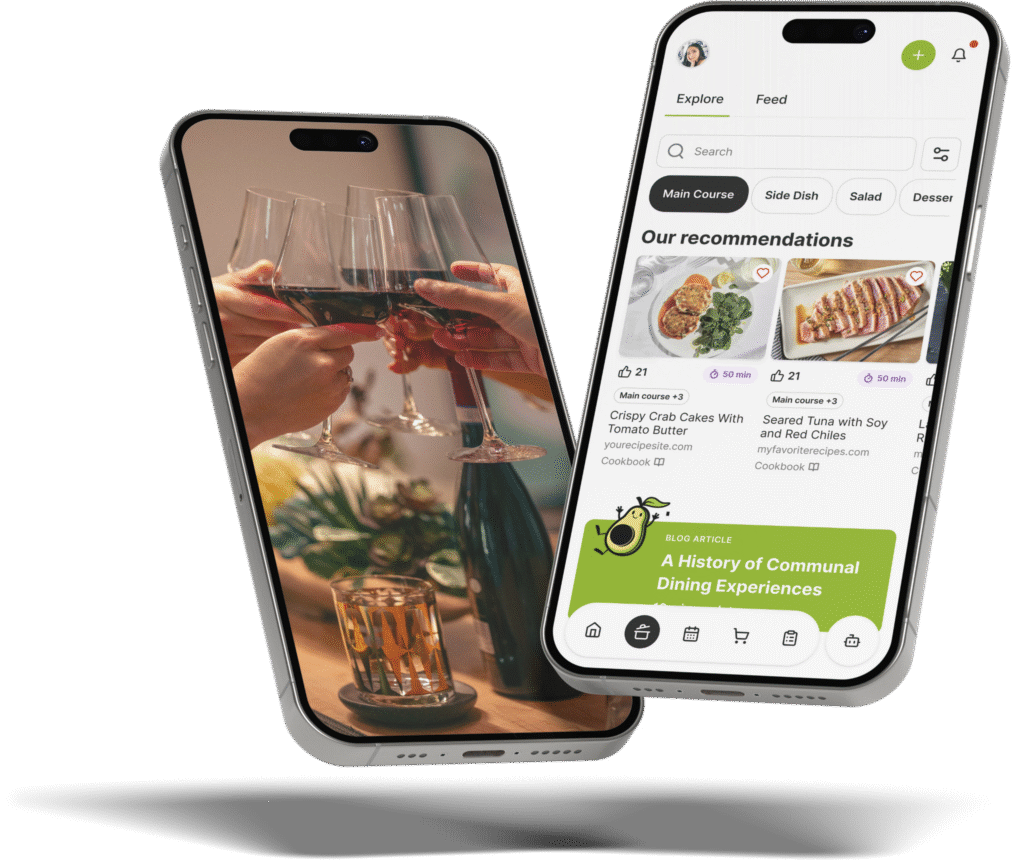
Planning an elaborate tablescape requires mental bandwidth that is often entirely consumed by chasing late RSVPs and managing complex grocery lists. The Gourmet Host app streamlines the logistical chaos of home entertaining. This dedicated digital tool frees you to focus on the creative, aesthetic, and highly welcoming details of your dining table.
Use the app to keep guest dietary notes alongside the event plan. You can easily build an interactive event page and add a theme for all guests to see. Collect dietary notes with RSVPs and review them with guests before selecting dishes.
Use those notes to check ingredients and preparation with contributors before assigning seats and serving meals.
Use The Gourmet Host app to track these preferences and generate comprehensive automated shopping lists.
This automation gives you significantly more time to design the perfect table setting and arrange fresh floral centerpieces. You can pull hundreds of recipes directly from professional test kitchens or search across the web without ever leaving the platform.
Sharing the massive workload also improves your actual event. We make it easy to invite active co hosts, assign specific side dishes, and split grocery costs right from your phone. Contributors can log grocery spending and review what they spent, owe and the difference after the party.
Take the intense friction out of your next dinner party preparation. Download the mobile app today to organize your menu and reclaim the time you need to arrange an unforgettable dining table. Stop juggling disorganized spreadsheets and start focusing on the people sitting at your table.
Explore more resources and tools at thegourmethost.com to build your perfect evening.
Frequently Asked Questions
How do you build a tablescape on a budget?
Building an affordable table design starts with using items you already own. Forage local greenery or fallen branches from your yard to create free, natural centerpieces. Stick to classic white plates and invest in a single set of high quality cloth napkins to provide texture without a massive financial investment.
What is the difference between a centerpiece and a tablescape?
A centerpiece is a single decorative element positioned exactly in the middle of your dining surface, like a vase of fresh flowers. A tablescape encompasses the entire visual design of the table, including the flatware, linens, glassware, name cards, and the centerpiece itself. The two terms represent totally different scales of design.
How much space should each place setting have at a dining table?
Each place setting needs enough room for the actual chair, plates, flatware and glasses you plan to use. Set two neighbouring seats and test the elbow room before laying the entire table. Wider chairs and larger chargers may require more space, so reduce the number of settings if the trial feels crowded.
Can you mix and match plates for a dinner party?
You can absolutely mix and match different plates to create an eclectic, highly personalized look. To keep the design visually cohesive, ensure all mismatched plates share one unifying element, such as a similar color palette, a common rim pattern, or an identical physical size.
How high should a table centerpiece be?
A table centerpiece should leave clear views between people seated opposite each other. Test the complete arrangement from every chair, including the flowers, vase and candle holders. Trim or move anything that blocks faces, and keep flames clear of foliage and fabric; battery-operated lights are an option.
Where do napkins go in a formal place setting?
In a strictly traditional formal layout, place the folded napkin on the far left side of the arrangement, completely outside of the salad and dinner forks. Alternatively, you can fold the napkin neatly and place it directly in the center of the main dinner plate or charger to save space.
Continue Reading:
More On Table Setting and Decor
- How to Lay a Placemat With Place Setting: A Host’s Playbook
- How to Build a Christmas Tablescape: A Dinner Playbook
- Place Setting Card Template: The Full Etiquette Guide
- dining table centerpiece ideas for everyday: Full Guide
- Floral Centerpiece for Dining Table: The Full Design Guide
More from The Gourmet Host
- Dining Table Etiquette: Place Setting Rules for Hosts
- How to Set a Dinner Table Like a Pro
- 7 Creative Table Setting Ideas
- Fall Table Centrepiece Ideas for Cozy Gatherings
- Elegant Floral Arrangements for Your Dining Table
Explore TGH Categories