Hors d’Oeuvres Menu Planning: 90-Minute Host Spread
 15 min read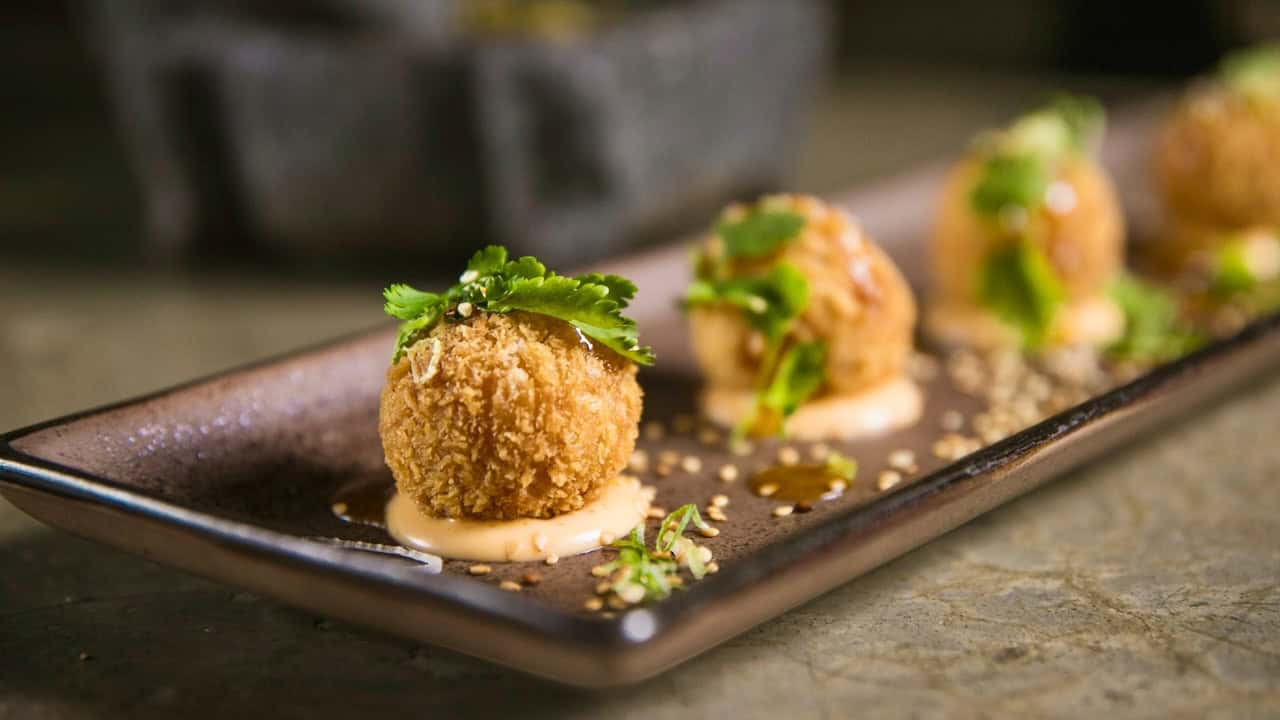
Hors d’oeuvres were never meant to be the meal.
The phrase is French for outside the work, the work being dinner itself. A platter of one-bite hors d’oeuvres existed to set the tone of an evening, not to replace it. The bites were small on purpose, salty on purpose, paced on purpose. They opened the appetite for what was coming next.
The hosting question is whether the menu lives inside that opening role (twenty minutes of single-bite hors d’oeuvres before a sit-down dinner) or expands into a no-dinner role (ninety minutes of heavier hors d’oeuvres that carry an entire evening). The two menus look different, count different, and run on different timetables.
By the end of this playbook, you will have a planning framework that scales from a light pre-dinner spread to a full cocktail-hour menu, with the quantities, the hot-versus-cold split, and the 90-minute running order to make either one land on time.
At a Glance
- Why a hors d’oeuvres menu is a planning problem (quantity, timing, hot/cold split) rather than a recipe list.
- How many hors d’oeuvres per guest to serve, and why the number doubles when there is no dinner to follow.
- The 24-hour build plan that splits make-ahead bites from last-minute ones, plus three store-bought cheats worth keeping.
- A 90-minute cocktail-hour running order with pour pairings and two non-alcoholic anchors that travel across menus.
- The most common hors d’oeuvres menu mistakes (oven overload, dip overload, mixed-diet blind spots) and the fix for each.
What Is a Hors d’Oeuvres Menu?
A hors d’oeuvres menu is the host’s plan for the food served before (or instead of) a sit-down dinner, scaled to a head count and a clock rather than a recipe list. The real planning work is mathematical: how many bites per guest, how the hot ones split from the cold ones, which builds happen the day before and which land in the last fifteen minutes. Unlike a generic appetizer roundup, a hors d’oeuvres menu treats the spread as a running order, with bites arriving at specific times in specific quantities so the kitchen stays calm and every guest reaches the second drink with something to nibble on.
What Counts as a Hors d’Oeuvres Menu Versus a Tray of Appetizers
Both words point at the same idea (small food served before the main event), and most home menus blur the line. The distinction worth keeping is structural, not linguistic. Appetizers are a course that comes first at the table. Hors d’oeuvres are a roving spread that lives during cocktail hour, on platters, eaten standing.
Hors d’oeuvres carry centuries of European serving conventions that lock in the format: one bite, no fork, served before the meal proper. Bon Appetit’s one-bite appetizer collection is the modern visual library of that same format, with every bite eaten in a single move while holding a drink. If a guest needs a plate and a fork, the menu has crossed into appetizers and the running order needs to change.
- Hors d’oeuvres: one-bite, eaten standing, served on platters during cocktail hour. Quantity scales with time and head count, not with portion size.
- Appetizers: plated or family-style, eaten seated, served as the first course at the table. Quantity scales with portion size, like any other course.
- Heavy hors d’oeuvres: the hybrid case. A no-dinner spread that uses hors d’oeuvres formatting (platters, one-bite or two-bite portions) but volumes up to replace a meal.
The distinction matters because the planning math changes between the three formats. The per-guest math comes next.
|
Plan A True One-Bite Menu |
How Many Hors d’Oeuvres Per Guest Should I Plan?
Plan 4 to 6 bites per guest for the first hour before a sit-down dinner, and 10 to 14 bites per guest if hors d’oeuvres are replacing the meal. The number is per hour, not per evening, and it scales linearly the longer guests stay on their feet. Two hours of heavy hors d’oeuvres for ten guests is roughly 140 individual bites coming off the platters.
Taste of Home’s hors d’oeuvres recipes for your next party runs at the same density: a single bite per recipe, multiplied across 8 to 12 platters for a typical cocktail-hour menu. The math holds whether the bites are smoked salmon on rye or watermelon-feta skewers. The variable is hot-versus-cold, not protein-versus-vegetable.
TGH’s broader easy appetizer ideas for every party covers the format end (platters, sticks, spoons) that this pillar treats as the running-order question.
- Light spread before dinner (45 to 60 minutes): 4 to 6 bites per guest. Two cold platters, one hot tray, one dip with crudite.
- Cocktail-hour spread before dinner (60 to 90 minutes): 6 to 8 bites per guest. Three cold platters, one hot tray landing at the 30-minute mark, one dip.
- Heavy hors d’oeuvres with no dinner (90 minutes to 2 hours): 10 to 14 bites per guest. Five platters, two hot trays staggered 25 minutes apart, two dips, one carving board.
Once the quantity is set, the split between hot and cold drives the kitchen workload and the running order. Hot bites compete for oven time. Cold bites do not.
Four Categories Every Hors d’Oeuvres Menu Needs
A balanced hors d’oeuvres menu pulls from four categories, not from a single style or temperature. Skip one and the spread reads narrow; double up on another and the kitchen runs out of oven space mid-pour. The categories are the planning skeleton; the actual bites slot into them in whatever order the cuisine and season suggest.
Epicurious’s elegant one-bite hors d’oeuvres gallery is the cleanest visual library of the format, with the four categories represented across roughly 37 entries. The same shape repeats in cuisine after cuisine: one cold platter that hits the table first, one hot bite that rotates out of the oven, one dip with crudite or chips, one bread-based build.
- Cold platter. Cured meats, marinated cheeses, olives, pickled vegetables, crudite. Sets up the day before; lands on the table fifteen minutes before guests arrive.
- Hot tray. Gougères, stuffed mushrooms, mini quiches, sausage rolls, anything that needs an oven. Lands forty minutes into the cocktail hour, one tray at a time.
- Dip plus dipper. Whipped feta, baba ganoush, French onion, smoked trout dip. The dipper is its own category: crackers, crudite, pita, chips.
- Bread-based bite. Crostini, canapés, pissaladière squares, tartines. Builds in the last hour but holds for twenty minutes once plated.
With the four categories chosen, the next decision is how the hot and cold sides split, which is the single biggest leverage point on whether the host stays out of the kitchen during cocktail hour.
Splitting the Spread Between Hot and Cold Bites
Aim for a 60-40 split: about 60 percent cold bites that live on the table, 40 percent hot bites that rotate out of the oven on a timer. Reverse the ratio and the host disappears into the kitchen for the entire cocktail hour. The 60-40 lean is the difference between a host who is pouring drinks and a host who is opening oven doors.
BBC Good Food’s canapé recipe collection is built almost entirely around cold or room-temperature one-bites for exactly this reason. The collection makes the same hosting case at the recipe level. Cold platters do most of the front-loaded work; the hot side is the surprise rotation, not the bulk of the menu.
- A six-bite cold platter does ten minutes of plating and zero minutes of cooking on the day of the gathering.
- A four-bite hot rotation runs three trays across the cocktail hour, none competing for the same oven temperature.
- One dip plus crudite covers the table from minute one to minute ninety with a single refill at the halfway mark.
Oven Choreography for the Hot 40 Percent
Stage one hot tray every twenty to twenty-five minutes during the cocktail hour. For a 90-minute window, that is three trays. Each tray needs 8 to 12 minutes in the oven (most warm bites land in that band), plus a 3-minute rest on the counter before plating. Sequence the trays so two never share the oven at the same temperature.
If the menu pushes past three hot trays, the kitchen needs a second oven or the running order needs to thin out. There is no fourth shortcut. A handful of three-ingredient builds (marinated mozzarella, baked feta, blistered tomatoes) drop straight in as low-overhead cold or room-temperature anchors that buy the host back oven time.
|
Hosting Tip: Stagger One Hot Tray at a Time |
Make-Ahead Versus Last-Minute: the 24-Hour Build Plan
Roughly 70 percent of a hors d’oeuvres menu can be built the day before. The marinades, the dips, the pickled vegetables, the cold platters, the dough for gougères or pastry shells. The last 30 percent is what gets assembled in the final two hours: anything with a crisp element, anything served warm, anything garnished with herbs that wilt.
BBC Good Food’s budget canapé ideas is structured around exactly that split. Most of the spread is made-ahead pantry math; the last layer is the one that goes on right before guests arrive. The same logic scales to any hors d’oeuvres menu of any budget.
The 24-Hour Plan
- Day before, morning. Marinate, pickle, and brine. Whip the dips. Mix the spreads. Bake any pastry shells that need to cool fully.
- Day before, afternoon. Slice the cured meats, cube the cheeses, prep the crudite. Cover and refrigerate on the platter under damp paper towel and plastic wrap.
- Day of, two hours out. Pull the cold platters from the fridge to take the chill off. Pre-heat the oven for the first hot tray. Stage the bread-based bites unbuilt.
- Day of, fifteen minutes out. Build the crostini and canapés. Garnish with fresh herbs. Set the dips on the table. Pour the first round.
Working from a written 24-hour plan is the single highest-leverage move on the entire hors d’oeuvres workflow. TGH’s broader step-by-step dinner party hosting guide covers the wider timeline for full sit-down dinners; this section narrows it to the cocktail hour ahead of any of them.
Store-Bought Hors d’Oeuvres Worth Putting on the Platter
Three store-bought hors d’oeuvres consistently pass for homemade once plated, garnished, and warmed. They are not lesser bites. They are the leverage that lets the host concentrate scratch cooking on the items where it shows: the dips, the crostini, and one hot tray.
Serious Eats’s cocktail appetizer collection quietly threads a few of these through its lineup. The pattern is consistent. A frozen base, dressed up at home with a single fresh element, reads as the host’s own once it hits the platter.
- Frozen mini quiches or spanakopita: bake on a sheet pan, transfer to a wood board, top each with a tiny dot of crème fraîche and a flake of dill. Reads scratch in under fifteen minutes.
- Quality cured meats and a hard cheese: the cold platter cheat. Two cured meats, one hard cheese, one soft cheese, fig jam, almonds, and a sliced baguette. Zero cooking, ten minutes of plating, anchors the cold side of the menu.
- Frozen puff pastry: the highest-yield bake-from-frozen item on the list. Cut into squares, top with caramelized onion and goat cheese (or any savory combination), bake at 400 for 12 minutes. One sheet yields 24 bites.
The cured-meat platter is also the natural pour-pairing anchor, which is the next planning question.
The 90-Minute Cocktail-Hour Running Order and What to Pour
A 90-minute cocktail hour has three thirty-minute beats: arrival, settle, and pre-dinner peak. Each beat gets a platter rotation and a pour. Mapped against a clock, the running order looks like this.
- From 0 to 30 minutes (arrival), set the cold platter on the table at the moment of the doorbell. Pour the welcome drink, a sparkling wine or a low-ABV apéritif like Aperol. Open the bread-based bites at the fifteen-minute mark.
- From 30 to 60 minutes (settle), the first hot tray comes out and gets plated on a wood board. Pour the second round, which is usually the same drink topped up. Set out the first dip.
- From 60 to 90 minutes (peak), the second hot tray rotates in. Pour the bridge to dinner: a heavier red, a chilled white that matches the first course, or a digestif pour. The second dip lands. Crudite refreshes.
Delish’s best party appetizers collection models the same beat structure with a low-effort lineup that fits a 90-minute window. The drinks side anchors each beat. TGH’s wine and snacks pairings for cocktail hour covers the pour-by-pour matching once the running order is set. For a four-guest dinner ahead, three pours across 90 minutes is plenty; for a no-dinner spread, plan five pours and a non-alcoholic anchor in a pitcher from the first minute.
|
Split The Bar Tab Fairly |
Mixed-Diet Hosting and the Most Common Menu Mistakes
Every modern hors d’oeuvres menu needs at least two clearly labeled vegetarian bites, one clearly labeled gluten-free bite, and one clearly labeled dairy-free bite. The labels go on small folded cards next to the platter. Without the labels, guests with restrictions skip the platter entirely and the host has effectively fed them air for an hour.
Epicurious’s vegetarian appetizer and hors d’oeuvre gallery is the cleanest single library for the vegetarian side. TGH’s roundup of dinner party appetizers your guests will love threads gluten-free and dairy-free swap-ins through the same format, with low-effort substitutions that hold the rest of the menu intact. The labels do most of the inclusion work; the menu only needs a few targeted swaps.
Four Mistakes That Recur, and the One-Line Fix for Each
Four mistakes recur on home menus, and each has a one-line fix that resets the spread without rebuilding it. The list, with the fix beside the diagnosis:
- Mistake: oven overload. Fix: cap hot trays at three across 90 minutes. If the menu calls for four, push one to room-temperature and rebuild it as a cold platter.
- Mistake: too many dips. Fix: two dips maximum, and they must be flavor-different (one creamy, one acidic). Three dips and the guests stop circulating.
- Mistake: no labels on the mixed-diet bites. Fix: small folded cards (V, GF, DF). Hand-written is fine; printed reads more composed for a formal evening.
- Mistake: forks where there should be picks. Fix: every bite is single-hand food. If a guest needs two hands, move the bite to the appetizer course and out of the cocktail hour. TGH’s dinner party hosting etiquette guide covers the wider etiquette questions that the cocktail hour kicks off.
Run the spread through the same four-question filter the night before, and the cocktail hour walks itself. The bites land on time, the diets are read, the pours sequence, and the host stays out of the kitchen. That is what a hors d’oeuvres menu is supposed to do: make the first hour of the evening feel like the easiest one.
Frequently Asked Questions
What’s the difference between hors d’oeuvres and appetizers?
Hors d’oeuvres are one-bite finger foods served standing during cocktail hour on platters. Appetizers are the first plated course of a sit-down meal, eaten seated at the table with a fork. The format and the moment differ. In casual American usage the words overlap, but the planning math (quantity, timing, hot-cold split) treats them as separate categories.
How many hors d’oeuvres should I serve per person?
Plan 4 to 6 bites per guest before a sit-down dinner, scaling to 10 to 14 bites per guest if hors d’oeuvres are replacing the meal. The number is per hour, not per evening. A two-hour heavy hors d’oeuvres spread for ten guests is roughly 140 individual bites across the platters.
What is a typical hors d’oeuvres menu?
A typical hors d’oeuvres menu covers four categories: cold platter, hot tray, dip with dipper, and bread-based bite. The cold platter holds cured meats, cheese, and olives. The hot tray brings gougères, mushrooms, or mini quiches. The dip pairs whipped feta with crudite. The bread-based bite means crostini or canapés. Each category yields 8 to 12 bites for six guests.
How far in advance can I make hors d’oeuvres?
About 70 percent of a hors d’oeuvres menu builds the day before: marinades, dips, pickled vegetables, sliced cured meats, baked pastry shells, prepped crudite. The remaining 30 percent (crostini assembly, garnishes, fresh herbs, anything fried or roasted) belongs in the final two hours so the bites land crisp.
What are heavy hors d’oeuvres versus light hors d’oeuvres?
Light hors d’oeuvres are 4 to 6 bites per guest served for 45 to 60 minutes before a sit-down dinner. Heavy hors d’oeuvres are 10 to 14 bites per guest served for 90 minutes to 2 hours with no dinner to follow. The bite counts roughly double, hot trays go from one to three, and two dips replace one.
What drinks go with hors d’oeuvres at a dinner party?
Open with a sparkling wine or low-ABV apéritif: Aperol Spritz, Kir Royale, dry Prosecco. At the 30-minute mark, repeat the welcome pour. At 60 minutes, bridge to the dinner wine. Set a non-alcoholic pitcher (Crodino, citrus shrub, herbed sparkling water) on the table from minute one.
Continue Reading:
More On Hors d’Oeuvres
- Canapés Guide (A Host’s French Single-Bite Plan)
- French Hors d’Oeuvres (Apéritif-Hour Host Guide)
- Tapas Ideas (A Host’s Spanish Small-Plates Plan)
- Japanese Hors d’Oeuvres (An Izakaya Host Guide)
- Chinese Hors d’Oeuvres (Dim Sum Cocktail Bites)
- Heavy Hors d’Oeuvres (A No-Dinner Host Playbook)
- Gluten-Free Dairy-Free Hors d’Oeuvres (Host Plan)
More from The Gourmet Host
- Epicurean Evenings: Three Innovative Fusion Menus that Will Impress
- Basic Wine Knowledge for Beginners: Guidelines from a Sommelier
- How to Sous Vide: The Stress-Free Technique Every Host Needs
- Garden Tea Party Themes: 9 Ideas to Set the Mood
- Outdoor Table Setting Ideas for Every Style
Explore TGH Categories
- Set the Scene
- Drinks and Bar
- Plan the Meal
- Engage with Guests
- Games and Toasts
- Tools and Techniques
- Why We Gather