12 Healthy Dinner Ideas for Stress-Free Hosting
 17 min read
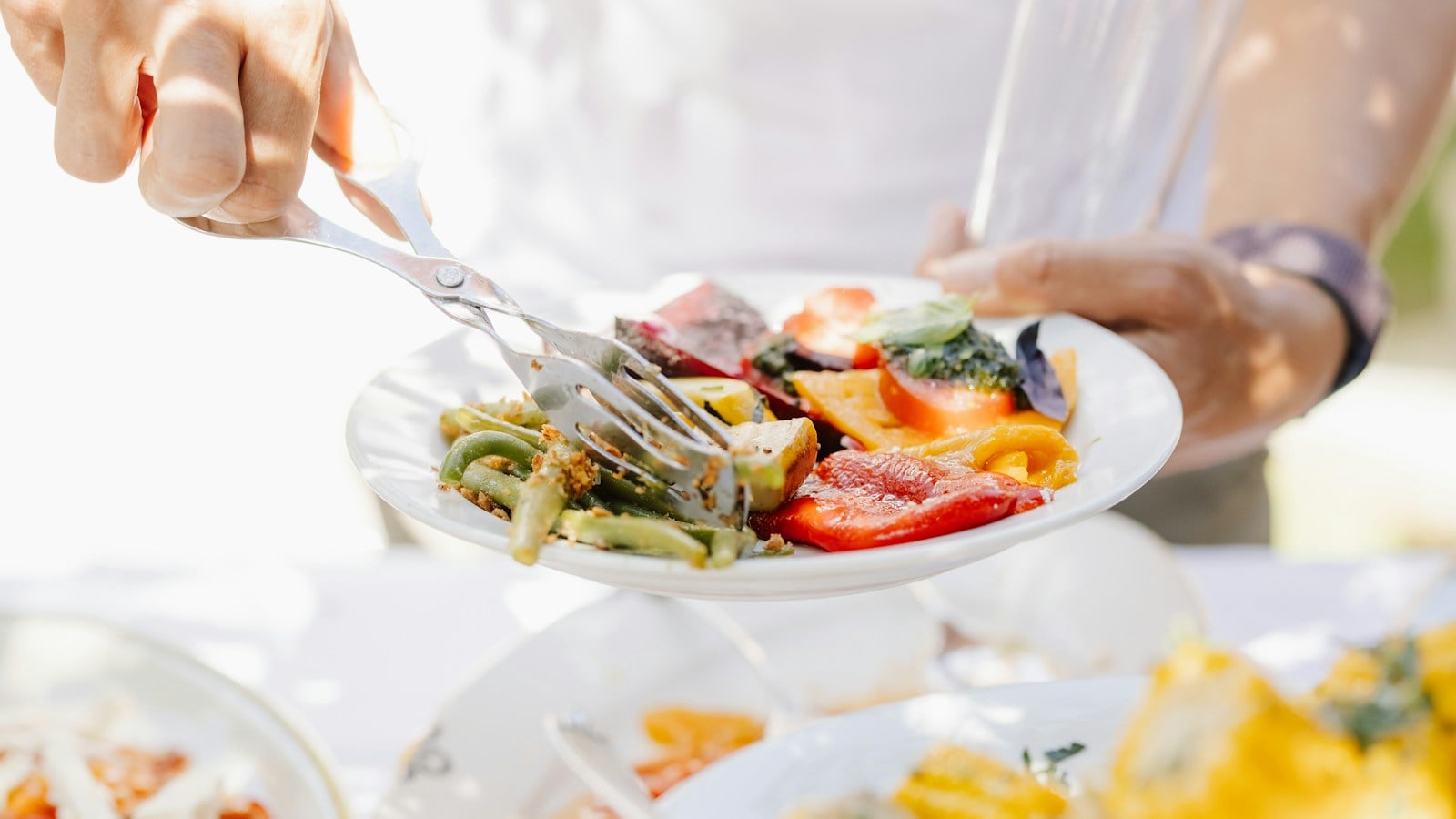
Planning healthy dinner ideas for a gathering of close friends often brings up questions about dietary needs and flavor combinations. You want your friends to leave the table feeling satisfied and energized rather than weighed down by a heavy meal. This guide provides practical steps to organize balanced menus that cater to everyone sitting at your table.
You will discover exactly how to combine vibrant vegetables with lean proteins and refreshing beverages. Applying these principles ensures your next event centers entirely on good food and great company.
At a Glance
- Building a balanced menu relies on serving one primary protein alongside three lighter vegetable and grain sides.
- Swapping refined flours for whole grains adds essential fiber and complex textures to your group meals.
- Managing hidden sodium requires utilizing fresh herbs and homemade quick pickles instead of salty condiments.
- Treating beverages as a core part of the menu means offering infused sparkling water alongside moderated wine pours.
- Setting the tone with a brief welcome toast brings immediate warmth and intention to your gathering.
What “healthy dinner ideas” means for hosting a dinner party
Healthy dinner ideas involve designing a cohesive menu that offers nutritional balance without compromising on visual appeal or flavor. This concept applies when you invite friends over and want to provide a restorative, energizing meal. It means structuring your courses to include ample fresh vegetables, lean proteins, and whole grains.
Many people confuse healthy dining with restrictive dieting. Serving a balanced meal simply means avoiding heavy creams and excessive sodium in favor of vibrant seasonal ingredients. The difference between restrictive dieting and healthy hosting is focusing on abundance rather than limitation.
Your goal is to offer a wide array of textures and colors that naturally satisfy the appetite. This works because guests can adjust their own portion sizes based on their personal preferences and needs. Providing an array of nutrient dense options allows everyone to enjoy the celebration fully.
How do you build a balanced healthy menu for guests?
A balanced menu provides variety and satisfaction without leaving guests feeling overly stuffed. Structure your healthy dinner ideas around a framework of one main protein accompanied by complementary side dishes and a light soup, ensuring a wide range of nutrients, colors, and textures for everyone.
For a complete menu framework, read Expert Healthy Dinner Party Menu With Tips from a Toronto Dietitian.
This approach guarantees that everyone finds something they love on the table. You can offer smaller intentional courses instead of one massive main dish. The traditional Japanese meal framework called Ichiju Sansai balances a serving of rice and soup with a protein main and two side dishes.
Translating this framework to your own dining room creates striking visual abundance. Guests enjoy passing multiple small bowls and platters around the table.
This builds interaction and encourages slower mindful eating. You also gain flexibility in accommodating dietary preferences. If a friend avoids meat entirely, the three vegetable sides and the grain dish still provide a complete meal.
Draft a menu featuring one main dish, three vegetable focused sides, and a light broth based soup to keep portions visually generous but nutritionally balanced.
|
Plan a Balanced Shared Menu |
Which whole grains enhance healthy dinner ideas?
Swapping refined carbohydrates for whole grains adds nutty flavors, hearty textures, and essential nutrients to your group dinners. Options like farro, quinoa, and wheat berries serve as excellent bases for grain bowls, side salads, or stuffed vegetable mains that scale easily for large tables.
Plan the courses using The Dinner Party Menu: How to Plan a Meal Guests Remember.
Whole grains require very little active cooking time. You can simmer a large batch of quinoa or farro before your friends even arrive. This flexibility keeps your attention on the people in the room rather than a boiling pot.
These robust ingredients also hold up perfectly to bold dressings and vibrant herbs. Traditional whole wheat flour is ground from whole wheat berries and retains all three parts of the kernel: the oil rich germ, protein laden endosperm, and fiber packed bran.
Incorporating these intact grains provides a satisfying chew that refined pasta often lacks. You can easily mix cooked grains with roasted seasonal vegetables and a sharp vinaigrette. This creates a versatile side dish that tastes fantastic served warm or at room temperature.
Incorporate a warm seasonal farro or quinoa salad into your menu to increase the fiber and protein content of your dinner party.
How can you reduce sodium in party appetizers and sides?
Hidden sodium in pickled appetizers, store bought sauces, and cured meats can quickly derail an otherwise healthy dinner menu. To keep sodium levels in check, rely on fresh herbs, citrus zest, and homemade spice blends to flavor your dishes instead of heavily processed, salty garnishes.
Choose a fresh side with 8 Mediterranean Salads to Make for a Crowd at Home.
Many popular charcuterie items contain incredibly high levels of salt. Relying heavily on these ready to eat items limits your control over the nutritional profile of your gathering. Four dill pickle spears contain 1,304 mg of sodium, which constitutes 57 percent of the CDC’s recommended 2,300 mg daily upper limit.
Creating your own flavor builders resolves this issue beautifully. Roasting garlic, blooming spices in olive oil, and squeezing fresh lemon juice provide immense depth of flavor without the sodium spike.
These techniques brighten up the palate and make vegetable dishes taste incredibly vibrant. You can also utilize fresh aromatics like ginger, lemongrass, and shallots. These ingredients bring a complex pungency that completely masks the need for heavy salting.
Swap high sodium store bought pickles for quick pickled cucumbers made at home with vinegar and fresh dill, significantly reducing the salt brine.
|
Hosting Tip: offer a drink choice with the meal. |
What are the best healthy beverage pairings for a dinner party?
Healthy hosting includes offering lower calorie alcoholic options and sophisticated nonalcoholic welcome drinks. Treat beverages as a core part of the menu by serving wine in moderation alongside sparkling water infused with fresh fruit, herbs, or botanicals to keep guests hydrated, refreshed, and socially engaged.
Ask about guest needs with How to Ask Guests About Dietary Restrictions: Scripts.
A thoughtful beverage station makes everyone feel accommodated immediately upon arrival. You want to offer complex exciting options that do not rely on highly sweetened syrups. Alcohol is the primary source of calories in wine, containing 7 calories per gram compared to carbohydrates which contain 4 calories per gram.
Providing infused waters and botanical mocktails encourages moderation throughout the evening. Guests appreciate having a beautiful nonalcoholic drink in hand while mingling.
This approach keeps the energy of the room bright and lively. You can easily prepare fruit garnishes and herb sprigs ahead of time. Setting these out in small bowls allows guests to customize their own sparkling water combinations.
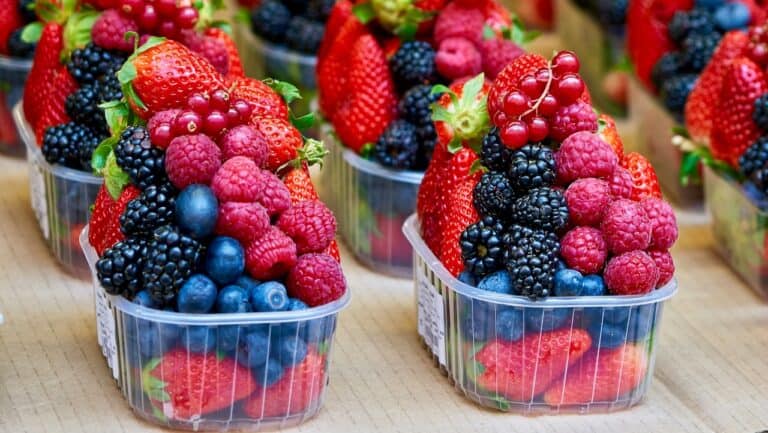
Set up a DIY sparkling water bar with fresh mint, citrus slices, and berry purees as a healthy, interactive welcome drink.
How do you kick off a healthy dinner with a toast?
A properly timed toast sets a warm, welcoming tone for the gathering and shifts the focus from the food to the social connection. Welcoming your guests formally encourages mindful eating, creates a shared moment of gratitude, and officially begins the evening festivities with clear host leadership.
For drink pairings, see Non-Alcoholic Drink Pairing: Match Flavors to Any Meal.
Taking a moment to pause before eating naturally slows down the pace of the meal. This brief pause allows everyone to appreciate the effort that went into the menu. According to traditional dining etiquette, it is the host or hostess’s prerogative to offer the first toast at a dinner party.
Your toast does not need to be long or overly rehearsed. Simply expressing your joy at having everyone gathered around your table is entirely sufficient.
This gesture immediately breaks the ice and prompts lively conversation. A unified start to the meal prevents awkward staggering where some guests begin eating while others wait. It unifies the room and sets a joyful relaxed tone.
Prepare a brief 30 second welcome speech to deliver as everyone sits down with their first drink, setting a positive intention for the meal.
Table: Quick Ingredient Swaps for Healthy Dinner Ideas
| Traditional Ingredient | Healthy Menu Swap | Why This Swap Works |
|---|---|---|
| Heavy cream | Puréed cannellini beans | Adds creamy texture and protein without saturated fat. |
| White pasta | Whole wheat farro | Increases dietary fiber and provides a chewy nutty texture. |
| Salty store pickles | Homemade quick pickled cucumbers | Dramatically reduces sodium content while keeping the crunch. |
| Sugary cocktail syrups | Muddled fresh berries and mint | Provides bright flavor and natural sweetness with fewer calories. |
| Sour cream | Plain Greek yogurt | Delivers a similar tangy flavor profile with significantly more protein. |
healthy dinner ideas to feature at your next gathering
1. Herb crusted baked salmon with citrus
Salmon provides an excellent source of lean protein and essential omega fatty acids. Baking a large side of salmon requires minimal active time and creates a stunning visual centerpiece for your table.
You can coat the fish in a mixture of fresh dill, parsley, and whole grain mustard before roasting. Surrounding the fish with thin slices of lemon and orange infuses the meat with bright citrus flavors.
This cooking method gently steams the fish while keeping the exterior perfectly textured. Guests can easily portion out their own servings using a large spatula. Pairing this main with a crisp green salad creates a wonderfully balanced plate.
2. Build your own Mediterranean grain bowls
Setting up a grain bowl bar offers incredible flexibility for groups with diverse dietary preferences. You prepare a large batch of quinoa or farro as the base foundation for the meal.
Arrange an assortment of toppings in colorful ceramic bowls down the center of the table. Include options like roasted cherry tomatoes, marinated artichokes, and spiced chickpeas.
Offering a few different protein choices like grilled chicken or baked falafel allows guests to customize their bowls. This interactive format naturally sparks conversation as people pass ingredients back and forth. Provide a bright lemon tahini dressing and a classic vinaigrette on the side.
3. Roasted vegetable and lentil stuffed peppers
Bell peppers serve as excellent natural vessels for savory nutrient dense fillings. You can halve sweet bell peppers and roast them until they become tender and slightly caramelized.
Filling them with a mixture of cooked lentils, sautéed spinach, and aromatic spices creates a hearty satisfying main course. Lentils offer substantial plant based protein and absorb savory broths beautifully.
You can prepare the filling a day in advance to simplify your final cooking steps. Baking the stuffed peppers right before guests arrive fills your home with an incredibly inviting aroma. Topping the peppers with a light sprinkle of feta cheese adds a sharp salty contrast to the sweet peppers.
4. Grilled chicken skewers with tzatziki sauce
Skewers inherently feel festive and make portion control entirely intuitive for your guests. Marinating diced chicken breast in yogurt, garlic, and oregano keeps the meat tender during grilling.
You can alternate the meat with chunks of red onion and zucchini for built in vegetable servings. Serving the skewers alongside a homemade tzatziki sauce provides a refreshing low calorie dip.
The cucumber and mint in the sauce cool down the savory char from the grill. You can arrange the finished skewers on a large wooden platter garnished with fresh herbs. This presentation is abundant and visually appealing without requiring heavy sauces.
5. Zucchini noodle pad thai with crushed peanuts
Swapping traditional rice noodles for spiralized zucchini significantly increases the vegetable content of your meal. Zucchini noodles cook in just a few minutes and provide a delightful crisp texture.
You can toss them in a savory peanut or almond butter sauce flavored with lime juice and tamari. Adding colorful vegetables like shredded carrots, purple cabbage, and snap peas creates a vibrant visual display.
You can offer grilled shrimp or crispy tofu on the side for added protein. This approach keeps the meal light while still delivering bold comforting flavors. Garnishing the dish with crushed peanuts and fresh cilantro adds necessary crunch and brightness.
6. White bean and kale soup with crusty sourdough
A robust vegetable heavy soup serves as a comforting main course during cooler months. Simmering cannellini beans with chopped kale, carrots, and onions creates a deeply flavorful nutrient dense broth.
Puréeing a small portion of the beans naturally thickens the soup without the need for heavy cream. You can prepare this healthy dinner idea entirely in advance since soups often taste better the next day.
Serving the soup from a large cast iron pot adds a rustic cozy charm to your dining table. Offering slices of fresh sourdough bread on the side allows guests to soak up the savory broth. It requires very little active plating, allowing you to remain seated with your friends.
7. Cauliflower steak roasts with chimichurri
Thick slices of roasted cauliflower provide a deeply satisfying meaty texture that anchors a plant based menu. Searing the cauliflower steaks in a hot pan before finishing them in the oven develops a beautiful caramelized crust.
You can season them simply with smoked paprika, garlic powder, and black pepper. Drizzling the roasted steaks with a vibrant green chimichurri sauce adds incredible acidity and herbaceous flavor.
The parsley, oregano, and vinegar in the sauce cut through the earthy sweetness of the cauliflower. Serving these steaks alongside a warm quinoa salad creates a fully rounded substantial meal. It proves that vegetable focused cooking can feel highly celebratory.
8. Turkey and black bean chili with avocado
Chili represents the ultimate communal meal and adapts wonderfully to health conscious menus. Using lean ground turkey and an abundance of black beans keeps the dish rich in protein and fiber.
You can load the chili base with diced tomatoes, bell peppers, and mild green chiles for added volume and nutrition. Setting up a garnish station allows guests to personalize their bowls with fresh vibrant toppings.
Offer diced avocado, fresh cilantro, jalapeño slices, and lime wedges instead of heavy sour cream and cheese. The avocado provides healthy fats and a creamy texture that perfectly balances the warm spices. This dish holds beautifully on the stove over low heat.
9. Lemon basil zucchini boats
Hollowing out fresh zucchini creates a perfect base for a light summery filling. You can chop the scooped zucchini flesh and sauté it with ground chicken, garlic, and fresh basil.
Returning this savory mixture to the zucchini shells and baking them results in a beautifully contained elegant dish. A light squeeze of lemon juice over the hot boats right out of the oven brightens the entire flavor profile.
The presentation is naturally tidy, making it easy to transfer portions to individual plates. Serving these alongside a simple tomato and cucumber salad rounds out the meal. It highlights seasonal produce in a fun accessible format.
10. Sweet potato and black bean tacos
Tacos naturally encourage a lively interactive atmosphere at your dining table. Roasting cubed sweet potatoes with cumin and chili powder brings out their natural sweetness and creates slightly crispy edges.
Pairing them with seasoned black beans offers a complete protein and a hearty satisfying bite. You can provide warm corn tortillas and crisp butter lettuce cups as the base options.
Displaying an array of fresh salsas, pickled red onions, and shredded cabbage adds vibrant color and necessary crunch. Taco nights naturally foster relaxed conversation and shared enjoyment. The ingredient prep is highly manageable and mostly low maintenance.
11. Baked cod with a warm cherry tomato compote
White fish like cod cooks quickly and provides an incredibly lean source of high quality protein. Baking the fish in a gentle heat ensures it remains flaky and tender.
You can prepare a quick compote on the stove by blistering cherry tomatoes with garlic and a splash of balsamic vinegar. Spoon the warm jammy tomatoes directly over the baked fish just before serving.
The acidity and sweetness of the tomatoes perfectly complement the mild delicate flavor of the cod. Pairing this main with steamed asparagus or green beans keeps the entire meal light and elegant. It tastes like a restaurant caliber dish but requires minimal culinary experience.
12. Spaghetti squash with turkey bolognese
Using roasted spaghetti squash in place of traditional pasta offers a highly nutritious base for rich sauces. Scraping the cooked squash yields long tender strands that beautifully mimic the texture of angel hair pasta.
You can prepare a hearty bolognese sauce using lean ground turkey, crushed tomatoes, and finely diced carrots. Simmering the sauce slowly allows the flavors to meld and deepen over time.
Ladling the warm meat sauce over the squash strands creates a highly comforting familiar flavor profile. The squash provides a subtle sweetness that pairs wonderfully with the savory tomato base. It offers the comfort of a traditional Sunday dinner with a fresh vegetable focused twist.
|
Include the Guests in the Plan |
How The Gourmet Host Helps You Apply Healthy Hosting Habits
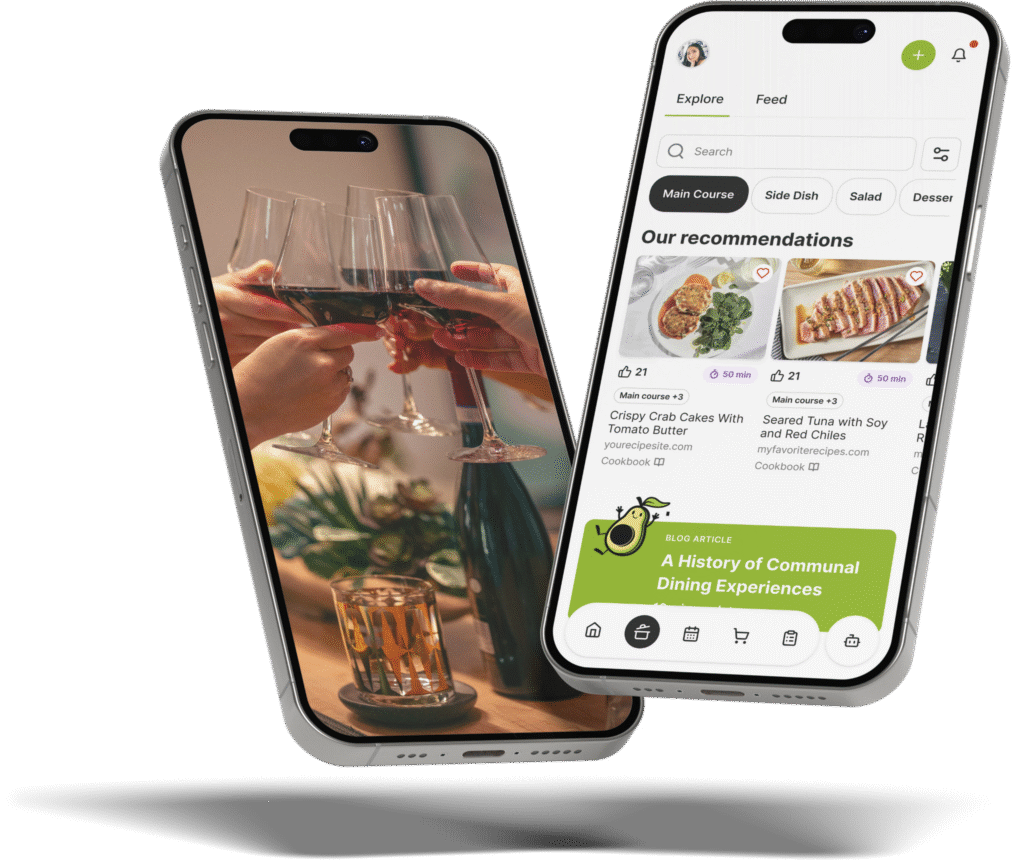
Planning healthy dinner ideas for a group requires managing multiple dietary needs, scaling recipes correctly, and keeping the event organized. Keeping these logistical details together allows you to focus purely on cooking, creating an inviting atmosphere, and enjoying the company of your guests. The Gourmet Host app manages the complicated details in the background.
The Gourmet Host app acts as your digital organizer. When you build your menu on an interactive event page, guest dietary notes stay with the event so you can review recipes, check ingredient labels, and choose suitable replacements. You can browse over 500 recipes from professional test kitchens directly within the app.
This structure keeps dietary notes easy to review.
A recent user noted, “This is a fantastic app just for the recipes alone, not to mention the other great features!” You can save your favorite healthy dishes and generate a highly organized shopping list instantly.
Sharing the workload becomes incredibly simple with included collaboration tools. You can invite cohosts, assign specific side dishes, and use the cost splitter to handle expenses after the event. The platform keeps all your dinner party logistics neatly organized in one place.
Create an interactive event page on thegourmethost.com to easily collect RSVPs and dietary restrictions before finalizing your healthy menu.
Frequently Asked Questions
What are some quick dinner ideas for two?
Cooking for two requires utilizing recipes that scale down easily without creating excess waste. You can pan sear two portions of white fish and serve them alongside a quickly dressed arugula salad. Roasting a single sheet pan of chopped vegetables and chicken sausage also provides a complete meal with minimal cleanup.
How do you accommodate multiple food allergies at a dinner party?
Managing various allergies involves designing a highly modular menu where components remain separate. You can serve dressings, nuts, and cheeses in small bowls on the side rather than mixing them into the main dishes. This lets guests choose components after checking ingredients and cross-contact with you, without requiring entirely different meals.
What is a good healthy welcome drink for guests?
A sparkling water station serves as an excellent hydrating welcome beverage. You can provide glasses filled with ice and offer small bowls of muddled berries, fresh mint sprigs, and lime wedges. This interactive setup gives guests something beautiful to sip on while avoiding highly sweetened mixers and heavy alcohol content.
How much food should I prepare for a dinner party of 12?
Feeding twelve guests requires a substantial main course and several large volume side dishes. You should plan for roughly six to eight ounces of protein per person alongside three large vegetable or grain sides. Preparing a large pot of soup or a massive grain salad ensures the table looks abundant and everyone leaves satisfied.
Who should give the first toast at a dinner gathering?
The host traditionally holds the responsibility of offering the first toast to officially open the meal. You should deliver this brief welcome as everyone takes their seats and receives their first beverage. Taking this leadership role sets a warm tone and transitions the group into a relaxed dining mindset.
Can you ask guests to split the cost of a dinner party?
Splitting costs works perfectly for casual collaborative gatherings among close friends. You can set the expectation upfront by framing the event as a shared supper club rather than a formal hosted dinner. Utilizing a digital expense sharing tool after the event keeps the financial logistics private and straightforward for everyone involved.
Continue Reading:
More On Healthy and Easy Dinner Ideas
- 10 Lazy Dinner Ideas for Stress-Free Hosting
- 7 Quick Dinner Ideas For Family Hosting Made Easy
- 7 Cheap Easy Meals for 2 to Host a Perfect Night In
- 7 Tips for Easy Food For Tailgate Party Hosting
- 7 Quick Dinner Ideas for 1: The Host’s Solo Guide
More from The Gourmet Host
- Expert Healthy Dinner Party Menu With Tips from a Toronto Dietitian
- The Dinner Party Menu: How to Plan a Meal Guests Remember
- 8 Mediterranean Salads to Make for a Crowd at Home
- How to Ask Guests About Dietary Restrictions: Scripts
- Non-Alcoholic Drink Pairing: Match Flavors to Any Meal
Explore TGH Categories