Japanese Non-Alcoholic Drinks: A Host’s Tasting Guide
 12 min read
Japan treats the non-alcoholic drink as seriously as the meal itself — fermented rice beverages date back to the Edo period, and today’s convenience stores in Tokyo stock more zero-alcohol options per shelf than most Western bars offer on their entire menu. That level of care means Japanese drink culture gives hosts something rare: beverages with genuine depth, complexity, and ceremony that never feel like a consolation prize for skipping the wine.
We walk you through the traditional teas, chilled sodas, and fermented specialties worth adding to your hosting rotation — along with the serving details that make each one land at the table.
At a Glance
- Matcha, hojicha, and genmaicha each pair with different courses, from light appetizers to rich desserts.
- Amazake is a fermented rice drink with a creamy texture and natural sweetness that works as both a warm welcome drink and a chilled dessert course.
- Ramune and yuzu soda bring effervescence and citrus brightness to summer gatherings without the cloying sweetness of standard sodas.
- Japanese non-alcoholic beers from brewers like Asahi and Suntory now rival craft options in body and aroma.
- Serving temperature, vessel choice, and small garnishes turn any of these drinks into a conversation piece at your table.
What Are Japanese Non-Alcoholic Drinks?
Japanese non-alcoholic drinks are a broad category of beverages — from ceremonial matcha and fermented amazake to modern zero-alcohol beers and fruit sodas — that reflect Japan’s centuries-old respect for flavor, presentation, and seasonal drinking traditions. Unlike Western non-alcoholic options that often mimic cocktails, many Japanese drinks originated as standalone traditions with their own rituals, ingredients, and cultural significance. For hosts, this means a ready-made library of drink options that feel intentional, pair naturally with food, and give guests something genuinely new to talk about.
Why Japanese Drinks Deserve a Place at Your Table
Most hosts building a non-alcoholic menu reach for sparkling water, a mocktail recipe, or a juice pitcher. Japanese drink culture offers something different: beverages with built-in depth that require almost no mixing.
Green tea alone spans a spectrum from grassy and astringent to roasted and nutty, which means you can match a tea to every course the way a sommelier matches wine. Amazake — a thick, sweet fermented rice drink that traces back to the Edo period — delivers a creamy texture and rich flavor that surprises guests expecting something closer to water. And Japanese soft drinks like ramune and yuzu soda bring citrus brightness and carbonation without artificial sweeteners.
- Flavor without formulas: Japanese beverages achieve complex taste through fermentation, roasting, or stone-milling rather than syrup-heavy mixology.
- Seasonal intention: Japanese flavors shift with the calendar — cherry blossoms in spring, mugicha (roasted barley tea) in summer, warm amazake in winter.
- Built-in ceremony: The act of whisking matcha or pouring from a ramune bottle creates a small ritual that draws guests into the experience.
The real advantage for hosts is range. A single Japanese-themed drink menu can cover everything from a hot welcome drink to a cold palate cleanser between courses — and every option arrives with a story your guests haven’t heard before.
If you’re new to planning themed dinner party evenings, Japanese drinks are one of the easiest starting points because the beverages themselves do most of the atmospheric work. And if your guests are coffee enthusiasts exploring global traditions, Japan’s kissaten (coffee house) culture offers another angle worth sharing.
|
Build One Japanese Drink Menu |
Traditional Teas and Warm Drinks Worth Sharing
Japan’s tea tradition gives hosts a ready-made toolkit for every stage of a gathering — from the first sip guests take at the door to the quiet close of the evening. Each variety brings a different flavor and a different mood to the table.
- Matcha (ceremonial grade) — Stone-ground green tea with a vivid color and vegetal sweetness that pairs with light appetizers like edamame or cucumber salad. Whisking it tableside in a chawan (tea bowl) turns the drink into a new drink experience guests remember.
- Hojicha (roasted green tea) — Roasting the leaves at high heat creates a nutty flavor and caramel-like aroma with almost zero caffeine. Serve it warm alongside grilled fish or mushroom dishes for a rich, smoke-accented pairing.
- Genmaicha (brown rice tea) — Toasted brown rice kernels mixed with green tea produce a popcorn-like fragrance and a toasty, full body. Pour it during a cheese course or alongside tempura, where its warmth cuts through the oil.
- Amazake (sweet fermented rice) — A thick, lightly sweet drink made from koji-fermented rice that has been served since the Edo period as both a health tonic and a festive refreshment. Some Japanese traditions even consider amazake a beauty and wellness beverage. Offer it warm in small ceramic cups as a welcome drink in colder months — the creamy texture and gentle sweetness set a generous tone before dinner.
- Mugicha (roasted barley tea) — Caffeine-free and served cold in summer, mugicha has a toasty, grain-forward flavor that Japanese households brew by the pitcher. Keep a large carafe on the table during a summer gathering as the default pour between courses.
- Sakura tea (cherry blossom tea) — Salt-preserved sakura flowers unfurl in hot water, releasing a delicate floral aroma and a faintly briny finish. Serve it as a final course alongside mochi or fresh fruit — the visual of blossoms floating in the cup makes it a natural conversation closer.
Each of these teas rewards a moment of attention at the table, whether that means watching the matcha foam or inhaling the roasted grain scent of genmaicha before taking the first sip.
For a deeper look at how amazake functions as a wellness beverage with roots in Japanese beauty culture, the tradition runs even deeper than the dinner table.
Cool Sips and Sparkling Picks for Warmer Gatherings
When the table moves outdoors or the temperature climbs, Japanese drink culture shifts toward cold drinks, carbonation, and bright citrus — all without relying on added sugar to carry the flavor.
- Ramune soda — Japan’s iconic marble-top soda comes in flavors from original (lemon-lime) to yuzu and lychee, and the pop-and-fizz opening ritual delights guests of every age. Set out a few bottles as a self-serve station at a summer party and let the novelty do the work.
- Yuzu soda — Fresh yuzu citrus is sharper than lemon and more aromatic than grapefruit, producing a sparkling drink that holds its own alongside grilled seafood or sushi. Look for brands that use real yuzu juice rather than flavoring for the truest expression.
- Calpis-style drinks (fermented milk soda) — A tangy, lightly sweet cultured-milk beverage diluted with cold water or soda water that Japanese families have served for over a century. The creamy-tart profile pairs with spicy dishes and works as a refreshing break between heavy courses.
- Mugicha on ice — The same roasted barley tea served hot in winter becomes a zero-calories, zero-sugar cold drink in summer when brewed strong and poured over ice. Batch-brew a pitcher the night before and keep it ready for guests who want something beyond plain water.
- Cold-brew sencha — Steeping sencha leaves in cold water for six to eight hours extracts a smooth, naturally sweet flavor with none of the bitterness that hot brewing can produce. Serve it in clear glass cups so guests can appreciate the pale green color.
- Japanese non-alcoholic beer — Brewers like Asahi and Suntory have refined zero-alcohol beer to the point where the aroma of traditional beers, body, and finish closely rival their alcoholic counterparts. Stock two or three different varieties for guests who want a beer-adjacent option — the variety signals that you’ve given their preference real thought.
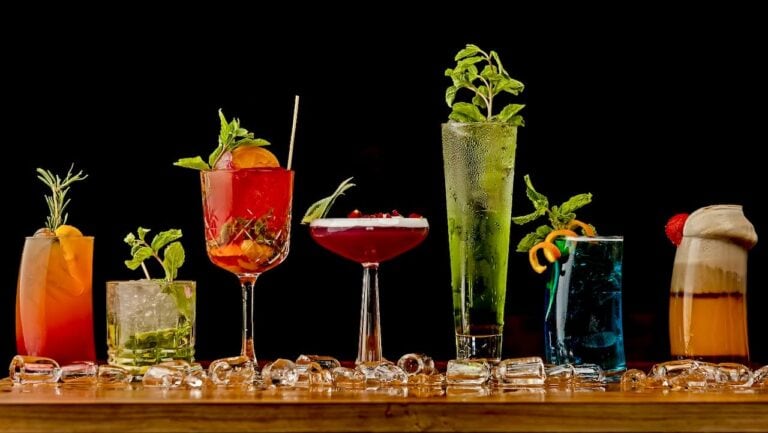
A tray of mixed cold Japanese drinks — a few ramune bottles, a pitcher of mugicha, and glasses of yuzu soda — gives a summer table the same visual energy as a cocktail spread, without a single shaker.
For a broader look at Japan\’s full non-alcoholic drink landscape, the options extend well beyond what fits on a single hosting menu.
|
Shop the Cold Drink Tray |
How to Present Japanese Drinks Like a Thoughtful Host
The difference between putting a pot of green tea on the counter and making Japanese drinks feel like a curated part of the evening comes down to three details: temperature, vessels, and context.
Serve hot drinks at the right heat. Matcha and amazake lose their character when they’re scalding — let hot water cool to about 175°F before whisking matcha, and serve amazake warm rather than boiling so the creamy sweetness stays at the front. Cold drinks benefit from real ice, not lukewarm neglect. Brew mugicha and cold sencha a full day ahead so they’re thoroughly chilled by party nights.
- Vessel choice matters: Small ceramic cups for warm teas signal care and slow sipping. Clear glass tumblers for cold drinks show off the color — the pale jade of sencha, the cloudy white of Calpis, the fizzing marble inside a ramune bottle.
- Garnish with restraint: A single sakura flower floating on a drink, a thin yuzu peel curled on the rim, or a sprig of shiso beside a glass of mugicha. Japanese presentation is about one deliberate detail, not a fruit salad on the glass.
- Pair drinks to courses: Offer matcha or genmaicha with appetizers, mugicha or yuzu soda with the main course, and amazake or sakura tea as the closing pour. This mirrors how Japanese meals flow through seasons and courses and gives guests the drinking experience of a progression without alcohol.
In our years of hosting, we’ve found that the simplest way to introduce Japanese non-alcoholic drinks is to pick three — one hot, one cold, one sparkling — and let the variety speak. Guests who’ve never tried amazake or hojicha tend to ask questions, and those questions turn a drink course into the most social part of the evening.
If you’re exploring Japanese culinary tools and traditions more broadly, the same attention to craft that shapes a gyuto knife shapes the way Japan approaches its beverages. And for hosts who want to pair these drinks with a complete step-by-step dinner party plan, the structure works just as well with a Japanese theme as with any other.
Frequently Asked Questions
What non-alcoholic drinks are popular in Japan?
Green tea (sencha, matcha, hojicha), mugicha (roasted barley tea), ramune soda, Calpis, amazake, and yuzu-flavored sparkling drinks are among the most widely enjoyed non-alcoholic beverages in Japan. Convenience stores stock dozens of varieties, reflecting how seriously Japanese culture treats non-alcoholic options as standalone drink options rather than substitutes.
What is amazake and is it alcoholic?
Amazake is a traditional Japanese drink made from fermented rice using koji mold. Most commercially available amazake has an alcohol content below 1%, making it effectively non-alcoholic. Its naturally sweet taste and creamy texture come from the fermentation process breaking down rice starches into sugars, not from any added sweetener.
What non-alcoholic drink goes with sushi?
Cold-brewed sencha or a chilled mugicha complement sushi without competing with the delicate fish flavors. The clean, slightly astringent quality of green tea cuts through the richness of fatty cuts like salmon belly, while mugicha’s roasted grain character pairs with the nori and rice. Both are traditional Japanese choices.
What is ramune soda?
Ramune is a Japanese carbonated soft drink sealed with a glass marble that you push into the bottle to open. The original flavor is a light lemon-lime, though modern varieties include yuzu, strawberry, and melon. The novelty of the marble mechanism makes ramune an excellent choice for social occasions where you want a drink that sparks conversation.
Can you buy Japanese non-alcoholic beer outside Japan?
Yes. Brands like Asahi, Suntory, and Kirin export zero-alcohol beer to North America, Europe, and parts of Asia. In recent years, availability has expanded in specialty grocery stores and online retailers. The flavor profiles now range from crisp lagers to darker ales, so hosts can stock different varieties for guests.
What is the best matcha drink for hosting?
A simple whisked matcha served in individual bowls gives guests both the flavor and the visual ceremony that makes matcha special. Use ceremonial-grade matcha rather than culinary grade for the smoothest taste, whisk with water just under 175°F, and serve alongside a small sweet like mochi. The preparation itself becomes a flavorful drink experience your guests can watch.
Continue Reading:
More On Non-Alcoholic Drinks
- Cozy Non-Alcoholic Fall Drinks for Autumn Hosting
- French Non-Alcoholic Drinks for Your Next Gathering
- Non-Alcoholic Cranberry Drinks for Every Holiday Table
- Non-Alcoholic Drink Pairing: Match Flavors to Any Meal
- Non-Alcoholic Drinks: A Host’s Guide to Cocktails and Spirits
- Non-Alcoholic Spanish Drinks: Sangria, Horchata, and More
- Non-Alcoholic Watermelon Drinks for Summer Gatherings
- The Best Non-Alcoholic Drinks to Order at A Bar, According to a Bartender
More from The Gourmet Host
- Icebreaker Questions for Kids That Get Everyone Talking
- Main Course Ideas That Wow Dinner Party Guests
- White Wine Food Pairings: A Host’s Guide to the Perfect Match
- Graduation Party Centrepiece Ideas to Celebrate
- 6 White Wine Substitutes for Cooking Beyond Vinegar
- Non-Alcoholic Drinks: The Complete Host’s Guide
- 9 Sparkling Non-Alcoholic Drinks for Any Occasion
Explore TGH Categories
- Set the Scene
- Drinks and Bar
- Plan the Meal
- Engage with Guests
- Games and Toasts
- Tools and Techniques
- Why We Gather