Non-Alcoholic Drinks: A Host’s Guide to Cocktails and Spirits
 16 min read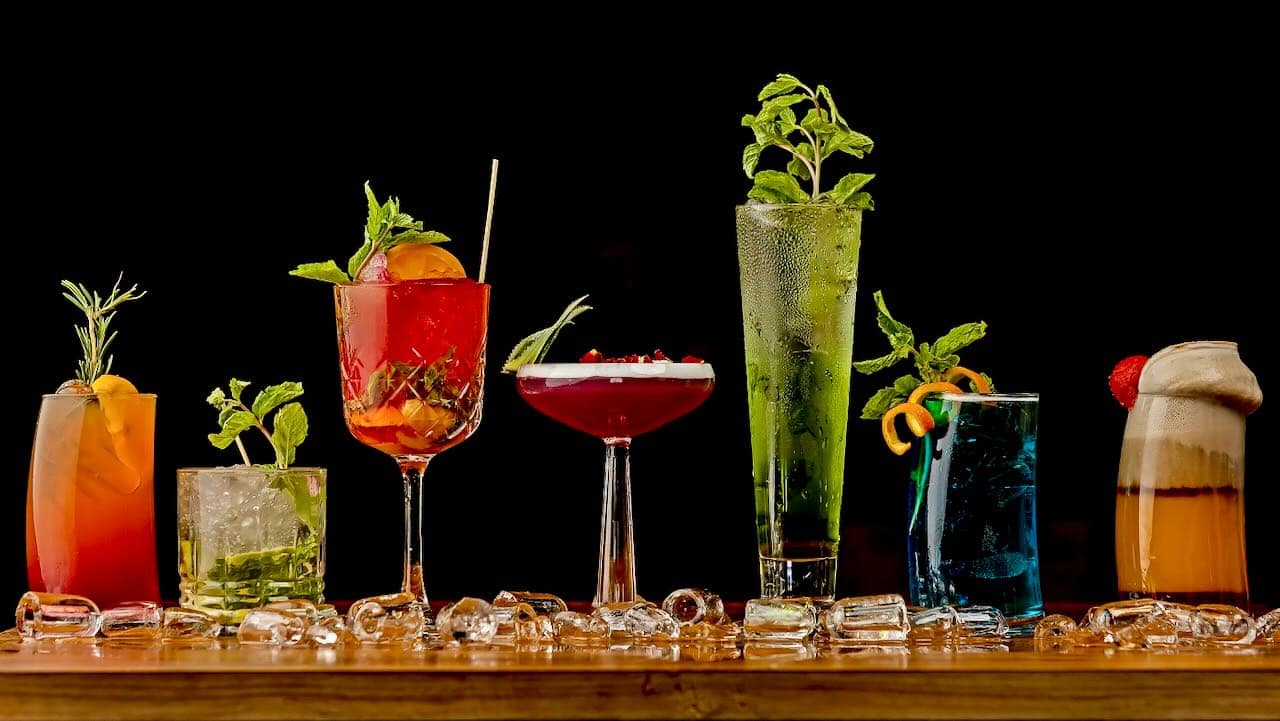
The non-alcoholic drink shelf has tripled in size over the past three years, and most of it collects dust after one polite sip. Guests smile through a too-sweet mocktail, set the glass down, and quietly switch to sparkling water. The gap between what’s available and what’s worth pouring has never been wider—and for hosts planning a gathering where at least some guests prefer an alcohol-free option, that gap is the whole problem.
We treat non-alcoholic drinks as a hosting decision, not a shopping list. You’ll learn which zero-proof spirits actually earn a second pour, how to build a drink station that feels intentional rather than apologetic, and where mocktails, NA beer, and functional drinks each fit in a thoughtful evening.
In our years of hosting, we’ve found the difference between a non-alcoholic bar that impresses and one that feels like an afterthought comes down to curation—knowing which non-alcoholic drink to serve, when, and why.
At a Glance
- Non-alcoholic spirits, wines, and beers now offer enough complexity to anchor a full drink menu for any gathering.
- Mocktails taste closest to cocktails when built with fresh citrus, simple syrup, and tonic water or ginger beer rather than fruit juice alone.
- A curated drink station with three to four options outperforms a cluttered bar with a dozen bottles nobody opens.
- Functional drinks with botanical extracts and natural ingredients add a conversation piece and a distinct flavor guests remember.
- Matching non-alcoholic drinks to your menu’s flavors—rather than offering them as an afterthought—signals to every guest that their glass matters equally.
What Is a Non-Alcoholic Drink?
A non-alcoholic drink is any beverage containing less than 0.5% alcohol by volume—a threshold so low that a ripe banana carries a comparable amount. For hosts, the practical meaning is broader: non-alcoholic drinks now span zero-proof spirits engineered to replicate gin or whiskey, dealcoholized wines that preserve the acidity and body of their full-strength originals, NA beers brewed with craft-quality hops, and entirely new categories like botanical functional drinks built on adaptogens and lemon balm. Unlike the sugary virgin cocktails of a decade ago, today’s best non-alcoholic beverages are designed for adult palates that want complex flavor and a sense of occasion without any amount of alcohol.
What Makes a Non-Alcoholic Drink Worth Serving?
The first question isn’t which non-alcoholic drinks to buy—it’s what separates a bottle worth pouring from one that ends up in the back of the pantry.
The answer comes down to three traits: bitterness or tannin structure that gives the drink a finish, acidity that wakes up the palate, and enough aromatic complexity that the first sniff pulls you in before the first sip.
Most disappointing non-alcoholic beverages fail on the first trait. Without ethanol to carry flavor and add body, many zero-proof options compensate with sweetness, and sweetness without counterbalance tastes flat by the second glass.
The bottles that earn a second pour—whether that’s a well-made non-alcoholic spirit with juniper and citrus peel or a tart cranberry spritzer sharpened with fresh lime juice—succeed because they give your tongue something to work through.
Bitterness signals quality: The best non-alcoholic cocktails borrow from the same flavor principle that makes a Negroni satisfying. Tonic water, gentian root, citrus pith, and even a few drops of non-alcoholic bitters create a backbone that keeps the drink interesting across a whole evening.
- Acidity over sweetness: Fresh lemon juice or fresh lime juice cuts through rich appetizers and resets the palate between bites—exactly what a good wine does. Reach for citrus before sugar.
- Aromatic depth: Fresh herbs like basil, rosemary, and lemon balm add a layer of scent that transforms a simple soda water and juice mix into something your guests pause to notice.
- Temperature matters: A zero-proof cocktail served at exactly 38°F in a chilled coupe glass reads as intentional. The same drink in a room-temperature tumbler reads as an afterthought.
When pairing experts at SevenFifty Daily build non-alcoholic menus for fine dining restaurants, they apply the same intensity-matching logic used in wine service. A light herbal Spritz before appetizers, a richer botanical drink alongside the main course, a bittersweet digestif with dessert. That progression works just as well at home and costs far less than stocking a dozen bottles you’ll open once.
The shift in how non-alcoholic drinks are made has everything to do with why they’re finally worth serving.
Vacuum distillation, cold extraction, and careful blending of botanical extracts give today’s zero-proof drinks a depth that fruit juice and ginger ale alone never could.
As a host, the takeaway is practical: you can now build a drink menu with the same care you put into your food menu, and your guests will taste the difference.
|
Give Drinks A Real Menu |
Non-Alcoholic Spirits, Wines, and Beers: How to Choose
Walking into a bottle shop’s non-alcoholic section can feel like standing in a cereal aisle—everything is colorful, everything promises something, and nothing tells you which three bottles will actually anchor your evening. The simplest framework: think in categories, pick one winner from each, and skip the rest.
Non-alcoholic spirits are designed to replace a traditional spirit one-to-one in cocktails. A zero-proof gin alternative built on juniper, cucumber, and bright citrus can carry a classic gin and tonic when mixed with quality tonic water and a squeeze of lime. A non-alcoholic whiskey with notes of oak, vanilla, and black pepper works in an old-fashioned format with brown sugar syrup and bitters.
The category has matured enough that dedicated tasting guides now review dozens of bottles the way wine critics review vintages. The practical advice for hosting: buy one versatile spirit—gin-style or aperitif-style—that can anchor two or three different drinks rather than three single-purpose bottles.
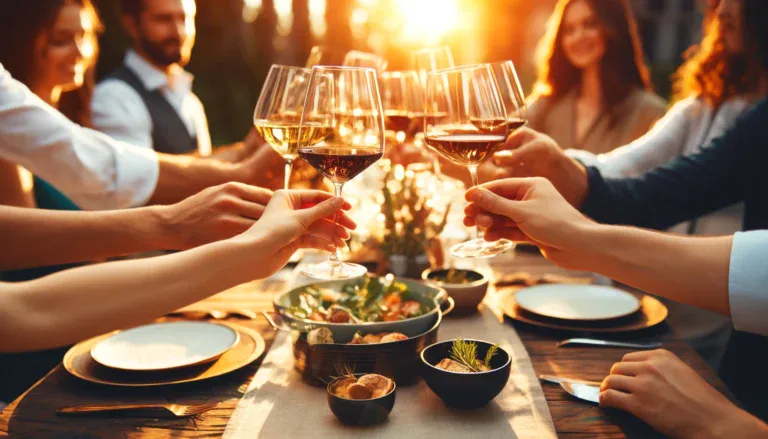
- NA wines: Dealcoholized wines have improved dramatically. Sparkling varieties tend to impress most reliably—the carbonation compensates for the body that alcohol removal takes away. A chilled non-alcoholic sparkling Rosé poured into proper wine glasses reads as celebratory, not compromised. Still non-alcoholic wines work best when you choose aromatic grapes like Riesling that keep their character through the dealcoholization process.
- NA beers: This is the most mature category. Craft NA beers from breweries dedicated entirely to non-alcoholic production deliver hop character, malt depth, and carbonation that satisfy guests who would otherwise reach for a full-strength IPA. Stock two styles—a lighter lager for broad appeal and a hoppier option for the craft beer crowd—and you’ve covered the full range.
- Functional drinks: The newest category includes botanical beverages with adaptogens, nootropics, and ingredients like lemon balm built for relaxation or focus rather than flavor replication. These work beautifully as a conversation-starter alongside a cheese board and give guests who don’t want a cocktail format something intriguing to hold.
One mistake hosts make is over-buying. A gathering of eight people needs three non-alcoholic options at most: one spirit-based cocktail, one NA wine or beer, and one simple crowd-pleaser like a sparkling cranberry punch that anyone can pour themselves.
Stock depth, not breadth, and your bar feels curated rather than cluttered.
If you’re already comfortable with full-strength cocktails and want to learn how spirits, food, and glassware work together, TGH’s complete guide to spirit, cocktail, and food pairings covers the fundamentals that apply equally to zero-proof versions.
Do Mocktails Really Taste Like Cocktails?
The honest answer is, not exactly, and that’s fine. A mocktail built with a non-alcoholic spirit, fresh citrus, and simple syrup will carry the ritual—the shaking, the pour, the garnish—but it won’t replicate the warmth that ethanol delivers.
What a good mocktail does instead is satisfy the same craving for something crafted, cold, and complex in a way that club soda with a lime wedge never will.
The recipes that close the gap most convincingly share a formula: a strong base, a sour, a sweet, and a bitter or aromatic finish. A virgin mojito built with muddled fresh mint, fresh lime juice, simple syrup, and soda water hits every one of those notes.
A spicy pineapple ginger margarita without tequila works when you substitute the spirit with a ginger beer and fresh pineapple juice combination that adds heat and body.
The texture of crushed ice, the snap of fresh basil torn over the rim, the tart bite of blood orange—these sensory details do more than any spirit substitute to make a mocktail feel like an occasion.
Three techniques that separate a great mocktail from watered-down juice:
- Shake hard, strain clean: Twenty seconds of vigorous shaking with ice aerates the drink, chills it fast, and creates a silky texture that fruit juice poured over ice never achieves. Strain through a fine mesh to keep the pour clean.
- Build sweetness in layers: Instead of dumping in simple syrup, try a combination of honey syrup for body, a splash of pomegranate juice for color and tartness, and a rinse of brown sugar syrup on the glass rim for aroma. Different flavors of sweetness keep the drink interesting.
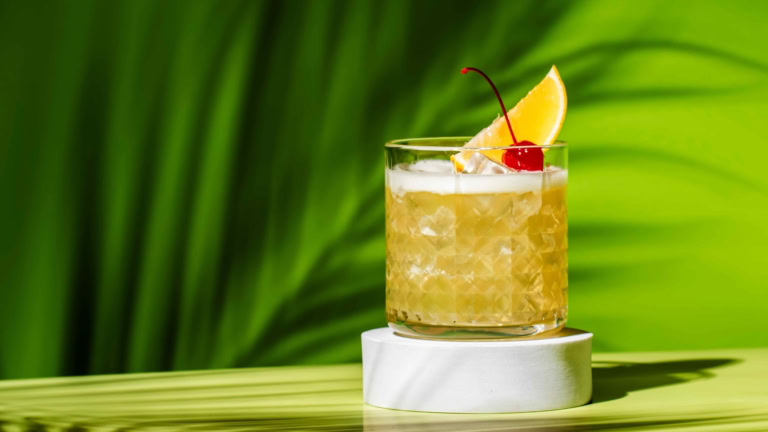
- Garnish with purpose: A sprig of fresh herbs or a wheel of dehydrated citrus isn’t decoration—it’s the first thing your guest smells. That aroma sets expectations before the liquid hits their lips. A well-garnished non-alcoholic cocktail signals care.
For hosts who want to batch drinks ahead of time, the Arnold Palmer—half iced tea, half lemonade—is the unsung hero of non-alcoholic entertaining. It’s familiar, it scales to any crowd size, and a homemade version with brewed black tea and fresh lemon juice tastes worlds apart from the canned version. Add a rosemary sprig and pour it from a glass pitcher, and nobody asks why there’s no cocktail menu.
If you want a broader recipe library for drinks that match specific occasions, TGH’s roundup of party drinks for hosting with great cocktails includes several zero-proof options alongside their full-strength counterparts.
And for pairing non-alcoholic drinks with appetizers and snack boards, our guide to pairing drinks and bitesapplies the same flavor-matching framework to both sides of the bar.
|
Stock The Drink Station Right |
Building a Non-Alcoholic Drink Station Your Guests Will Actually Use
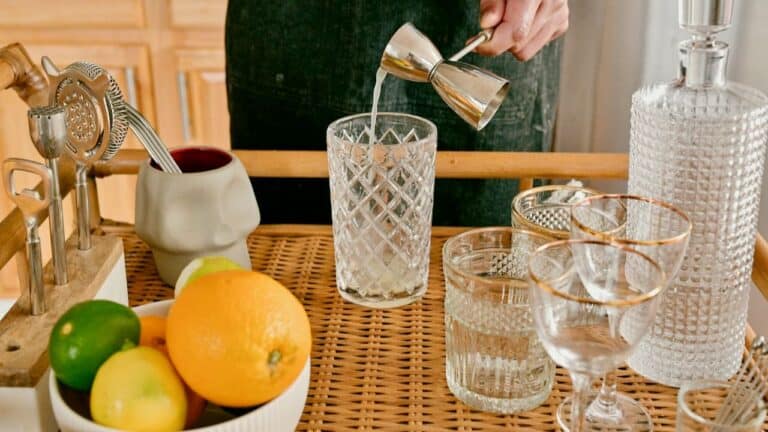
The biggest hosting mistake with non-alcoholic drinks isn’t the drinks themselves—it’s where and how you present them. A lonely bottle of ginger ale next to the wine opens is a signal that non-drinkers are an afterthought. A dedicated station with three options, proper glassware, and a handwritten recipe card says the opposite: every guest’s glass matters here.
The station doesn’t need to be elaborate. A small table with clear labels and pre-batched optionsoutperforms a sprawling bar cart every time. Here’s a setup that works for gatherings of six to twelve people—the sweet spot where most home hosting happens:
- One signature mocktail in a pitcher: Pre-batch a citrus-forward drink like a sparkling blood orange Spritz with fresh lemon juice, a splash of pomegranate juice, and soda water. Guests pour their own, which keeps you out of bartender mode.
- One NA beer or wine option, chilled: A craft NA beer in a proper pint glass or a sparkling non-alcoholic wine in a flute. Choose one, not both—it keeps the station clean and prevents decision fatigue.
- One still option: An infused water or an iced tea with a unique twist—think white tea with peach and fresh basil, or a cold-brewed lemon balm tisane. This gives guests who don’t want bubbles or sweetness a sophisticated choice.
- Proper glassware: Coupe glasses for the mocktail, the right beer glass for the NA beer, and a tumbler for the still drink. Using the correct glass for each drink is the single cheapest way to make the station feel intentional.
Placement matters as much as selection. Set your non-alcoholic station next to the main bar, not across the room from it. When guests are choosing between alcoholic and non-alcoholic options side by side, both feel like first-class choices. Segregating the non-alcoholic drinks to a side table or the kitchen counter sends the wrong message, no matter how thoughtfully you’ve stocked it.
According to John deBary’s approach to non-alcoholic pairing, the key to a great NA drink menu is treating it with the same intentionality as a wine list—matching drink intensity to food intensity and offering progression through the meal. That philosophy works perfectly at a home drink station: start the evening with a lighter sparkling option, then transition to a richer, more complex mocktail alongside dinner.
For hosts who love the idea of a self-serve bar but want more inspiration on setting the scene, TGH’s guide to welcome drinks that set the tone covers the psychology of that first pour—the moment guests arrive and reach for a glass.
|
Chill Your Pitcher Drink to 36°F Before Guests Arrive, Not After |
How to Know Which Non-Alcoholic Drinks Fit Your Gathering
Every gathering has a personality, and the right non-alcoholic drinks match it the way a soundtrack matches a film.
A casual backyard barbecue calls for something you can make in a pitcher and forget about—a ginger beer shandy with fresh fruit, an Arnold Palmer, or a jug of Agua Fresca.
A seated dinner party with courses and candles asks for something more considered: a NA sparkling wine for the toast, a botanical spritz alongside appetizers, a richer zero-proof cocktail with the main course.
The framework that works for every scenario starts with three questions:
- How formal is the evening? Casual gatherings favor batch drinks and self-serve. Formal dinners benefit from individual drinks mixed or poured at the table, which creates a sense of occasion even without alcohol.
- How many guests are skipping alcohol? If it’s one or two out of ten, a single well-made mocktail and an NA beer will cover them generously. If half the table isn’t drinking, invest in a two- or three-drink non-alcoholic menu that progresses through the evening.
- What’s on the food menu? Rich, savory mains like braised short ribs pair with drinks that have tannin or bitterness—think a non-alcoholic red wine or a tonic-based botanical drink with black pepper and citrus. Lighter fare like grilled fish or summer salads matches a sparkling option with bright acidity, like a citron pressé or a virgin version of a classic spritz.
For special occasion hosting—a holiday dinner, an anniversary, a milestone birthday—the small details compound. Ice matters: use large, clear cubes that melt slowly and keep the drink cold without diluting it. Glassware matters: a coupe glass signals celebration, a rocks glass signals relaxation, and a tall Collins glass signals refreshment.
Even the garnish matters: a curl of orange peel expressed over the rim releases oils that change how the first sip lands.
The host who gets non-alcoholic drinks right is the one who stops thinking of them as a substitute and starts treating them as a category of their own. Non-alcoholic spirits, wines, beers, and functional drinks have earned enough quality to stand on their own merits—no apology needed, no explanation required. The best glass of wine at your table might be the one without any alcohol in it, and the guest holding it should never feel like they’re missing out.
Frequently Asked Questions
What are the best non-alcoholic drinks for a party?
A pre-batched citrus Spritz in a pitcher, one chilled NA beer option, and an infused water or iced tea cover nearly any crowd. Choose drinks with acidity and carbonation. They hold up over a long evening and pair well with snacks and appetizers. For larger parties, a sparkling cranberry punch bowl lets guests serve themselves while you focus on hosting.
Are non-alcoholic spirits worth buying?
The best ones are. Non-alcoholic spirits built on botanical extracts and natural ingredients can carry a cocktail format convincingly, especially gin and aperitif styles. Avoid cheap options that rely on sweetness alone. Look for bottles that list bittering agents, juniper, or citrus peel in their ingredients. One quality bottle goes further than three mediocre ones.
What non-alcoholic drinks taste like cocktails?
Mocktails that follow a cocktail’s structure (base, sour, sweet, and aromatic finish) come closest. A virgin mojito with fresh mint, lime, and soda water hits the right notes. A non-alcoholic aperitif with tonic water and a citrus garnish mimics a Spritz. The key is using fresh ingredients and proper technique like shaking with ice, not pouring juice into a glass.
How do you make a mocktail at home?
Combine fresh lemon or lime juice, one ounce of simple syrup, and two ounces of a non-alcoholic spirit or ginger beer. Shake with ice for twenty seconds, strain into a chilled glass, then top with soda water or tonic water. Finish with a citrus wheel or fresh herb garnish.
What is the difference between a mocktail and a non-alcoholic cocktail?
A non-alcoholic cocktail uses a zero-proof spirit as its base to replicate a specific drink, like a non-alcoholic Negroni built with NA gin and NA vermouth. A mocktail is broader, often combining fruit juice, soda, herbs, and syrups without referencing a specific cocktail. Both belong on a thoughtful drink menu, so quality matters more than the label.
Are non-alcoholic drinks healthier than alcoholic ones?
Non-alcoholic drinks are healthier in one clear way: they eliminate ethanol’s calories and physiological effects. That doesn’t make them automatically low in sugar, since some NA wines and pre-mixed mocktails add sweeteners to compensate for lost body. Check labels for added sugar and favor natural ingredients. A fresh-squeezed mocktail with no added sweetener stays genuinely low-sugar.
Continue Reading:
More On Non-Alcoholic Drinks for Hosting
- Cozy Non-Alcoholic Fall Drinks for Autumn Hosting
- French Non-Alcoholic Drinks for Your Next Gathering
- Japanese Non-Alcoholic Drinks: A Host’s Tasting Guide
- Non-Alcoholic Cranberry Drinks for Every Holiday Table
- Non-Alcoholic Drink Pairing: Match Flavors to Any Meal
- Non-Alcoholic Spanish Drinks: Sangria, Horchata, and More
- Non-Alcoholic Watermelon Drinks for Summer Gatherings
More from The Gourmet Host
- Small Gifts That Will Make Your Dinner Party Guests Feel Special
- The Art of After-Dinner Speeches: Tips for Speaking
- Birthday Dinner Ideas for a Home-Cooked Celebration
- A History of Communal Dining Experiences (& How To Create Your Own)
- 7 Best Potluck Themes That Turn Shared Dishes Into a Real Menu
- Non-Alcoholic Drinks: The Complete Host’s Guide
- 10 Non-Alcoholic Christmas Drinks for Every Guest
Explore TGH Categories
- Set the Scene
- Drinks and Bar
- Plan the Meal
- Engage with Guests
- Games and Toasts
- Tools and Techniques
- Why We Gather