Non-Alcoholic Drink Pairing: Match Flavors to Any Meal
 14 min read
A grilled steak deserves more than a glass of water poured as an afterthought. Yet that’s exactly what most hosts default to when someone at the table isn’t drinking alcohol — ice water, a can of cola, or a vague wave toward the fridge. The problem isn’t a lack of non-alcoholic drinks on the market. It’s that nobody taught us to pair them with food the way a sommelier pairs wine.
Non-alcoholic drink pairing uses the same logic that has guided wine pairing for centuries: match the acidity, body, and sweetness of your drink to the weight and flavor of the dish. Once you learn that framework, you’ll stop reaching for the same default soda and start building a drink menu that earns as much attention as the food itself.
This article breaks down exactly how to do it — from light summer salads to a full cheese board — so every guest at your next dinner party has a drink worth savoring.
At a Glance
- Non-alcoholic drink pairing follows the same principles as wine pairing: match intensity, balance acidity, and contrast or complement flavors.
- Lighter dishes like seafood and summer salads pair best with citrusy drinks, herbal tea, and sparkling options that refresh the palate.
- Rich mains and cheese boards call for bold drinks with body — non-alcoholic beer, root beer, black coffee, or a strawberry shrub.
- A great pairing progression across a full dinner party keeps your guests’ taste buds engaged from the first sip to the last course.
- You don’t need a drop of alcohol to create a dining experience where every drink feels intentional and well-matched.
What Is Non-Alcoholic Drink Pairing?
Non-alcoholic drink pairing is the practice of selecting zero-proof drinks and alcohol-free alternatives to complement the flavors, textures, and weight of each course in a meal. For hosts, it’s the difference between handing every non-drinking guest the same glass of orange juice and offering a considered pairing that makes them feel included in the full dining experience. Unlike casual drink selection, non-alcoholic beverage pairing borrows directly from wine-pairing principles — acidity cuts through richness, sweetness balances spicy notes, and body matches intensity — so the food and the drink make each other taste better.
Why Non-Alcoholic Drink Pairing Follows the Same Rules as Wine
The reason wine pairing works isn’t the presence of alcohol — it’s the interplay of acidity, sweetness, body, and tannin against the flavors on the plate. Non-alcoholic drinks carry every one of those properties.
A tart hibiscus spritzer has acidity. A non-alcoholic beer has body and bitterness. A ginger beer has spicy notes and carbonation. The framework translates directly; the only variable that changes is the alcohol itself.
Start with the principles of pairing that sommeliers and beverage professionals already use, and apply them to zero-proof drinks:
- Match intensity to intensity: A delicate sparkling water with lemon juice works alongside a light green salad, but it would vanish next to a slow-braised short rib. Heavier dishes need drinks with more body and flavor — think root beer, non-alcoholic wine, or a paloma mocktail with real grapefruit bite.
- Balance acidity with acidity: Tangy dishes like goat cheese salads or fish tacos pair with citrusy drinks that keep the palate sharp. A good pairing here is a simple lime and club soda or a sparkling grape juice with the right amount of acidity.
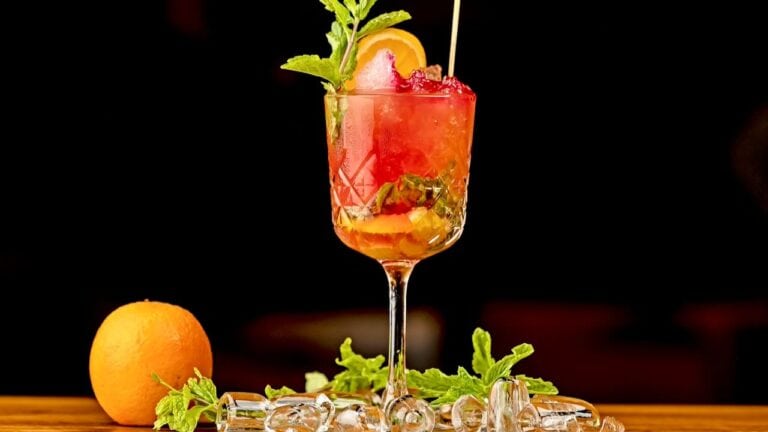
- Use sweetness to cool heat: A spicy dish — think curry or Szechuan noodles — needs a drink with balanced sweetness and a cooling element. Iced tea with a hint of cardamom or a virgin mojito with muddled mint and lime juice works because the sweetness tames the burn without overwhelming the food.
Beverage directors at fine dining restaurants have been building non-alcoholic pairing menus that follow this exact logic. If you’re already comfortable with wine and food pairing fundamentals, the translation to zero-proof drinks is surprisingly direct. And as culinary programs now teach, the fundamentals of food and beverage pairing apply whether the glass holds a Riesling or a Riesling-style dealcoholized wine.
Restaurant programs that have added non-alcoholic drink and food pairing menus report that guests order them not as a compromise but as a preferred option — proof that a good pairing stands on flavor alone, with or without the presence of alcohol.
The takeaway for your dinner party: stop thinking of non-alcoholic options as substitutes and start treating them as specific beverages chosen for specific dishes.
|
Plan The Whole Pairing Menu |
How to Match Non-Alcoholic Drinks to Lighter Dishes and Summer Salads
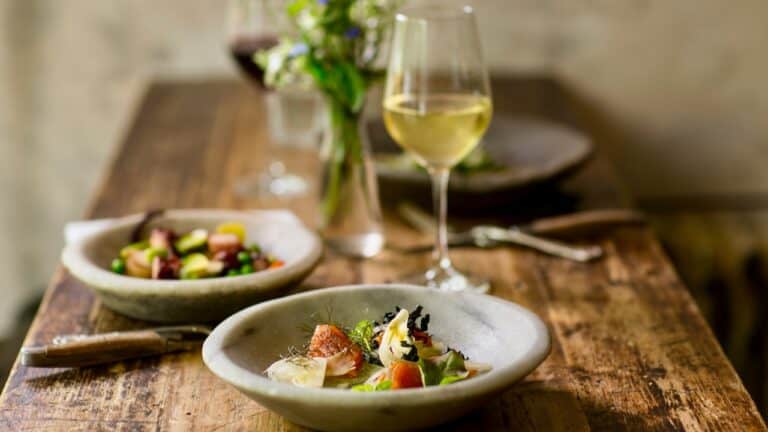
Lighter foods need lighter drinks — that’s the single most reliable pairing rule, and it holds whether you’re pouring a Sauvignon Blanc or a sparkling herbal tea.
The mistake most hosts make with non-alcoholic pairings is grabbing something too sweet. A ginger ale drenched in sugar will flatten the fresh flavors of a citrus-dressed salad. Instead, reach for drinks where acidity and carbonation do the heavy lifting.
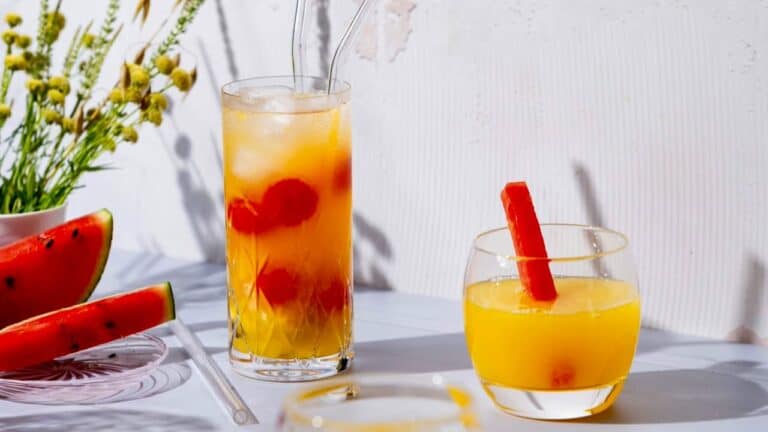
For summer salads with vinaigrette, a citrusy drink like a lemon-soda Spritz or a chilled hibiscus spritzer cuts through the oil and mirrors the brightness of the dressing. The floral tartness of hibiscus makes it a natural choice for lighter dishes — it behaves on the palate almost exactly like a dry Rosé. Pair it with grilled halloumi, a shaved fennel salad, or ceviche, and you’ll notice how the drink refreshes your taste buds between bites rather than competing with the food.
Lighter pairings work especially well with appetizer courses and easy starters where the flavors are bright and the portions are small.
- A sparkling lemon-and-herb soda or a chilled hibiscus spritzer works alongside citrus-dressed salads because both the food and the drink share bright, acidic notes.
- Fish tacos and ceviche pair with lime and club soda or cold green tea with a lemon wedge — drinks that mirror the dish’s acidity without adding sweetness.
- Summer appetizers like bruschetta or shrimp cocktail want a dry ginger ale or sparkling apple juice diluted with soda water — something refreshing that stays out of the food’s way.
Seafood follows the same logic. Richer seafood like butter-poached lobster or a creamy chowder can handle slightly more body: try a non-alcoholic sparkling wine or an apple juice diluted with sparkling water and a sprig of rosemary.
The drink professionals at Dry Drinker recommend matching carbonation to richness — the bubbles act as a palate cleanser in the same way sparkling wines do.
For hosts planning a soft pairing — the industry term for a non-alcoholic beverage served alongside a meal in place of wine — the goal is the same as any wine pairing: the drink should make the food taste better, and the food should make the drink taste better.
A comprehensive food and drink combinations guide can help you map lighter foods to specific beverages, but the framework is simple: acidity with acidity, light with light, and always taste before you serve.
Next time you plate a summer salad or a piece of grilled fish, set a drink beside it before your guests sit down — the pairing itself becomes part of the presentation.
|
Save Every Pairing You Nail |
What to Pour Alongside Rich Mains and a Cheese Board
Bold food demands bold drinks. If you’ve ever noticed that a glass of water goes flat and forgettable next to a rich braised short rib, you already understand why body matters in non-alcoholic pairings too.
Red meat — whether it’s a seared steak, a lamb shank, or a slow-roasted brisket — needs a drink with structure.
Non-alcoholic beer with malty depth handles this well; the slight bitterness mirrors the role tannins play in a red wine pairing. A full-bodied root beer (the craft kind, not the syrupy supermarket version) brings vanilla and spice notes that complement smoky, grilled flavors.
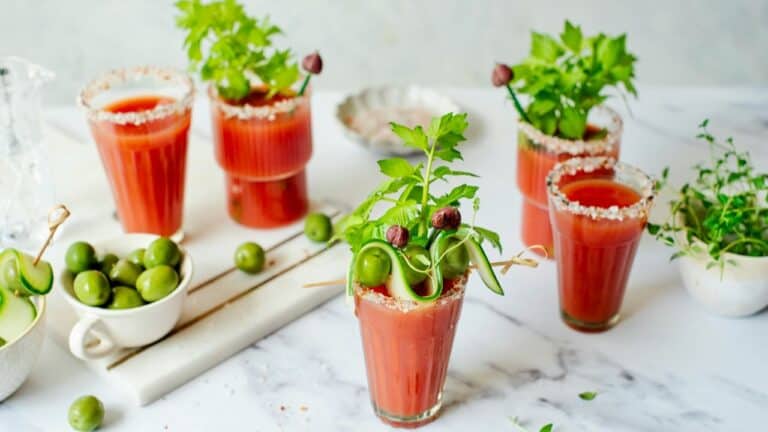
For something unexpected, try a food-forward pairing approach that matches the dominant seasoning — a non-alcoholic cocktail with black pepper and citrus alongside a peppered filet, or a Bloody Mary mocktail with a spice-rubbed roast.
Cheese boards open up an entirely different pairing conversation. In our years of hosting, we’ve found that the cheese-and-wine instinct transfers directly to zero-proof drinks — you just need to think about the same flavor axes. If you’re building a full party food platter spread, assign one drink to the board rather than asking guests to figure it out themselves.
- Soft, creamy cheeses (Brie, Camembert): Pair with something bubbly and slightly acidic. Sparkling grape juice or a dry ginger ale with a squeeze of lime juice lifts the richness. Cheese and zero-proof pairing experts suggest starting here because the carbonation does most of the work.
- Aged, sharp cheeses (aged Gouda, cheddar): These can stand up to darker, richer drinks. Black coffee served at room temperature, a non-alcoholic stout, or a charcuterie-friendly tea pairing with a smoky lapsang souchong are strong matches.
- Goat cheese and fresh chevre: Acidity is your friend. A strawberry shrub — vinegar, fresh fruit, and soda water — mirrors the tang of the cheese. The natural sweetness of strawberries balances the sharpness beautifully. Non-alcoholic options for cheese boards expand well beyond wine substitutes when you think in terms of flavor contrast.
A host who pairs zero-proof beverages with a curated cheese spread sends a clear signal: every drink at this table was chosen with care.
The real shift happens when you stop asking “what’s a non-alcoholic substitute for wine?” and start asking, “what flavor does this cheese actually need beside it?”
|
Serve Your Cheese Board Drinks at 55°F, Not Ice Cold |
The Pairing Decisions That Shape Your Whole Dinner Party
Individual food pairings matter, but the hosts who get the most compliments are the ones who think about the arc of the evening — a pairing progression that moves from light to bold, refreshing to warming, across the entire dinner party menu.
The same sequencing logic that drives planning a full dinner menu applies to your drinks. And if you’re new to building a complete dinner from start to finish, pairing drinks to courses gives you a natural structure to organize around.
- Aperitif (first 30 minutes): Serve something sparkling and dry — club soda with citrus bitters, a chilled herbal tea with ginger, or a light shrub. The goal is appetite stimulation, the same job a traditional aperitif performs.
- Main course: Shift to body and flavor. Non-alcoholic wine, ginger beer with spicy notes, or iced tea sweetened with simple syrups made from fresh fruit match the weight of the plate.
- Dessert: Contrast the sweetness. Hot chocolate with a pinch of sea salt for chocolate desserts, or sparkling apple juice with cinnamon for lighter finishes. The richness of a creamy dessert pairs with drinks that offer contrast — acidity to cut sweetness, or bitterness to provide balance.
For the main course of a family dinner with a roast chicken, a non-alcoholic wine with fruit-forward notes gives everyone at the table — drinkers and non-drinkers alike — a shared experience.
For heartier mains, move to a ginger beer with spicy notes or an iced tea sweetened with fresh fruit. The dining experience changes when each guest has a drink that was chosen for what’s on their plate, not poured as an afterthought.
The art form is in the sequencing: you want each drink to set up the next course rather than repeat the same flavor note. Cold and sparkling, then room temperature and still, then warm and aromatic is a progression that mirrors how favorite drinks at a great restaurant move through an evening.
The common mistake is variety without intention. Three different fruit juices across three courses isn’t a pairing progression — it’s a juice bar. Each drink should differ in flavor profile, temperature, or texture from the one before it.
When your guests notice that each course came with its own drink — that the flavors were matched, that the mocktail experience was designed rather than improvised — that’s when the compliments land.
And none of it required expensive non-alcoholic spirits or non-alcoholic cocktails you’ve never made. It required thought, a few fresh ingredients, and the willingness to treat non-alcoholic options with the same care you’d give a good wine.
Frequently Asked Questions
What non-alcoholic drink pairs best with steak?
A non-alcoholic beer with malty depth or a craft root beer with vanilla and spice notes pairs best with steak. Both provide the body and slight bitterness that mirrors a red wine’s tannin structure, standing up to the richness of the meat without washing out. A Bloody Mary mocktail also works well with peppery cuts.
How do you pair non-alcoholic drinks with cheese?
Match the drink’s intensity to the cheese’s intensity. Soft cheeses like Brie pair with sparkling, acidic drinks such as a dry ginger ale or sparkling grape juice. Aged cheeses handle bolder options like non-alcoholic stout or black coffee. Goat cheese pairs with tart, fruity drinks like a strawberry shrub.
What non-alcoholic drink goes with spicy food?
A drink with balanced sweetness and a cooling element tames spicy dishes without masking their flavor. A virgin mojito with muddled mint and lime juice, iced tea with a hint of cardamom, or a mango lassi all work because their sweetness counters heat while their acidity keeps the palate refreshed.
Can you do a non-alcoholic wine pairing dinner?
Yes, and it follows the same structure as a traditional wine dinner. Serve a sparkling non-alcoholic wine with appetizers, a crisp white with fish or salads, a fuller-bodied red with mains, and a sweet dessert wine with the final course. Non-alcoholic wine has improved dramatically in recent years.
What is soft pairing?
Soft pairing is the industry term for serving a non-alcoholic beverage alongside food in place of a traditional wine pairing. Restaurants use soft pairing to offer guests an alcohol-free alternative that still follows pairing principles: matching acidity, body, and sweetness to each course for a complete dining experience.
What non-alcoholic drinks go best with seafood?
Lighter seafood like grilled fish or ceviche pairs with citrusy drinks: a lemon-soda spritz, green tea with lime, or a chilled hibiscus spritzer. Richer seafood like lobster or creamy chowder can handle more body: try sparkling apple juice with rosemary or a non-alcoholic sparkling wine.
Continue Reading:
More On Non-Alcoholic Drinks
- Cozy Non-Alcoholic Fall Drinks for Autumn Hosting
- French Non-Alcoholic Drinks for Your Next Gathering
- Japanese Non-Alcoholic Drinks: A Host’s Tasting Guide
- Non-Alcoholic Cranberry Drinks for Every Holiday Table
- Non-Alcoholic Drinks: A Host’s Guide to Cocktails and Spirits
- Non-Alcoholic Spanish Drinks: Sangria, Horchata, and More
- Non-Alcoholic Watermelon Drinks for Summer Gatherings
- The Best Non-Alcoholic Drinks to Order at A Bar, According to a Bartender
More from The Gourmet Host
- Best Fun Trivia Games for Adults at Your Next Party
- Father to Daughter Wedding Speech: Proud Dad’s Guide
- Small Kitchen Appliances Every Home Chef Needs in 2026
- Outdoor Bar Ideas on a Budget: Build a Backyard Bar for Less
- 21 Dress Up Party Themes for Adults Worth the Effort
Explore TGH Categories
- Set the Scene
- Drinks and Bar
- Plan the Meal
- Engage with Guests
- Games and Toasts
- Tools and Techniques
- Why We Gather