Non-Alcoholic Spanish Drinks: Sangria, Horchata, and More
 14 min read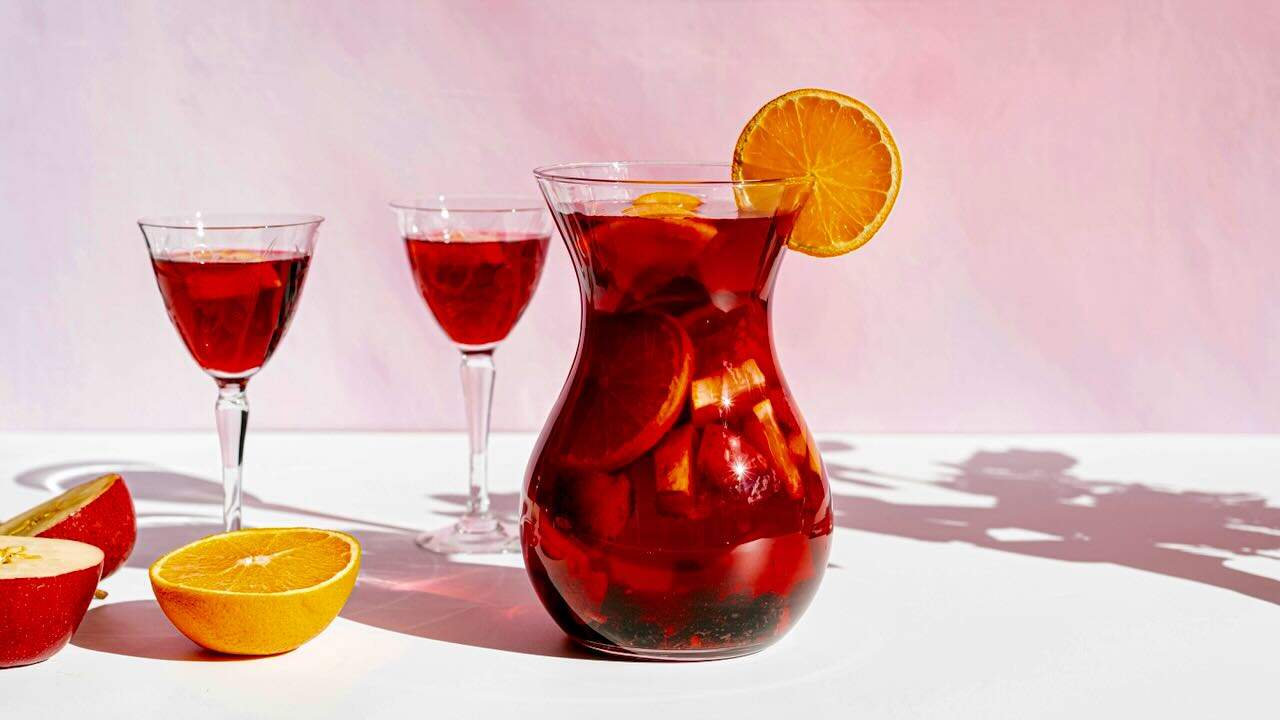
Spanish non-alcoholic drinks reach well beyond a virgin sangria: horchata de chufa, mosto, granizado de limón, and warm Spanish hot chocolate all carry real cultural weight. For a gathering, offer one cold and one warm option, batch both ahead, and serve them in proper glasses. Guests who skip alcohol get something just as worth reaching for.
Spain’s drinking culture runs deeper than wine and beer. Across the country — from Valencia’s horchatarías to Andalusia’s harvest-season tapas bars — non-alcoholic drinks carry the same cultural weight as their boozy counterparts. Mosto arrives in jugs alongside pintxos in La Rioja. Horchata de chufa sells out at street carts before noon in the summer heat. Chocolate so thick it coats a churro is breakfast in Madrid.
Yet most drinks guides skip the full range and default to a single sangria recipe. That gap leaves your Spanish-themed gathering missing the drinks locals actually order.
This guide covers the complete lineup of non-alcoholic Spanish drinks — cold and warm — and shows you how to build a drink menu that matches the ambition of your food.
At a Glance
- Non-alcoholic sangria made with grape juice and fresh fruit captures the fruity complexity of the original without any alcohol-free wine required.
- Horchata de chufa is a creamy Valencian drink made from tiger nuts, cinnamon, and lemon zest — naturally dairy-free and gluten-free.
- Tinto de verano translates to “summer wine” and works as a mocktail by swapping red wine for grape juice and adding lemon soda over ice.
- Mosto is unfermented grape juice served chilled in Spanish tapas bars — a one-ingredient drink with centuries of tradition behind it.
- Chocolate con churros is Spain’s answer to a cold-weather gathering drink: bittersweet chocolate thickened with cornstarch into a dipping sauce.
- A complete Spanish drink menu pairs cold options like sangria and agua fresca with warm choices like spiced chocolate for any season.
What Is a Non-Alcoholic Spanish Drink?
A non-alcoholic Spanish drink is any beverage rooted in Spain’s culinary traditions that contains no alcohol — from horchata de chufa made with tiger nuts in Valencia to grape-based mosto served alongside pintxos in La Rioja. For hosts building a Spanish-themed menu, these drinks fill a gap that sparkling water alone cannot: they offer the same cultural specificity and flavor depth as the food on the table. Unlike generic mocktails assembled from whatever fruit juice is on hand, Spanish non-alcoholic drinks draw on regional ingredients — chufa tubers, unrefined cane sugar, mineral water, seasonal fruits — and carry centuries of tradition that give your gathering an authentic foundation.
Why Spanish Drinks Belong at Your Next Gathering
Spanish drinks deserve a place because Spanish food culture treats drinks as part of the meal’s rhythm, and a tapas spread without horchata or mosto feels incomplete.
Spanish food culture treats drinks as part of the meal’s rhythm, not an afterthought. A tapas spread without horchata or mosto in the mix is like setting out a cheese board without anything to sip alongside it.
The non-alcoholic Spanish drink tradition runs especially deep because Spain’s social drinking customs already lean toward dilution and moderation — tinto de verano is half soda, and mosto is simply pressed grape juice served cold.
A guide to Spain’s most popular non-alcoholic beverages ranks horchata de chufa and mosto among the country’s best-rated drinks. In Madrid and beyond, non-alcoholic Spanish drink culture reflects a society that has always valued the social ritual of drinking together more than the alcohol itself. In our years of hosting Spanish-themed dinners, we’ve found that the drink table gets as many questions as the food.
That cultural ease with lighter drinks means you don’t need to invent a mocktail menu from scratch. Spain already has one:
- Sangria without wine: Grape juice, orange juice, lemon juice, and seasonal fruits build a punch that holds its own at any table size, from an intimate four-person dinner to a backyard party of twenty.
- Horchata de chufa: A creamy, cinnamon-laced drink made from tiger nuts that Spanish families have served cold for centuries — naturally dairy-free, gluten-free, and unlike anything on a typical Western menu.
- Tinto de verano as a mocktail: Swap red wine for dark grape juice, add lemon-lime soda and ice cubes, and you have a drink Spanish locals already consider refreshing enough for a hot day.
For hosts building a Spanish-themed party menu, these drinks do double duty. They signal intentional curation — your guests notice when the drinks match the food — and they satisfy the mixed group (some drinking, some not) without requiring separate drink stations.
The broader tradition of pairing cocktails and snacks applies here too: a cold horchata alongside salty croquetas or a sharp Manchego works because the drink’s sweetness and body balance the fat and salt on the plate.
Spanish-themed gatherings feel more complete when every glass on the table tells the same story as the food.
|
Shop the Spanish Drink Spread |
Cold Spanish Drinks Guests Reach For All Night
Your guests will reach for non-alcoholic sangria, tinto de verano, horchata de chufa, agua fresca, mosto, and limonada, six refreshing options that suit a tapas-style spread.
Spain’s warm climate has produced some of the most refreshing non-alcoholic drinks in any culinary tradition. These six options range from familiar (sangria) to drinks your guests have likely never tried — and each one pairs well with a grazing table or tapas-style spread.
- Non-alcoholic sangria — Combine dark grape juice, orange juice, lemon juice, and sliced fresh fruit in a large pitcher, then refrigerate for at least two hours so the flavors meld. A grape-juice-based sangria captures the fruity depth of the original and serves beautifully from a clear glass pitcher. For a holiday crowd, a kid-friendly sangria mocktail scales up easily to fill a large punch bowl.
- Tinto de verano mocktail — The name translates to “summer wine,” but the non-alcoholic version swaps red wine for grape juice and mixes it with lemon-lime soda over ice cubes. Add a lemon slice and an orange wedge, and you have a drink Spanish locals consider more refreshing than sangria on a hot summer day. It takes thirty seconds to assemble, which makes it ideal for hosts who want to stay present rather than stuck behind a bar.
- Horchata de chufa — This Valencian classic is made by soaking tiger nuts overnight, blending them with water, cinnamon, and lemon zest, then straining the mixture into a creamy, slightly sweet drink served ice-cold. Unlike Mexican horchata, which uses rice, the Spanish version relies on chufa tubers — small root vegetables with a flavor somewhere between coconut milk and almond. Horchata needs to be served very cold, ideally in a deep-chilled glass, and lasts about two days in the fridge.
- Agua fresca — Spain shares this tradition with Latin America: fresh fruit blended with water, a touch of unrefined cane sugar, and lime juice. Watermelon, melon, and citrus versions work best for hosting because they hold up at room temperature longer than dairy-based drinks. We recommend pairing Agua Fresca with grilled seafood or lighter tapas.
- Mosto — In northern Spain, mosto is simply unfermented grape juice served chilled alongside pintxos. It looks and tastes surprisingly like cider — light, refreshing, with a natural sweetness that needs no added sugar. Ordering mosto at a Spanish bar is as normal as ordering a glass of white wine. At your gathering, pour it from a ceramic pitcher for an authentic touch.
- Limonada — Spanish lemonade is less sweet and more herbaceous than North American versions. Squeeze fresh lemon juice into mineral water with a restrained amount of sugar and a sprig of mint leaves. It bridges courses at a longer dinner — light enough to cleanse the palate between a rich tortilla española and a salty jamón board.
Every one of these drinks can be prepped hours before your guests arrive, which frees you to focus on the food and the conversation rather than mixing individual servings at the counter.
|
Prep Drinks Around Your Guests |
The Best Warm Spanish Drinks for Cool-Weather Hosting
The best warm Spanish drinks for cool-weather hosting are chocolate con churros, warm spiced mosto, and a café de olla–inspired chocolate, each built to turn a cold-weather gathering into comfort.
Cold sangria and horchata own the summer months, but Spain’s non-alcoholic drink tradition shifts when the temperature drops. These warm options turn a fall or winter gathering into something your guests associate with comfort and generosity.
- Chocolate con churros — Spanish hot chocolate is not the thin, powdery version you grew up with. It starts with bittersweet dark chocolate (at least 70% cocoa), whole milk, and a tablespoon of cornstarch that thickens the mixture into something closer to a warm pudding than a beverage. The result is a chocolate drink so dense it coats a churro on contact — and that viscosity is the entire point. Serve it in small cups alongside a plate of fresh churros for dipping, and you have a traditional Spanish experience that doubles as both dessert and drink. The aroma of melted chocolate alone changes the energy of a room.
- Warm spiced mosto — Heat grape juice gently with cinnamon sticks, a few cloves, and a strip of orange peel for a Spanish take on mulled cider. Mosto’s natural sweetness means you can skip added sugar entirely. Serve it on a cold day in small glasses, and it anchors a soup-and-bread supper beautifully.
- Café de olla–inspired chocolate — For a bolder variation, stir vanilla extract and a pinch of cayenne pepper into your chocolate con churros base. The heat builds slowly at the back of the throat, and the contrast against the sweetness of the chocolate keeps guests reaching for another sip. An Agua Fresca and Latin drink traditions guide shows how freely these flavors cross borders, and a creative fusion approach works well when the technique borrows from Latin American spiced-chocolate traditions while staying rooted in Spanish ingredients.
Warm drinks signal a different kind of hospitality than cold ones. A pitcher of sangria says, “help yourself.” A cup of thick hot chocolate placed directly in someone’s hands says, “I made this for you.”
|
Split the Warm Drink Costs |
Building a Complete Spanish Drink Menu in One Afternoon
You build a complete Spanish drink menu in one afternoon by sequencing the prep: start horchata de chufa the night before, then add sangria, limonada, and a warm option.
A single sangria pitcher is a fine start, but a full Spanish drink menu tells your guests you thought about every detail. From years of gathering around the table, we know you can assemble the entire lineup in three to four hours, including chill time, if you sequence the prep correctly.
Start with horchata de chufa the night before — tiger nuts need at least eight hours of soaking, so drop them in water before bed and blend in the morning. Strain the mixture into a pitcher with cinnamon and lemon zest, then refrigerate. This is your make-ahead anchor.
Next, build the non-alcoholic sangria early in the afternoon: combine grape juice, orange juice, and lemon juice in a large pitcher with sliced seasonal fruits and lime wedges. Two hours in the refrigerator lets the fruit release its juice into the liquid, which deepens the flavor considerably.
While both are chilling, prep a simple limonada — squeeze lemons into mineral water, sweeten lightly with sugar, and add mint leaves.
For gatherings in cooler weather, plan one warm drink alongside the cold options:
- Chocolate con churros: Grate the dark chocolate in advance and measure the cornstarch. The actual cooking takes under ten minutes, so save it for just before guests arrive. The smell of chocolate warming on the stove doubles as your welcome signal.
- Warm mosto: Heat grape juice with cinnamon sticks and cloves thirty minutes before service. Keep it on the lowest burner setting — mosto loses its brightness if it boils.
A complete guide to Spain’s non-alcoholic drinks confirms that variety matters more than volume: three to four different ingredients and preparations feel more generous than one option served in bulk. Label each pitcher or cup with a small card naming the drink and its origin — “Horchata de Chufa, Valencia” or “Mosto, La Rioja” — so guests learn something while they sip.
If you’re serving alongside a themed food menu, a first dinner party guide can help you sequence the food side of the evening.
Match cold drinks to warm-weather menus and warm drinks to cool-weather ones, and you’ll have a Spanish drink menu that earns as many compliments as the food.
Frequently Asked Questions
How do you make non-alcoholic sangria?
Combine grape juice, orange juice, and lemon juice in a large pitcher with sliced oranges, apples, and seasonal fruits. Refrigerate for at least two hours to let the flavors meld. Add soda water or sparkling water just before serving to give it fizz. A splash of simple syrup adjusts sweetness if your grape juice runs tart.
What is horchata de chufa?
Horchata de chufa is a traditional Valencian drink made from tiger nuts (small root vegetables, not actual nuts) soaked overnight, blended with water, and strained into a creamy liquid. It’s flavored with cinnamon and lemon zest, served ice-cold, and is naturally dairy-free and gluten-free. The drink is a staple across Spain, especially during summer months.
What non-alcoholic drinks are popular in Spain?
The most popular Spanish drinks without alcohol include mosto (unfermented grape juice), horchata de chufa, limonada, agua fresca, and non-alcoholic sangria. Chocolate con churros is the go-to warm option. In tapas bars, mosto and sparkling mineral water are ordered just as commonly as beer or wine, particularly in wine-producing regions like La Rioja.
What is tinto de verano without alcohol?
Tinto de verano means “summer wine” and traditionally mixes equal parts red wine and lemon soda over ice. The non-alcoholic version swaps wine for dark grape juice and keeps the lemon-lime soda and ice cubes. Add a lemon slice and an orange wedge for garnish. It tastes lighter and more citrus-forward than sangria, with far less prep time.
Can you make sangria with grape juice?
Grape juice is the most common wine substitute in non-alcoholic sangria and produces excellent results. Dark grape juice gives you the deep color and fruit-forward body that mimics red wine. Mix it with fresh fruit, a squeeze of lime juice, and soda water for carbonation. Refrigerating the pitcher for two to four hours deepens the flavor.
What is mosto in Spain?
Mosto is freshly pressed, unfermented grape juice served chilled in Spanish bars, especially in La Rioja. It has a natural sweetness and a light body similar to apple cider. In Andalusia, the term can mean a young, lightly fermented wine, but bars typically serve pure pressed juice alongside pintxos in autumn.
Continue Reading:
More On Non-Alcoholic Drinks
- Cozy Non-Alcoholic Fall Drinks for Autumn Hosting
- French Non-Alcoholic Drinks for Your Next Gathering
- Japanese Non-Alcoholic Drinks: A Host’s Tasting Guide
- Non-Alcoholic Cranberry Drinks for Every Holiday Table
- Non-Alcoholic Drink Pairing: Match Flavors to Any Meal
- Non-Alcoholic Drinks: A Host’s Guide to Cocktails and Spirits
- Non-Alcoholic Watermelon Drinks for Summer Gatherings
- The Best Non-Alcoholic Drinks to Order at A Bar, According to a Bartender
More from The Gourmet Host
- Elegant Floral Arrangements for Your Dining Table
- Best Dinner Party Games for Adults to Play Next
- 30 Dinner Party Conversation Starters That Actually Work
- Classic Aperitifs for Dinner Parties (15 Best Picks)
- Drinks for Kids: Fun and Healthy Options for Every Gathering
Explore TGH Categories
- Set the Scene
- Drinks and Bar
- Plan the Meal
- Engage with Guests
- Games and Toasts
- Tools and Techniques
- Why We Gather