French Non-Alcoholic Drinks for Your Next Gathering
 11 min read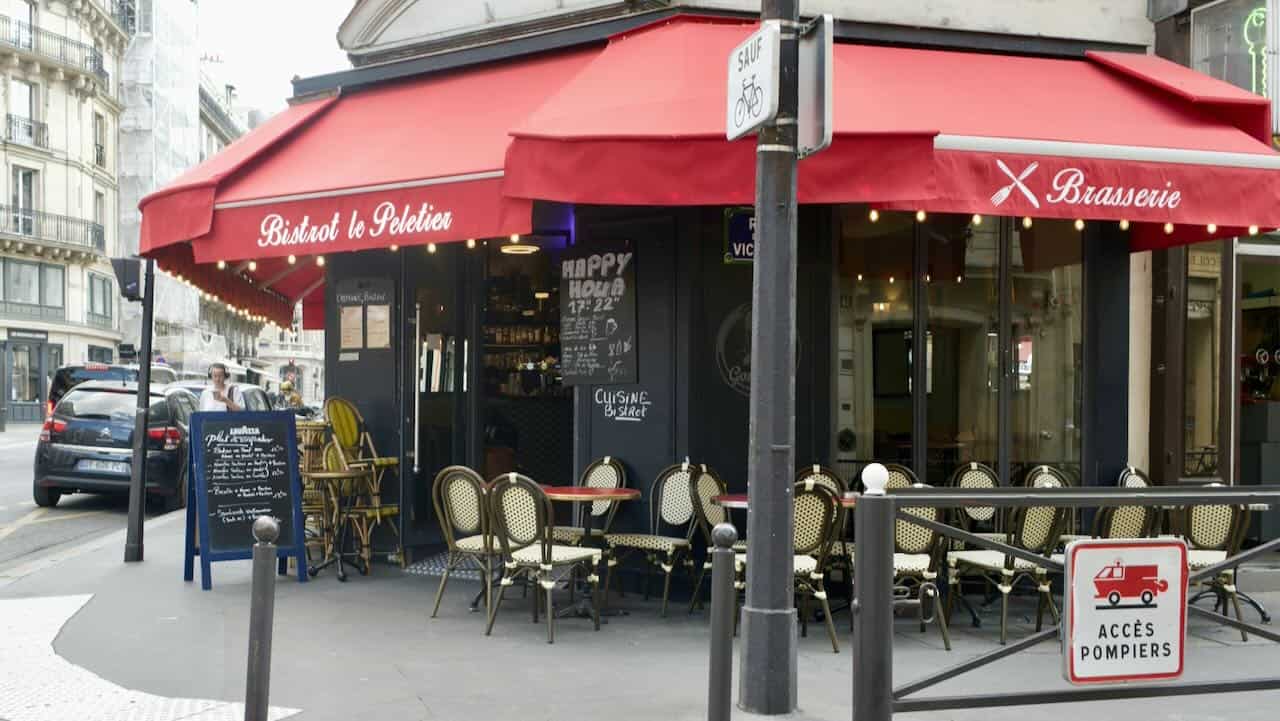
French hosting begins before anyone sits down. The apéritif hour — that unhurried stretch of small bites, conversation, and cold drinks — sets the tone for everything that follows. We have found that a well-chosen citron pressé or a sparkling zero-proof option earns as many compliments as the main course.
Many French drink articles focus on wine and stop at cocktail recipes and travel listicles. This guide does something different: it bridges authentic French beverage culture and your home table, so every French non-alcoholic drink you pour feels Parisian rather than improvised.
At a Glance
- Citron pressé, diabolo, and menthe à l’eau are among the most popular non-alcoholic French drinks served in cafés across France.
- A French apéritif hour works without alcohol when you focus on bittersweet flavors, sparkling water, and aromatic botanicals.
- Zero-proof French cocktails like the non-alcoholic French 75 and French martini give hosts exciting options that mirror classic recipes.
- Pairing French non-alcoholic drinks with specific courses — a bright citron pressé with seafood, a warm tisane with cheese — adds intention to your menu.
- You can recreate a chic Parisian café atmosphere at home with a small drink station, a few spirit alternatives, and the right glassware.
What Is a French Non-Alcoholic Drink?
A French non-alcoholic drink is any beverage rooted in France’s café and apéritif traditions that delivers the same social ritual and flavor complexity as its booze-free versions — from hand-squeezed citron pressé to zero-proof sparkling options. For hosts looking to serve something beyond a glass of water or plain fruit juices, these drinks borrow the herbal notes, bittersweet profiles, and sparkling textures that define French apéritifs without any alcohol. What sets them apart from generic mocktails is their cultural anchoring: each drink reflects a specific French custom, from the after-work pastis ritual (recreated with an anise-flavoured spirit alternative) to the café terrasse lemonade tradition that has cooled summer afternoons in the French countryside for generations.
What Do the French Actually Drink When They Skip the Wine?
France may be synonymous with white wine and Champagne, but the country’s non-alcoholic drink culture is older and richer than most visitors expect. Walk into any café between Lyon and Marseille and you will find a chalkboard listing sirops, pressés, and infusions alongside the wine list.
The apéritif hour — France’s pre-dinner social ritual — has always included non-alcoholic options for designated drivers, pregnant guests, and anyone who simply prefers a cold drink with herbal notes over alcohol.
In recent years, French beverage makers have expanded beyond the traditional version of syrup-and-soda into spirit alternatives built with aromatic botanicals, organic ingredients, and deeper flavor profiles.
Zero-proof drinks modeled on classic French cocktails now appear at social gatherings from Bordeaux dinner parties to Parisian rooftop apéros.
For hosts at home, the shift means plenty of reasons to stock a drink station that feels intentional — and if you love exploring cuisines from around the world at home, a French non-alcoholic bar is one of the simplest ways to start.
- Apéritif culture runs deep: The French apéritif is not about the alcohol — it is about the pause between the day’s work and the evening’s meal, a ritual built around conversation, small bites, and something cold and bright in the hand. A beginner’s guide to classic French apéritifs shows how deeply this tradition shapes daily life in France.
- Café staples are already non-alcoholic: Citron pressé, diabolo menthe, menthe à l’eau, and Perrier with lemon are everyday orders in French cafés — they require no adaptation to become part of the fun at your hosting table.
- Spirit alternatives are booming in France: French producers now offer zero-proof versions of pastis, gentiane, and gin-style botanicals, giving hosts similar flavor profiles without the alcohol. Understanding modern hosting etiquette means offering these options with the same care you’d give a wine selection.
The next time you plan a French-inspired evening, start with the drinks the French already pour when the wine stays corked — you may find your guests reaching for a second glass before dinner even begins.
|
📲 Planning a French-Themed Evening? |
Classic French Non-Alcoholic Drinks Worth Pouring at Home
These are the popular non-alcoholic French drinks you will find in cafés from Nice to Normandy — and every one of them recreates beautifully on a home bar. Each drink carries a specific character, so choose based on the mood you want to set and the flavors your guests prefer.
- Citron pressé — France’s answer to lemonade but served deconstructed: fresh lemon juice in one glass, a small pitcher of simple syrup, and cold water or sparkling water on the side. Guests mix to their own sweetness, which makes it an easy crowd-pleaser and a tactile part of the fun at any gathering.
- Diabolo menthe — A bright green combination of mint syrup and sparkling lemonade that tastes like summer in the French countryside. Serve it over ice in a tall glass and watch it become the most photographed drink on your table.
- Menthe à l’eau — Simpler than a diabolo, this is just mint syrup stirred into still or sparkling water — a refreshing drink that works as a light aperitif or a palate cleanser between courses. Its vibrant lemon zest-colored cousin, citron à l’eau, swaps in lemon syrup for a tart alternative.
- Sirop de grenadine with sparkling water — The classic French children’s drink is also a popular choice among French non-alcoholic beverages for adults who want something fruity and effervescent without sugar overload. Use a quality grenadine made from real pomegranate, not the neon-red bar version, and the flavor is genuinely complex.
- Perrier or Badoit with citrus — Sometimes a drink earns its place through simplicity. A well-chilled bottle of French sparkling water with a thick lemon wheel or cucumber slice is the best choice when you want something elegant that does not compete with a complex menu.
- Tisane (herbal infusion) — French hosts have served post-dinner tisanes — verbena, chamomile, linden — for centuries. A pot of verveine (verbena) tea after dessert signals that the evening is winding down gracefully, and the herbal notes offer a warm contrast to the cold drinks served earlier.
- Limonade artisanale — Not the same as American lemonade. French limonade is a lightly carbonated, lightly sweetened sparkling drink, often sold in vintage-style flip-top bottles. It works as a standalone sipper or as a base for inspiring mocktail recipes.
The common thread across these drinks is restraint — French non-alcoholic drinks rely on a few quality ingredients rather than layered syrups, which means your shopping list stays short and your prep time stays minimal.
|
📨 Weekly Hosting Ideas, Delivered |
How to Build a French Apéritif Hour Without Alcohol
Hosting a French-style apéritif at home is less about mixology skills and more about atmosphere. The French apéritif hour thrives on a few well-chosen drinks, unhurried pacing, and food that invites people to linger — think marinated olives, radishes with butter, and thin slices of aged Comté.
Here are the zero-proof drinks and serving ideas that bring a sophisticated Parisian flair to your own living room.
- Non-alcoholic French 75 — The original cocktail’s name comes from a World War I-era cannon, but the flavors are pure elegance: fresh lemon juice, simple syrup, and sparkling water (or a non-alcoholic sparkling wine for a closer experience of a classic cocktail). A floral twist of elderflower liqueur-style syrup adds depth.
- Zero-proof pastis and water — Pastis is the anise-flavoured spirit that defines southern French café culture. A spirit alternative built with star anise and licorice root recreates the cloudy, aromatic ritual of adding cold water and watching the liquid turn milky — a sensory moment that sparks conversation among guests unfamiliar with the tradition.
- Non-alcoholic French martini — The French martini swaps vodka for a botanical spirit alternative and pairs it with pineapple juice and a raspberry-Chambord-style syrup. The result is a fruity, sophisticated pour with similar drinks nowhere on the typical mocktail list.
- Kir royale sans alcool — A non-alcoholic sparkling wine topped with crème de cassis syrup (blackcurrant) delivers the jewel-toned look and berry-forward sweetness of the classic recipe without the Champagne. Use a quality non-alcoholic sparkling white wine for the best result.
- Tom Collins à la française — Replace gin with a botanical spirit alternative that carries the botanical flavors of traditional gin — juniper, coriander, citrus peel — and combine with fresh lemon juice, simple syrup, and tonic water or soda. Garnish with fresh cucumber accents and a sprig of thyme for a unique take on this Anglo-French classic.
- Sparkling apéritif spritz — Combine a bitter non-alcoholic aperitivo with sparkling water and a thick orange slice for a drink that mirrors the canal-side spritzes popular across French terrasses every summer. This versatile option works whether you are hosting four or forty.
- Lavender-lemon fizz — Steep dried lavender into a simple syrup, strain, and combine with fresh lemon juice and sparkling water for a drink that smells like Provence and tastes like a chic Parisian café creation. The floral-citrus combination is one of the most exciting options on a French-themed drink menu. For more inspiration on hosting a non-alcoholic party with French flair, plan your drinks around three or four of these options.
Set up a small bar with two or three of these options, a bucket of ice, and some coupes or stemmed glasses — the kind of detail that turns a dinner into an occasion, much like the ideas in our guide to creating an intimate evening at home. The buzz of lively conversation will do the rest.
|
📲 Keep Your Apéritif Evening on Track |
Which French Non-Alcoholic Drinks Pair Best with Your Menu?
Choosing the right French non-alcoholic drink for each course turns a good dinner into a complete experience — the same way a sommelier selects wines to complement each dish. The principle is straightforward: match the drink’s weight, acidity, and flavor intensity to the food on the plate. If you have explored wine and food pairing principles, the same logic applies here.
- Citron pressé with raw seafood — The bright acidity of fresh lemon juice mirrors the role of a crisp Sancerre alongside oysters or ceviche. Serve it lightly sweetened with the sparkling water on the side so guests can adjust.
- Diabolo menthe with grilled lamb or merguez — Mint and lamb is a pairing as old as French and North African cooking. The sweet-herbal quality of the diabolo cuts through rich, charred meat without overwhelming it.
- Non-alcoholic sparkling wine with charcuterie — A dry, bubbly pour lifts the salt and fat of cured meats and aged cheeses the same way Champagne does. Look for bottles with fine, persistent bubbles for the closest experience.
- Tisane de verveine with a cheese course — Verbena tea, served warm, has a gentle citrus quality that complements soft-ripened cheeses like Brie or Camembert. It also signals the transition from dinner to dessert, giving your evening a natural pace.
- Tom Collins à la française with salads or light starters — The botanical, citrus-forward profile works alongside dishes that feature fresh herbs, goat cheese, or vinaigrette — the kind of cooking you will find in our guide to traditional dishes from Alsace, Marseille, and Morocco. It is a best choice for special occasions when you want something more composed than plain sparkling water.
- Lavender-lemon fizz with fruit desserts — The floral notes echo the aromatics in a tarte aux fraises or a stone-fruit clafoutis, and the bubbles keep the drink from feeling heavy after a full meal.
If you want to serve similar drinks throughout the evening, anchor the apéritif hour with a spritz or a citron pressé, shift to a tisane or a still herbal infusion with the main course, and close with a warm verbena or chamomile alongside dessert. This approach gives each drink a role and makes the non-alcoholic offering feel as considered as a wine pairing — exactly the kind of detail guests notice and talk about long after the evening ends.
Frequently Asked Questions
The most common non-alcoholic drinks in France are citron pressé, diabolo menthe, menthe à l’eau, grenadine with sparkling water, Perrier or Badoit with citrus, and post-dinner tisanes like verveine or tilleul. These are everyday café staples, not specialty items, and they appear on menus across the country alongside wine and beer.
Citron pressé is freshly squeezed lemon juice served with a separate pitcher of simple syrup and cold or sparkling water, allowing each person to mix their own balance of sweet and tart. It is one of the most popular non-alcoholic French drinks and appears on nearly every café menu in France during warm months.
Combine 30 ml fresh lemon juice, 15 ml simple syrup, and 120 ml non-alcoholic sparkling wine or sparkling water in a chilled flute. For a deeper flavor profile, add a teaspoon of elderflower syrup before topping with bubbles. The drink should taste bright, slightly sweet, and effervescent.
A diabolo is flavored syrup — most commonly mint (diabolo menthe) or grenadine (diabolo grenadine) — mixed with sparkling lemonade or soda water. French cafés serve it year-round as a refreshing drink for guests of all ages, and it takes less than thirty seconds to prepare at home.
Yes. Several French producers now make non-alcoholic sparkling and still wines using dealcoholization methods that preserve much of the grape’s original character. Look for bottles made from traditional French grape varieties — Chardonnay and Pinot Noir are popular choices — and serve them well chilled in proper wine glasses to honor the experience.
Beyond water, the French drink citron pressé, diabolo, flavored sirops with sparkling water, artisanal limonade, fruit juices, and herbal tisanes. In recent years, spirit alternatives made with aromatic botanicals have gained ground at French social gatherings, giving hosts booze-free versions of pastis, gin, and apéritif bitters.
Continue Reading:
More On Non-Alcoholic Drinks
- Cozy Non-Alcoholic Fall Drinks for Autumn Hosting
- Japanese Non-Alcoholic Drinks: A Host’s Tasting Guide
- Non-Alcoholic Cranberry Drinks for Every Holiday Table
- Non-Alcoholic Drink Pairing: Match Flavors to Any Meal
- Non-Alcoholic Drinks: A Host’s Guide to Cocktails and Spirits
- Non-Alcoholic Spanish Drinks: Sangria, Horchata, and More
- Non-Alcoholic Watermelon Drinks for Summer Gatherings
- The Best Non-Alcoholic Drinks to Order at A Bar, According to a Bartender
More from The Gourmet Host
- Culinary Passports: Travel the World from Your Kitchen
- White Wine Food Pairings: A Host’s Guide to the Perfect Match
- How to Plate Food Like A Pro: Easy Plating Tips
- Epicurean Evenings: Traditional Dishes from Alsace, Marseille, and Morocco
- Skip the Crowds: How to Create a Magical Valentine’s Day at Home
Explore TGH Categories