White Wine Food Pairings: A Host’s Guide to the Perfect Match
 10 min read
The bottles are chilling, the table is set, and your guests are twenty minutes away. You pull the Sauvignon Blanc from the fridge and pause—will it actually work with the creamy sauce you’ve been simmering all afternoon?
That moment of doubt is universal. Most white wine food pairing guides hand you a grape-by-grape chart and call it done, but a chart won’t tell you which bottle makes your dinner party feel intentional instead of improvised.
This guide is different. It’s built around the meals you’re actually cooking and the guests you’re actually hosting, so you can choose a white wine with confidence—and get back to enjoying the evening.
At a Glance
- Sauvignon Blanc pairs well with light seafood dishes, fresh salads, and herb-forward preparations thanks to its bright acidity and citrus flavors.
- Chardonnay works beautifully with roast chicken, creamy sauces, and buttery dishes—especially oak-aged chardonnay with richer flavors.
- Off-dry Riesling is your best friend when the menu includes spicy dishes, Vietnamese food, or spicy Asian dishes that overwhelm other whites.
- Pinot Grigio and pinot gris keep things crisp and refreshing alongside light seafood dishes, fresh herbs, and delicate appetizers.
- Chenin Blanc bridges the gap between sweet white wines and dry white wines, making it a versatile pick when guests have different wine preferences.
What Are White Wine Food Pairings?
White wine food pairings are the deliberate matching of white grape varieties—like Sauvignon Blanc, Pinot Grigio, and Chenin Blanc—with dishes that complement or contrast their flavor profile. Getting this right at a dinner party means your menu and your wine list tell the same story, creating a dining experience that feels cohesive rather than cobbled together. Unlike red wine pairs that lean on tannin structure, white wine pairings revolve around acidity, sweetness, and body, giving you a wider range of food matches across lighter and richer preparations alike.
Which White Wines Pair with What? A Varietal-by-Scenario Breakdown
The most versatile white wines are the ones that adapt to your menu rather than demanding it bend to them. Instead of memorizing a grape-by-grape chart, think about the weight and character of the dish sitting in front of your guests.
Light and crisp whites like Sauvignon Blanc and Pinot Grigio gravitate toward food that shares their energy. A Sauvignon Blanc from New Zealand with its vibrant acidity and notes of citrus stands up to a bright ceviche or a goat cheese tart without competing for attention. Pinot Gris—its fuller-bodied cousin—handles dishes with a touch more richness, like seared scallops in a lemon butter drizzle.
- Sauvignon Blanc: Fresh salads, white fish, goat cheese, dishes dressed with lemon juice or fresh herbs.
- Pinot Grigio / Pinot Gris: Light seafood dishes, risotto primavera, grilled vegetables with olive oil.
- Chenin Blanc: Roast pork, apple-forward dishes, soft cheeses, and anything with a sweet-savory tension.
- Riesling (off-dry or dry): Spicy food, spicy Asian dishes, Vietnamese food, pork chops with fruit glaze.
- Chardonnay (oaked): Roast chicken, creamy pasta, buttery chardonnays with lobster or rich sauces.
When you’re hosting a larger group, consider offering two whites that cover different ends of the spectrum. A crisp Pinot Grigio alongside an oak-aged Chardonnay gives your guests room to explore without requiring you to stock a whole wine shop.
If you’re still building your confidence with grape varieties, our beginner’s guide to wine knowledge walks through the fundamentals of tasting and selecting wines for any gathering.
|
📨 Get Weekly Hosting Inspiration |
How Does Acidity Change the Perfect Pairing?
Acidity is the backbone of white wine food pairings, and understanding it is the fastest way to go from guessing to choosing with purpose. A wine with high acidity—like a young Sauvignon Blanc or a dry Riesling—cuts through rich foods and fatty foods the way a squeeze of lemon juice brightens a piece of grilled fish.
This is why food pairing fundamentals from Wine Folly emphasize matching the acidity level of your wine to the acidity level of your dish.
When both share high acidity, they reinforce each other—a congruent pairing. When the wine’s acidity contrasts a creamy or fatty dish, it creates a complementary pairing that refreshes your taste buds between bites.
Here’s a practical framework for your next dinner party:
- High-acid wine + acidic foods: Sauvignon Blanc with a citrus-dressed salad or tomato sauce—each amplifies the other’s brightness.
- High-acid wine + creamy sauce: Dry white wines like unoaked Chardonnay slice through béchamel and alfredo, keeping the palate lively.
- Lower-acid wine + delicate dish: A full-bodied white wine like oaked Chardonnay alongside buttered lobster—both rich, both indulgent.
The general rule is simple: if you wouldn’t squeeze lemon on it, reach for a fuller, rounder white. If lemon would improve the dish, match it with something crisp and acidic wine.
Your guests won’t know you’re following a formula—they’ll just notice every sip fits.
Once you see how acidity shapes a pairing, the language of wine starts to click too. Our guide to different ways to describe wine at your next dinner party gives you the vocabulary to share what you’re tasting with your guests.
|
🍷 Build Your Wine List Right Inside Your Menu |
What White Wine Works with Seafood, Poultry, and Vegetarian Menus?
Most pairing guides organize by grape. But when you’re standing in your kitchen with a piece of white fish thawing on the counter and guests arriving in three hours, you need the answer organized by what’s on the menu.
Seafood
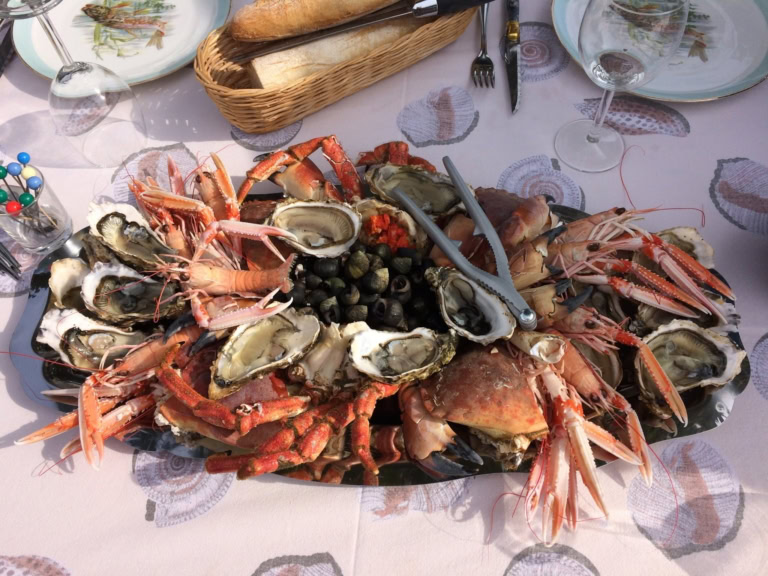
Delicate white fish like sole and sea bass pair beautifully with pinot grigio or a mineral-driven Chablis-style unoaked chardonnay. The wine’s bright acidity mirrors the clean flavors of the fish.
Richer seafood—think lobster tail or crab cakes—calls for a full-bodied white wine with more texture, like an oak-aged Chardonnay or a Viôgnier.
- Shrimp and scallops: Sauvignon Blanc or Pinot Gris—both have good acidity that complements light seafood dishes without overpowering them.
- Salmon: Try a Rosé or a richer Chenin Blanc. Salmon’s fatty flavor pairs best with wines that have a touch of body.
- Sushi and raw preparations: Crisp white wines with floral aromas—Grüner Veltliner or a dry Riesling—keep the pairing clean.
Poultry
Roast chicken is the classic testing ground for white wine, and for good reason. A well-chosen Chardonnay brings out the golden, savory notes of roasted skin while its buttery Chardonnays character complements the meat’s juiciness.
For lighter preparations—grilled chicken breast with fresh herbs or a citrus marinade—swap to Sauvignon Blanc or a dry Chenin Blanc.
Vegetarian Menus
Vegetarian dinner parties give you room to play. Rich dishes like mushroom risotto or creamy pasta want a full-bodied white wine, while fresh salads and grain bowls with tropical fruits and citrus flavors pair naturally with a zippy Sauvignon Blanc.
Hosting a crowd with different types of wine preferences? A versatile Riesling from a trusted producer handles everything from roasted root vegetables to spicy dishes without breaking a sweat.
For more ideas on building a full menu around these pairings, see our guide to creating the perfect wine pairing menu for any dinner party. And if you’re using The Gourmet Host app, you can tag each course with its wine match and share the full plan with your guests before they arrive.
When Should You Break the Rules and Serve Red Instead?
Here’s a secret that seasoned wine enthusiasts know: the boundary between white and red is more porous than any wine pairing chart suggests.
Some dishes that seem destined for white wine actually sing alongside a light-bodied red, and a rigid approach to pairing can cost you the best wine for a particular dish.
The rule of thumb?
Match the weight of the wine to the weight of the food—not the color.
A chilled Pinot Noir with good acidity handles roast pork or even pork chops with a fruit glaze as naturally as any full-bodied white wine. Bold red wines like Cabernet Sauvignon pair best with red meat and rich flavors, but a lighter red can meet white-wine territory halfway.
- Serve a light red when: Your main course has earthy, umami-rich elements—mushroom-based sauces, aged cheeses, or slow-roasted tomato sauce.
- Stick with white when: The dish emphasizes freshness, acidity, or delicate flavors—citrus, fresh herbs, cream, or light body proteins.
- Offer both when: You’re hosting six or more guests with different wines preferences. Letting people choose is the most generous move.
If red meat does land on your menu and you’re curious about those pairings, our guide to the best wine with steak covers every cut. And for seafood-heavy evenings, explore how to choose the best wine for your seafood menu.
For a broader look at how wine fits into the flow of an evening, explore our dinner party themes collection for inspiration that goes beyond the glass.
|
Hosting Insight: Temperature Is Your Secret Weapon |
How to Build a White Wine Strategy for Your Next Dinner Party
Choosing white wine for a dinner party isn’t about finding one perfect wine—it’s about building a small, intentional selection that covers your menu and your guests. Start with what you’re cooking, consider who’s coming, and let the evening’s mood guide the final pick.
Here’s a framework built around real hosting scenarios:
- For a casual gathering of four to six: One bottle of Sauvignon Blanc and one of Chardonnay. These two cover the widest range of food pairings and personal preferences.
- For a special occasion with courses: Match each course. Start with a sparkling wine or crisp Pinot Grigio for appetizers, move to a fuller Chenin Blanc or Riesling with the main, and finish with dessert wines like Moscato D’Asti or a sweet Riesling.
- For spicy or fusion menus: Off-dry Riesling is your anchor. Its residual sweetness cools the heat of spicy food while its high acidity keeps flavors clean across bold flavors and spicy dishes.
Before guests arrive, taste your wine alongside a bite of the food you’re serving—even a quick spoonful from the pot. Your taste buds will confirm what no chart can: whether this specific bottle and this specific dish actually work together at your table.
|
🍽️ Your Menu and Your Wine List, Finally in Sync |
If you’re looking to replace the traditional cocktail hour with something simpler, our guide to wine and snacks combos offers pairings that get the evening started with zero stress. Or explore our party drinks guide for a wider view of what to pour.
And for the full picture of how wine and food work together across reds, whites, and everything in between, start with The Complete Guide to Premium Wine and Food Pairings for Your Next Dinner Party.
The best wine for your gathering is the one that makes your guests feel welcome and your menu feel whole. Trust your instincts, taste before you pour, and let the evening unfold.
Frequently Asked Questions
Pinot grigio and Sauvignon Blanc are excellent choices for white fish and light seafood dishes. Their bright acidity and citrus flavors complement delicate fish without overwhelming it. For richer fish, like salmon, try a Chenin Blanc or an unoaked Chardonnay with good acidity to match the fish’s fuller flavor profile.
You can, though it takes a deliberate choice. A full-bodied white wine like oaked Chardonnay or Viognier holds its own alongside lighter red meat preparations. The key is matching the weight of the wine to the weight of the dish—bold red wines still win for heavily marbled cuts, but a rich white surprises guests in the best way.
Oak-aged Chardonnay is the classic pairing for creamy pasta and creamy sauces. Its buttery texture and rich flavors mirror the dish’s weight. For a lighter take, unoaked Chardonnay or a richer Pinot Gris keeps the creamy sauce front and center while adding a refreshing finish that prevents palate fatigue across a full dinner party.
Off-dry Riesling is the gold standard for spicy dishes and spicy Asian dishes. The wine’s touch of residual sweetness tempers capsaicin heat while its high acidity keeps your taste buds refreshed. Avoid high-alcohol wines, which amplify spice. A cool glass of slightly sweet Riesling makes even the boldest flavors feel approachable for every guest at the table.
A congruent pairing matches similar flavors—like a buttery Chardonnay with a buttery lobster dish. A complementary pairing contrasts them—an acidic Sauvignon Blanc cutting through fatty foods. At The Gourmet Host, we encourage home hosts to use complementary flavors when in doubt, because contrast creates a more dynamic dining experience that keeps the conversation flowing.
Continue Reading:
More On Premium Wine and Food Pairings
- Basic Wine Knowledge for Beginners: Guidelines from a Sommelier
- Best Wine with Steak: A Host’s Guide to the Perfect Pour
- Different Ways to Describe Wine at Your Next Dinner Party
- How to Choose the Best Wine for Your Seafood Menu
- How to Create the Perfect Wine Pairing Menu for Any Dinner Party
- Instead of Cocktail Hour, Try These Wine and Snacks Combos
- Premium Wine and Food Pairings: A Host’s Complete Guide
More from The Gourmet Host
- Holiday Icebreaker Questions for Festive Gatherings
- Elizabeth Wanless On Elements of a Memorable Dinner Party
- Cocktails and Snacks: How to Pair Drinks and Bites Like a Pro
Explore TGH Categories