Different Ways to Describe Wine at Your Next Dinner Party
 10 min read
You’ve just uncorked a gorgeous bottle of Pinot Noir for your guests. Someone takes a sip and says, “This is… nice.” The table goes quiet. You know the wine is better than “nice,” but the words won’t come.
That gap between tasting something wonderful and being able to talk about it is one of the most common frustrations at dinner parties. Wine vocabulary feels like a gated club—full of French terms, contradictory descriptors, and rules that seem designed to make you feel underprepared.
Here we strip out the pretension and hands you practical, conversation-ready ways to describe wine that make your guests feel included and your hosting feel intentional.
No sommelier certification required.
At a Glance
- Wine description starts with four building blocks: sweetness, acidity, tannin, and body.
- Common wine terms like “dry,” “crisp,” and “full-bodied” are easier to use once you know what they actually measure.
- Aroma and finish are the two dimensions that turn a basic tasting into a real conversation.
- You do not need expert-level wine writing to guide your guests through a bottle with confidence.
- The best wine descriptions at a dinner party connect the glass to the food on the table.
What Are Ways to Describe Wine?
Ways to describe wine are the sensory vocabulary hosts and wine tasters use to communicate what a wine tastes, smells, and feels like in the glass. Having this language matters for hosting because it transforms a silent pour into an engaging moment—your guests stop guessing and start exploring together. Unlike formal wine writing used by wine critics, the descriptions that work best at a dinner table are simple, relatable, and grounded in the food you’re serving.
What Your Tongue Actually Tells You: Sweetness, Acidity, and Tannin
Every wine lands somewhere on three spectrums your taste buds detect instantly: sweetness, acidity, and tannin. Understanding these basic tastes is the fastest way to move from “I like it” to “Here’s why.”
Sweetness is straightforward—it’s the residual sugar left after fermentation. Dry wines have almost none, which is why a bone-dry Cabernet Sauvignon feels completely different from a sweet Riesling. If a wine tastes faintly sweet without being a dessert wine, wine experts often call it “off-dry.”
Acidity is that bright, mouthwatering zing. Wines with high acidity—think Sauvignon Blanc—make your mouth water the way lemon juice does. A crisp wine is one where acidity leads. Wines with higher acidity pair beautifully with rich food because they cut through fat, which is why understanding acidity is central to food pairing.
Here are the key terms for what your tongue picks up:
- Dry: Little to no residual sugar. Most red wines and many white wines fall here.
- Off-dry: A whisper of sweetness. Common in Rieslings and some pinot gris.
- High acidity: Bright and mouthwatering. Think higher acid levels in Albariño or young Chablis.
- Tannic: That drying, gripping sensation on your gums from grape skins. Prominent in young red wines and bold red wines like Cabernet Franc.
- Smooth finish: Low tannin, soft texture. Often used for aged reds with softer tannins.
Tannin is the one that trips people up. It’s not a flavor—it’s a texture. If you’ve ever over-steeped black tea, you know the dry, grippy sensation on your gums. That’s tannin from grape skins, and it’s what gives young tannic wines their structure. As Decanter’s tasting guide explains, tannin softens as wine ages, which is why older reds often feel velvety rather than aggressive.
Once you can name these three dimensions, you’ve already got more vocabulary than most people bring to the table—and enough to start matching wines to your menu with real intention.
|
📨 Get Weekly Hosting Inspiration |
How to Talk About Body: Light, Medium, and Full
The body of a wine is how heavy or light it feels in your mouth—the difference between skim milk and whole cream. It’s one of the most intuitive ways to describe wine because your guests already understand the concept, even if they’ve never used the term.
Light-bodied wines like Pinot Grigio and Beaujolais feel delicate and refreshing. They’re the white t-shirt of wine—clean, easy, undemanding.
Full-bodied wines like Cabernet Sauvignon or Barolo coat your palate with weight and intensity.
Medium-bodied wines—Merlot, Chianti, many Pinot Noirs—sit comfortably in between.
What determines body? Primarily alcohol content and the grape variety itself. A general rule:
- Under 12.5% alcohol: Typically light-bodied wines. Think Moscato, Riesling, Vinho Verde.
- 12.5–13.5%: Medium body. Sangiovese, Grenache, many Chardonnays.
- Above 13.5%: Full-bodied wines. Syrah, Malbec, oak-aged Chardonnay.
At your dinner table, body is the bridge between the wine and the plate. Light-bodied wines pair with light dishes. Full-bodied wines stand up to red meat and rich sauces.
Matching weight is the simplest pairing principle there is, and it’s something you can explain to guests in a single sentence.
|
Pour Light Before Heavy to Protect Your Guests’ Palates |
Reading the Glass: Aroma, Bouquet, and the Nose
Most of what we call “taste” is actually smell. The smell of a wine—what professionals call the “nose”—delivers the complexity that separates a forgettable pour from one your guests remember.
Wine smells can be grouped into three layers that tell the wine’s story.
- Primary aromas come from the grape variety itself: tropical fruits in a Viognier, black pepper in a Syrah, fruity scents of cherry in a young Pinot Noir.
- Secondary aromas emerge during fermentation and winemaking. Malolactic fermentation gives Chardonnay that buttery wine quality. Oak barrels contribute vanilla notes and a creamy texture.
- Tertiary aromas develop with age: leather, tobacco, forest floor, earthy notes. These are what make complex wines so fascinating to discuss at the table.
You don’t need to identify every scent. A simple “I’m getting something fruity—maybe dark berries?” is more useful at a dinner party than rattling off a list of twelve descriptors.
As The Kitchn’s wine vocabulary guide notes, the goal is to share what you notice, not to perform. When your guests hear you describe the nose, they’ll swirl their own glass and try—and that’s when a pour becomes a shared experience.
If you want to sharpen your nose, try smelling wines alongside the foods they remind you of. Hold a glass of Sauvignon Blanc next to freshly cut grass or a halved grapefruit.
That direct comparison trains your brain to connect scent and language, which is the foundation of confident wine writing—even at the informal level. The language you use at the table shapes how guests experience the wine and inviting them into the conversation turns a simple pour into a hosting superpower.
For a deeper foundation, explore our sommelier guide to basic wine knowledge for beginners.
|
🍷 Build Your Wine-Paired Menu in Minutes |
From the First Sip to the Finish: Describing the Taste of Wine
The taste of wine unfolds in stages, and each stage has its own vocabulary.
Paying attention to how a wine evolves across your palate is the key to moving from vague impressions to common wine descriptions that actually communicate something useful.
The first thing you notice is the “attack”—the initial burst of flavor.
Is it fruit-forward and juicy? Sharp and angular?
A juicy wine like a young Zinfandel hits you with immediate fruit flavors, while an austere wine like a young Barolo holds back and reveals itself slowly.
GuildSomm’s sensory evaluation techniques describe this as assessing the wine’s “first impression.”
Here are common descriptors for what you taste:
- Fruity: Dominant fruit flavors—from tart fruit characteristics like green apple to the sweet fruit realm of ripe plum. Different things entirely.
- Savory/earthy: Mushroom, olive, wet stone, forest floor. Common in aged Pinot Noir and varietal wines from cooler climates.
- Spicy: Black pepper, clove, cinnamon. Often from oak influence or the grape variety itself, like Gewürztraminer or Petit Verdot.
- Herbaceous: Green herbs, bell pepper, fresh-cut grass. Herbaceous wines like cool-climate Cabernet Franc often have this character.
Then there’s the finish—how long the flavor lingers after you swallow. A long finish is generally a sign of a well-made wine. A smooth finish means the wine fades gently without harsh edges.
Simpler wines tend to have a short, clean finish—and that’s not a flaw, especially when you’re serving them alongside bold food that does the heavy lifting.
Describing what happens in your mouth across these stages gives your guests a framework for their own tasting. That shared vocabulary is what turns a dinner party pour into a genuine conversation.
|
Give Each Guest a Starting Word to Anchor Their Tasting |
The Wine Description Cheat Sheet You Can Actually Use at Dinner
Lists of wine terms are everywhere online—but most of them read like a textbook.
What you actually need at a dinner party is a short, practical list of wine terms and common descriptors that work in real conversation.
Here’s a curated list of the most common words that cover 90% of what you’ll encounter.
| Term | What It Means | When to Use It |
|---|---|---|
| Crisp | High acidity, refreshing, clean | Describing dry white wines and sparkling wines |
| Velvety | Smooth, soft tannins, luxurious mouthfeel | Aged reds, a velvety wine like mature Merlot |
| Bright | Lively acidity, vivid fruit, energetic | Young wines with good fruit and freshness |
| Oaky | Vanilla, toast, or spice from oak barrels | Chardonnay, Rioja, wines with oak influence |
| Jammy | Intense, ripe fruit flavors like cooked berries | Big wine styles—Zinfandel, warm-climate Shiraz |
| Mineral | Flinty, stony, or chalky character | Chablis, Riesling, wines from volcanic soils |
| Balanced | No single element dominates—a balanced wine | A positive attribute for any style |
| Complex | Many layers of flavor that evolve in the glass | Complex wines worth savoring slowly |
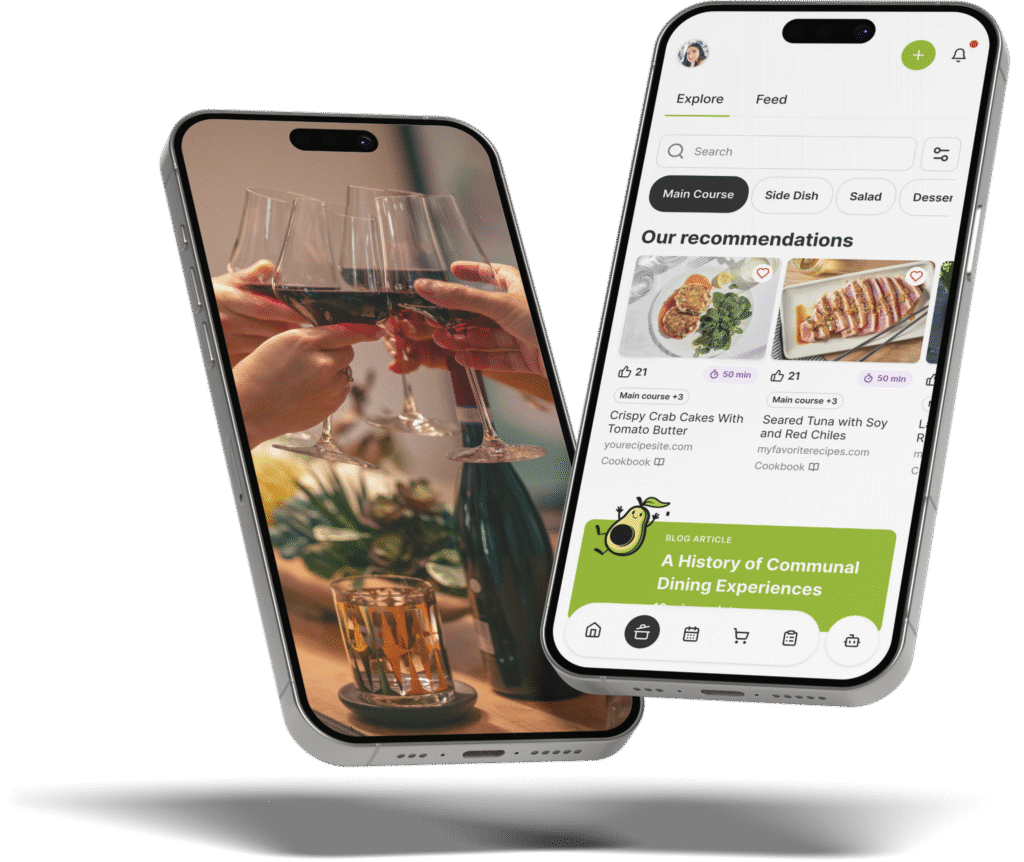
You don’t need to memorize this. Snap a photo on your phone or, better yet, let The Gourmet Host app suggest descriptions matched to the wines on your menu.
When you’re hosting, having even three or four of these terms ready transforms the moment you pour.
For a broader pairing perspective, our complete guide to premium wine and food pairings connects these descriptors to specific dishes and menus.
Why the Words You Choose Shape How Guests Experience the Wine
Research on wine perception consistently shows that description changes experience. When you tell a guest the wine they’re drinking has “notes of citrus and a crisp finish,” they genuinely taste it more vividly. That’s not a party trick—it’s how our brains work. Language primes attention, and attention shapes enjoyment of wine.
This is why wine description is a hosting skill, not just a tasting one. The host who says “I chose this because the bright acidity matches our lemon-herb chicken” creates a different evening than the host who silently fills glasses. You don’t need to be a wine educator or a wine writer. You just need a few confident words that connect the glass to the moment.
Start small at your next wine tasting or dinner:
- Name one thing: “This is dry and full-bodied” is plenty for the first pour.
- Connect to the food: “I picked this because the intense flavors stand up to the steak.” Your wine pairing menu guide shows how to build these connections across courses.
- Invite your guests: “What are you tasting?” is the single best question a host can ask. It shifts the energy from performance to personal taste and shared discovery.
The world of wine opens up when you stop trying to sound like a wine connoisseur and start sharing what you genuinely notice.
That’s the real skill—and it’s one your guests will appreciate far more than technical precision.
For a complete foundation in hosting and etiquette, visit our hosting etiquette guides.
Frequently Asked Questions
Start with the basic tastes: is it dry or sweet, high acidity or soft, tannic or smooth? Then note the dominant fruit flavors—citrus, berry, stone fruit—and whether you detect any oak influence like vanilla or toast. Finish by describing how long the flavor lingers. Even two or three of these observations give your dinner guests a shared starting point.
A full-bodied wine feels heavy and rich on your palate, similar to the difference between whole milk and water. Full-bodied wines—like Cabernet Sauvignon, Syrah, or oaked Chardonnay—typically have a high alcohol content above 13.5% and pair well with equally rich food like red meat or creamy sauces.
The most common words used by both new wines enthusiasts and wine experts include dry, fruity, crisp, oaky, tannic, and smooth. These common wine descriptions cover the key terms of sweetness, acidity, tannin, aroma, and texture that define how any wine tastes and feels.
Plan one bottle for every two guests, plus one extra. For a three-course meal, two to three different wines—a lighter wine for starters, something bolder for the main, and optionally a dessert wine—cover most occasions. Our wine and snacks pairing guide has ideas for simpler gatherings where one or two bottles are plenty.
Not at all. Professional wine critics use precise, codified language for industry purposes. At a dinner party, your goal is connection, not precision. Saying “This reminds me of fresh berries and a little bit of pepper” is more valuable at your table than a textbook tasting term. Personal preferences and honest reactions always beat rehearsed vocabulary.
Continue Reading:
More On Premium Wine and Food Pairings
- Basic Wine Knowledge for Beginners: Guidelines from a Sommelier
- Best Wine with Steak: A Host’s Guide to the Perfect Pour
- How to Choose the Best Wine for Your Seafood Menu
- How to Create the Perfect Wine Pairing Menu for Any Dinner Party
- Instead of Cocktail Hour, Try These Wine and Snacks Combos
- Premium Wine and Food Pairings: A Host’s Complete Guide
- White Wine Food Pairings: A Host’s Guide to the Perfect Match
More from The Gourmet Host
- We Hired a Private Chef for a Dinner Party! A Night with Chef & Somm
- Holiday Dinner Party Planning Guide: Menus, Budget, and Timeline
- Brunch Table Setting Ideas for Every Style
Explore TGH Categories