

Best Wine with Steak: A Host’s Guide to the Perfect Pour
 11 min read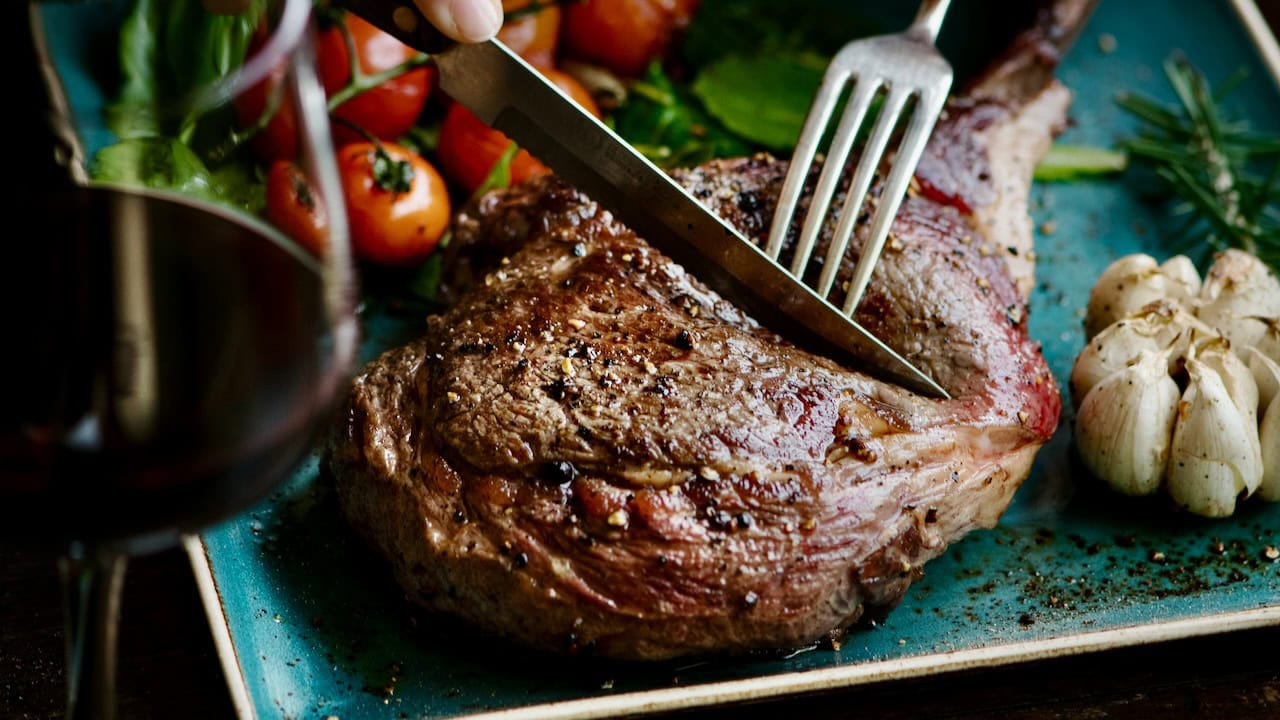
You’ve salted the ribeye steaks, preheated the cast-iron skillet, and set the table for eight. Then you open the fridge and stare at three bottles of red, wondering which one won’t embarrass you.
Most steak pairings guides stop at the cut of meat. They’ll tell you “Cabernet with ribeye” and leave you on your own when the real questions start: what about the peppercorn sauce, the grilled asparagus, or the friend who only drinks Pinot?
This guide goes further. You’ll learn how cooking method, sides, and the rest of your dinner party menu shape which bottle actually works best at your table — so you can pour with confidence, not guesswork.
After years of hosting steak nights and interviewing hundreds of hosts, we’ve found that the right wine turns a good meal into an evening people talk about.
At a Glance
- Fattier cuts like ribeye need high-tannin wines such as Cabernet Sauvignon to cut through richness.
- Leaner cuts like filet mignon pair best with medium-bodied reds such as Pinot Noir or Merlot.
- Cooking method matters as much as the cut — grilled steak calls for bolder wines than pan-seared.
- Sauces and sides shift your wine choice: peppercorn sauce wants a different bottle than chimichurri.
- Serve red wine at 60–65°F, not room temperature, to let fruit flavors shine alongside beef.
What Is Steak and Wine Pairing?
Steak and wine pairing is the practice of selecting a wine whose body, tannins, and acidity complement the flavor, fat content, and preparation of a specific cut of beef. Getting it right means your guests experience a dining experience where each sip makes the next bite taste better. Unlike general food and wine matching, steak pairing requires attention to the effect of umami — the savory fifth taste in red meat that can amplify bitterness in the wrong wine or unlock dark fruit flavors in the right one.
Why Does Red Wine Pair So Well with Steak?
Red wine and steak work together because of chemistry, not tradition. Tannins — the compounds in grape skins that create that dry, grippy sensation on your tongue — bind with proteins and fats in the meat.
The steak’s richness softens the wine’s astringency, and the wine’s acidity cuts through the fatty flavor of the beef.
According to Wine Folly’s wine and steak pairing guide by cut, the general rule is that leaner cuts pair with lighter reds, while fattier cuts pair with high tannins wines that can handle the richness.
The result?
Each bite of a juicy steak makes a bold red wine taste fruitier and smoother, while each sip of wine resets your palate for the next forkful.
It’s a loop of flavor harmony of this pairing that no other protein delivers quite as well.
- Tannin + fat = smoother wine: The dietary fats in steak literally wash tannins off your tongue, revealing dark fruit flavors hidden underneath.
- Acidity + richness = palate reset: A wine with good acidity acts like a squeeze of lemon on a rich dish — it cuts through and refreshes your taste buds.
- Umami amplifies depth: The savory flavors of red meat can bring out peppery, earthy notes in wines like Syrah and Cabernet, as Wine Enthusiast’s starter guide to steak and wine pairing explains.
Understanding why the pairing works puts you ahead of most hosts — and it makes choosing the right wine for each cut far more intuitive.
|
📨 Your Next Steak Night, Planned Before the Butcher Visit |
Which Wine Pairs Best with Each Cut of Steak?
The best wine for your steak depends on one thing more than any other: fat content.
A marbled ribeye and a lean filet mignon live in different flavor worlds, and they need different wines to shine.
Sommelier Cedric Nicaise, former wine director of Eleven Madison Park, puts it plainly in VinePair’s best wine and steak pairings for every cut: grilled, fatty cuts call for hearty wines with firm tannins, while leaner cuts deserve something gentler.
Here’s how to match the different cuts of steak to the right wine:
- Ribeye steaks → Cabernet Sauvignon or Syrah. The higher fat content and marbled ribeye texture demand high tannins and bold wines. A Napa Valley Cab’s dark fruit flavors complement the beef’s richness, while a rich Syrah adds a smoky, peppery layer.
- Filet mignon → Pinot Noir or Merlot. This is the leanest of the premium cuts with a tender texture that a heavy wine would overpower. A medium-bodied Pinot with good acidity lets the meat’s delicate flavor stay center stage.
- New York strip → Malbec or Bordeaux blend. The strip sits between lean and fat, with a firm texture and bold beefy flavor. Malbec wines from Argentina bring plum and spice that echo its savory depth, as Jordan Winery’s Cabernet Sauvignon and steak pairing tips by cut demonstrates.
- Sirloin → Tempranillo or Zinfandel. A versatile cut that works with flexible, fruit-forward wines. An aged Rioja Reserva is a great choice that won’t break the budget.
- T-bone or Porterhouse → Nebbiolo or Super Tuscan. These combination cuts have both a filet side and a strip side — you need a wine with enough complexity to handle both textures at once.
For more on matching specific wines to steak preparation, Decanter’s sommelier advice on wine with steak offers region-by-region recommendations from working sommeliers.
Once you’ve matched your wine to the cut, the next question is how that steak is actually hitting the heat.
|
🍷 Build Your Steak Night Menu in Minutes |
How Does Cooking Method Change Your Wine Choice?
A perfectly cooked steak on a screaming-hot grill and the same cut seared gently in butter are two completely different dishes — and they want different wines. The char, smoke, and caramelization you get from grilling build layers of bitter, savory flavor that need a bolder wine to match.
Pan-searing keeps things more delicate, which opens the door to lighter reds and even some full-bodied whites.
- Grilled steak: Go bold. The smoky crust pairs naturally with robust reds like Cabernet Sauvignon, Zinfandel, or Shiraz. The Kitchn’s best affordable wine to pair with steak recommends aged Rioja as an affordable grilling companion.
- Pan-seared steak: The butter-basted finish and gentler crust allow medium-bodied reds like Merlot, Cabernet Franc, or a Rhône Valley blend to shine without competing.
- Oven-roasted or reverse-seared: The even, gradual cook produces a tender texture with less char. This is prime territory for pinot noir, lighter reds from the Rhone Valley, or a cooler-climate Syrah.
If you’re looking for something beyond the usual suspects, VinePair’s guide to wines to pair with steak beyond Cabernet explores options like Carménère, Chianti, and Beaujolais — wines with enough personality to handle beef but a different flavor profile than the typical bold red wine.
Planning your steak night in The Gourmet Host app lets you lock in the wine before you even decide on the cooking method, so nothing falls through the cracks.
Cooking method gets you most of the way there, but there’s one more flavor force shaping your pairing that most guides ignore entirely.
|
Two Minutes on the Grill Changes Everything |
Does Umami Affect How Wine Tastes with Steak?
Yes — and understanding the effect of umami is what separates a confident host from someone just guessing. Umami is a Japanese term for the savory fifth taste found in red meat, parmesan cheese, soy sauce, and mushrooms. When umami-rich food meets a tannic wine, it can amplify bitterness and strip away fruitiness, making even a great bottle taste harsh.
- Aged wines handle umami better: Older reds with softened tannins let their fruit and savory flavors of red meat work together instead of clashing. Wine writer Karen MacNeil explains in her ten rules of food and wine pairing that adding umami-rich toppings like mushrooms can actually heighten the overall pairing.
- Salt is your secret weapon: A good rule of thumb: season your steak generously. Salt counteracts umami’s negative effect on wine, which is why a well-seasoned steak tastes so much better with a glass of red than an under-salted one.
- Acid rebalances the palate: A squeeze of lemon on a side dish, a vinaigrette on the salad, or chimichurri on the steak all introduce acidity that helps a tannic wine taste smoother alongside beef.
As master sommelier Gillian Ballance notes in Tasting Table’s master sommelier guide to pairing steak and wine, leaner cuts with less umami let lighter wines like pinot noir and sparkling rosé take center stage.
Wine Folly’s pairing wine with red meat and steak reinforces that matching intensity — bold food with bold wine, gentle food with gentler wine — is the most reliable path to a perfect pairing.
Now that you understand the science behind why certain bottles work, the final piece is putting it all together for a steak night your guests won’t forget.
What Makes a Steak Night Feel Like an Event Your Guests Talk About?
The wine is only one piece. The best steak dinners we’ve hosted — the ones people still mention months later — were the ones where every detail on the dinner table felt intentional.
The right wine, served at the right temperature, poured into the right glass, alongside sides and sauces that made everything sing together.
- Think beyond the steak: Peppercorn sauce wants a plummy Malbec. Béarnaise sauce calls for something with more acidity, like a Sangiovese or Brunello. Chimichurri’s herbs match Tempranillo’s earthy spice. Your sauces and sides shape the perfect glass of wine as much as the cut itself.
- Serve red wine cooler than you think: Pull your reds from the fridge 20–30 minutes before dinner. At 60–65°F, the fruit flavors pop and the tannins feel silkier than at room temperature.
- Decant young wines, pour old ones gently: A young Cabernet benefits from 30–60 minutes in a decanter. An aged Bordeaux needs only 15–20 minutes. No decanter? Pour wine into glasses early — the wider surface area opens it up.
- Offer two bottles, not one: One bolder wine for the ribeye lovers and one lighter red for the filet crowd. Your guests feel cared for, and nobody’s personal preferences get ignored.
As Wine Folly’s six essential basics of food and wine pairing puts it, the regional match is almost always a safe bet: Argentine Malbec with Argentine-style steak, Napa Cab with an American steakhouse spread, Chianti with a Tuscan-inspired menu.
And Wine Spectator’s unexpected steak wine pairings from top sommeliers proves that rosé Champagne, Riesling, and even Carignan can surprise you with how well they handle beef.
Planning the wine, the menu, the sides, and the guest list all in one place is what The Gourmet Host app was built for — so the next time you’re staring at those three bottles in the fridge, you’ll already know which one to open.
|
The Decanting Shortcut Most Hosts Skip |
Frequently Asked Questions
Cabernet sauvignon is the most reliable choice for most steak cuts because its high tannins and bold flavors complement the richness of red meat. For fattier cuts like ribeye, it’s a natural choice. For leaner cuts like filet mignon, try pinot noir or a medium-bodied Merlot that won’t overpower the tender texture. In our experience, the right wine depends on the full plate — including your sauces and sides.
Pinot Noir is the best wine for filet mignon. Its lighter body, bright acidity, and subtle earthy notes mirror the filet’s delicate flavor rather than bulldozing it. If you prefer something slightly richer, a smooth Merlot or Côtes du Rhône also works well with this lean cut.
Absolutely. Full-bodied whites like an oaked Chardonnay can pair surprisingly well with leaner cuts, especially filet mignon or steak served with a creamy béarnaise. The key is choosing a white wine with enough body to stand up to the meat. A Sauvignon Blanc would be too light, but a barrel-aged Burgundy has the weight and acidity to hold its own. For more on wine vocabulary to share at the table, explore our guide to ways to describe wine at your next dinner party.
Grilled steaks develop a smoky, charred crust that pairs best with bold wines like Syrah, Zinfandel, or robust reds from warmer climates. Pan-seared steaks, finished in butter, are gentler and open the door to medium-bodied reds or even full-bodied whites. The preparation changes the flavor intensity, and your wine should match that intensity. Our wine pairing menu guide shows how to build an entire evening around these choices.
A full-bodied wine feels heavy and rich on your palate, similar to the difference between skim milk and whole cream. Full-bodied reds like Cabernet Sauvignon, Petit Syrahs, and Malbec have higher alcohol, more tannin, and deeper flavors of the wine. They’re the natural match for fattier cuts and bold flavors. For a deeper dive into these terms, see our article on basic wine knowledge for beginners.
Continue Reading:
More On Premium Wine and Food Pairings
- The Complete Guide to Premium Wine and Food Pairings for Your Next Dinner Party
- Different Ways to Describe Wine at Your Next Dinner Party
- Everything You Need to Know About White Wine Food Pairings
- Instead of Cocktail Hour, Try These Wine and Snacks Combos
- How to Create the Perfect Wine Pairing Menu for Any Dinner Party
- How to Choose the Best Wine for Your Seafood Menu
More from The Gourmet Host
- Basic Wine Knowledge for Beginners: A Sommelier Guide
- Different Methods & Techniques For Cooking Like a Chef
- How To Get Better At Home Cooking In 5 Hours Every Week
Explore TGH Categories




Featured Products from Our Shop
Winter Dinner Party Event Templates (Editable)
CA$6.00Seattle Bib Apron Bundle
CA$110.00Roaring 1920s Dinner Party Event Templates (Editable)
CA$12.00Recipe Measurement Conversions & Timing Guide
CA$8.00Must-Have Kitchen Tools & Gadgets Guide
CA$8.00Murder Mystery Dinner Party Event Templates (Editable)
CA$12.00