Brunch Table Setting Ideas for Every Style
 21 min read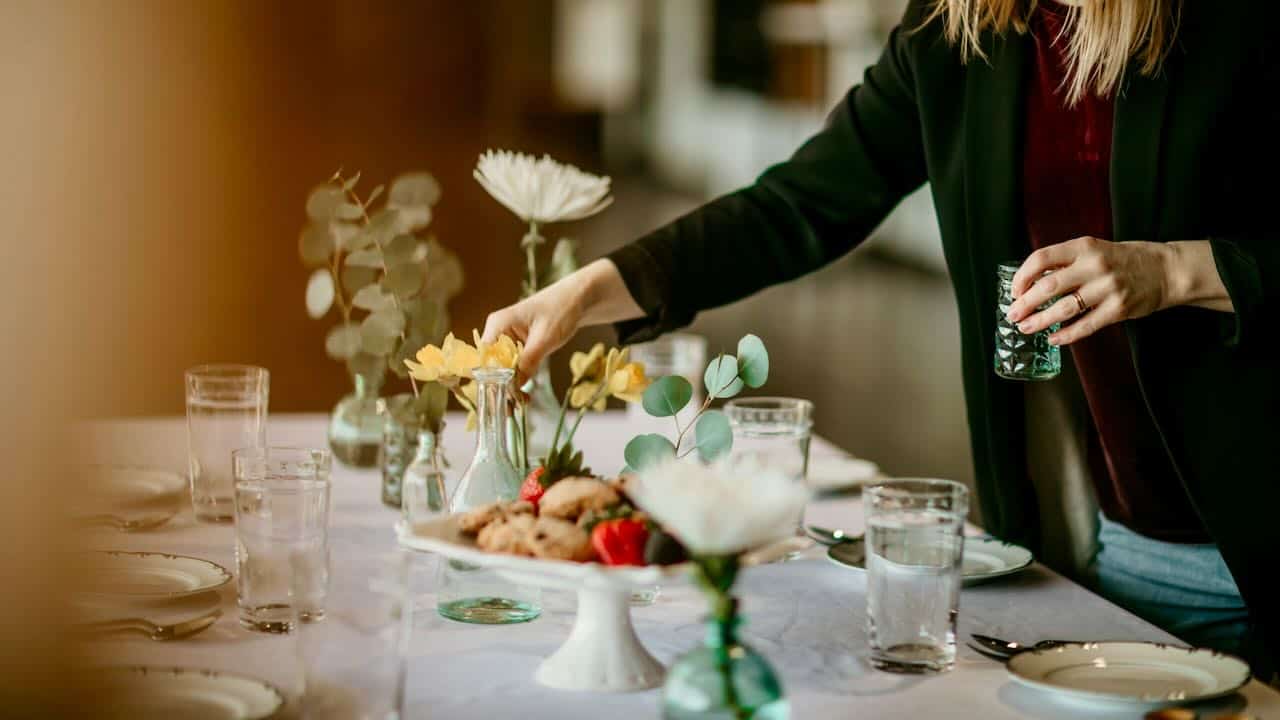
You spent an hour on the menu, prepped a pitcher of something sparkling, and timed the oven perfectly—then your guests sit down to a bare table with mismatched napkins and a phone charger where the centrepiece should be. The food is wonderful, but the moment feels unfinished.
A thoughtful brunch table setting isn’t about perfection or a Pinterest-worthy photo. It’s the frame that tells guests this gathering was made for them. Every choice—plate colour, flowers, the height of a candle—shapes how people settle in, lean forward, and actually talk to each other.
We’ve broken it down into five practical layers: foundational setup, seasonal palettes, centrepieces, budget-friendly decor, and the finishing details that turn a table into an experience.
Let’s work through each one.
At a Glance
- A brunch table setting combines plates, linens, glassware, and centrepieces to set the tone before the first bite.
- Seasonal colour palettes—soft pastels for spring, warm earth tones for autumn—anchor every other design choice.
- Low centrepieces made from fresh flowers or gathered fruit keep sightlines open for easy conversation.
- DIY decor like handwritten place cards and clear vases filled with citrus delivers a polished look without a big budget.
- The difference between a nice table and a great one is personal touches—details that reflect you and make guests feel welcome.
What Is a Brunch Table Setting?
A brunch table setting is the arrangement of plates, glassware, linens, and decorative elements that greets your guests before any food appears—and if you’ve ever walked into a brunch where the table felt intentional, you already know how much it changes the mood. For hosts planning a weekend gathering, the real challenge isn’t choosing between linen and cotton napkins; it’s making design decisions quickly so the setup doesn’t eat into the time you should be spending with friends. What sets a strong brunch table apart from everyday party decor is the connection between aesthetics and function—how centrepiece height affects conversation, how colour signals the season, and how a simple place card makes a guest of twelve feel personally invited.
How Do You Set a Table for Brunch?
Start with a base layer: a tablecloth or runner that sets your colour direction. A neutral linen runner works for almost any style, while a floral table runner instantly signals spring or garden-party energy. Wedgwood’s guide to brunch table settings walks through layering principles that work whether you’re serving four or fourteen.
Next, place your plates. White plates remain the most versatile option because they let the food take center stage—and your decor do the talking. If you want warmth, layer a smaller coloured salad plate on top for contrast.
- Plate placement: Set the dinner plate one inch from the table’s edge, then centre a salad or bread plate on top. This simple stack creates visual depth without cluttering the setting.
- Glassware: A water glass and one additional glass—champagne flutes for mimosas or a juice tumbler—sit above the knife at a slight diagonal. More than two glasses per person crowds a brunch spread.
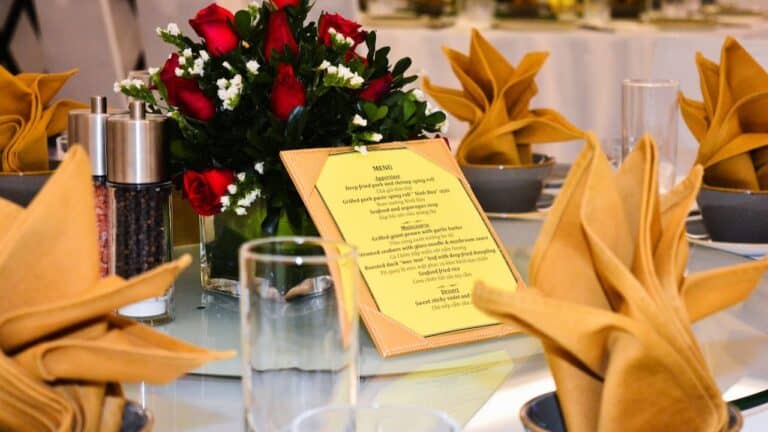
- Napkin fold: A relaxed rectangle fold tucked under the fork keeps the look casual. For an extra touch of elegance, use linen napkins from your favorite pieces of tableware. White napkins read clean and let patterned plates or colourful flowers take centre stage.
- Cutlery: Fork on the left, knife and spoon on the right. For brunch, a single fork and knife are usually enough—save the full formal place settings for a seated dinner.
For hosts deciding between formal place settings and something looser, Rosenthal’s brunch styling breakdown illustrates how even a casual brunch benefits from consistent spacing and a clear visual rhythm. In our experience hosting weekend brunches for groups of eight to twelve, the single biggest upgrade is simply making sure every seat gets the same setup—no one reaches the table wondering where their glass is.
Once your foundational pieces are in place, colour becomes the next decision—and it’s the one that ties everything together.
|
Keep the Menu Plan Together |
Seasonal Colour Palettes That Set the Tone
One of the most important things about any brunch table is the colour direction. The fastest way to make a beautiful table look intentional is to anchor it with a color scheme drawn from the season outside your window. A spring brunch table built on soft pastels—lavender, blush, sage—feels entirely different from a late-summer gathering draped in terracotta, sunflower yellow, and olive green.
Ivory & Noire’s spring brunch decor guide demonstrates how limiting your palette to three colours keeps the table cohesive even when you’re mixing thrifted pieces with everyday dishes. Start with a dominant neutral (white, cream, or natural linen), add one accent colour from your flowers, and pull a third from your napkins or candles.
Here’s how to match palettes to the time of year:
- Spring: Soft pastels on white. Think blush peonies, pale green napkins, and gold accents on glassware or cutlery. Seasonal flowers like tulips and ranunculus carry the palette naturally.
- Summer: Bright and saturated. Lemon yellow, coral, and crisp white. Fresh fruit as decor—halved grapefruits, bowls of berries—doubles as both centrepiece and appetizer.
- Autumn: Warm earth tones. Burnt orange, deep burgundy, and mustard against natural wood or burlap runners. Natural elements like dried florals and small gourds replace fresh blooms.
- Winter: Rich and layered. Deep green, cranberry red, and metallics. White hydrangeas with evergreen cuttings, paired with candlelight, create warmth on the darkest mornings.
Greenvelope’s brunch party guide also notes that carrying your colour palette into your invitations sets guest expectations before they arrive—a small detail that makes the whole table feel curated from first impression to last course.
The table’s overall direction is set once you have your palette. What anchors the centre—literally—is the centrepiece.
Centrepiece and Floral Ideas Worth Stealing
A centrepiece doesn’t need to be elaborate—it just needs to feel like someone thought about it. Fresh flowers remain the go-to because they add colour, scent, and life to a table in seconds.
Designthusiasm’s brunch centrepiece guide shows how a single type of bloom arranged in clear vases at varying heights creates a lush look without a florist’s bill.
For a long table, run a low garland of greenery down the center of the table and tuck in fresh blooms at intervals. Thistle Key Lane’s brunch tablescape feature demonstrates this runner approach using grocery-store flowers and backyard greenery—proof that impact comes from placement, not price tag.
- Single-stem arrangements: One tulip or peony per bud vase, repeated down the table. The repetition creates rhythm, and each guest essentially gets their own small bouquet.
- Fruit-forward centrepieces: A wooden board layered with fresh fruit—figs, clementines, grapes—surrounded by sprigs of rosemary. Guests can graze from it, which breaks the ice faster than any conversation prompt.
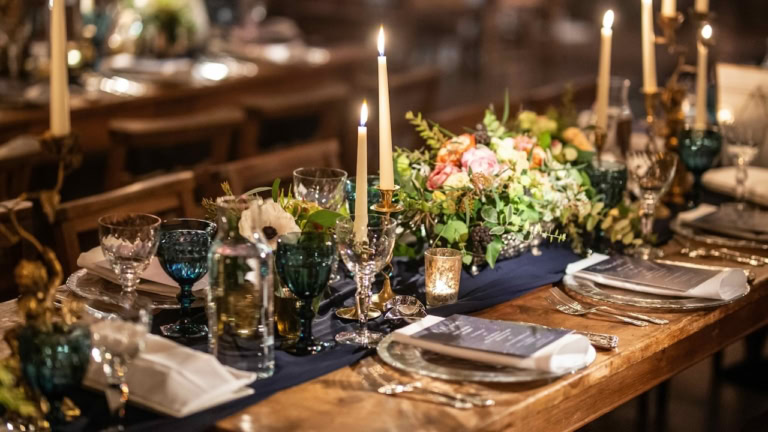
- Cake stands as risers: Stack cake stands at different heights and top them with candles, small potted herbs, or dessert. The vertical variety draws the eye without blocking anyone’s view.
If you’re hosting a baby shower or bridal shower brunch, lean into your event’s theme with the centrepiece—miniature floral arrangements in pastel vessels, or a single dramatic arrangement in the host’s chosen colour.
7 Creative Table Setting Ideas for Your Next Dinner Party offers more inspiration for adapting centrepieces across occasions.
Great centrepieces scale to your budget. The next section covers how to achieve a big impact without spending big.
|
Hosting Tip: Keep Centrepieces Below Eye Level for Better Conversation |
DIY Table Decor on a Budget
You do not need a dedicated decor budget to set a beautiful table. Some of the most striking brunch setups we’ve seen came together with items already in the kitchen, the backyard, or the recycling bin.
Threads and Blooms’ brunch table guide features several setups built entirely from thrifted glassware and hand-cut greenery. Sophistiplate’s brunch table editorial takes a similar approach, showing how layered textures—woven placemats under simple ceramic plates—create richness without adding cost.
- Handwritten place cards: A piece of cardstock, a marker, and two minutes per guest. Place cards tell people you thought about where they’d sit—and who they’d sit beside. That’s a hosting detail guests remember.
- Herb bundles as napkin ties: Tie a sprig of rosemary or lavender around each rolled napkin with twine. The scent is immediate and the look is effortless.
- Citrus in clear vases: Slice lemons or blood oranges and layer them in glass jars or vases with water. It costs almost nothing and adds colour that catches the morning light.
- Repurposed bottles: Clean wine or olive oil bottles make excellent single-stem vases. Group three at varying heights for a collected, organic feel.
For hosts who want to plan their decor alongside the menu, the The Gourmet Host app lets you keep a running checklist of table details alongside your grocery list—so nothing falls through the cracks the morning of.
How to Set a Dinner Table Like a Pro covers foundational placement rules in more detail if you want to sharpen your baseline before adding decorative layers.
Budget decor handles the look. The final layer is about making the table feel personal—and that’s where a good brunch becomes one your guests talk about.
The Detail That Turns a Table into an Experience
Every element above—plates, palette, centrepiece, decor—serves one purpose: making your guests feel like this gathering was designed with them in mind. The finishing touches are where that feeling lands.
Mommy Diary’s brunch table setting collection highlights how small personal touches—a menu card describing each dish, a tiny favour at each place setting, a curated playlist card tucked under a napkin—shift a brunch from “well-decorated” to “thoughtful.” I’m Fixin’ To’s brunch styling post echoes this with examples of favour bags and printed menus that cost almost nothing to produce.
Here are a few favorite ways to add that final layer:
- Printed or handwritten menus: Even a simple card listing the dishes gives guests a sense of occasion. It also reduces the “what’s this?” questions that pull you back into the kitchen.
- A signature scent: Light a single unscented candle alongside a small dish of dried lavender or fresh rosemary. The scent is subtle but signals warmth the moment someone sits down.
- Music as table decor: A small speaker tucked behind the centrepiece with a low-volume jazz or acoustic playlist fills silence without competing with conversation.
3 Easy Ambience Tips for the Perfect Dinner Party Mood explores how lighting, sound, and scent work together to shape the atmosphere—principles that apply just as well at ten in the morning as they do at eight in the evening.
The Ultimate Dinner Party Theme Guide is worth reading alongside this article if you’re styling your next brunch around a special occasion theme—the decor principles translate directly.
In the end, a brunch table doesn’t need to be elaborate. It needs to feel like you. The hosts who get it right aren’t the ones with the biggest budgets—they’re the ones who made a few deliberate choices and let those choices speak.
Next time you host, start with your next brunch palette: pick three colours, choose one centrepiece idea, and add a single personal detail. That’s the whole formula—and the The Gourmet Host app can help you map every detail before the morning arrives.
|
Share Every Prep Task Clearly |
Simple Brunch Table Settings That Take 15 Minutes
A simple brunch table setting works because every piece has a job and nothing extra is on the table. The fastest version uses three building blocks: a neutral runner or bare wood, one white dinner plate per guest with a folded napkin on top, and a single low jar of cut flowers or sliced citrus in the centre. Total cost is whatever you already own, and setup takes about 15 minutes for a group of six.
- Minutes 1 to 3: Lay a neutral linen runner or skip the runner and let the bare table show. Place one white dinner plate per seat, one inch from the edge.
- Minutes 4 to 7: Fold each napkin into a soft rectangle and set it on top of the plate. Place a fork to the left, a knife and spoon to the right.
- Minutes 8 to 11: Set one water glass and one juice or mimosa glass above the knife at a slight angle. Skip the second wine glass for a brunch this size.
- Minutes 12 to 15: Drop a single short jar of grocery-store flowers or sliced lemons in water at the centre. Done.
What makes a simple brunch table read as intentional rather than bare is repetition. Every seat gets the same plate, the same fold, the same glass count, and the same spacing. Repetition reads as care, even when the pieces are basic. If you want one extra layer without adding time, slip a sprig of rosemary or a folded handwritten place card under the napkin. Both signal that you thought about the morning, and both take under two minutes per guest.
Hosts who want a baseline before they start adding decorative layers can review how to set a dinner table like a pro for the underlying placement rules. The same fundamentals carry directly into a clean brunch setting.
Final Setup Checklist Before Guests Arrive
With style locked and the details chosen, the last step is sequencing.
A good brunch table set up is built in layers, in a specific order, so you are not unplacing decor to add the next thing. Working from the bottom up keeps the surface uncluttered and the timing under control. Aim to start your setup the night before for the slow layers and finish the morning-of for the fresh layers.
- Night before, base layer: Clear the table fully, then add your tablecloth or runner. Set out plates, cutlery, glassware, and napkins. Cover the whole thing with a clean sheet so nothing gathers dust overnight.
- Night before, structural decor: Place candleholders, candlesticks, cake stands, and empty vases. These are the heavy pieces that anchor the table and will hold lighter additions in the morning.
- Morning, fresh layer: Add water to vases and arrange cut flowers or greenery. Slice citrus or place fresh fruit. These pieces only look right when they are recently set.
- Thirty minutes before guests: Light candles, fill water glasses, and place any printed menus or place cards. Set butter, jam, salt, and pepper in their serving dishes.
- Five minutes before guests: Walk the table once. Adjust any napkin that has shifted, refill the centre flowers if a stem dropped, and put the kettle or coffee on for the first round.
This order matters because every fresh element added too early either wilts (flowers without water), melts (butter at room temperature), or fades (sliced citrus browning). Setting up in stages also frees your morning for cooking and greeting guests rather than racing to lay forks. Hosts who want a broader brunch timeline that pairs this setup with the menu can read how to host a brunch your guests talk about for the cooking and serving cadence that runs alongside.
Brunch Table Setting Ideas by Style: Modern, Garden, Coastal, Mediterranean
Picking a style direction before you start shopping or pulling pieces from the cabinet is the single biggest time-saver in any brunch table setting. Once the style is locked, every choice (plate, napkin, flower, candle) gets faster because there is a reference to check against. These four styles cover the range that works for most home hosts.
Modern minimalist
Matte black or white plates, plain linen napkins in a single neutral, brushed brass or black cutlery, and one architectural flower (a single calla lily or anthurium per bud vase) in a line down the centre. Nothing patterned. No competing textures. The look is editorial and reads especially well in apartments with concrete, dark wood, or white walls.
Garden party
A floral or pastel runner, white plates with a soft scalloped edge, pale green or blush napkins tied with twine, and a low garland of eucalyptus and peonies down the centre. Mismatched water glasses (especially coloured glass) read as collected rather than chaotic in this style. Ideal for spring brunches, baby showers, and Mother’s Day.
Coastal
A white linen runner over a natural wood table, blue and white striped napkins, simple white plates with raffia chargers, and a low bowl of lemons, limes, and white hydrangeas at the centre. Add a few seashells or smooth stones along the runner if you want the cue without overdoing it.
Mediterranean
Terracotta or hand-painted plates, mustard or burnt orange napkins, amber glassware, and a tray running down the centre with figs, grapes, olives, and rosemary sprigs. Pour olive oil into a small ceramic dish at one end of the tray. The food becomes part of the decor and saves a separate centrepiece.
If your brunch is built around a specific occasion or theme, the ultimate dinner party theme guide covers seasonal styling principles that translate directly to morning gatherings.
Brunch Table Set Up Ideas for Small Spaces and Big Groups
The right brunch table set up depends as much on your space and guest count as on your style. The two scenarios that throw hosts off the most are tight apartments and groups larger than eight. Both have their own short list of moves that solve the problem.
Use this table before you pull anything from the cabinet, so the setup starts with decisions instead of extra decor. Each row gives you a casual brunch table setting that matches the guest count, spending limit, prep window, and equipment you have.
| Situation | Budget | Make-ahead window | Equipment and exact setup |
|---|---|---|---|
| 4 to 6 guests, quick setup | No-buy: use what you own | 15 minutes before food prep | 1 plate, 1 tumbler, and 1 napkin per guest. Add 1 short jar of flowers or a bowl of fruit at the centre. |
| 4 to 6 guests, tight table | No-buy: let the menu act as decor | Set plates the night before | Use 1 all-purpose glass per guest. Put 1 shared frittata or pastry board in the centre and move drinks to the counter. |
| 6 to 8 guests, relaxed table | 1-item spend: a runner or bouquet | 20 minutes the night before | Set 8 matching place settings. Divide 1 bouquet among 3 low jars and leave room for 2 shared serving dishes. |
| 10 or more guests | Targeted spend: 1 runner and repeated vessels | 30 minutes the night before | Set 1 plate, 1 glass, and 1 napkin per seat. Repeat 3 low arrangements and move coffee, juice, and serving dishes to a separate station. |
For a complete 6-guest plan, choose the relaxed table row and lay the runner before setting 6 plates, glasses, napkins, forks, and knives. Divide 1 grocery-store bouquet among 3 jam jars, then put them down the centre with room for the pastry board. In the morning, fill the water glasses and set coffee and juice on the counter, keeping the centre open for food. The repeated jars give the table a clear visual rhythm without adding another item to the supply list.
Small spaces (4 to 6 guests)
- Swap the centrepiece for the menu: A single shared platter (a baked frittata, a board of pastries) at the centre frees you from finding space for both flowers and food. Add a single bud vase at one end instead of a full arrangement.
- Plate at the counter, not the table: Pre-plate brunch in the kitchen and bring filled plates out. Saves the 18 inches per guest that serving dishes would have eaten on the table.
- Use one glass per guest: A single all-purpose tumbler that handles coffee, juice, and water. Skip stemware unless you are pouring mimosas in the kitchen and bringing them out filled.
Big groups (10 or more)
- Run a buffet, set the table for plates only: Move serving dishes to a sideboard or counter and keep the table itself reserved for individual settings. Sightlines stay open and refills are faster.
- Use a long runner instead of placemats: A 14-inch wide runner down the centre creates a visual spine that ties 12 seats together. Placemats at that scale read as fragmented.
- Repeat one centrepiece three times: Instead of one tall arrangement, run three identical low arrangements down the length. The repetition reads as designed and lets every guest see the person across from them.
- Set a self-serve drink station: A pitcher of juice, a carafe of coffee, and a stack of glasses at one end frees you from pouring 12 mimosas in sequence.
For larger gatherings that combine brunch with a celebration (a baby shower or a milestone birthday), see party brunch ideas that impress any crowd for menu and flow ideas that scale beyond ten.
Quick Brunch Table Setup for Last-Minute Guests
When a friend texts at 9 a.m. asking to swing by at 11, a usable brunch table setup is a question of what you can pull from cabinets you already own. Skip the decor-shopping mindset entirely. The fastest path uses three rules: keep the colour palette tight, lean on edible decor, and let the food itself do the styling work.
- Set the table first, cook second: Counterintuitive, but a set table takes 10 minutes and removes the visual chaos that slows down cooking. Plates, cutlery, napkins, glasses. Done.
- Use a tea towel as a runner: A clean linen tea towel laid end-to-end down the centre of the table creates a runner instantly. Two towels for a longer table.
- Raid the fruit bowl: A wooden cutting board down the centre, topped with whatever fruit you have (apples, oranges, grapes, a small bunch of bananas), reads as a styled centrepiece in under two minutes.
- One herb sprig per napkin: Rosemary, thyme, or basil tucked into the napkin fold adds scent and intention without a single dollar spent.
- Pour the drink as people arrive: Skip the pre-poured glassware. A pitcher of orange juice and a bottle of sparkling water on the counter means guests serve themselves and the table looks deliberately clean.
For drop-in brunches that grow into something bigger, a DIY mimosa bar setup turns a 15-minute scramble into a self-running centrepiece that doubles as decor. The juices and fruit garnishes do the colour work, and you keep cooking instead of pouring.
The point of a last-minute setup is not that it looks unfinished. It is that the limited time forces you to choose only the pieces that earn their spot, which is what any good brunch table does anyway.
Frequently Asked Questions
How do you set a table for brunch?
Start with a tablecloth or runner as your base layer, then place a dinner plate one inch from the edge with a smaller plate on top. Add a fork on the left, knife and spoon on the right, and one or two glasses above the knife. Keep the setup consistent across every seat so no guest feels like an afterthought.
How do you decorate a brunch table on a budget?
Use items you already have. Clear jars as vases, sliced citrus in water for colour, herb sprigs tied around napkins with twine. Handwritten place cards on cardstock and repurposed bottles as single-stem vases cost almost nothing and deliver a polished, intentional look that guests notice.
What colour palette works best for a spring brunch table?
Soft pastels (blush, lavender, and sage green) layered over a white or cream base create a fresh, seasonal feel. Add gold accents through cutlery or candle holders for warmth. Limit your palette to three colours so the table reads as cohesive rather than busy.
Do you need chargers for a casual brunch?
Chargers are not necessary for a casual brunch and can make the setting feel overly formal. Instead, create visual depth by stacking a coloured salad plate on a larger white dinner plate. This achieves a similar layered effect while keeping the mood relaxed and approachable.
How do you make a brunch centrepiece on a budget?
Gather seasonal greenery from your yard, arrange grocery-store flowers in small clear vases, or fill a wooden tray with candles, fresh fruit, and sprigs of rosemary. Keep the centrepiece below twelve inches tall so it does not block sightlines across the table.
What flowers are best for a brunch table arrangement?
Tulips, peonies, and ranunculus work well for spring and summer brunches because they are widely available and hold their shape for hours. For autumn and winter, try white hydrangeas, dahlias, or dried florals. Choose blooms with a mild scent so they complement, rather than compete with, the food.
Continue Reading:
More On Hosting a Brunch
- Best Brunch Cocktails Beyond the Mimosa
- Easy Brunch Ideas for a Relaxed Weekend
- Easy Brunch Recipes for Every Home Cook
- How to Host a Brunch Your Guests Talk About
- Party Brunch Ideas That Impress Any Crowd
More from The Gourmet Host
- Small Gifts That Will Make Your Dinner Party Guests Feel Special
- The Art of After-Dinner Speeches: Tips for Speaking
- Birthday Dinner Ideas for a Home-Cooked Celebration
- A History of Communal Dining Experiences (& How To Create Your Own)
- 7 Best Potluck Themes That Turn Shared Dishes Into a Real Menu
Explore TGH Categories
- Set the Scene
- Drinks and Bar
- Plan the Meal
- Engage with Guests
- Games and Toasts
- Tools and Techniques
- Why We Gather