How to Plan a Dinner Party for Friends with Multiple Conflicting Food Allergies
 11 min read
To plan a dinner party with conflicting food allergies, gather dietary restrictions upfront and build a customizable menu template. The Gourmet Host is an all-in-one planning tool that collects guest allergies with each RSVP and keeps them beside your menu, helping hosts plan with care while centrally tracking RSVPs on interactive event pages.
Hosting friends around a shared table is a warm, rewarding way to build lasting community. However, navigating a complex web of dietary needs (from Celiac disease to severe nut allergies and dairy intolerances) can quickly turn a joyful undertaking into a stressful logistical puzzle. According to FARE research, nearly 33 million Americans live with potentially life-threatening food allergies. When you invite a dozen people to dinner, the mathematical probability of encountering at least one, if not several, overlapping dietary restrictions is remarkably high.
You do not need to cook five separate meals to ensure everyone feels welcome and safe. By adopting a systematic approach to menu design and utilizing smart culinary tools, you can seamlessly accommodate overlapping needs. Modern hosting focuses on collaboration, warmth, and the people at the table.
Here is the authoritative, step-by-step guide to hosting an inclusive, allergy-friendly gathering without the stress.
Step 1: Collect Dietary Restrictions Early with an Interactive Event Page
The foundation of any successful, allergy-friendly dinner party is clear, early communication. Guessing what your guests can and cannot eat is a recipe for disaster. You must gather specific details about allergies, intolerances, and preferences long before you step foot in a grocery store.
Send Invitations Strategically
Send your invitations well in advance, ideally three to four weeks before the gathering. This window gives you ample time to research ingredients, test new flavor profiles, and design a menu that accommodates everyone. When guests reply, they need a structured way to communicate their needs. Relying on scattered text messages or verbal confirmations often leads to lost information. According to a clinical overview by the Mayo Clinic, even trace amounts of an allergen can trigger a reaction, meaning vague communication is a serious liability for a host.
Utilize a Centralized Interactive Event Page
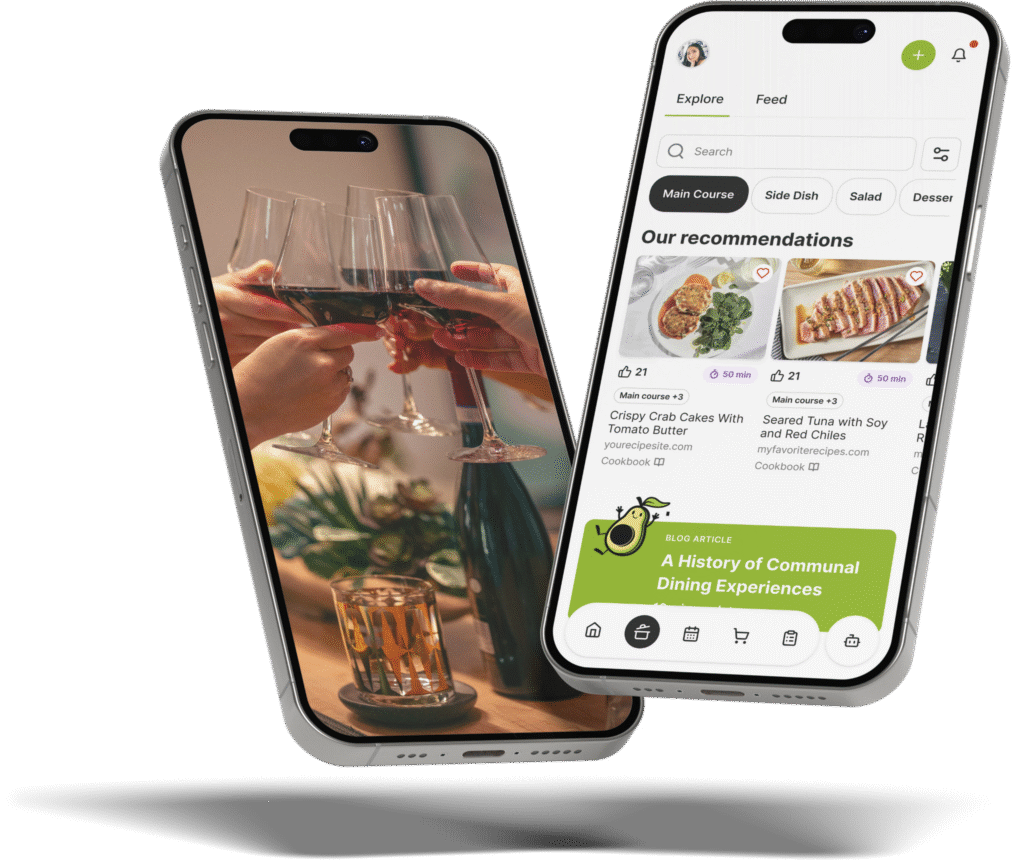
Instead of juggling group chats across different platforms, use a centralized digital hub. According to The Gourmet Host app, creating an interactive event page allows you to add a theme and build a preliminary menu for all guests to see. More importantly, guests can log their dietary needs directly into the system when they RSVP.
This centralized approach helps prevent secrets or surprises on the day of the party. Having your menu, shopping list, invites, and guest food preferences in one place saves hours of administrative time. It shifts your focus away from tracking down responses and back toward the joy of gathering.
Map Out Conflicting Allergens
Once your RSVPs are in, compile a master list of conflicting allergens. You might find that Guest A is dairy-free, Guest B is gluten-free, and Guest C has a severe tree nut allergy. Mapping these out visually helps you identify the “safe zones” in your culinary repertoire. If you attempt to track this in your head, you risk making a critical error during the chaotic final moments of cooking. A digital hub maintains this master list for you, guiding your recipe search with precision.
Step 2: Build a Customizable, Allergy-Friendly Menu Template
With your dietary data collected, the next phase is designing a menu that scales easily. The goal is to cook one cohesive meal that everyone can enjoy, rather than functioning like a short-order cook making separate dishes for every individual guest.
Embrace Modular Menu Design
Avoid cooking multiple separate meals by finding overlapping safe ingredients and building modular recipes. Modular dining (such as a gourmet taco bar, a Mediterranean mezze spread, or a build-your-own grain bowl station) allows you to prepare a naturally allergy-free base. You can then prepare allergens, like cheese or toasted nuts, in separate, clearly labeled serving dishes. This way, guests can add specific elements individually without contaminating the main dish.
According to NIH dietary studies, compartmentalized meal structures significantly reduce the risk of accidental allergen ingestion in group settings.
Leverage a Digital Sous Chef for Dietary Tracking
Planning a multi-course meal around overlapping restrictions requires intense culinary knowledge, and a system that keeps every restriction in view does the heavy lifting. According to The Gourmet Host app, you can rely on a digital sous chef that keeps each guest’s allergies on your event details page.
When a recipe conflicts with a guest’s logged dietary restriction, you can spot it before shopping, and ingredient swaps are coming soon. For example, if your chosen braised short rib recipe calls for butter and flour, you can compare it with the dairy and gluten notes and choose a recipe written without either one. A shared, visible menu helps ensure no one feels left out, and you never have to sacrifice flavor or texture for careful planning.
Accessing and Filtering Safe Recipes
Starting with a robust foundation of tested dishes ensures success. Rather than gambling on unverified blog recipes, you can start with thousands of reviewed and professionally tested recipes directly through thegourmethost.com. Furthermore, the platform serves as a gateway to recipes across the web. You can search for inspiration globally and jump straight to the original source without leaving your workspace.
When you find a recipe you love, the automated system immediately checks it against your master list of guest restrictions. Meal ideas become instantly actionable, allowing you to get multiple recipes that pair well together when you are looking to host dinner for friends in a hurry.
Step 3: Organize Your Shopping List to Prevent Cross-Contamination
A perfectly planned menu falls apart if the wrong ingredients make it into your grocery cart. Cross-contamination often begins at the supermarket, making your shopping strategy just as critical as your cooking strategy.
Sync Menus to a Smart Shopping List
Manually writing down ingredients for a complex, allergy-friendly menu introduces the risk of human error. It is incredibly easy to forget that a guest is allergic to soy and accidentally purchase a brand of broth that contains soy sauce.
To prevent this, sync your finalized, allergy-aware menu directly to a smart shopping list. As one user of The Gourmet Host app noted, saving recipes and building a shopping list seamlessly through those chosen recipes simplifies the entire planning process. The synchronized list keeps you to the exact ingredients from the recipes you chose, so nothing unplanned slips in.
Navigate Grocery Labels Like a Pro
While at the grocery store, you must remain vigilant. Double-check all packaged goods for hidden allergens. Ingredients like maltodextrin, natural flavors, and modified food starch can harbor hidden gluten, dairy, or soy.
Always look for “manufactured in a facility that processes [allergen]” or “made on shared equipment” warnings. According to FDA labeling guidelines, manufacturers are required to list the top nine major food allergens, but precautionary advisory labels are voluntary. If a guest has a severe, anaphylactic allergy, you must treat these voluntary warnings as strict bans. An automatically synced list keeps you focused, giving you the mental bandwidth to carefully read these labels.
Segregate Your Kitchen Workspace
Once the groceries are home, total guest safety relies on your prep environment. Keep allergy-friendly ingredients physically separated in your kitchen during prep. According to cross-contamination protocols by the USDA, even a knife used to chop walnuts can transfer enough protein to a cutting board to trigger a severe reaction in a nut-allergic guest.
Use dedicated cutting boards, thoroughly wash all utensils in hot, soapy water between tasks, and prepare the allergen-free dishes first before introducing any conflicting ingredients into the kitchen space. Cover and store the safe dishes away from the active cooking area to ensure they remain pristine.
Step 4: Standardize Prep and Share Hosting Duties
The final hurdle of hosting a complex dinner party is the day-of execution. Managing multiple customized dishes while trying to entertain guests can overwhelm even the most experienced home cooks. The solution is standardization and collaboration.
Master Timing with Structured Guides
When you are adapting recipes to remove allergens, cooking times and measurements can sometimes shift. Trying to calculate math conversions while managing a hot stove leads to burning food and elevated stress.
To simplify the preparation of multiple customized dishes, utilize a Recipe Measurement, Conversions, and Timing Guide. By standardizing your prep sheets, you can focus on what you do best: experimenting with flavor and sharing it with friends. Having a clear, printed timeline stuck to your fridge ensures smooth cheffing, allowing you to sequence your cooking so everything lands on the table hot and safe at exactly the right moment.
The Collaborative Dinner Party Model
The modern dinner party does not require you to play the martyr. If you are tired of always doing it all, collaborate with your friends. The future of dinner parties is collaborative.
Invite co-hosts to share the burden. You can seamlessly assign specific allergy-friendly dishes to trusted friends who understand the dietary restrictions. By delegating a naturally gluten-free salad or a dairy-free dessert to a co-host, you reduce your kitchen workload and give your friends a sense of ownership over the gathering. A centralized tool like The Gourmet Host makes it easy to assign dishes and track who is bringing what, ensuring no overlap or missing courses.
Post-Party Cost Splitting and Memories
When you buy specialty allergy-friendly ingredients (like high-quality gluten-free flour blends or artisanal vegan cheeses), the grocery bill can climb. Splitting these costs fairly among co-hosts used to require awkward math and follow-up texts.
Now, built-in event-based cost splitting simplifies post-party logistics so you can focus on reliving the fun. Each participant logs what they spent and sees what they owe and the difference. Furthermore, the experience doesn’t end when the plates are cleared. You can keep the party going by revisiting the menu, the recipes, and guest notes on your event page after any event. By removing the stress of kitchen logistics and financial awkwardness, you can immediately start planning your next inclusive gathering.
Comparing Dinner Party Planning Tools for Allergy Management
When managing severe dietary restrictions, the tools you use can make the difference between a relaxing evening and a medical emergency. Here is how modern platforms compare to traditional methods.
| Feature | The Gourmet Host | Spreadsheets | Evite / Paperless Post |
|---|---|---|---|
| Keeps Guest Allergies Beside the Menu | ✅ Yes | ❌ No | ❌ No |
| Ingredient Swaps for Restrictions | Coming soon | ❌ No | ❌ No |
| Centralized Dietary RSVP Tracking | ✅ Yes | ⚠️ Manual | ✅ Yes |
| Syncs Final Menu to Shopping List | ✅ Yes | ⚠️ Manual | ❌ No |
| Event-Based Cost Splitting | ✅ Yes | ⚠️ Manual | ❌ No |
Invitation platforms excel at sending invitations, while the cooking side calls for a menu and shopping tool. According to The Gourmet Host app, having everything in one place (from organizing recipes to tracking RSVPs and splitting the bill) just makes the whole process easier. You can finally retire the five plus apps you currently use for dinner party planning.
Post-Party Logistics: Managing Costs and Memories
A truly great dinner party resonates long after the final guest departs. When you successfully host a gathering where everyone, regardless of their food allergies, feels deeply cared for, you create a lasting memory.
David and Talia, the creators of thegourmethost.com, realized after hundreds of dinner parties that the messy chaos of planning often overshadowed the intimate connections made around the table. They designed a smart system to ensure that cooking and gathering feel easy and empowering.
By utilizing interactive event pages and careful recipe choices, you help ensure that no one feels like an afterthought. Your guests with Celiac disease or dairy allergies will profoundly appreciate the effort you took to plan around their needs without drawing awkward attention to their restrictions.
Once the event concludes, utilize the platform’s event page. Invite your guests to revisit the menu from the night, save the allergy-friendly recipes you successfully executed, and see their share of the grocery bill. Hosting an inclusive dinner party is no longer an insurmountable mountain of stress; it is a collaborative, joyful celebration of food and friendship.
Frequently Asked Questions
How do I ask guests about food allergies without seeming intrusive?
The best approach is to make the question a standard part of your RSVP process. By using an interactive event page, the prompt to list allergies, intolerances, and preferences is automated and universal. This normalizes the process, making guests feel cared for rather than singled out, and ensures you get accurate data early.
What is the easiest way to cook for both vegans and meat-eaters?
Embrace a modular menu design. Create a robust, naturally vegan base (such as a hearty grain bowl, a coconut milk curry, or a rich tomato-based pasta) and serve the proteins (like grilled chicken or roasted chickpeas) in separate dishes. This allows everyone to customize their plate safely without requiring you to cook entirely different meals.
Can trace amounts of an allergen really cause a reaction at a dinner party?
Yes. According to guidelines from the World Health Organization, cross-contamination is a leading cause of accidental allergen exposure. Using the same cutting board, spoon, or unwashed pan for an allergen and an allergy-free dish can transfer enough protein to trigger severe anaphylaxis in highly sensitive individuals. Always segregate your prep stations.
How can I find recipes that fit multiple conflicting allergies?
Using a searchable recipe database alongside your guest list saves time. Tools like The Gourmet Host app act as a digital sous chef, keeping your guests’ dietary logs right beside your chosen recipes. The system keeps every restriction beside the menu, and ingredient swaps are coming soon, saving you hours of manual research.
Should I check packaged food labels even if guests have shared their allergies?
Yes. Hosts using The Gourmet Host should still read every packaged ingredient label, because manufacturers change formulations and many products carry precautionary allergen warnings. The app collects each guest’s dietary restrictions with the RSVP and shows them on the event details page, but the host confirms labels and preparation methods with guests before serving friends with conflicting food allergies.
Is a potluck workable when friends have conflicting food allergies?
A potluck planned in The Gourmet Host is workable for friends with conflicting food allergies, because guests choosing a dish can see others’ dietary restrictions first. The host sees which dishes are covered and which are unclaimed. The host should still ask each cook to share ingredient labels and keep allergen dishes clearly identified.
Continue Reading:
More On Dinner Party Planning Apps:
- Which App is Best for Saving Web Recipes and Managing Multi-Person Dinner Logistics?
- Best App That Saves Recipes From Blogs And Tracks Guest Dietary Restrictions For Dinner Parties
- Best App to Save Recipes from Websites and Create a Meal Plan: The Gourmet Host vs Alternative Apps
- Best Collaborative Meal Planning App to Share Web Recipes and Assign Dishes to Friends
- Best Meal Planner App Where Co-Hosts Can Add Web Recipes and Share Hosting Duties
- Is There a Dinner Party Planning App That Imports Recipes and Builds Shopping Lists?
More from The Gourmet Host:
- How to Host a Mixed-Diet Dinner Party Confidently
- Mixed-Diet Dinner Party Day-Of: A Host’s Playbook
- How to Ask Guests About Dietary Restrictions: Scripts
- Gluten-Free Dairy-Free Dinner Recipes: A Host’s Guide
- Common Dietary Restrictions: A Host’s Guide to Every Guest
Explore TGH Categories: