7 Ways A Meal Prep App Perfects Your Dinner Party
 12 min read
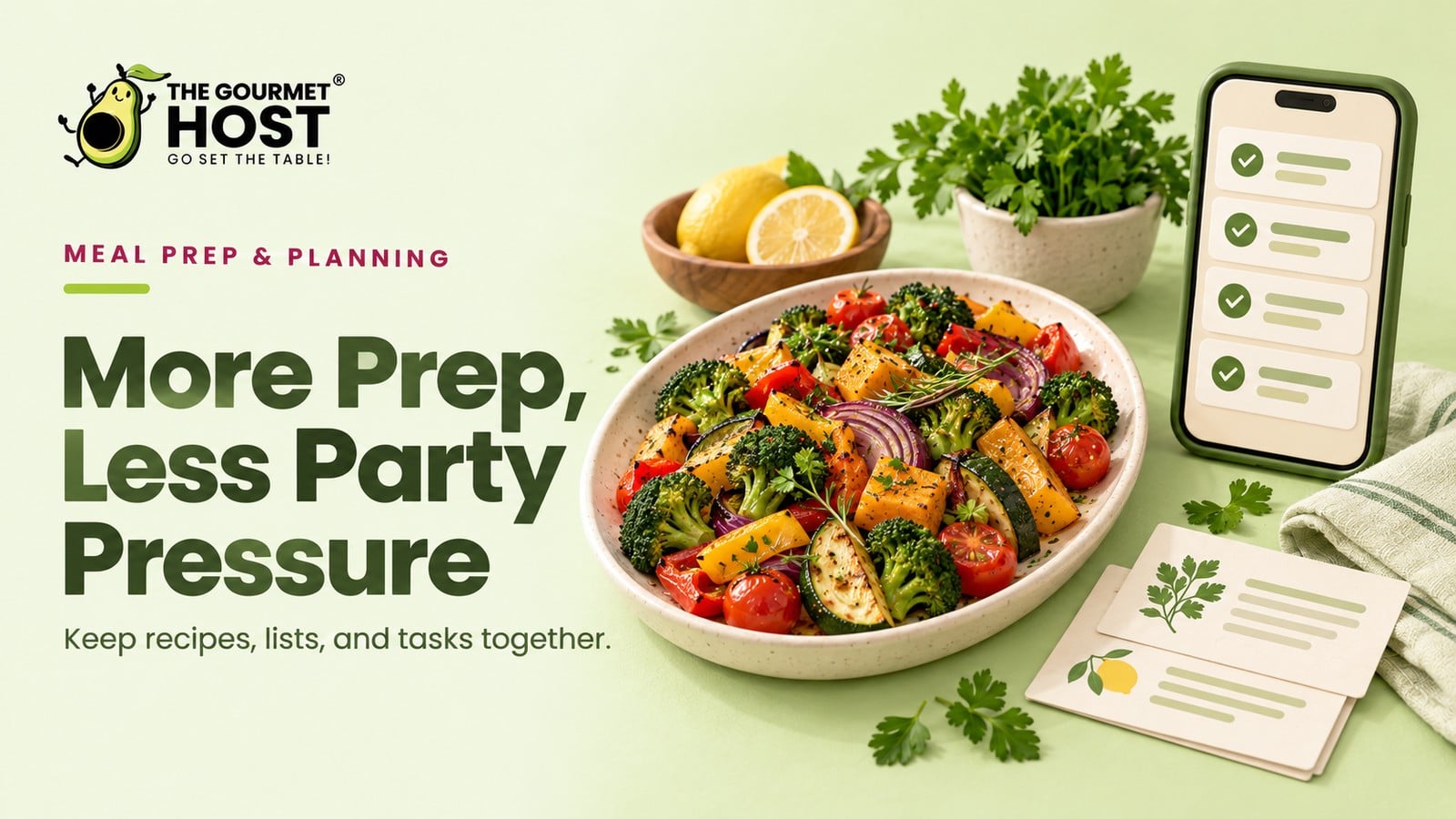
Planning a dinner party for a group requires juggling recipes, grocery lists, and guest preferences. A meal prep app keeps your cooking schedule organized while tracking attendee dietary needs.
You will discover exactly how to prep side dishes early and manage batch cooking for larger crowds. Your next gathering will feature relaxed conversation instead of frantic kitchen scrambling.
At a Glance
- Securing your menu early eliminates decision fatigue and rushed grocery runs.
- Preparing side dishes days in advance leaves you free to pour welcome drinks.
- Freezing pizza dough and batch components handles large crowds with minimal effort.
- Tracking food allergies digitally keeps all guests safe without drawing awkward attention.
What a meal prep app means for modern hosts
Using a meal prep app for a dinner party means shifting your focus from daily lunches to coordinated group dining. You rely on digital tools to select recipes and generate unified shopping lists, checking serving quantities yourself for up to a dozen guests.
This approach replaces scattered paper lists and text message threads with a single source of truth for your event. Home hosts often confuse this concept with basic recipe aggregators or calorie trackers.
The difference between a standard recipe site and a dedicated hosting app is the focus on social logistics. A dedicated hosting platform manages RSVPs, records guest dietary notes, and helps you split ingredient costs. It coordinates the details of gathering people together so your focus stays on sharing good food and warm hospitality.
How Can Planning Your Menu Ahead Save Time and Stress?
Deciding what to serve consumes a massive amount of your time as a host. By locking in your menu early, you eliminate decision fatigue and ensure you have ample time to prep welcome drinks, side dishes, and the main course without last minute scrambling.For more preparation ideas, see Easy Oven Dinners: Hands-Off Meals for Busy Weeknights.
Planning your meals reduces the friction of hosting. A survey conducted by Wolf revealed that nearly 28 percent of adults spend over an hour debating dinner options before opting for takeout. Applying that same hesitation to a dinner party for eight creates unnecessary panic.
When you secure your menu ahead of time, you stop worrying about logistics. You gain the freedom to focus on tabletop decor and playlist curation.
Organizing your kitchen tasks into manageable phases ensures your kitchen stays clean when the first guest knocks. Knowing exactly what you will cook stops you from overbuying at the grocery store. Creating a digital outline holds you accountable to your timeline.
You need a structured approach to visualize your weekly cooking phases. Reading through 7 Printable Weekly Meal Planner Tips for Home Hosts offers great strategies for mapping out your signature cocktails days in advance.
A solid plan gives you a clear roadmap for the entire week leading up to the event. Having this roadmap prevents you from making multiple trips to the supermarket. You can consolidate your shopping into a single trip, saving hours of valuable time.
Schedule your grocery run three days before the event to secure hard to find specialty ingredients.
|
Plan Your Menu Together |
Why Should You Prep Side Dishes and Main Components Early?
Breaking down your cooking tasks prevents kitchen chaos when your guests finally arrive. Preparing sides, sauces, and marinades well ahead of time ensures you are not frantically chopping vegetables while trying to pour welcome drinks, allowing you to actually enjoy the gathering.For more preparation ideas, see Ingredient Substitutions Every Home Host Should Know.
Handling prep work early guarantees you spend time with your friends rather than your cutting board.
This method is common in many culinary traditions. In traditional Japanese meal prep, jobisai refers to ready side dishes kept on hand while tsukurioki refers to main components prepared in advance. Adopting this framework keeps your counters clear.
Preparing side dishes early also allows flavors to meld. Vinaigrettes, roasted root vegetables, and marinated proteins often taste better after resting for 24 hours. You simply pull the dishes from the refrigerator when it is time to eat.
This transforms your hosting experience from a frantic sprint into a relaxed presentation. You can organize these tasks using 7 weekly meal planner templates for easy hosting to highlight exactly which components survive well in the fridge.
Writing out your timeline helps you identify the hidden pockets of time available on Tuesday or Wednesday. You will notice that many sides require minimal active attention once chopped.
Identify two items on your menu that require no heat and prepare them entirely the day before your party.
How Does Batch-Prep Help Manage Larger Dinner Parties?
When hosting up to a dozen guests, cooking everything from scratch on the day of the party invites disaster. Batch preparing freezer friendly elements ahead of time allows you to scale portions effortlessly, leaving you free to focus on table decor.For more preparation ideas, see Mixed-Diet Dinner Party Day-Of: A Host’s Playbook.
Scaling recipes up for a crowd means handling massive quantities of ingredients. Prepping base sauces or stews in bulk days before the gathering breaks this massive task into short sprints.
Efficient cooking techniques yield massive results quickly. Batch preparing five freezer friendly recipes in under an hour can yield up to 20 individual meal servings. Building your menu around batch cooking means your main course simply needs reheating on Saturday evening.
Lasagna, braised short ribs, and hearty curries all freeze beautifully and require zero active cooking when your friends are present. This strategy ensures you serve hot, complex meals to large groups with minimal effort.
Utilize 7 Weekly Meal Planner Recipes for Host Success to schedule your batch cooking sessions earlier in the week. Keep the recipe serving count with your menu, then calculate quantities for your confirmed headcount. Check cooking times and food temperatures separately when increasing a batch.
Double the recipe for your primary sauce or soup base during a quiet weekday evening and freeze the extra portions for event day.
|
Hosting Tip: separate wet and dry ingredients. |
How Can You Keep Make-Ahead Foods Fresh Until Serving?
Prepping early only works if the food tastes fresh when plated. Understanding storage times and assembly tricks is critical. Keeping wet ingredients separate from dry components prevents soggy textures, and knowing the exact shelf life of raw proteins prevents dangerous spoilage.For more preparation ideas, see The Best Apps to Split Bills and Group Food Costs.
Food safety dictates your entire timeline.
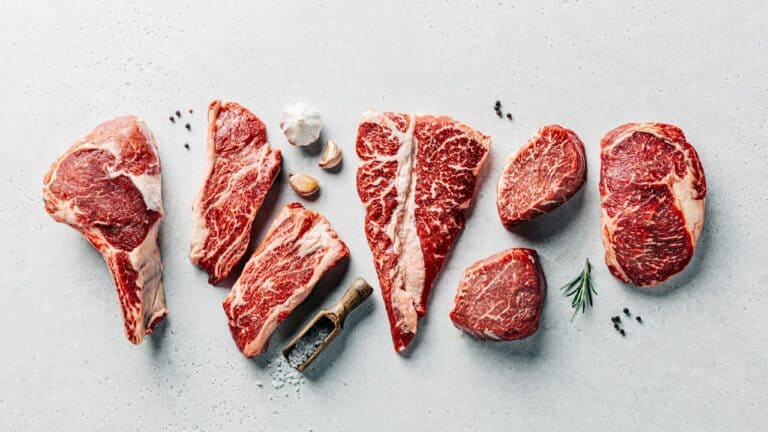
Uncooked ground meat, poultry, and fish should only be kept in the refrigerator for 1 to 2 days before cooking or freezing. Buy your fish the morning of the party or freeze it immediately upon purchase.
Texture matters just as much as safety when serving guests. Meal prepped sandwiches should be assembled on the day of consumption to avoid sogginess. Keep your salad dressings in a small jar and toss the greens only when your friends sit down to eat.
Finding 8 Ways An App For Meal Prep Upgrades Your Dinner Party offers ways to organize your preparation. Record storage dates yourself and follow the food-safety guidance for each ingredient.
| Component Type | Prep Action | Safe Fridge Lifespan | Assembly Timing |
|---|---|---|---|
| Raw ground meat | Season and portion | 1 to 2 days | Cook immediately after removing |
| Leafy greens | Wash and dry | 3 to 4 days | Toss with dressing at the table |
| Vinaigrettes | Emulsify in jar | 5 to 7 days | Shake vigorously before pouring |
| Sandwich breads | Slice and toast | 1 day | Build just prior to serving |
Store delicate herbs wrapped in a damp paper towel inside a plastic bag to keep them crisp until garnish time.
Health Canada recommends refrigeration at 40°F (4°C) or below and prompt cooling in shallow containers. Refrigerate perishables within two hours, or one hour above 90°F (32°C); reheat leftovers to 165°F (74°C). Freeze cooked portions intended beyond their two-to-three-day refrigerated storage window.
Can You Prep Homemade Pizza Dough for Group Dinners?
Hosting an interactive pizza night engages guests brilliantly, but making dough from scratch while they wait takes too long. Freezing pre-made dough ensures you have artisan quality bases ready to thaw and bake the moment the party starts.For more preparation ideas, see The Gourmet Host vs Paprika: Recipe Manager Showdown.
Pizza parties thrive on speed and customization. Your friends want to stretch the dough and pile on toppings immediately. Managing yeast and rise times while pouring drinks creates unnecessary friction.
Creating your dough balls weeks in advance solves this timing issue completely. Freezing dough requires one simple adjustment to your standard recipe. Substituting 2 to 3 tablespoons of recipe water with oil in pizza dough reduces ice crystal formation during freezing to protect yeast and gluten structures.
This works because oil prevents moisture from turning into ice.
Building a toppings bar becomes your only remaining task. You can chop peppers, slice mushrooms, and grate cheese long before the doorbell rings. Setting out small bowls of specialized ingredients allows everyone to build their perfect meal independently.
This approach balances homemade quality with genuine convenience. You avoid the powdery flour spills on your counters while still delivering an exceptional dining experience.
Mix your dough balls up to a month in advance, wrap them tightly in plastic, and move them to the fridge to thaw the day before the party.
How Do You Manage Guest Allergies and Dietary Needs?
Nothing halts a dinner party faster than an unexpected food allergy. A well prepared host tracks dietary restrictions during the RSVP phase, ensuring the menu accommodates everyone safely without making any guest feel singled out, overlooked, or left hungry during the meal.
Cooking for a diverse group means accounting for gluten intolerance, nut allergies, and vegan preferences. Guessing these requirements at the grocery store leads to wasted food and uncomfortable table conversations. Requesting this data up front shows your friends you care about their well being.
Digital tools take the awkwardness out of dietary requests. Your invitations should prompt guests to list their needs privately.
This gives you plenty of time to source alternative ingredients or adjust your main courses.
You can easily substitute dairy based sauces for cashew cream when given enough notice.
A 2017 study from the University of Paris found that individuals who plan their meals are significantly less likely to be obese, showing that structured food planning yields powerful health benefits. Applying that same thoughtful structure to your dinner party protects your vulnerable guests from cross contamination.
Request dietary preferences directly on your digital invitations, then review recipes, labels, and preparation methods with the guests concerned.
|
Share the Preparation |
How The Gourmet Host Helps You Master Meal Prep
Planning a gathering for 4 to 12 guests involves much more than picking a recipe. It requires coordinating grocery runs, tracking RSVPs, managing guest allergies, and sharing the cost of expensive ingredients. Traditional weekly meal planner recipes focus solely on the food, ignoring the social mechanics of hosting.
That is where a dedicated meal prep app like The Gourmet Host steps in.
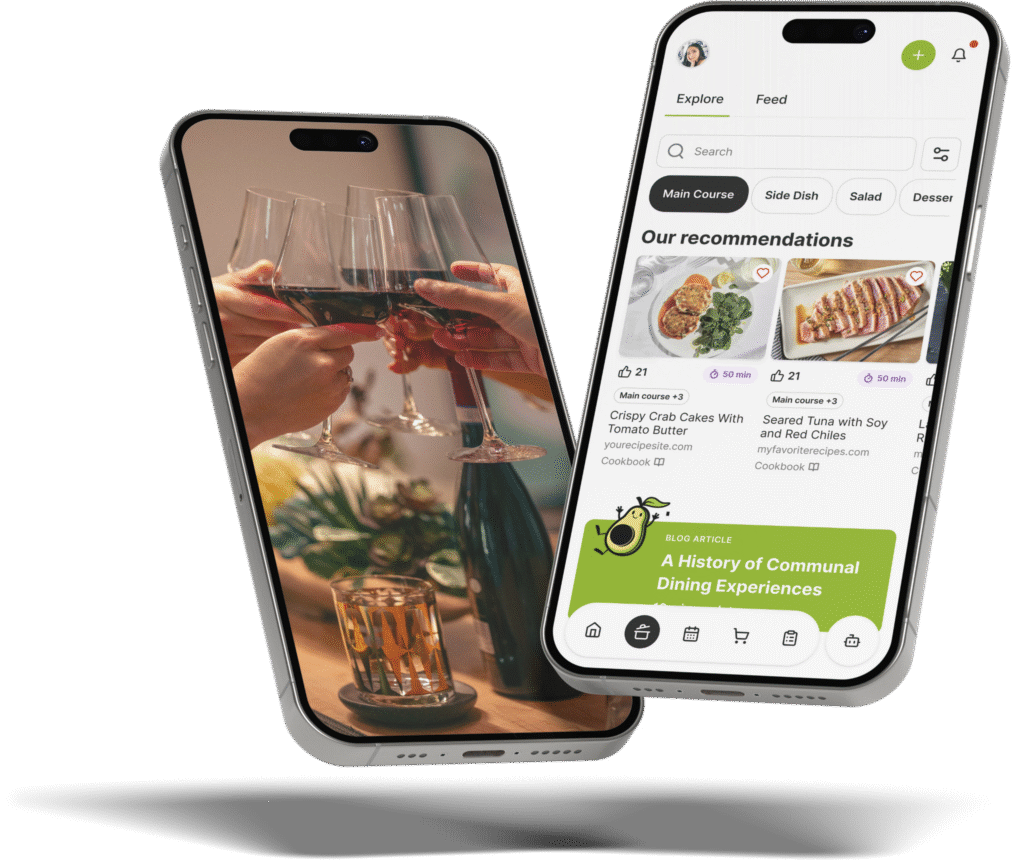
Instead of juggling notes, complicated spreadsheets, and disjointed recipe links, you centralize your entire gathering. Start by building an interactive event page to set the theme and share the menu with your attendees. The Gourmet Host app keeps guest dietary notes alongside your menu so you can review ingredients and choose suitable replacements before the gathering.
When it comes to execution, you can browse over 500 test kitchen recipes and organize your favorites in a personal collection.
The system instantly generates a synced shopping list for you. If you need help preparing, the app makes it easy to invite co-hosts, assign specific dishes, or delegate drink duties.
You can also use the built in cost splitter to handle post party finances smoothly. With the logistics out of the way, you can focus on pouring the welcome drinks, sharing a memorable toast, and enjoying the company of your guests. Start organizing your next dinner party today with The Gourmet Host mobile app.
Frequently Asked Questions
What is the best app to plan a dinner party?
The Gourmet Host mobile app provides exceptional tools for organizing group dinners. It allows you to build an interactive event page, track RSVPs, and collect guest dietary notes for the host to review. Users can import recipes, generate synced shopping lists, and split ingredient costs with co-hosts directly through the platform.
How far in advance should you prep for a dinner party?
You should begin preparing for a dinner party three to four days in advance. Grocery shopping and batch cooking sauces should happen early in the week. Side dishes and marinades work best when prepped 24 hours before the event, leaving only final assembly for the day of the gathering.
How do you plan a menu for 12 guests?
Planning a menu for 12 guests requires selecting scalable, freezer friendly recipes like lasagna or braised short ribs. Avoid dishes that require individual pan searing or last minute attention. Focus on bulk side dishes, a large batch signature cocktail, and desserts that can be baked entirely a day prior.
What is the easiest meal to prep for a large group?
A customizable taco bar or a slow cooked pulled pork spread offers the easiest meal preparation for a large group. Both options allow you to batch cook the primary proteins days in advance. Guests enjoy assembling their own plates, which completely removes the need for formal, individualized plating.
How do you split the cost of a group dinner?
You can split the cost of a group dinner by using a dedicated digital tool like The Gourmet Host. The app features a built in cost splitter that lets you track shared event expenses and split agreed costs among participants. This eliminates awkward conversations and ensures all co-hosts contribute equally to the ingredient budget.
How do you keep prepped food from getting soggy?
You keep prepped food from getting soggy by storing wet and dry components in separate airtight containers. Leafy greens should be washed, dried completely, and kept away from vinaigrettes until serving time. Sandwiches and delicate appetizers must only be assembled minutes before your guests are ready to eat.
Continue Reading:
More On Meal and Menu Planning Apps
- 8 Ways An App For Meal Prep Upgrades Your Dinner Party
- 7 Weekly Meal Planner Recipes for Host Success
- 7 weekly meal planner templates for easy hosting
- 7 Printable Weekly Meal Planner Tips for Home Hosts
- 1 Easy 7 day family meal plan For Home Hosts
More from The Gourmet Host
- Easy Oven Dinners: Hands-Off Meals for Busy Weeknights
- Ingredient Substitutions Every Home Host Should Know
- Mixed-Diet Dinner Party Day-Of: A Host’s Playbook
- The Best Apps to Split Bills and Group Food Costs
- The Gourmet Host vs Paprika: Recipe Manager Showdown
Explore TGH Categories