Easy Gluten-Free Dinner Recipes for Family Parties
 15 min read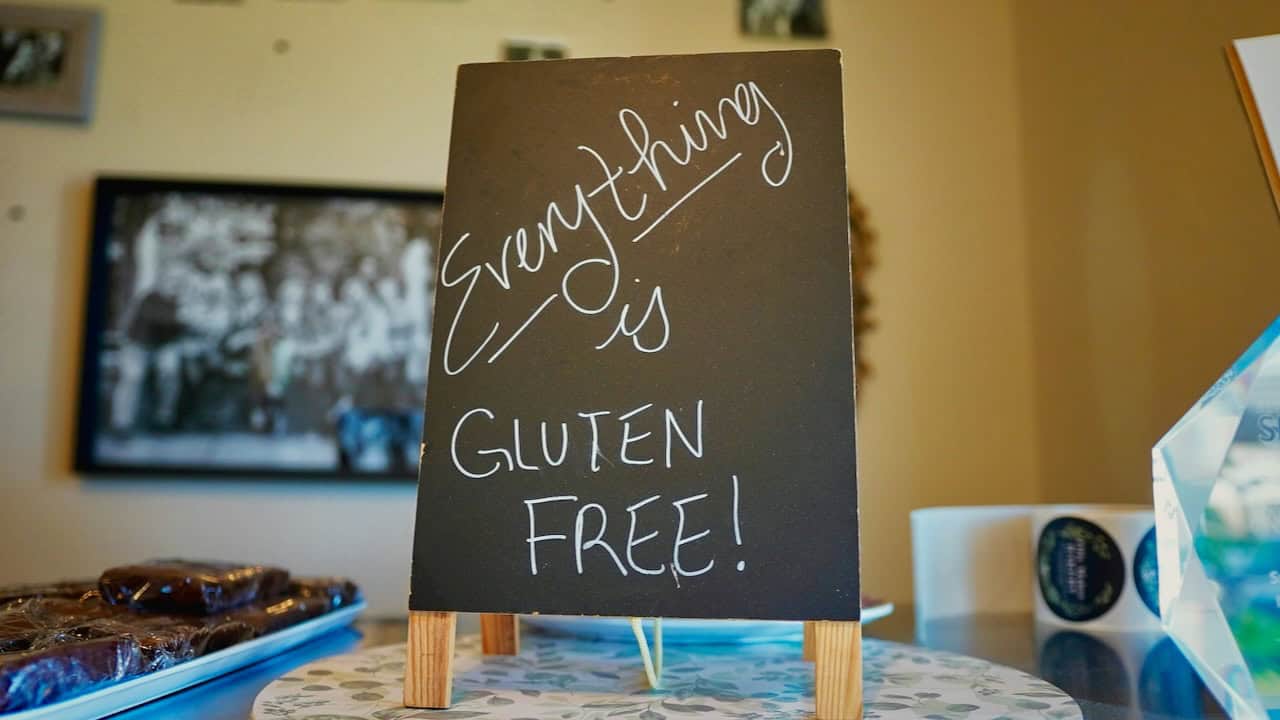
Gluten-free dinner parties aren’t built by swapping the pasta. They’re built around the dishes that were never going to use flour in the first place — risotto, roasted chicken, polenta, ground beef chili, a salmon traybake with garlicky greens on the side. The reframe is the whole game.
Once the menu starts from the already-gluten-free canon, the swap-driven version disappears — and so does the moment when a guest looks down and reads the plate as a special case.
The instinct most hosts work from is the substitution one: buy gluten-free pasta, find a gluten-free bread, redo the dessert. That instinct produces compromised plates the host can feel and the table can taste.
What follows: the gluten-free dinner-party canon (Italian risotto, Mediterranean grain bowls, French braises), the wheat-default pantry traps (soy sauce, oats, malt vinegar, stock cubes), the narrow set of moments substitutes still earn the plate, the cross-contamination practice for an everyday home kitchen, and what changes if the guest has celiac, not sensitivity.
At a Glance
- Build the menu from already gluten-free dishes (risotto, roasts, polenta, rice bowls, slow cooker stews, free dinners by structure) so no plate looks swapped-out.
- Audit the pantry for hidden gluten — soy sauce, oats, store-bought stock, malt vinegar, seasoning blends, marinades.
- Reserve substitutes (gluten-free pasta, breadcrumbs, bread on the table) for the narrow set of moments where they’re the right call.
- Run a clean lane in the kitchen — separate cutting board for bread, fresh wooden spoon for the gluten-free pot, a clean colander, a clean stick of butter.
- Ask one question before the invitation closes: celiac or sensitivity? The answer changes the cross-contamination practice, not the menu.
- Close with a dessert that’s gluten-free by structure — flourless chocolate cake, panna cotta, fruit pavlova, crème brûlée — and skip the swap entirely.
What Is a Gluten-Free Dinner Party Menu?
A gluten-free dinner party menu is a meal designed so every plate at the table is safe for a guest who avoids wheat, barley, and rye — without anyone reading a single dish as the gluten-free version. The hosting goal isn’t recipe substitution; it’s menu construction around dishes that were already gluten-free before the guest list closed. Unlike a weekday family dinner where the gluten-free guest gets a swap or a separate plate, a gluten-free dinner party menu is built course-by-course from a compliant base, leaving room for substitutes only where they earn the plate.
When the Gluten-Free Guest Gets the Visibly Different Plate
There’s a moment at most dinner parties when the gluten-free guest looks down and reads the plate before tasting it. The pasta is wheat for everyone else; theirs is a different color, a different shape, often a different sauce because the host couldn’t trust the cross-contact. Everyone notices.
The guest reads the moment as the host’s effort and as their own dietary problem at the same time — exactly what the host wanted to avoid.
The instinct to swap one dish out of an otherwise wheat-based menu is what produces that moment.
Coeliac disease affects roughly 1 in 100 people and untreated exposure can damage the small intestine, which is part of why the swap instinct exists. The fix isn’t more careful swapping; it’s a menu where the swap was never needed.
The Three Reads on a Compromised Plate
- The guest reads accommodation — the plate tells them the host noticed and adjusted, and the adjustment lands louder than the meal.
- The host reads stress — half the dinner runs on the regular timeline, the other half on the GF-compliance timeline.
- The table reads diet food — even an excellent gluten-free swap reads as a lighter version when it’s the only such dish on the table.
|
Cook The Whole Menu Gluten Free |
Cook the Whole Menu Gluten-Free — Dinners You Already Make Qualify
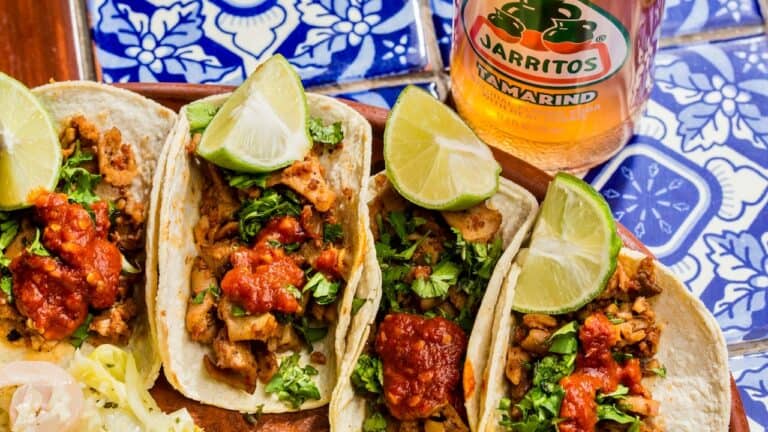
The single biggest reframe for the home host: many of the dinners a family already cooks on rotation are gluten-free or one swap away from it. A slow cooker beef stew over rice. A sheet-pan salmon with roasted vegetables. Ground beef chili with corn tortilla chips on the side. Risotto. Polenta with sausage and peppers. Carnitas tacos on corn tortillas. None were ever about wheat — they were about the protein, the aromatics, and the sauce.
Building from this direction means starting the planning with dishes already in the family’s rotation and editing forward, not last weekend’s dinner-party menu and editing back. BBC Good Food’s gluten-free dinner collection and Olive Magazine’s gluten-free dinner ideas are both built around dishes that are gluten-free by structure rather than substitute-based — the recipe shelf to start from.
Easy Gluten-Free Dinner Recipes for Family That Scale to a Party
Easy gluten-free dinner recipes for family hosting share a pattern: one main pan or pot, one starch the whole table eats (rice, polenta, potatoes), one big vegetable side, a sauce that doesn’t depend on a roux.
The Italian Dinner Party Menu: A Complete Host’s Guide is one of the most useful libraries for gluten-free hosting — the canon is risotto, polenta, osso buco, frittata.
- Slow cooker beef stew or chili over rice — a family favorite that already qualifies for a gluten-free diet with single-ingredient spices.
- Risotto with seasonal vegetables — the gluten-free pasta dishes that aren’t gluten-free pasta at all.
- Sheet-pan chicken thighs with roasted potatoes — an easy dinner recipe and one of the easy weeknight dinners that scale to 8.
- Baked salmon with rice and greens — easy gluten-free recipes that read as a healthy meal and a main course.
- Instant pot lentil dal with basmati — gluten-free meals built on rice and pulse, a fast easy recipe for a weeknight.
Among favorite gluten-free dinner recipes, ground beef carries the most family-friendly weight — tacos on corn tortillas, meatballs over polenta (almond meal binder, not breadcrumb), bolognese with a creamy sauce thickened by cornstarch instead of flour.
Taste of Home’s gluten-free dinner collection runs the same playbook — already-GF first, substitutes second.
Three Course Slots, Re-Cast for One Menu Tonight
Course casting for a gluten-free dinner party works best when the appetizer, the main course, and the side each come from a format that’s gluten-free by structure — and the dessert follows the same rule. Three slots, three picks. Eight to ten people, one timeline, no swaps.
The Appetizer Slot
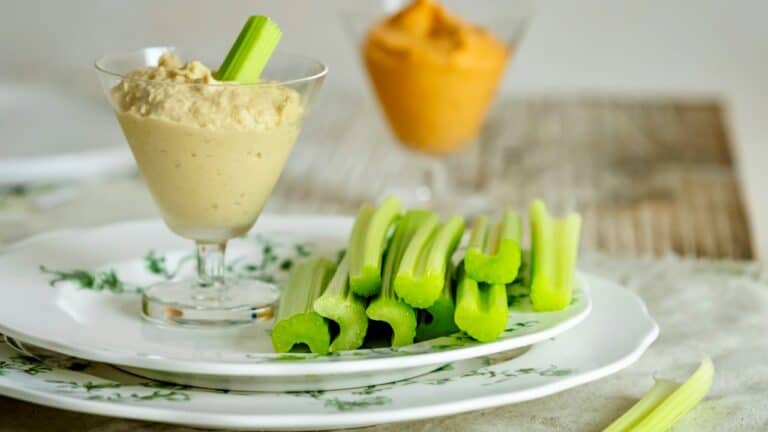
Skip the bread basket. The slot rewards anything built on vegetables, cheese, or rice paper rather than flour — a burrata-and-stone-fruit board with prosciutto, a tray of blistered shishito peppers with flaky salt, marinated olives and Marcona almonds, or rice paper summer rolls with peanut dipping sauce. None advertise their gluten-free-ness. Crackers are the trap; the better default is no cracker at all.
How to Host a Dinner Party Your Friends Will Love walks the same playbook on opening courses.
The Main Course Slot
- Italian risotto. Saffron, mushroom, or asparagus — the rice carries everything. Build with stock you’ve made or verified as gluten-free.
- Mediterranean roast. Bone-in chicken thighs over potatoes, lemon, olives, and rosemary in one pan — a tender chicken main with no flour anywhere.
- French braise. Coq au vin with mushrooms and pearl onions, finished with a cream-and-cornstarch creamy sauce in place of a flour-thickened one.
- Slow cooker option. Pulled pork or short ribs with a chipotle-and-tomato sauce, served over polenta or rice — a slow cooker route with no last-hour scramble.
- Instant pot option. Coconut-milk Thai curry — chicken or chickpea — with jasmine rice, ready in 30 minutes from a busy nights weeknight pantry.
The Side Slot
The side does most of the silent work at the dinner table. Garlicky sautéed greens, a roasted-carrot-and-yogurt plate, a citrus-shaved-fennel salad, or charred broccoli with anchovy and lemon carry the main without leaning on a second starch. The gluten-free dinner ideas that survive the hosting test are the ones the guest doesn’t recognize as gluten-free in the first place.
|
Hosting Tip: Audit the Pantry Before Prep Starts |
Pantry Traps: Soy Sauce, Stocks, Spice Blends, and the ‘Surely It’s Fine’ List
The dishes are gluten-free by structure; the pantry isn’t. The traps live in the ingredients that look innocent — the bottle of soy sauce in the fridge door, the box of stock on the shelf, the seasoning packet from a spice rack. Each one carries wheat by default unless the label says otherwise.
The Five Traps Most Home Hosts Miss
- Soy sauce. Standard soy sauce is brewed with wheat. Use tamari (traditionally made without wheat — check the certified gluten-free mark) or coconut aminos for stir-fries, marinades, and dipping sauces.
- Stock, broth, and bouillon cubes. Many supermarket stocks contain wheat as a thickener or as part of a yeast extract. Buy a stock labeled gluten-free or make stock from scratch with bones, vegetables, and a bay leaf.
- Oats and granola. Plain oats are gluten-free by nature but almost always processed in facilities that handle wheat. Buy certified gluten-free oats; the certification is the only reliable signal.
- Malt vinegar, malt extract, malt syrup. Malt is made from barley, which carries gluten. Skip malt vinegar entirely (cider, sherry, or red wine vinegar); read labels on dressings, sauces, and even some chocolate.
- Spice blends and seasoning packets. Pre-mixed taco seasoning, curry powder blends, and steak rubs sometimes carry wheat starch as an anti-caking agent. Use single-ingredient spices and build the blend yourself.
The FDA’s gluten-free food labeling rule sets the legal threshold for ‘gluten-free’ at under 20 parts per million — a useful calibration when reading labels. The Gluten Intolerance Group’s primer on the gluten-free diet keeps a maintained list of safe and unsafe ingredients worth scanning before the first grocery store run.
The audit itself takes 10 minutes. Pull the bottles, sauces, and packets that will touch the menu, read the labels, replace anything that doesn’t pass before the prep starts — not at 6 PM with guests due at 7. Free options exist for every category once the labels are sorted, so the morning-of pass is the highest-impact move.
Gluten-Free Pasta, Bread, and Crumbs That Earn the Plate
Some hosts will hit a moment where a substitute is the right call — pasta night where pasta is the whole point, bread on the table because the menu needs it, a breaded cutlet where the crumb does work the protein can’t. In those narrow cases the substitute earns the plate. Outside them, the already-GF direction wins.
Gluten-Free Pasta That Doesn’t Telegraph the Swap
Brown-rice and corn-blend gluten-free pasta brands cook close enough to wheat texture that most guests won’t notice — provided two rules hold. Pull the pasta a full minute earlier than the box says; gluten-free pasta blooms fast and tips into mush. Finish in the sauce, not in a colander; the starch on the surface needs the sauce to grip.
Bon Appetit’s gluten-free pizza crust recipe uses the same logic — the dough is a stand-alone, not a wheat impersonation.
Bread on the Table, Without the Awkward Basket
If bread is on the menu, every bread on the table is gluten-free — full stop. A single gluten-free roll in a basket of regular bread reads as the consolation roll. Warm a good-quality gluten-free loaf in foil at 350°F for eight minutes, slice it thick, serve it with cultured butter and flaky salt.
King Arthur’s gluten-free baking guide is the home-bake fallback if shopping isn’t an option.
Three Substitutes That Pass the Plate Test
- Almond flour and Parmesan coating: 50/50 mix on chicken thighs, oven-baked at 425°F for 22 minutes — crisps and browns without reading as a substitute.
- Crushed cornflake crumb: verify certified gluten-free; works as a coating on baked fish or as a topping on a creamy sauce gratin.
- Panko-style gluten-free crumbs: a direct one-for-one for any standard panko application — meatballs, breaded cutlets, casserole topping.
The NHS treatment guidance for coeliac disease reinforces what the cooking is already doing — substitutes are a tool, used precisely, not a habit. Pick the one substitute the menu needs and let the rest of the table go already-GF.
|
Save The Substitutes That Work |
What’s the Easiest Way to Avoid Cross-Contamination in a Home Kitchen?
A clean lane, not a clean room. Cross-contamination in a home kitchen is solved by running the gluten-free prep through tools that haven’t touched wheat — not by stripping the kitchen of everything wheat-adjacent. The practice scans in under five minutes.
The Five-Step Clean Lane
- Use a separate cutting board for any bread, breaded items, or wheat-flour dusting. Plastic is fine; wood and bamboo trap crumbs.
- Keep a clean wooden spoon and clean colander reserved for the gluten-free pot. The colander matters most — wheat starch loves the mesh.
- Use a fresh stick of butter that hasn’t met a knife with toast crumbs on it. The shared butter dish is the most common home-kitchen miss.
- Toast gluten-free bread on aluminum foil in the oven instead of the shared toaster. The shared slot holds onto crumbs for months.
- Plate the gluten-free dish first, before any bread or wheat pasta hits the counter. Crumbs travel — the GF plate goes out clean if it goes out first.
Celiac vs Sensitivity: One Question Sets the Practice
The practice shifts when the guest is celiac rather than gluten-sensitive. Celiac requires stricter cross-contact controls because trace exposure causes intestinal damage even when no symptoms appear. The one-question script the day the invitation goes out — ‘is it celiac or sensitivity?’ — drives the answer. Sensitivity tolerates a shared butter dish when the diner picks carefully; celiac doesn’t. The menu doesn’t change between them; the kitchen practice does.
Two adjacent hosting environments make the practice easier — How to Host Your First Dinner Party With Ease covers the broader prep-flow that lets the clean lane fit cleanly into the timeline, and How to Host a Backyard Dinner Party Worth Talking About applies the same thinking outdoors.
An Italian Themed Dinner Party runs an especially clean GF lane because most of the canon — risotto, polenta, osso buco, frittata — was already there.
Full sequence: confirm celiac vs sensitivity at invitation, audit the pantry the morning of, run the clean lane during prep, plate the gluten-free dish first at service.
Five minutes of upfront work, no compromise on the plate.
Frequently Asked Questions
Q1. What’s the easiest gluten-free dinner to serve a family without it feeling like a substitute?
A slow-cooker beef stew or chili over rice is the easiest gluten-free dinner that doesn’t read as a substitute. Both are gluten-free by structure if you use single-ingredient spices, gluten-free soy sauce or tamari for any umami boost, and a certified gluten-free stock. The whole family eats one pot, no swaps, no second menu.
Q2. Do I have to buy gluten-free pasta to host a gluten-free guest?
Not always, but if pasta is the centerpiece, yes. Brown-rice and corn-blend gluten-free pasta brands now cook close to wheat texture if you pull them a minute early and finish in sauce. For most dinner parties, swapping pasta night for risotto, polenta, or a rice-based main keeps the menu compliant with no compromise.
Q3. Is soy sauce gluten-free?
Standard soy sauce is not gluten-free. It’s brewed with wheat. Use tamari instead, a Japanese-style soy sauce made without wheat; check the label for a certified gluten-free mark. Coconut aminos work as a soy-free, gluten-free alternative in marinades, stir-fries, and dipping sauces, though they read slightly sweeter.
Q4. What are easy gluten-free dinner ideas the whole family will actually eat?
Easy gluten-free dinner ideas that read as family favorites include slow-cooker ground beef chili, sheet-pan chicken thighs with roasted potatoes, taco night with corn tortillas, baked salmon with rice, and beef-and-vegetable stew over polenta. All are gluten-free by structure, scale for a crowd, and don’t require specialty ingredients.
Q5. How do I avoid cross-contamination in a home kitchen?
Use a separate cutting board for any bread or breaded items, a clean wooden spoon and colander for the gluten-free pot, and a fresh stick of butter that hasn’t met a knife with crumbs. Toast gluten-free bread on aluminum foil in the oven, not the shared toaster. You don’t need a clean room. You need a clean lane.
Q6. What gluten-free dessert can I serve that doesn’t look gluten-free?
Flourless chocolate cake, panna cotta, fruit pavlova, or vanilla bean crème brûlée. All are gluten-free by structure and read as proper dessert, not as the free-of option. For something simpler, a bowl of macerated strawberries with whipped cream and a meringue shard looks like a restaurant plate in twenty minutes.
Continue Reading:
More On Dietary Diversity
- How to Host a Mixed-Diet Dinner Party Confidently
- Easy Dairy-Free Dinner Recipes the Whole Table Loves
- Gluten-Free Dairy-Free Dinner Recipes: A Host’s Guide
- Dairy-Free Dessert Recipes Every Guest Will Love
- Easy Vegan Dinner Recipes for an Omnivore Table
- How to Ask Guests About Dietary Restrictions: Scripts
- One Dinner Party Menu That Works for Every Diet
- Mixed-Diet Dinner Party Day-Of: A Host’s Playbook
More from The Gourmet Host
- Non-Alcoholic Drink Pairing: Match Flavors to Any Meal
- Tapas Ideas: 5 Spanish Small-Plates Host Spread
- The Complete Cooking Techniques List for Confident Home Hosts
- Best Appetizers for a Crowd That Scale to Any Guest Count
- Minute to Win It Games for Adults (25 Funny Picks)
Explore TGH Categories
- Set the Scene
- Drinks and Bar
- Plan the Meal
- Engage with Guests
- Games and Toasts
- Tools and Techniques
- Why We Gather