Easy Dairy-Free Dinner Recipes the Whole Table Loves
 17 min read
Can a single dairy-free dinner — one menu, one timeline, one set of plates — feed both a dairy-free guest and a table of omnivores without anyone eating around something?
Yes, if the menu is built around dishes that were never going to use dairy in the first place. Coconut-milk curries, slow-braised short ribs, olive-oil pastas, and salt-crusted roasts all read as dinner-party food and contain zero dairy products by design.
Working dairy free recipes for dinner this way is less a substitution problem than a menu design problem — choose the right mains and the swaps become almost invisible.
y the end of this page, you’ll have a working taxonomy of dairy-free dinner formats, three swaps that cover the rest, a full appetizer-to-main party menu, and the language to mention the dairy-free angle at the table without singling out the guest the menu was built to welcome.
At a Glance
- One dairy-free menu serves the whole table — no parallel plate, no signaling, no separate kitchen timeline.
- Five recipe categories — braises, sheet-pan roasts, coconut-milk curries, oil-based pastas, and grain bowls — cover most dinner-party occasions.
- Three swaps handle the rest: coconut milk for cream, olive oil for butter, and a quick cashew cream for parmesan and yogurt.
- A true dairy allergy is a different host job than a dairy-free diet — read labels for whey, casein, and ghee.
- Mention the dairy-free angle once at the table, then move on. The food should do the talking.
What Is a Dairy-Free Dinner Menu?
A dairy-free dinner menu is designed to be served to a dairy-free guest and a table of omnivores from the same pots, plates, and sequence — built around mains that are dairy-free by design rather than rebuilt from cream-based recipes. The host’s job is less about hiding the absence of butter and cheese than about choosing dishes — coconut-milk curries, oil-based pastas, slow-braised proteins — where dairy was never the structural ingredient. Done well, the menu reads as a confident party menu first and a dietary accommodation second, with no one at the table sorting “the dairy-free version” from the real food.
The Dairy-Free Guest Problem No Host Sees Coming
The dairy-free guest RSVPs yes, and suddenly the dinner you planned is studded with milk solids you forgot were there. Butter in the mashed potatoes, cream in the pasta sauce, parmesan on the salad, a knob of butter melted into the rice for shine.
Dairy hides in places most home cooks stopped noticing years ago, which is why a single dairy-free guest reshapes the whole menu, not just one plate.
This is where most hosts make the wrong call: they assume the fix is a separate plate for the dairy-free guest while everyone else eats the original menu. That instinct fails for two reasons.
The plate signals “you needed special accommodation,” which the guest probably wants to avoid feeling, and it doubles your kitchen timeline because you’re now cooking two parallel mains.
A clearer way to read the situation:
- Dairy isn’t load-bearing in most recipes — it’s habit. Butter in the rice, cream in the soup, cheese on top: each one a finish, not a foundation.
- Dishes built without dairy from the start outnumber the ones that need swaps — most braises, most sheet-pan dinners, most stews, most roasts.
- The host’s planning move happens before the shopping list — choose mains that clear the bar from the start, and the swaps shrink to a handful of finishing touches.
The Cleveland Clinic estimates roughly 65% of adults worldwide have some reduced ability to digest lactose, which means the dairy-free guest at your table is closer to the population norm than the outlier the menu treats them as.
The planning question then becomes simpler: not “how do I work around her,” but “what dinner reads as a dinner party and happens to be dairy-free?”
One Menu, Every Plate: Why You Should Cook Dairy-Free for the Whole Table
Cooking one dairy-free dinner for the whole table is the lower-effort move, not the higher one. Two parallel menus means two ingredient lists, two timelines, two sets of pans on the stove, and the silent math of which guest gets which plate. One menu — designed dairy-free from the start — collapses all of it into a single dinner the host gets to attend.
The dinner-party effect of a shared menu is also stronger than hosts tend to expect. When chefs talk about cooking for dietary needs, they describe the same principle: the goal isn’t the workaround, it’s a dish that holds up on the table as a dish.
A coconut-milk braised chicken thigh is not the dairy-free option — it’s the main course. Omnivores reach for it before they notice what’s missing.
A few host moves that make the one-menu framework work:
- Choose the strictest dish at the table as your base — if the guest is dairy-free, the whole table eats the dairy-free version, no asterisk.
- Use dairy add-ons sparingly — a side dish of butter-finished bread or a bowl of grated cheese on the table is fine, as long as the main does not require it.
- Cook everything in one pan whenever possible — fewer surfaces means fewer cross-contact risks for guests who also have a dairy allergy.
The shift is from cooking around a constraint to cooking toward a dish. By the time guests sit down, the menu reads like a menu, not a workaround.
The Summer Dinner Party Menu seasonal guide organizes a full warm-weather menu around the same one-menu principle, with dairy as an opt-in finish rather than a default ingredient.
Five Dairy-Free Dinner Recipe Categories That Always Work
The fastest way to build dairy free recipes for dinner is to stop browsing recipes and start picking categories.
Five formats cover most dinner-party occasions and contain no dairy products by their design — meaning the main is dairy-free before you’ve made a single swap. Each category counts as a working bank of free dinner ideas the host can return to all year.
The five working categories
- Coconut-milk curries — Thai green, Indian butter-chicken-style with coconut cream, Malaysian rendang. Coconut milk does the work cream would have done; the sauce reads as rich and finishes glossy. Pair with jasmine rice for a complete free meal.
- Slow-braised proteins — short ribs in red wine, lamb shanks with rosemary, chicken thighs braised in tomato. The braising liquid is the sauce; no dairy is required. These are weeknight meals on Tuesday and dinner-party mains on Saturday.
- Sheet-pan roasts — salmon with miso glaze, chicken thighs over roasted vegetables, pork tenderloin with caramelized fennel. One pan, one timeline, easy weeknight dinner energy even when scaled for eight.
- Olive-oil pastas — aglio e olio, pasta al limone (with olive oil and lemon zest instead of cream), puttanesca, tomato-and-anchovy. The Italian repertoire is full of comforting pastas that were never built around dairy, despite what the American pasta canon assumes.
- Grain bowls — a rice bowl topped with sweet potatoes, hearty chickpeas, and a tahini drizzle; quinoa with roasted butternut squash and vinaigrette; farro with mushrooms and shaved fennel. Simple ingredients, fresh flavor, no dairy on the plate.
Pick one category as the centerpiece and one as a flexible side, and the menu writes itself. A coconut-milk curry plus a grain bowl is a dinner party. A braised short rib plus an olive-oil pasta and a dressed salad is a dinner party. Most of these delicious recipes scale up to twelve without rebuilding the timeline.
|
Save Your Dairy Free Dinner Wins |
Coconut Milk, Olive Oil, and Cashew Cream: Three Swaps That Replace Dairy at Dinner
Three pantry swaps handle most of the dairy a typical dinner recipe asks for. Coconut milk covers cream and milk, olive oil and a neutral oil cover butter, and a five-minute cashew cream covers parmesan, sour cream, yogurt, and even dairy-free cheese on a pasta finish. Stock those three, and the swap problem essentially disappears.
The three-swap pantry
A working swap chart:
- Heavy cream becomes full-fat canned coconut milk at a one-to-one ratio. Use refined coconut milk for dishes where you don’t want a coconut note (pan sauces, creamy soups); use unrefined for curries and desserts. The dish finishes glossy rather than chalky.
- Butter becomes extra-virgin olive oil for sautéing and finishing, or a neutral oil (avocado, grapeseed) for high-heat searing and baking. For croutons and roasted vegetables, olive oil produces a crispier exterior than butter — the swap is not a sacrifice.
- Parmesan, sour cream, and yogurt all become a quick cashew cream. Soak a cup of raw cashews in hot water for ten minutes, drain, then blend with a quarter cup of water, a tablespoon of lemon juice, and a pinch of salt until silky. Use it on top of curries, stirred into pasta sauce, or dolloped on grain bowls.
As Harvard’s Nutrition Source notes, most adults can meet their nutritional needs with plant-based alternatives — the swap is not nutritional compromise, it’s recipe routing for the host who’s planning a healthy meal as much as a celebratory one. Where dairy is load-bearing — laminated pastry, gratin crust, the cream in a cream-based ice — the swap gets harder and the better move is to skip the dish for this dinner.
For deeper background on the olive-oil-first repertoire that powers half of these swaps, the Italian Dinner Party Menu host’s guide walks through the Italian canon in detail.
A small practical note: full-fat canned coconut milk separates on the shelf. Shake the can before opening, or scoop only the thick cream top for ganache, mousse, and whipped applications.
A Complete Dairy-Free Dinner Party Menu (Appetizer to Main)
Here is a working dairy-free dinner party menu, appetizer to main, built on the category-first method above. Every course is dairy-free by design, and most of the cooking happens before guests arrive.
The menu, course by course
- Antipasto plate — Castelvetrano olives, marinated artichoke hearts, roasted red peppers, sliced soppressata, fresh figs (in season), grilled crostini brushed with olive oil and rubbed with raw garlic. The briny, smoky, and fruit-forward elements carry the course.
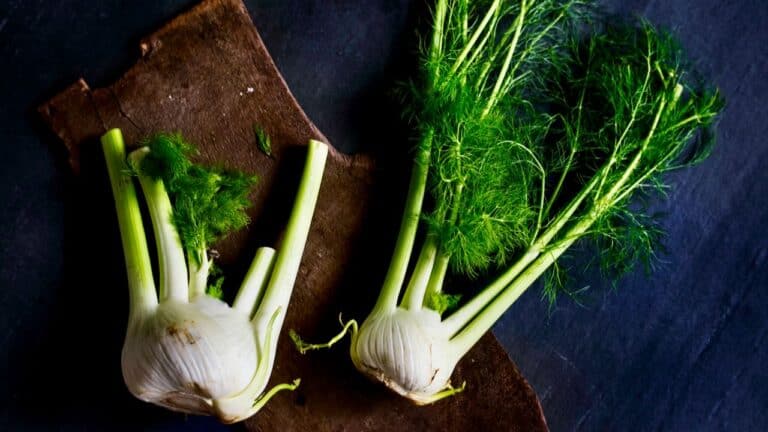
- Citrus-fennel salad — thinly shaved fennel, navel and blood orange supremes, Castelvetrano olives, really-good olive oil, flaky salt, and toasted pine nuts. Acid, crunch, brightness; the salad that resets the palate before the main.
- Braised short ribs in red wine — short ribs browned, then slow-braised in red wine, tomato, and rosemary until fork-tender. The braising liquid reduces into a sauce that needs no butter to finish; a final drizzle of olive oil and a scatter of parsley does the work.
- Coconut-milk chicken curry as the alternative main — bone-in chicken thighs browned, then simmered in coconut milk, ginger, lemongrass, lime leaf, and a curry paste. Serve over jasmine rice with fresh cilantro and a squeeze of lime.
- Herb-roasted vegetables — Yukon Gold potatoes, carrots, parsnips, and red onions tossed in olive oil, salt, and rosemary, roasted at 425°F until caramelized at the edges. Dairy-free without effort because dairy was never the plan.
Build the timeline backward from when you want to sit down. The braise or curry goes on three hours ahead. The vegetables roast in the last forty-five minutes. The salad assembles five minutes before the call to the table. The antipasto sits on the table the moment guests arrive.
As BBC Good Food’s dairy-free dinner collection demonstrates, the dinner-party rhythm holds whether or not dairy is on the table. For dessert, a bowl of olive-oil-drizzled blood oranges with flaky salt or a chocolate-and-coconut tart closes the meal — and the outdoor summer dinner party menu adapts the same dairy-free design for a patio table when the weather turns.
|
Hosting Tip: Cook the Curry the Day Before |
Easy Weeknight Dinner Versions When You Have One Hour, Not Five
A school-night dairy-free dinner with one or two guests doesn’t get the three-hour braise. It gets the same recipe categories, scaled down to forty-five minutes and one or two pans. The five-category framework still works — you just pick the format that finishes in under an hour.
Three weeknight versions that have served us well at the dinner table when company arrives between work and bedtime:
- Instant Pot coconut curry in 30 minutes — sauté aromatics and curry paste on the Sauté setting, add coconut milk, chicken thighs or chickpeas, and a handful of vegetables, pressure-cook eight minutes. Finish with lime and cilantro.
- Sheet-pan miso-glazed salmon with roasted broccoli in 35 minutes — whisk white miso, soy sauce, rice vinegar, and a touch of maple syrup; brush onto salmon fillets, surround with broccoli florets tossed in olive oil, roast at 400°F for fifteen minutes. One tray, one dinner.
- Olive-oil pasta with garlic, anchovy, and lemon zest in 25 minutes — warm olive oil in a wide pan with smashed garlic and three anchovy fillets, add a splash of pasta water to emulsify, finish with lemon zest, parsley, and chili flakes. Toss with the cooked pasta and serve.
All three are easy weeknight dinner formats that read as dinner-party food because they are dinner-party food — same coconut milk, same olive oil, same dairy-free design, just on a tighter timeline.
What to Skip and What to Substitute for a True Dairy Allergy
A dairy allergy is a different host job than a dairy-free diet, and the gap is wider than most home cooks expect. A dairy-free diet means no obvious dairy on the plate; a dairy allergy means no dairy in the kitchen at all — including the trace amounts in spreads, sauces, baked goods, and processed proteins that read as dairy-free at a glance.
The hidden-dairy checklist
- Butter in bread — most bakery breads are brushed with butter or contain milk solids. Buy a flour-and-water Italian or a sourdough labeled vegan to be safe.
- Whey in chicken stock and deli meat — many commercial stocks list whey or milk solids; deli turkey and ham are often sprayed with a whey-based brine. Read every label.
- Casein in “non-dairy” creamer — most powdered or liquid coffee creamers labeled “non-dairy” still contain casein, a milk protein. Use full-fat oat milk or coconut creamer instead.
- Ghee, butter, and cream sauces in restaurant takeout — if you’re supplementing your menu with a side, ask whether anything was finished in butter or ghee.
- Pesto and salad dressings — many pestos contain parmesan; many bottled dressings contain whey, milk solids, or buttermilk powder.
For a guest with a confirmed dairy allergy, every label gets read, every cutting board gets a fresh wipe, and every pan gets washed with fresh oil. FARE’s milk-allergy guidance is the host’s reference page; print it and tape it inside the cabinet door if a regular guest has the allergy.
The line between “dairy-free for preference” and “dairy allergy” should be asked, not assumed. A short message ahead of the dinner (“Is your dairy-free a preference, a sensitivity, or an allergy?”) gives you the answer without putting the guest on the spot, and meets specific needs without making the asking feel clinical.
For guests at the more serious end of the spectrum, the American Academy of Allergy, Asthma & Immunology and the American College of Allergy, Asthma & Immunology both publish kitchen-side practices a home host can adopt. Your awareness of cross-contact is the only thing that changes.
|
Track Every Guest Dietary Need Early |
How to Plate, Serve, and Talk About a Dairy-Free Dinner Without Making It Weird
The last move in a dairy-free dinner is hosting language. How you mention the dietary design at the table — or don’t — shapes the guest’s experience as much as the cooking does. The goal is inclusion without spotlight, which means saying the thing once, then letting the food do the talking.
The host script that works
- Mention it once, casually, at the start of dinner: “Everything tonight happens to be dairy-free so Sarah can eat freely, and I think it all came together well.” That’s it. No apology, no extended commentary, no laminated card next to the salad.
- Plate family-style when the menu allows — a single platter of braise, a bowl of vegetables, the pasta in a wide serving dish. Family-style serving removes the “your plate vs. their plate” comparison entirely.
- Skip the individual labels. A small card next to the bread that says “olive-oil brushed, no butter” is fine; a “DAIRY-FREE” placard next to every dish is not.
Amy Sedaris on hosting puts it as well as anyone: the host’s job is to make the guests feel welcome, full stop. The dietary accommodation is plumbing — necessary, unglamorous, mostly invisible to the table.
When the omnivores ask what’s in the braise, the answer is the recipe — not the absence of dairy. “It’s coconut-milk chicken curry with lemongrass and lime leaf” lands better than “the dairy-free version of butter chicken.” The format resonates with what Saveur’s culture writers describe as the best home cooking — recipes that hold their own without explanation.
The one private sentence that matters most
If a guest with a serious allergy is at the table, one more sentence is worth saying privately, before the meal: “I cooked everything in fresh oil and clean pans — I read every label. You’re safe to eat anything tonight.” That sentence does more for the guest’s evening than five carefully-labeled platters ever will.
The simplest version of the Food Allergy Research and Education organization’s hosting guidance is exactly that — confirm safety, then move on.
For a deeper reference on body-language and serving moves that match this script, our family-style dinner guide walks through the table-side mechanics in more detail.
The dinner ends, the dishes get cleared, and the guest who came in worried about being a problem leaves having eaten the same dinner as everyone else. That’s the test the menu was built to pass.
Frequently Asked Questions
What can I cook for dinner that’s dairy-free but still feels like a dinner party?
A coconut-milk chicken curry, a wine-braised short rib, or a sheet-pan miso-glazed salmon all read as dinner-party food and contain zero dairy products. Build the menu around dairy-free mains rather than rebuilding a creamy recipe, and most guests at the dinner table won’t even notice dairy is missing from the plate.
Is butter considered dairy?
Yes, butter is dairy. It’s made from cream and contains milk proteins (whey and casein) plus trace lactose, so guests with a dairy allergy or strict dairy-free diet need to avoid it across every dish you prepare. Extra-virgin olive oil, avocado oil, or a vegan butter alternative are reliable swaps for most dinner recipes the home cook will encounter.
Can I use coconut milk instead of heavy cream in dinner recipes?
Yes. Full-fat canned coconut milk swaps one-for-one for heavy cream in most savory dinner recipes, including curries, soups, pan sauces, and braises. It thickens similarly and adds a subtle sweetness that fades behind aromatics. For neutral-flavored dishes, choose a refined coconut milk to keep the coconut taste from coming forward in the finished plate.
What’s the difference between a dairy allergy and lactose intolerance for hosting purposes?
A dairy allergy is an immune reaction to milk proteins (casein and whey) and can be serious. Even a trace amount in cooking oil or bread can trigger symptoms. Lactose intolerance is a digestive response to milk sugar, so small or aged-cheese amounts are sometimes tolerated. Ask the guest which one you’re cooking for before the menu is fixed.
What dairy-free dinners can I make in an Instant Pot for a weeknight?
Coconut-milk chicken curry, beef and bean chili, lentil dal, and a Thai-style coconut soup all cook in 20 to 35 minutes in an Instant Pot and contain zero dairy products. Brown the aromatics on Sauté, add liquid and protein, pressure-cook on High, and finish with fresh herbs at the dinner table for easy weeknight dinner energy.
How do I tell guests at the dinner table that the meal is dairy-free without making it awkward?
Mention it once, casually, when everyone sits down, “everything tonight happens to be dairy-free so Sarah can eat freely”, and then move on. Don’t apologize, don’t label individual plates, and don’t draw extended attention to the swap. Most guests at a dinner appreciate the inclusion and never think about it again for the rest of the night.
Continue Reading:
More on Dietary Diversity
- How to Host a Mixed-Diet Dinner Party Confidently
- Gluten-Free Dairy-Free Dinner Recipes: A Host’s Guide
- Easy Gluten-Free Dinner Recipes for Family Parties
- Dairy-Free Dessert Recipes Every Guest Will Love
- Easy Vegan Dinner Recipes for an Omnivore Table
- How to Ask Guests About Dietary Restrictions: Scripts
- One Dinner Party Menu That Works for Every Diet
- Mixed-Diet Dinner Party Day-Of: A Host’s Playbook
More from The Gourmet Host
- Non-Alcoholic Drink Pairing: Match Flavors to Any Meal
- Tapas Ideas: 5 Spanish Small-Plates Host Spread
- The Complete Cooking Techniques List for Confident Home Hosts
- Best Appetizers for a Crowd That Scale to Any Guest Count
- Minute to Win It Games for Adults (25 Funny Picks)
Explore TGH Categories
- Set the Scene
- Drinks and Bar
- Plan the Meal
- Engage with Guests
- Games and Toasts
- Tools and Techniques
- Why We Gather