12 Personalized Housewarming Gifts Guests Can Create
 13 min read
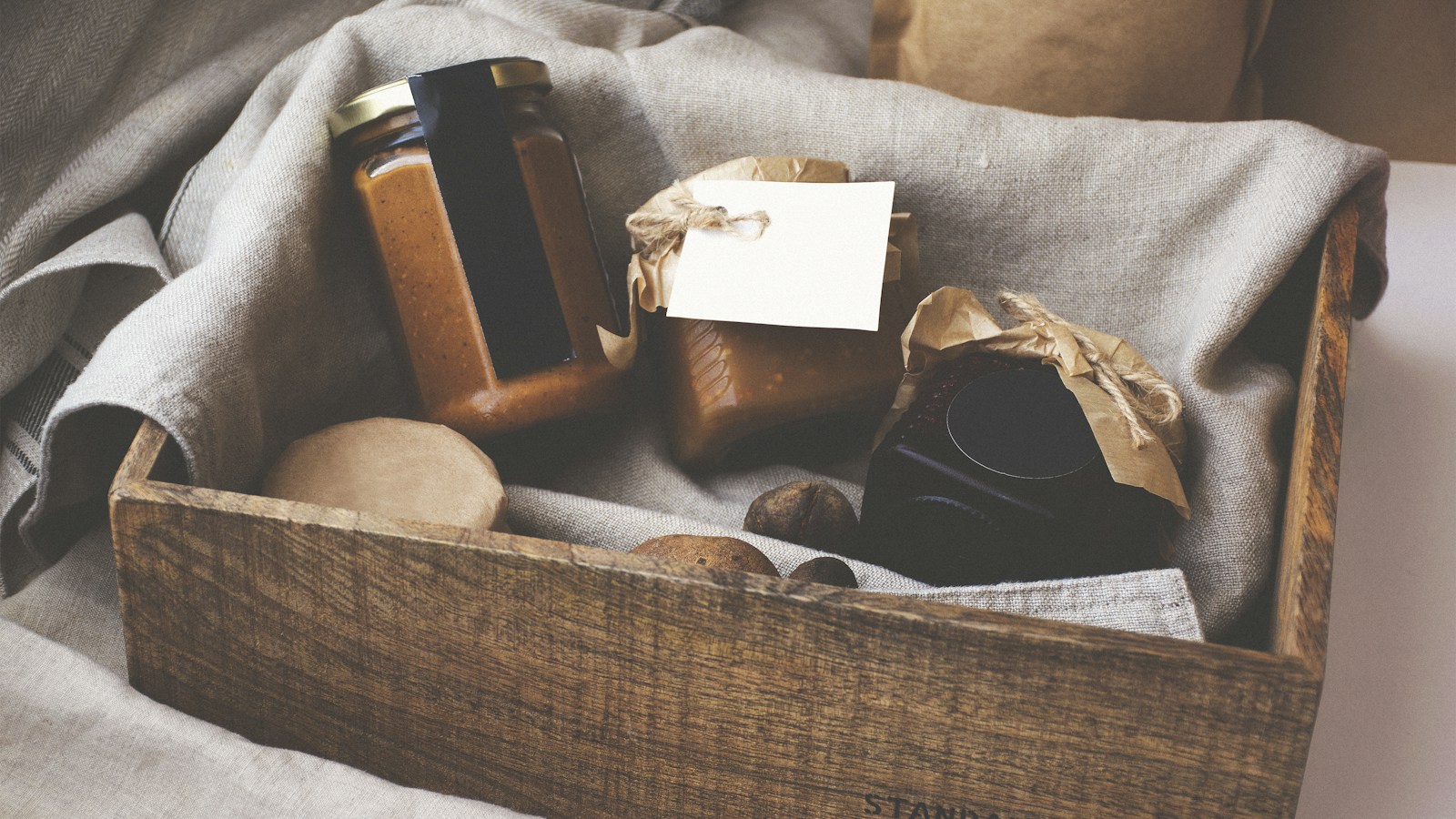
Homemade pantry staples and custom baskets make a personal gift when chosen around the recipient’s tastes.
“Are we supposed to bring a bottle of wine, or a blender?” is the question a new homeowner fields the morning of their open house. That hesitation reveals the real challenge of guest etiquette: matching your offering to an occasion that sits somewhere between a casual dinner and a formal milestone. You want to hand over a meaningful contribution without defaulting to an expensive appliance they already own.
A registry for housewarming party events often feels too transactional, while a generic retail candle reads as an afterthought. Handcrafted pantry staples bypass the pressure of permanent display, stocking their new kitchen while honoring the move.
Below, you get 12 personalized housewarming gifts sorted by the required preparation time, from dry seasoning jars to curated breakfast boxes. You will also see a framework for pricing ingredients and containers, how to source sturdy packaging, and the easiest way to pair a homemade syrup with the perfect presentation note so the final result looks incredibly deliberate.
At a Glance
- The linked vanilla-extract method calls for six to twelve months of steeping, so start it well ahead.
- Dry seasoning jars make quick gifts without the storage risks of homemade herb oils.
- Packaging and ingredient choices determine the cost; price the actual batch before committing to several gifts.
- A handwritten recipe card guarantees recipients know the exact ingredients inside the jar.
- Perishable additions like fresh fruit belong only in baskets handed directly to the host.
What Is The Perfect DIY Housewarming Offering?
A handmade culinary contribution provides the new homeowner with a consumable item they will genuinely use while settling into a fresh property. Producing small batch pantry staples directly in your own kitchen lets you focus on assembling custom flavor profiles and seasonal baked goods. You get a dozen distinct options ranging from quick dry seasoning jars to layered morning boxes, with a budgeting framework to match your available time.
|
List the Gift Ingredients |
Why Custom Touches Beat Generic Store-Bought Items
Crafting a consumable housewarming gift lets you tailor the flavor to a friend without guessing their furniture or wall colors. Keep the project small enough to label and package properly. A familiar seasoning that the recipient enjoys is more useful than an unfamiliar ingredient chosen only for appearance.
Choose containers that are food-safe, easy to close and appropriate to the recipe. A decorative bottle does not make a perishable food shelf-stable. Dry blends need dry jars; syrups and fresh additions need their own clearly labeled storage directions.
You provide immediate flavor for their cooking through a securely packaged, short-term culinary asset.
Budgeting for Custom Creations
Gift prices depend heavily on the packaging you select. A plain mason jar keeps costs low, while a matching set of swing-top glass bottles requires a slightly larger investment. Foundational costs for creating these items from scratch factor in both the raw ingredients and the chosen glassware.
| Creation Category | What You Buy or Use | Container Choice | Preparation Commitment |
|---|---|---|---|
| Dry Seasoning Jars | Use dried pantry ingredients | Clean, fully dry jars | Mix a small batch and label every ingredient |
| Vanilla Extract | Vanilla beans and suitable alcohol | Clean bottles with secure caps | Brief assembly, followed by the recipe’s long steeping period |
| Coffee Syrups | Sugar and recipe-specific flavorings | Clean food-safe bottles | Cook, cool and refrigerate as the recipe directs |
| Curated Breakfast Box | Coffee, shelf-stable additions and any separate chilled items | Reusable rigid box | Assemble close to delivery and label storage needs |
Consider the recipient’s daily routines and tastes before starting any project.
- Culinary focus: Choose dry spice or salt blends suited to the recipient’s daily cooking.
- Baking focus: Prioritize pure extracts and specialized finishing sugars for weekend projects.
- Morning focus: Build around coffee syrups, fresh local beans, and sturdy pastries.
- Entertainment focus: Supply cocktail mixers and dried citrus garnishes for their home bar.
Dry blends are the quickest place to start.
Which Dry Pantry Gifts Are Quick to Make?
Dry spice and salt blends are useful housewarming gifts when you want an edible project without a fresh-herb oil storage problem. Begin with clean, completely dry containers and dry ingredients. Label the blend, every ingredient and the date, and use the storage directions supplied by the recipe or ingredient packaging. For a more involved project later, learn the relevant home-cooking techniques before offering an unfamiliar homemade preparation.
Fresh garlic or herbs in oil require specific preparation and storage controls. Simply warming a mixture to 180 degrees Fahrenheit or swapping in dried garlic does not establish a month-long refrigerated shelf life. For an easy gift, keep the flavors dry rather than bottling a homemade infused oil.
Choose a small jar that the recipient can use before the spices lose their aroma. A serving suggestion makes the label helpful: sprinkle a little on roasted potatoes, add it to a dressing or use it to finish a bowl of rice.
- Seasoned Salt: A dry smoked-paprika seasoned salt labeled with every ingredient.
- Za’atar Blend: A small jar of za’atar with dried herbs, sumac and sesame, with sesame clearly identified.
- Taco Seasoning: A dry taco seasoning blend accompanied by a simple cooking suggestion.
- Pizza Herb Jar: A small blend of commercially dried basil and chili flakes, with the heat level and ingredients on the label.
Measure one small batch first and write down the proportions you actually used. Do not imply that a homemade blend has a tested preservation life or is suitable for every allergy. Those details belong on the ingredient label and in a conversation with the recipient.
Dry blends are quick to assemble; extracts need a much longer calendar.
|
Hosting Tip: Use Clear Storage Labels |
Extracts, Syrups and Drink Mixes Need Clear Labels
Extracts and syrups require either a long steeping window or precise sugar ratios melted on the stove. These sweet additions upgrade the homeowner’s morning coffee routine or weekend baking projects without cluttering their crowded cabinets.
Vanilla extract suits a host who bakes and uses alcohol-based extracts. Use a tested recipe for the bean-to-alcohol ratio and steeping period, and label both the preparation date and the earliest suggested use date. An extract started just before the party is a future pantry gift, not a finished ingredient.
The linked vanilla-extract recipe calls for six to twelve months of steeping. Start it well ahead, label the preparation date and follow that recipe’s instructions. If the party is soon, choose a dry seasoning or drink mix rather than implying that a newly started extract is ready to use.
Boiling Simple Syrups
Simple syrups are faster than extracts, but they are a different kind of gift. Use a tested recipe and label its refrigeration and storage directions. For a shelf-stable-style pantry project, choose a dry mix whose ingredients permit that storage rather than assuming that dissolved sugar preserves every syrup.
Wash containers using the recipe’s directions. A hot dishwasher cycle or a wax seal does not turn syrup into a shelf-stable preserved food. Refrigerate finished syrup and label it with the tested recipe’s storage instructions.
- Clean the glass: Wash and prepare containers using the recipe’s actual instructions.
- Label the date: Write the exact date the syrup was made on the back label in permanent marker.
- Note the storage: Specify clearly whether the bottle belongs in the pantry or the refrigerator.
The following four items fit this medium-effort category perfectly.
- Homemade vanilla extract started well ahead, with the preparation and suggested use dates recorded.
- A small bottle of homemade coffee syrup, chilled and labeled using the recipe’s directions.
- Cinnamon syrup prepared from the linked method, with storage directions attached.
- A dry hot-chocolate mix with its dairy ingredients and mixing directions written on the jar.
When you want to deliver multiple flavor profiles at once, building a themed box is the next logical step.
High-Effort Curated Themed Baskets: Sourcing Quality Materials
A curated gift basket combines your homemade items with high-quality retail additions to create a complete hospitality experience. The secret to a polished presentation lies entirely in the container and the structural padding you choose. If the basket includes a bar label, use the same readable lettering principles as a home bar sign.
Flimsy cellophane wrap makes an otherwise generous offering look cheap.
Instead, source a rigid wooden crate, a structured wire bin, or a heavy woven basket that the host can reuse for storage. You can match the fonts on your custom labels to the housewarming party invitations template they used for a cohesive aesthetic. Fill the base with excelsior wood shreds or crinkle paper to lift the items up to the rim of the container.
A housewarming gift basket can pair a custom wine bottle with printed notes explaining the traditional symbolic meaning behind each item. This historical touch gives the offering serious weight.
Bread, salt, wine and other familiar pantry items can carry a symbolic message, but traditional lists differ. A short note explaining your own wish for the household is enough. There is no need to claim one universal set of six gifts.
Managing Perishable Additions
Hand any perishable additions directly to the host and explain what needs refrigeration. Keep heavy containers low in the basket and cushion the glass so the package is easy to carry. Presentation should make the gift easier to handle rather than obscure its storage needs.
- The traditional symbolic bread and salt basket with a fresh baguette, coarse sea salt, and a bottle of wine.
- A morning crate featuring your homemade coffee syrup, local roasted beans, and two heavy ceramic mugs.
- An Italian dinner bundle holding your dry pizza seasoning, dried pasta and an unopened tin of tomatoes.
- A movie night box packed with specialty popcorn kernels and your proprietary smoked salt blend.
Taking on a massive craft project to fill those baskets, however, can quickly backfire.
|
Coordinate a Shared Basket |
Personalized Gifts: Handcrafted Consumables Over Permanent Fixtures
Building wooden furniture or sewing custom drapery for a new house often results in an expensive disaster. Guests who misjudge their crafting abilities hand over a permanent item the homeowner feels obligated to display. Stick to handcrafted consumable goods to guarantee your present gets used.
A batch of overbaked cookies gets eaten and quietly forgotten, but a poorly painted end table sits awkwardly in a living room for years.
Choose a project from this bank that you can prepare, label and store properly. A small jar of dry seasoning is enough; there is no need to add another untested preparation.
Customized welcome mats or engraved cutting boards force your specific design choices onto their aesthetic. Build a basket of labeled syrups, dry spice blends or salts tailored to the homeowner’s tastes instead. These consumable items deliver a unique touch without permanently altering their kitchen decor.
- Test the recipe: Make a half-batch of your syrup the week before to verify the flavor balance.
- Check the seals: Turn filled jars upside down over the sink to ensure the lids are perfectly tight.
- Wipe the glass: Use a clean microfiber cloth and white vinegar to remove sticky fingerprints from the bottles.
The final impression of these handcrafted items relies heavily on the handwritten tags that accompany the jar.
Presenting a Well-Received Custom Creation
Writing a handwritten note transforms a plain jar of syrup into a polished, deliberate offering. The tag explains exactly what the liquid is, how to use it, and how long it safely lasts in the refrigerator. The hostess-gift receiving guide explains why the host should be free to put a gift away rather than serve it on demand.
Pairing a seasoning jar or syrup bottle with a descriptive card makes its contents and storage requirements clear. Print a clean, minimalist label on heavy cardstock and tie it to the neck with rustic butcher’s twine. You can lift a humorous opening line from Funny Toasts and Quotable Lines for Any Gathering or 20 Funny Birthday Toasts to Roast and Toast a Friend to personalize the tag.
The goal is to make the homemade item look highly intentional rather than thrown together.
Write every ingredient on the label, including alcohol and potential allergens. A clear label helps the recipient decide how to use the gift; it does not guarantee that the food is suitable for every diet or free from cross-contact.
- Name the primary flavor profile clearly in large lettering on the front of the tag.
- List two suggested culinary uses, like drizzling over hot pizza or mixing into black tea.
- Use the storage and use-by directions from the exact recipe or ingredient labels; do not invent a shelf life.
Deliver the wrapped item as soon as you walk through the front door, offer a warm congratulations on the new space, and immediately let the host get back to managing their gathering.
Frequently Asked Questions
Why does this gift bank use dry seasonings instead of homemade oils?
Homemade herb or garlic oils need a validated preparation and storage method; refrigeration alone does not establish a month-long shelf life. For this gift bank, use the dry seasoning options instead. If you make an infused oil, follow a tested process and give the recipient its exact storage and use-by instructions.
What makes vanilla extract a safe choice for most recipients?
Vanilla extract offers a reliable pantry addition because nearly every home baker uses it regularly. Unlike specialized chili oils or obscure spice blends, pure vanilla supports basic recipes from chocolate chip cookies to Sunday morning pancakes, ensuring the liquid will not sit unused.
Can you include perishable items in a custom gift basket?
Fresh fruit and soft cheeses belong in a custom gift basket only if you hand the container directly to the host. Leaving perishable goods on a crowded gift table for several hours risks spoiling the food before the homeowner has a chance to refrigerate it.
Should you include a recipe card explaining the ingredients?
A housewarming recipe card should list every ingredient and the preparation, storage and use instructions appropriate to that exact recipe. Include alcohol and potential allergens clearly. The card helps the recipient assess the food, but cannot guarantee suitability for every diet or rule out cross-contact.
Why is presentation just as important as the homemade item?
Thoughtful presentation separates a deliberate, generous offering from a chaotic craft project. Using structured wooden crates, matching glass dispensers, and clean butcher twine shows the recipient you value their new home enough to source quality packaging rather than wrapping items in flimsy cellophane.
Do custom items cost less than buying a retail equivalent?
Homemade housewarming gifts can cost less than retail equivalents, but small batches and decorative packaging can also cost more. Price the ingredients, containers and labels you actually need before starting. A reused food-safe jar and one well-made item may be better value than a large themed basket.
Continue Reading:
More on Housewarming Gifts and Gatherings:
- 12 Useful Gift Ideas for a Housewarming Party Host
- 10 Best Gifts for a Housewarming Party Host to Love
- 15 Housewarming Party Ideas for a Stress-Free Event
- 21 Food Ideas for a Housewarming Party Guests Enjoy
- 10 Housewarming Party Games for Entertaining Guests
Explore TGH Categories:
- Set the Scene
- Drinks and Bar
- Plan the Meal
- Engage with Guests
- Games and Toasts
- Tools and Techniques
- Why We Gather