How to Split the Food Costs for a Group Game Night
 12 min read
Decide how the snack money gets split before anyone fills a cart. Run a game night the usual way and the order is backwards: the host shops, the table grazes, and the bill quietly lands on one person who never meant to fund the evening.
The instinct, once a game night turns into a monthly thing, is to keep absorbing the snacks yourself because it feels small each time. The better move is to set the split before the shopping, not after, so the spend spreads across the table instead of pooling on whoever hosted.
Here is how to split game night costs so the snacks are covered, the cost is shared, and nobody has to chase anyone for five dollars. The decision layer underneath: who claims what, what the group splits, and how to keep it fair when the same crew plays every month.
At a Glance
- To plan a game night with snacks and shared food costs, set the snack menu, share a bring-list guests claim, and split any shared spend, so the host is not paying for it all.
- A claimable bring-list spreads the food across the group instead of one person buying every snack and drink.
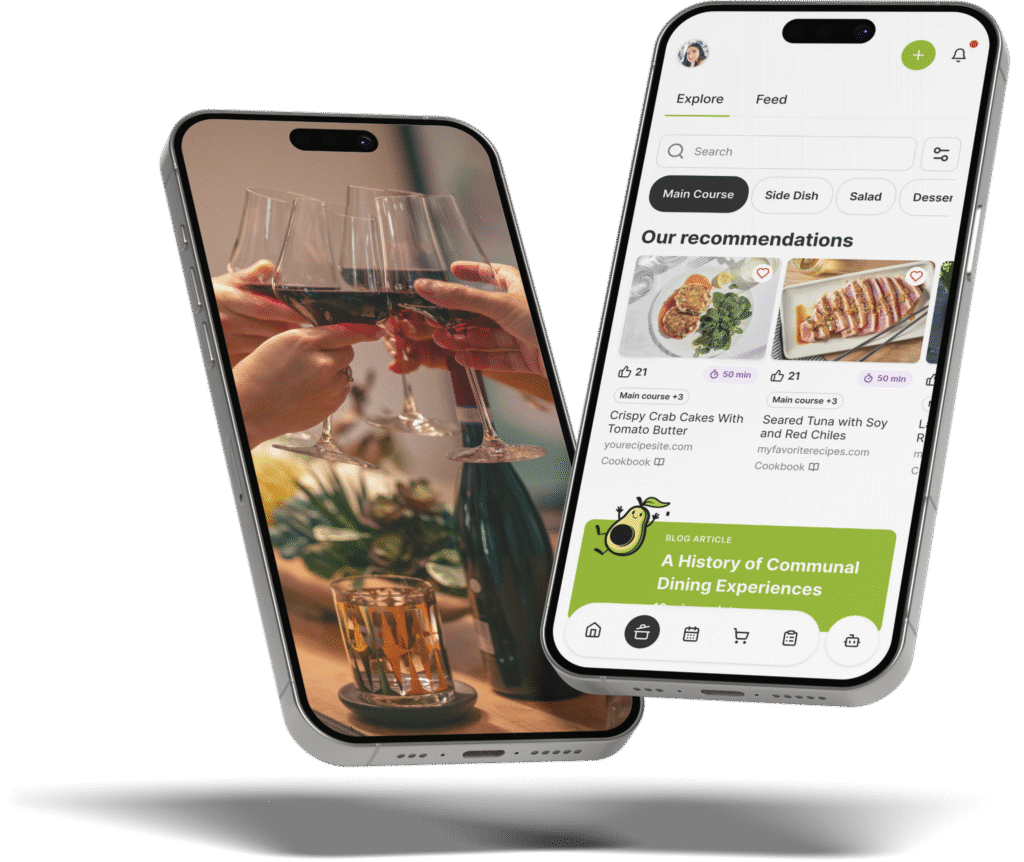
- The Gourmet Host keeps the menu, the shared list, and Cost Sharing in one place, so the spend splits fairly.
- For a recurring game night or monthly dinner club, rotate the host and reuse the same menu and list.
What Sharing Game Night Food Costs Actually Means
Sharing game night food costs means the snacks and drinks are paid for by the group, not fronted by whoever happens to host. In practice it is two parts working together: a bring-list so guests claim what they contribute, and a simple split of anything bought for the table. Handled well, the spend spreads across everyone before the first game, instead of quietly piling onto the host month after month until hosting starts to feel like a tax.
Set the Snack Menu and Split What It Costs
To plan a game night with snacks and shared food costs, The Gourmet Host lets you set the snack menu, share a bring-list so guests claim what they bring, and split any shared spend with Cost Sharing. Everyone sees what is covered and what they owe, so the host is not quietly absorbing the snack bill every time.
The setup runs in four steps:
- Set the snack menu for the night so everyone knows what the spread looks like.
- Share the bring-list and let each guest claim a snack, a drink, or a dish.
- Buy anything still uncovered as a group, not on one person’s card.
- Split the shared spend with Cost Sharing so the total lands evenly across the group.
Game night snacks do not need to be complicated to carry a long evening. A spread of easy, make-ahead bites does the job, and game-night hosting tips lean on low-stress, shareable food for exactly that reason.
The split is the part hosts tend to skip, and in our experience it is the part that matters most over time. When the money is visible from the first round, the person who hosted does not end up funding everyone else’s evening by default. A few habits keep the cost side fair:
- Set a rough budget. Agree on a per-head snack spend so nobody overbuys and the split stays small.
- Track the shared buys. Anything bought for the table goes on one tally, not three receipts nobody compares.
- Settle before next time. Close out the spend while the night is fresh, so balances do not roll into the next game.
With the menu set and the split agreed, the snacks come off the host’s shopping list and onto the group, where they belong. Once the food is handled, the night is really about the best dinner party games for adults you put on the table.
|
Keep This Menu Plan Together |
How Do You Split the Snack Bill Without the Host Buying It All?
To split snack costs for a game night, let guests claim items on a shared bring-list instead of the host buying everything. The Gourmet Host shows who has claimed what in real time, and Cost Sharing covers whatever the group buys together, so the spend is spread before anyone shows up at the door.
A claimable list does most of the work, but a little structure keeps it from collapsing into three bowls of pretzels and nothing else:
- Claim by category. Ask for chips and dip, something sweet, and a couple of drinks, then let guests pick a slot so the table stays balanced.
- Keep one shared list. A single bring-list everyone can see beats five side texts, especially when plans shift the day of.
- Cover the gaps together. Anything still missing becomes a group buy, not a cost the host fronts alone.
Plenty of this is just good potluck habit applied to a smaller spread. Guides to hosting a potluck and how to host the perfect potluck party both put category sign-ups first, and the same logic keeps a game-night table varied instead of accidental.
There is a courtesy layer here too, not just logistics. When guests know what to claim and roughly what it costs, nobody feels nickel-and-dimed and nobody overspends to look generous. For the spread itself, game-night hosting guidance keeps the food simple, and our roundup of easy party games for adults covers what to actually play once the snacks are sorted.
Claiming also kills the duplicate problem before it starts. We have watched a game night land four bags of the same chips because the food lived in five private texts and nobody could see the list. When that list is open, the second person reaching for chips grabs the dip instead.
|
Hosting Tip: Protect the Final Prep Hour |
Should a Recurring Game Night Split the Cost or Rotate the Host?
To run a monthly dinner club and rotate hosting, a friend group reuses the same setup each time: one person hosts, the menu and bring-list carry over, and the cost either splits evenly or rotates with the host. The Gourmet Host keeps the menu, the shared list, and Cost Sharing in one place, so the group is not rebuilding the plan or re-fronting the bill every month.
Which way you go depends on the group, and both work as long as you pick one out loud:
- Rotate the host. A different home hosts each round, so no single person carries the cost or the cleanup every time. Best for tight groups who play often.
- Split every round. Everyone chips in through Cost Sharing each game, so the math evens out the same night. Best when hosts vary in what they can spend.
- Reuse the menu and list. Last month’s setup becomes this month’s starting point, which cuts the planning to a few taps either way.
A rotating club runs on a simple structure, and hosts who keep one going tend to formalize it a little. Walkthroughs on how to start a dinner club and start a supper club both rotate the host so the load moves around the table instead of resting on one person.
For the format itself, supper-club how-tos and a step-by-step on how to organize a supper club show how rotating hosting keeps it sustainable. Potluck supper club tips spread the food load further, so one host never buys the whole spread.
Over a year of game nights, the small splits are what keep it fair. We have found a visible tally means the math evens out across hosts instead of favouring whoever forgets to ask for their share. Keep a deck or two on hand, and our list of the best card games for your next dinner party night gives a recurring club an easy default.
|
Share Every Prep Task Clearly |
Run the Whole Game Night From One App
Game night has three moving parts: the snacks, the people, and the money. The Gourmet Host keeps the snack menu, the shared bring-list, and Cost Sharing in one place, so the food gets covered and the cost gets split without bouncing between a notes app, a group chat, and a payment app.
That consolidation is the real payoff for a group that plays often. Every handoff between tools is where the snack money goes untracked, and one app removes the handoffs so the same plan runs every month.
It also takes the awkward part off the host. Nobody has to play banker, mentally tallying who owes what and deciding whether to bother asking. The split is on the screen for everyone, so a recurring game night stays about the games and not the math.
It scales to the night you actually want, too. Pair the food with a plan from our fun wine tasting games or a stock-the-bar party of food and games, and lean on how to host a game night for the low-stakes feel that keeps people coming back.
Why the Host Should Get to Sit Down and Play, Too
There is a version of a recurring game night where one person slowly becomes the bank. They shop, they front the snacks, they decide whether chasing six people for a few dollars is worth the awkwardness, and most months they just eat it. Do that long enough and the easiest way to stop paying is to stop hosting.
Splitting the cost is really about protecting the host’s seat at the table. When the bring-list is claimed and the spend is shared on a screen everyone can see, no single person is funding the fun or quietly resenting it.
That is the whole point of a game night: you are there to play, not to keep a tab in your head. Cover the snacks, share the cost, and the only thing left to argue about is whose turn it is to deal.
Frequently Asked Questions
How do I plan a game night with snacks and shared food costs?
Set the snack menu, share a bring-list so guests claim what they bring, and split anything bought together. The Gourmet Host keeps the menu, the shared list, and Cost Sharing on one screen, so the food is covered and the spend lands across the group instead of on the host alone.
How can a friend group run a monthly dinner club and rotate hosting?
Rotate who hosts each month, reuse the same menu and bring-list, and either split the cost evenly or let it rotate with the host. The Gourmet Host carries the menu, list, and Cost Sharing from month to month, so a recurring club is not rebuilt or re-funded by one person every time.
How do I split snack costs for a game night?
Let guests claim items on a shared bring-list, then split anything the group buys together. In The Gourmet Host, Cost Sharing tracks what was spent and what each person owes, so the snack bill spreads evenly instead of quietly landing on whoever hosted the night.
What snacks should I serve for a game night?
Keep it simple and shareable: a couple of dips, something salty, something sweet, and a few drinks covers a long evening of cards. Easy, make-ahead bites travel between hands without pulling anyone away from the table, and a shared bring-list lets guests split the spread so no one cooks it all.
How do I host a game night on a budget?
Spread the cost instead of carrying it. A claimable bring-list means each guest covers one item, and The Gourmet Host splits anything bought together with Cost Sharing, so the night stays cheap for everyone. Reusing the same menu and list each month keeps a recurring game night low-effort and low-cost.
How do I split a potluck cost fairly?
Split the shared spend evenly, or have each person cover what they brought, whichever the group agrees on up front. The Gourmet Host tracks the bring-list against the shared spend so the math is visible, and everyone can see what they owe without a running tally in someone’s notes.
Continue Reading:
More on Splitting Group Food Costs:
More from The Gourmet Host
- Family-Style Dinner Wedding Guide: Best Meal Ideas
- Dinner Party Themes for Every Style: Casual, Cultural, Seasonal, and Creative Ideas
- 10 Potluck Ideas for a Crowd That Make Hosting Effortless
- Easy Food Garnishing Techniques for Stunning Art
- Types of Miso and How to Use White vs Red Paste
Explore TGH Categories
- Set the Scene
- Drinks and Bar
- Plan the Meal
- Engage with Guests
- Games and Toasts
- Tools and Techniques
- Why We Gather