Sharper Than You Think: The Art of Keen Knives
 8 min read
It’s a running gag/question I have with my students, “Do you want to be keen or sharp?” Just so you know you don’t want to be sharp. Now, with the wonder of today’s age, definitions are only a tap away, so I leave it to you to figure out which camp you feel you should place yourself in.
Keen vs. Sharp: Understanding the Difference
A sharp tool is anything that can cut another object. Keen, on the other hand, is honed to the point it is measured in microns. When my knives are keen, they have been worked on, ground down, built up, and polished and honed; they don’t simply cut, they cleave with minimal effort.
Quick aside, which may provide some illumination to my mindset…
Knife Sharpening Ritual: A Holiday Tradition
It is Monday morning of my first day of a week break. I am fortunate to have my holidays asynchronous with the rest of my family; thus, allowing me some much needed isolation.
I start my holidays in a similar manner: Make bento boxes for my son’s school lunch, teas for his thermos, and a coffee for the morning dad. After everyone is out the door, my long awaited holiday entertainment begins. I take my pre-soaked whetstones to the sink where I have a rack set-up and the proceed to sharpen all of my knives.
I do this with no music, only the rhythmic sound of each blade making it through my various stones, of increasing grit count. Depending on the blade, I either finish with 6,000 or 8,000 grit. I finally strop each blade. This always leads to the ASMR paper test. I find making my knives as sharp as I can make possible is not as laborious as you may think, and it has a meditative element to it.
Perfecting the Craft in Seki City, Japan
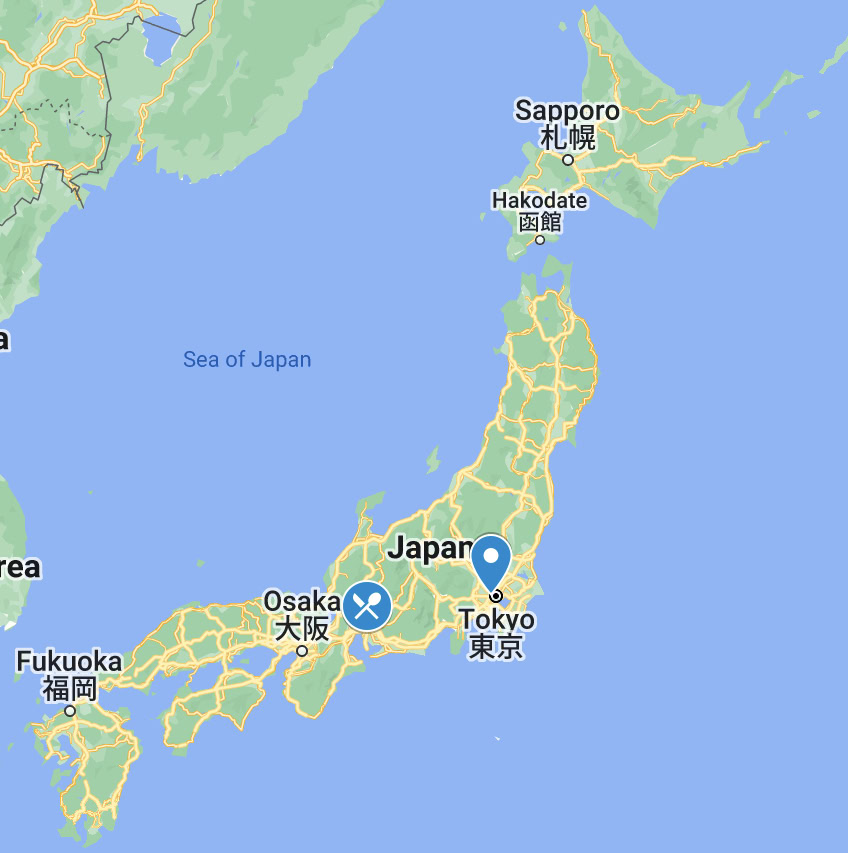
I am not going to talk about techniques, because my process is not without its flaws and it is highly ritualistic. But, being as I work in an international school in Japan, I have had the opportunity to take a couple of workshops in Seki city, which is one of the key knife production cities in Japan. In these classes I have honed my skill. Although I am nowhere near their level, they would most definitely rank me as a proficient amateur. But when compared to mere mortals, I am pretty good.
My favourite line in the class facilitated by the instructor, who is an amicable, yet stern septuagenarian:
“It takes three years to be a master knife maker, but it takes a lifetime to master sharpening a knife.”
Before this class, I was already hooked on the knife sharpen pursuit. But chasing perfection? That made me go all-in.
The Practical Benefits of a Keen Knife
Pride aside, there are much more practical reasons why I have taken the time to learn how to properly keen a knife.
By far, the benefit stems from marginal gains I get in the kitchen. Every time I slice an onion, I use less effort because my blade is keen (and, oh boy does it feel good!). A keen blade glides through ingredients with minimal pressure, making food prep quicker and far more enjoyable. The blade bites into every piece of flesh just as you intended it to. Not only does it take less effort and time to break down food, but I get to choose the size of the cut.
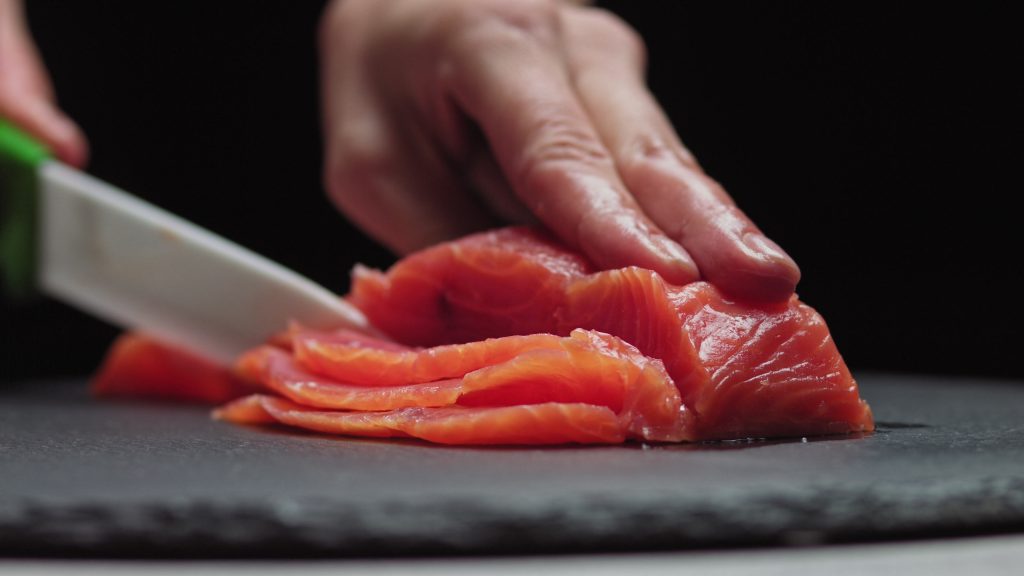
I love cooking for other people, and we regularly have people over to cook with and share a meal. Without fail, people who help in the kitchen when I am doing the final food prep notice how sharp the knife they use is. It is not because of the quality of the blade (most of my cutting tools are quite solidly in the mid-price category). It simply comes down to how keen the steel is.
Implications of Keen Knives: Bragging Rights!
If you should glean anything about the rewards of having your knives keen, appreciate that it is an edifying task that will connects you to your food in new ways. Keen blades afford you new forms of precision, but at the very least, lets you notice new possibilities in your daily routine.
You will also have the bragging rights too… even if you are not the sharpest knife in the drawer!
Frequently Asked Questions
What is the difference between a sharp knife and a keen knife?
A sharp knife can cut, but a keen knife is honed to an edge fine enough to be measured in microns. Sharpness is basically pass or fail: a blade either cuts or it doesn’t. Keenness is a spectrum built through grinding, honing, and polishing until the edge cleaves food with almost no pressure.
What grit whetstone should I use to sharpen a kitchen knife?
Start on a lower grit stone to reshape a dull or damaged edge, then move up through progressively finer stones to refine it. Home cooks typically finish between 6,000 and 8,000 grit for a polished, food-ready edge. Soak the stones first and let each rising grit number smooth out the last one’s scratches.
How often should I sharpen my kitchen knives?
Sharpen kitchen knives every few months for regular home use, though a dedicated cook can turn it into a seasonal ritual instead. Knives dull gradually with every cut, so the edge needs periodic rebuilding on a whetstone rather than an occasional quick fix. A steady routine keeps every blade cutting cleanly.
What is stropping and why does it matter after sharpening?
Stropping is the final pass that clears away the microscopic burr left behind by whetstone work, polishing the edge to its sharpest possible state. It comes after the full run of grits, never instead of them. Skip it and the edge stays rougher, catching on food instead of gliding cleanly through it.
How can I test if a knife is sharp enough?
Test sharpness by slicing a sheet of paper: a keen edge glides through cleanly, with a crisp sound and no tearing or snagging. Slicing an onion or a ripe tomato works as a real kitchen check too, since a properly keened blade bites straight in. Dragging or resistance means the edge needs more work.
Is honing the same as sharpening a knife?
Honing and sharpening are not the same process. Honing realigns an edge that has rolled slightly out of true, usually with a rod, and restores cutting feel between sessions. Sharpening removes metal on a whetstone to rebuild the edge itself. A knife needs honing often but true sharpening only occasionally.
Continue Reading:
More On Knife Skills
- A History of Eastern Knife-Making & Japanese Chef Knife Types
- Evolution of Western Culinary Knives Through History
More from The Gourmet Host
- How to Host a Crowd: 3 Self-Serve Systems That Hold for Hours
- How to Set Up a Coffee Bar Your Guests Will Love
- Grazing Table Ideas: How to Create a Stunning Setup
- Backyard BBQ Engagement Party: A Relaxed Host Plan
- Basic Wine Knowledge for Beginners: Guidelines from a Sommelier
Explore TGH Categories
- Set the Scene
- Drinks and Bar
- Plan the Meal
- Engage with Guests
- Games and Toasts
- Tools and Techniques
- Why We Gather