Easy Picnic Food Ideas: A Make-Ahead Picnic Menu
 12 min read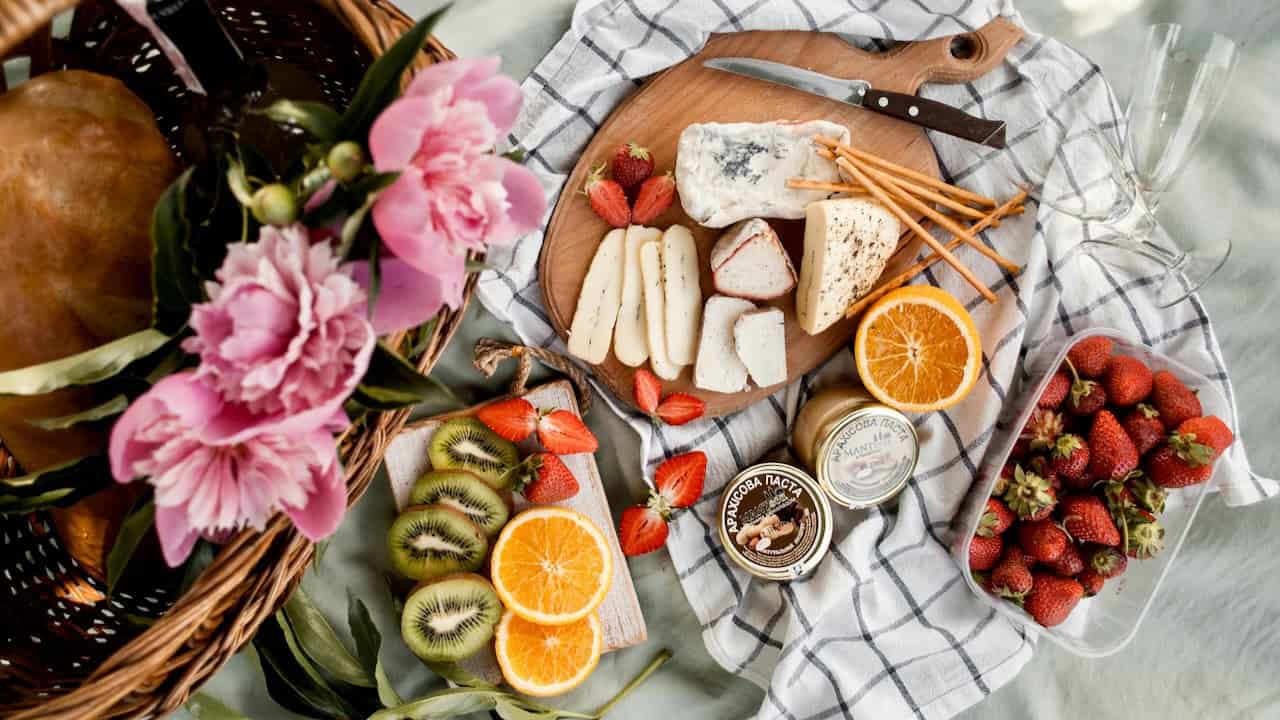
What actually survives two hours in a cooler and a walk to the spot? Pressed sandwiches, scoopable salads, sturdy dips, and bars, all eaten by hand once you arrive.
One trait sorts the menu, and the first section names it. Build from that test out to a make-ahead anchor, a couple of sides, a dip, and a sweet, the kind of spread a fuller picnic party plan drops straight onto a blanket.
This menu runs anchor, sides, dips, per-guest amounts, and a make-ahead schedule, all cooked a day ahead and packed cold.
At a Glance
- Pick dishes by one test: do they hold at room temperature and pack flat without spilling or wilting.
- Build around one make-ahead anchor, then add two or three sides, a dip, and one sweet.
- Plan roughly five to seven small items per guest, plus about a liter of drinks each.
- Cook the heavy items a day ahead, since pasta and potato salads improve overnight.
- Keep dairy, meat, and mayo dishes cold in the cooler right up to the moment you serve.
What Makes Food Work for a Picnic
The whole menu turns on one question: does the dish survive the journey. Anything that needs reheating, refrigeration mid-meal, or a knife and fork stays home.
Three traits separate picnic-ready food from the rest. It holds at room temperature for a few hours, it packs flat so nothing crushes in transit, and it eats cleanly out of hand without a plate.
That last point quietly shapes everything. When food has to travel and serve itself, you land on pressed builds, scoopable salads, and grab-and-go bites rather than delicate, plated cooking.
The Menu, Course by Course
A finished spread comes from four buckets, not ten recipes. Pick one from each and the menu already reads as full and considered.
| Course | Pick from | Why it travels |
|---|---|---|
| Handheld main | Pan bagnat, egg salad, grain bowl | Holds its shape, tastes good cool |
| Sturdy side | Italian potato salad, broccoli slaw, chickpea salad | Vinegar-based, outlasts greens |
| Dip and snack | Hummus, firm cheese, olives, baguette | Packs flat, no melt |
| Sweet | Brownie cookies, bars, fruit | No refrigeration, will not melt |
Handheld Mains
The main carries the meal, so it has to taste good cool and keep its shape on the drive. A pressed sandwich actually rewards the wait, since the bread soaks up the dressing as it sits.
A pan bagnat is the model here, weighted down so it compresses into a tidy, sliceable build. A creamy egg salad is the easy second option, packed into sandwiches or lettuce cups that stay neat in the cooler. Lightly dressed grain bowls of quinoa or farro round out the choices and hold flavor for hours.
Sturdy Sides
Sides give the spread its range, so reach for ones that contrast a rich main. Starchy and vinegar-based salads outlast delicate greens on a warm afternoon, where soft lettuce wilts.
An Italian potato salad dressed in oil and vinegar travels better than a mayo-heavy one, and a make-ahead broccoli salad only deepens overnight. A tangy broccoli slaw adds crunch against the soft sandwiches, while a chickpea or grain salad keeps the spread filling between bites.
|
Keep This Menu Plan Together |
Dips, Snacks, and No-Melt Sweets
A handful of small extras turn a tidy menu into an abundant one. These are what guests pick at while the main is still being unpacked, so they keep hands busy from the first minute.
A jar of homemade hummus with crackers and cut vegetables anchors the grazing, joined by a batch of edamame hummus that packs flat in its own tub. Add firm cheese that holds out of the cooler, olives or pickles for a salty note, and a good baguette to tear at.
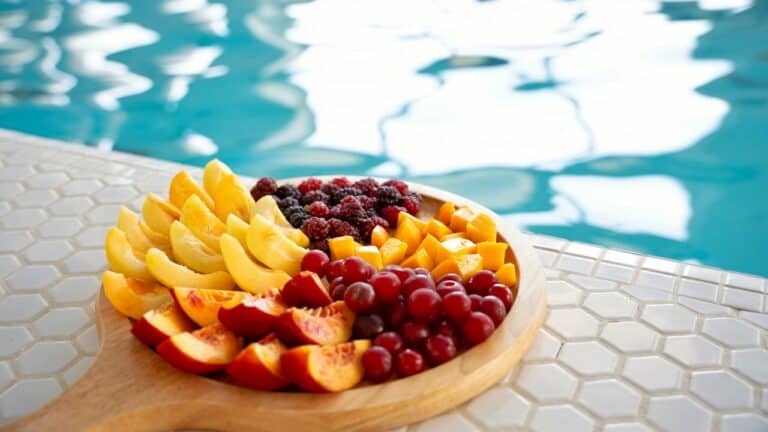
Sweets have to clear one bar: no melting. A tray of brownie cookies, a pan of bars, and whole or cut fruit all close the meal without needing refrigeration to stay good.
|
Hosting Tip: Protect the Final Prep Hour |
How Much to Make Per Guest
Outdoor appetites run big, so a portion plan keeps you from cooking double or running short. Aim for five to seven small items per guest across the whole spread, then scale that figure by the headcount.
In practice that means one to two handheld mains each, two side servings of salad and fruit, and two or three small sweets, since cookies and bars vanish fast outside. Pour for roughly one liter of drinks per guest over a few hours in the sun.
For two, halve the math: one shared main, two small sides, and a sweet to split keep an intimate spread generous without going overboard. Round up rather than down on a hot day, since leftovers travel home easily but a thin spread leaves guests grazing crumbs.
|
Share Every Prep Task Clearly |
Make-Ahead and Packing Order
The make-ahead schedule is what turns this from a rushed morning into an easy one. Split the work across three windows, heaviest first, so nothing piles up before you walk out the door:
- The night before: make the salads and bake the sweets, since both improve after a rest in the fridge.
- The morning of: press the sandwiches, cut the fruit, and load the cooler perishables-first.
- In the last half hour: add crunchy toppings and fresh herbs so salads reach the blanket crisp.
One packing habit pays off at the blanket: dress salads slightly under and bring a small jar of extra dressing to re-toss on arrival, which revives anything that sat in the cooler. Label each container with its contents and any allergens as you pack, so guests serve themselves with confidence. A practical set of food safety tips for picnics backs the cold-chain logic behind this order.
Setting Out the Spread
A spread looks hosted when it has a little structure, and the same dishes read as generous or scattered depending on the layout. Height, color, and a bit of open space do most of that work.
Transfer food out of takeout tubs into real bowls and boards before serving, since the same dish looks twice as appealing once it leaves the plastic. Cluster like with like so guests read it at a glance: sweets together, savory sides together, dippers beside their dip. Add a small board or crate for height, repeat two colors across food and linens, and leave a little air between bowls.
These plan-ahead instincts carry straight indoors. TGH’s easy cold appetizers that need zero cooking, its make-ahead appetizers for stress-free hosting, a roundup of easy summer salad recipes, scalable appetizers for a crowd, and a guide to charcuterie board ingredients all run on the same one-anchor, three-buckets plan.
Foods to Leave Home: What Does Not Travel
Half of an easy picnic menu is knowing what to leave home. A few dishes look great on the counter and fall apart by the time the blanket is down.
- Delicate greens: undressed salads wilt fast, so build on sturdy grains, beans, or shredded cabbage instead.
- Anything fried: crisp coatings go soft and greasy at room temperature, so save them for the table at home.
- Thin dips that separate: skip watery sauces that weep, and choose a thick hummus or bean dip that holds.
- Soft melting cheese: Brie turns to liquid in the sun, so reach for firm cheddar, gouda, or a hard sheep’s milk.
- Open-faced builds: toppings slide on the drive, so press, wrap, or pack the components to assemble on site.
Dietary Swaps That Keep the Menu Open
One menu can feed every guest with a swap or two built in from the start. Plan them before you shop and no one has to eat around the spread.
- Vegetarian: anchor on a chickpea or quinoa salad and a hummus board so the protein is already there.
- Gluten-free: trade the pressed sandwich for a grain bowl, and keep the crackers in a separate dish.
- Dairy-free: dress the salads in oil and vinegar, and set a bean dip beside the cheese.
- Nut allergies: bake the bars nut-free, and label every container clearly as you pack it.
Scaling the Menu Up or Down
The four-bucket menu holds its shape at any size, so you change the quantities, not the plan. Keep the same anchor, sides, dip, and sweet, then scale each by the headcount.
- Scaling up: double the anchor and triple the sides, since shareable salads stretch furthest, then add a second dip rather than a second main to keep the cooler manageable.
- Scaling down: halve everything and lean on a single board, keeping the make-ahead order identical so one saved menu carries from a date to a family outing.
Drinks and the Cooler Plan
Drinks round out the menu and decide how the cooler is packed. Plan about a liter per guest, weighted toward water on a warm day.
Pre-chill everything the night before so the cooler maintains the cold instead of creating it. Freeze a few water bottles to act as ice that turns into a cold drink by afternoon.
Run drinks in their own cooler when the group is large, so the food cooler stays sealed and cold. A pitcher drink like lemonade or iced tea travels well in a lidded jug and pours for a crowd, with a few cans of sparkling water on the side for guests who skip the sweeter drinks.
One Test, Four Buckets, One Easy Morning
The whole menu comes back to the travel test: if a dish holds at room temperature, packs flat, and eats by hand, it belongs in the basket. Pick one anchor, a couple of sturdy sides, a dip, and a sweet, and the spread fills itself in.
Do the heavy cooking the night before and the morning turns into assembly instead of a scramble. By the time the blanket is down, everything tastes like it was made for exactly this kind of afternoon.
Frequently Asked Questions
What is the best food to bring to a picnic?
The best picnic food holds up outside and needs no reheating, so pack pasta salad, a grain bowl, sturdy sandwiches, hummus with vegetables, and fresh fruit. Add a make-ahead dessert like brownies or bars. Keep dairy, meat, and mayo dishes cold in a cooler until you eat.
What is a good finger food for a picnic?
Good picnic finger foods are bite-sized and mess-free, like caprese skewers, deviled eggs, cheese cubes, crackers, and fruit kebabs. Cut vegetables with hummus or guacamole travel well too. Pack each item in its own lidded container so nothing gets crushed in the basket.
Which containers work best for carrying picnic food?
Rigid boxes with clip lids beat bags for anything that can crush, and jars suit dressings and layered salads. Pack heaviest at the bottom and freeze one drink to act as an ice block. Avoid cling film, which sweats and turns bread soggy within the hour.
What can I take in a picnic instead of sandwiches?
Instead of sandwiches, pack pasta or grain salad, a charcuterie board, stuffed pita, or a pressed pan bagnat that improves as it sits. Dips with crudités, frittata wedges, and skewers also travel well. Mix a couple of these for variety without depending on bread.
What are some easy picnic food ideas?
Easy picnic food leans on make-ahead recipes you assemble once and pack, like a creamy broccoli salad, hummus and vegetables, fruit salad, and cookies or brownies. Choose dishes that taste good at room temperature so you spend the day relaxing, not fussing over the food.
How far ahead can you make picnic food?
Many picnic dishes can be made one to two days ahead. Pasta salad, potato salad, and slaw actually improve overnight as flavors meld, while dressings keep up to a day in the fridge. Add crunchy toppings and fresh herbs just before packing so they stay crisp and bright.
Continue Reading:
More On Picnic Party
- Picnic Ideas: A Host’s Complete Picnic Party Guide
- Picnic Date Night Ideas: A Romantic Outdoor Spread
- Family Picnic Ideas: Food and Games for Every Age
- Summer Picnic Ideas: Keeping Food and Drinks Cool
- Cute Picnic Ideas: Style a Pretty Boho Setup Now
More from The Gourmet Host
- Expert Healthy Dinner Party Menu With Tips from a Toronto Dietitian
- Christmas Dinner Party Games: Seated-Table Picks
- Basic Knife Skills That Make You a Faster, Safer Cook
- Sharper Than You Think: The Art of Keen Knives
- Fall Dinner Party Ideas: Themes and Ambiance for Autumn
Explore TGH Categories
- Set the Scene
- Drinks and Bar
- Plan the Meal
- Engage with Guests
- Games and Toasts
- Tools and Techniques
- Why We Gather