15 Nacho Bar Ideas to Build a Crowd-Pleasing Spread
 14 min read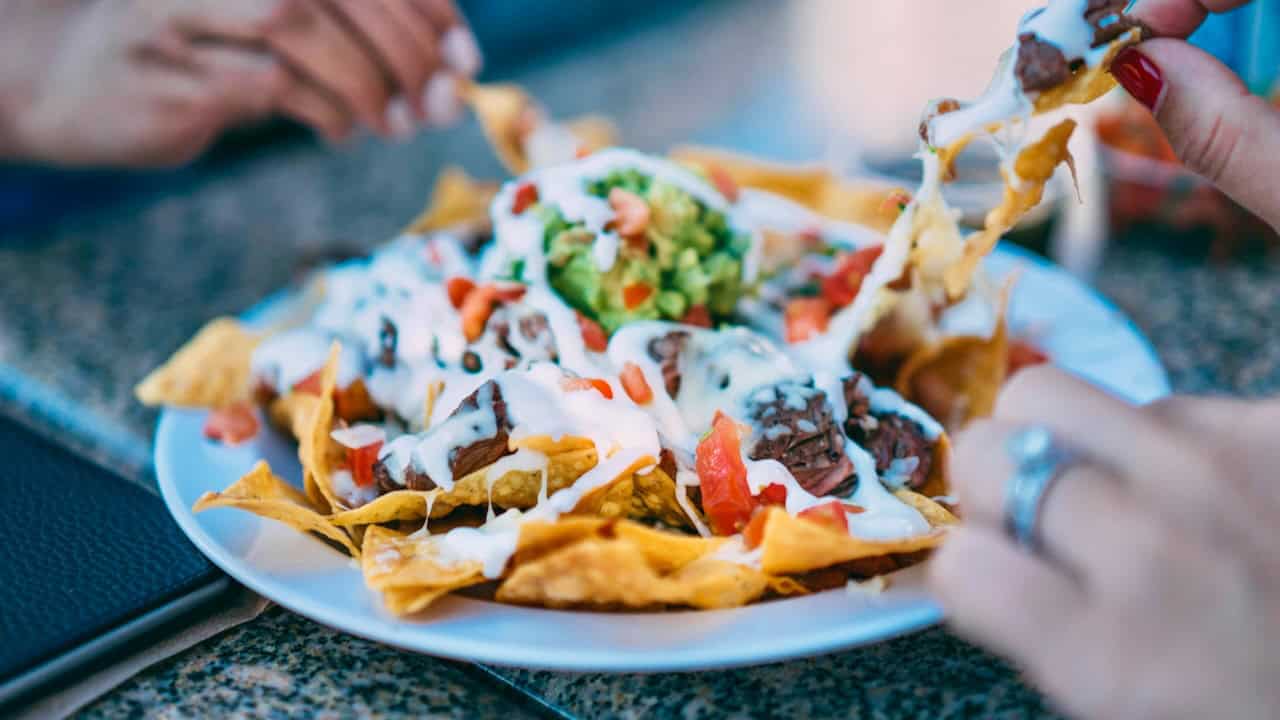
How many chips disappear before the queso even comes out? At a self-serve spread, the answer is most of them, which is exactly why the smart move is to set the station up so guests build their own plate instead of fighting over one shared platter.
That single shift solves the problem every host runs into when nachos go out for a crowd: a soggy, picked-over tray ten minutes in. A real nacho bar keeps the chips crisp, the queso warm, and the toppings tidy by separating hot, cold, and saucy into their own zones. What follows maps the full setup, from the chip base and the hot lineup to the cold toppings, the per-guest math, and the labels that keep a game-day or grazing-style crowd moving through quickly.
At a Glance
- A nacho bar lets guests build their own plate, which keeps chips crisp and the line moving better than a single pre-loaded platter.
- Sturdy, thick restaurant-style chips and a double-decker tray are the base that keeps the pile from collapsing or going soft.
- Hold queso, beans, and proteins hot in slow cookers or chafing dishes; keep all wet toppings separate so chips stay crunchy.
- Plan about 2 to 3 ounces of chips and 2 ounces of cheese per guest for a snack, and double both when nachos are the meal.
- Arrange the bar in build order, chips to sauces, and label dairy-free queso and vegetarian options so every guest can serve themselves.
What Is a Nacho Bar?
A nacho bar is a self-serve station where guests build their own loaded nachos from a lineup of chips, hot toppings like queso and seasoned meat, and a spread of cold toppings, sauces, and garnishes. The point is interactivity: instead of plating one tray that sits and softens, you set out each component in its own warm or chilled vessel so the crowd assembles plates to order. Unlike a single sheet-pan recipe, a nacho bar scales to any guest count and leans into casual, grazing-style hosting where people drift back for seconds.
Why a Nacho Bar Beats a Single Platter
Serving nachos to a crowd from one giant tray creates two problems at once. The first guests through dig out all the cheesy center, and everyone after them gets bare chips. A nacho bar fixes both by handing each guest control over their own plate, which is the same self-serve logic that makes a build your own nacho bar so easy to run for a game-day or party crowd.
The format also protects texture. When sauce and chips never sit together until the last second, nothing turns to mush. Guests scoop what they want, when they want it, and the chips stay loud and crisp.
If you have ever staged a spread of easy appetizer ideas for every party and gathering, the same self-serve thinking applies here.
These nacho bar party ideas reward a little planning. A few practical wins make the small extra setup worth it:
- Each topping lives in its own vessel, so chips meet sauce only on the plate and never go soft in the middle.
- Feeding ten or fifty is a question of bigger bowls and more refills, not a whole new recipe, so the format scales cleanly.
- Guests skip what they cannot eat and load up on what they can, which builds dietary range into the bar by default.
- Once the station is set you are refilling, not plating, which frees you to actually host.
That hands-off quality is why a nacho table works for everything from a Sunday football crowd to a casual graduation party. The decision that determines whether the whole thing holds up comes next: the chips.
|
Plan the Whole Nacho Spread |
Choosing Chips and the Base Layer
Start with the chip, because a flimsy one undoes everything else. Thick, restaurant-style tortilla chips hold a scoop of queso and a spoon of beans without snapping, while thin grocery chips buckle the moment anything wet touches them. Most corn tortilla chips are naturally gluten-free, so check the bag and you have an easy base for guests who need it.
Stage the Pile Shallow, Not Deep
Set the chips out in a wide, shallow vessel rather than a deep bowl. A double-decker tray, a sheet pan lined with a second smaller pan, or two stacked baskets keeps the pile from compressing under its own weight and going stale at the bottom. The trick borrowed from a good how to make a nacho bar is to refill in small batches so the chips on offer are always fresh, never a half-crushed pile from an hour ago.
Keep the chip station away from any steam rising off the warmers. Heat and moisture are what soften chips before they ever reach a plate. The same crisp-versus-soft balance shapes how you handle anything wet on a board, which is why how to build a charcuterie board separates crackers from dips for the very same reason.
A solid chip base comes down to a short checklist:
- Go thick: restaurant-style or stone-ground chips beat thin, oily ones for structure.
- Offer two styles: rounds for scooping and triangles for loading give guests options.
- Stage shallow and wide: shallow vessels stop the pile from crushing itself.
- Refill in batches: a quarter bag at a time keeps every chip crisp.
With a base that can take a beating, the station is ready for the part that needs the most attention to stay safe and appetizing: the hot food.
The Hot Lineup: Queso, Beans, and Proteins
The hot side of the bar is where the meal lives, and the rule here is simple: keep everything in its own warmer so it holds without scorching. Queso, seasoned beef or chicken, and beans each go into a small slow cooker, fondue pot, or chafing dish set to warm, with a lid on between servings.
Keeping Queso Smooth and Warm
Queso is the centerpiece and the most temperamental item on the bar. Hold it in a small slow cooker or fondue pot set to warm and stir it every 15 minutes so it does not scorch on the bottom.
If it thickens, whisk in a splash of warm milk to loosen it back to a pourable consistency. Make it in advance and transfer it to the warmer once guests arrive so it is silky, not crusted, when the first plate goes out.
Proteins That Hold Without Drying
Seasoned ground beef and shredded chicken both reheat well and stay juicy with a splash of broth stirred in. A chicken queso nacho bar pairing is a reliable lineup, and seasoned black beans or a plant-based crumble give vegetarian guests a real protein instead of an afterthought. Budget a quarter pound of protein per adult and keep each option in its own dish.
Set the hot items in the middle of the build order, after the chips and before the cold toppings, so guests layer warm over crunch while everything is still hot. A short setup keeps this zone running:
- Place queso, beans, and each protein in separate warmers set to low or warm.
- Add a serving spoon or ladle to every dish so guests do not cross-contaminate.
- Stir the queso and proteins on a timer and add liquid as needed.
- Refill from a reserve pot in the kitchen rather than letting any dish run dry.
Once the hot zone is dialed in, the bar gets colorful and personal at the next station, where most of the actual nacho bar ideas come to life.
|
Hosting Tip: Set Wet Toppings at the End of the Line |
Building the Cold Toppings Bar
The cold toppings are the heart of any nacho table, and arranging them in build order, dry to wet, is what keeps chips crisp and the line fast. Pull from a generous nacho toppings list and set each one in its own small bowl, with the wettest options pushed to the very end.
Good toppings for nachos bar work the way a great buffet does, with range and color, much like the spread in these easy Italian party food buffet tips to host any crowd. Here are 15 loaded nacho toppings to stock the bar, grouped by where they belong in the build.
Fresh and Crunchy Toppings (Add First)
- Shredded cheese — a handful of cheddar or a Mexican blend melts into the warm chips below.
- Diced tomato — bright and juicy, but drained so it does not water down the plate.
- Green onion — thin slices add sharp color and a mild bite.
- Shredded lettuce — a cool, crisp layer that lightens a heavy plate.
- Sliced black olives — briny rounds that scatter easily across a tray.
- Corn — charred or plain kernels for sweetness and texture.
Heat and Tang (Add in the Middle)
- Pickled jalapenos — vinegary heat that cuts through the cheese.
- Fresh jalapenos — for guests who want a sharper, greener kick.
- Diced red onion — raw bite and crunch with a pop of color.
- Cotija or queso fresco — a salty, crumbly finish that does not melt away.
Creamy and Saucy Finishers (Add Last)
- Sour cream — a cooling drizzle, set out near the end of the line.
- Guacamole — rich and fresh; keep it on ice so it stays green.
- Pico de gallo or salsa — the final layer of acid and freshness.
- Hot sauce — a few bottles so guests dial in their own heat.
- Cilantro and lime wedges — a squeeze and a scatter to brighten the whole plate.
For a deeper bench of best nacho toppings, swap in seasonal produce or a regional sauce, but keep the dry-to-wet order intact no matter what you add. Layering matters as much as the ingredients, the same way a careful ultimate loaded nachos build does on a single tray.
With the toppings staged, the only thing left to nail before guests arrive is how much of all this to actually buy.
How Much to Plan Per Guest
Getting the quantities right is the difference between a generous bar and an awkward shortage. As a baseline, plan about 2 to 3 ounces of chips and 2 ounces of cheese or queso per guest when nachos are a snack alongside other food, and double both when the nacho bar is the meal. Budget a quarter pound of protein per adult, and always make extra chips, since they vanish faster than any topping.
These nacho bar setup ideas get easier when you scale from a simple per-person grid. A clear DIY nacho bar buffet plan helps you shop once and avoid mid-party runs to the store. The same per-guest discipline that keeps a stock the bar party from running short on supplies applies to chips and cheese here.
Here is a quick per-guest guide to build your shopping list around:
- Chips: 2 to 3 ounces per guest as a snack; 4 to 6 ounces as the meal.
- Cheese and queso: about 2 ounces per guest, more if queso is the star.
- Protein: a quarter pound per adult, split across two options.
- Cold toppings: a rounded tablespoon of each per guest, doubled for the popular ones.
- Sauces: roughly 2 tablespoons total per guest across sour cream, salsa, and guacamole.
Round up across the board for teen and big-eater crowds, and keep a reserve in the kitchen so the bar never looks raided. With the numbers settled, the last job is laying it all out so the crowd flows.
|
Keep Dietary Labels With the Guest List |
Setup, Flow, and Dietary Labels
A nacho bar lives or dies on its layout. The best ideas for nacho bar flow start with strict build order, so guests move in one direction without backtracking: chips first, then the hot lineup of queso, beans, and protein, then the dry cold toppings, and finally the wet sauces and garnishes.
A well-planned how to set up a nacho bar runs like a one-way buffet line, which is exactly what keeps a big group moving. The principle carries to any drink station too, the way a smart home bar for hosting that actually works puts glasses before garnishes.
Even simple nacho bar ideas benefit from this one-way logic, because a clear path stops the crowd from clustering at one bowl while another sits untouched.
Label Everything for Dietary Needs
Labels do quiet but essential work. A small tent card at each dish tells guests what they are scooping and, more importantly, flags what they can eat. Borrow the labeling discipline from a polished nacho bar guide and call out the items that matter to dietary needs.
A nacho bar adapts to almost any guest with a few deliberate swaps:
- Most corn tortilla chips are gluten-free, so confirm the bag and label them clearly for guests who avoid gluten.
- Offer seasoned black beans or a plant-based crumble on their own end of the bar for vegetarian plates.
- Set out a clearly labeled dairy-free queso so no one has to ask whether it works for them.
- Keep vegetarian and allergen-friendly toppings grouped away from the meat to limit cross-contact.
Finish with the small touches that signal care: a stack of sturdy plates at the start, serving spoons in every dish, and napkins within reach. For occasion-specific spins, an ultimate nacho bar ideas roundup offers themed touches for game days, birthdays, and holidays. Set it up with this much intention and the only thing left to do is refill the chips and enjoy your own party.
Frequently Asked Questions
What toppings go on a nacho bar?
A nacho bar covers melted queso, shredded cheese, seasoned beef or chicken, black beans, jalapenos, diced tomato, green onion, olives, sour cream, guacamole, and salsa. Add corn, pickled jalapenos, and hot sauce for range. Set wet toppings at the end of the line so chips stay crisp until the last second.
How much do I need for a nacho bar per person?
Plan about 2 to 3 ounces of chips and 2 ounces of cheese or queso per guest when nachos are a snack, and double that when they are the meal. Budget a quarter pound of protein per adult. Always make extra chips, since they disappear faster than any topping.
How do you keep nachos from getting soggy at a bar?
Keep all wet toppings, queso, and salsa in separate warm or chilled containers so guests add them at the last moment. Never pre-pour sauce over the chip pile. Use thick restaurant-style chips, refill chips in small batches, and set them away from any steam from the warmers.
What is the best way to set up a nacho bar?
Arrange the bar in build order: chips first, then hot items like queso, beans, and protein, then cold toppings, and finish with sauces and garnishes. Use chafing dishes or slow cookers for hot items and bowls on ice for cold ones. Label each item so guests move through quickly.
How do I keep queso warm for a nacho bar?
Hold queso in a small slow cooker set to warm or a fondue pot, stirring every 15 minutes so it does not scorch on the bottom. If it thickens, whisk in a splash of warm milk to loosen it. Make it in advance and transfer it to the warmer once guests arrive.
Can a nacho bar be made vegetarian or gluten-free?
Yes, a nacho bar adapts easily. Offer seasoned black beans or a plant-based crumble alongside the meat, and most corn tortilla chips are naturally gluten-free, so check the bag. Label a dairy-free queso option and keep vegetarian toppings on their own end of the bar to avoid cross-contact.
Continue Reading:
More On Food Bars and Stations
- 21 Taco Bar Food Ideas to Feed an Easy Big Crowd
- 12 S’mores Bar Ideas for a Sweet DIY Dessert Station
- 18 Dessert Bar Ideas for a Build-Your-Own Table
- 14 Pasta Bar Ideas for a Fun Build-Your-Own Dinner
- 16 Mashed Potato Bar Toppings and Easy Setup Ideas
More from The Gourmet Host
- How to Host a Baby Shower Your Guests Will Love
- How to Use Anchovy and Colatura Without Tasting Fishy
- Christmas Gift Exchange and White Elephant Games
- Essentials Series: Dinnerware and Utensils for the Modern Kitchen
- How to Set a Dinner Table Like a Pro (Without the Stress)
Explore TGH Categories
- Set the Scene
- Drinks and Bar
- Plan the Meal
- Engage with Guests
- Games and Toasts
- Tools and Techniques
- Why We Gather