
Tahini Sauce in 5 Minutes That Saves Any Dinner
 15 min read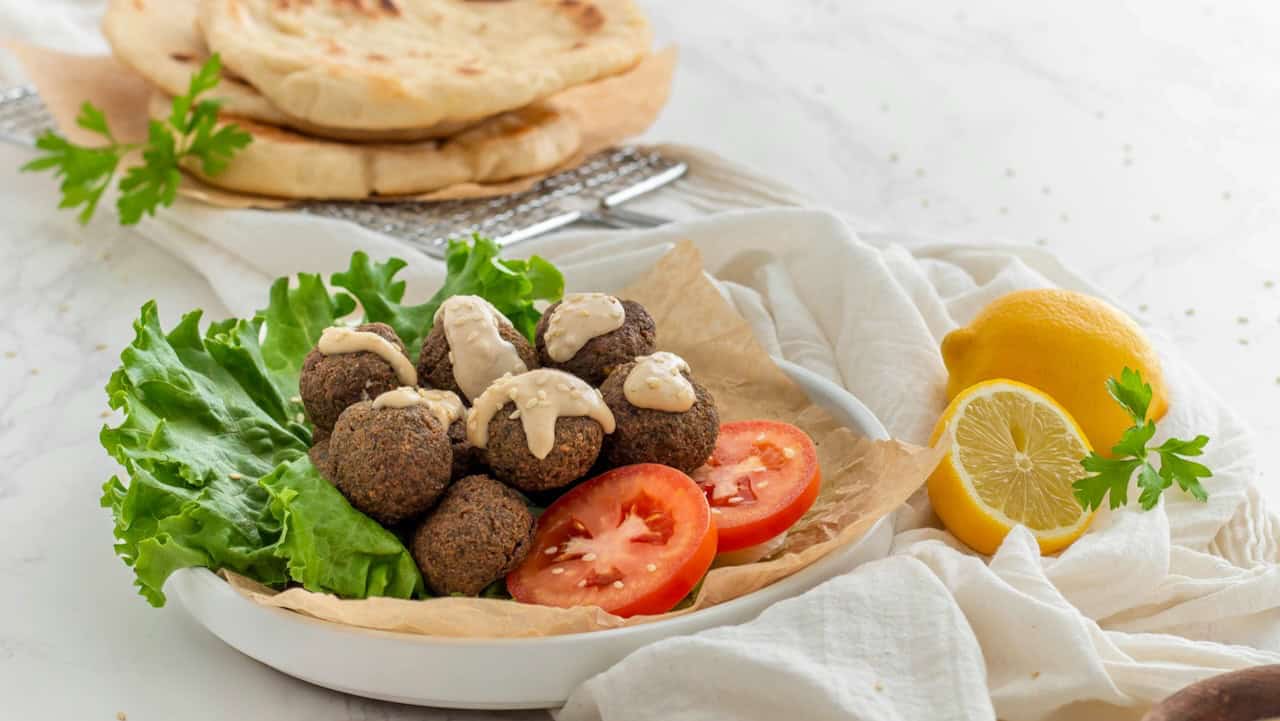
Guests will be at the door in 20 minutes. The sheet pan of roasted carrots and cauliflower is out of the oven, the platter is plated, and the whole thing still looks like roasted vegetables on a plate. The fridge has a jar of tahini, a lemon, a clove of garlic, and a tap with running water.
Five minutes of whisking turns that jar into a tahini sauce that makes the platter look plated, holds in the fridge for five days, and pivots into a salad dressing or a finishing sauce for grilled meat without rewriting a single ratio. By the end of this guide you have one base, three variations, and a roster of host-ready dinners the sauce saves.
At a Glance
- Tahini sauce is sesame paste loosened with cold water and lemon juice into a pourable dressing that pairs with roasted vegetables, grilled meat, salad bowls, and pita plates.
- The five-minute base: 1/2 cup tahini, 1/4 cup cold water, 3 tablespoons lemon juice, 1 grated garlic clove, 1/2 teaspoon kosher salt. Whisk until creamy.
- Loosen with water first, then add lemon. Cold water breaks the seize. Adding lemon to thick paste curdles it; lemon on a loose sauce brightens it.
- Three variations from the same base: lemon-garlic for vegetables, herb-green for grilled meat, spicy red for grain bowls. Each takes 90 seconds to spin off.
- One bowl handles three different dinners across the week. Sauce keeps five days in the fridge. Thin with a splash of water before each reuse.
What Is Tahini Sauce? (Sesame Paste, Lemon, Water)
Tahini sauce is sesame seed paste loosened with cold water and brightened with lemon juice into a creamy, pourable dressing somewhere between hummus and a salad dressing in consistency. The starting jar of tahini reads thick and slightly bitter on its own. Adding cold water transforms it into a silken sauce that doubles in volume and softens on the palate. For a host building a 5-minute sauce that pairs with roasted vegetables, grilled meat, and salad bowls in the same week, the working formula is one part tahini to half a part water plus the juice of one lemon, finished with grated garlic and salt.
The Five-Minute Base Recipe That Holds Five Days
Every tahini sauce variation starts from the same base. Hosting speed depends on memorizing the ratio: half a cup of tahini, a quarter cup of cold water, three tablespoons of lemon juice, one grated garlic clove, half a teaspoon of kosher salt. That is the working sauce for a roasted-vegetable platter for six.
- Whisk the tahini and salt together first to break up the paste. About 15 seconds with a fork in a small bowl.
- Pour in the cold water slowly while whisking. The sauce will seize at first (lumpy, dry-looking) and then suddenly turn creamy. That seize-to-creamy moment is the one you watch for.
- Add the lemon juice and grated garlic and whisk another 30 seconds. The sauce should ribbon off the whisk and pool slightly. Taste, adjust salt, finish.
- Store covered in the fridge for up to five days. It thickens overnight; thin with a splash of water before each use.
This base recipe for tahini sauce is the version every variation builds on. The Mediterranean Dish’s tahini sauce walkthrough uses the same proportions with slightly more garlic. The TGH guide to easy vegan dinner recipes for an omnivore table shows how the same sauce drives three plant-forward weeknight builds without any other dairy or stock. The technique most home cooks miss comes next.
How to Loosen Tahini Without Seizing (Water First, Lemon Second)
The single biggest reason a recipe for tahini sauce fails at home is the order of operations. Tahini straight from the jar is roughly 60 percent oil and 40 percent solids. When acid (lemon juice) hits the paste before water does, the oils break out of suspension and the sauce splits into a grainy, weeping mess that no amount of whisking will fix.
Water first, lemon second is the rule. Cold tap water is the right temperature. Warm or hot water can liquefy the oil too fast and produce a thin, separating sauce. The cold water brings the paste through the seize-and-release moment in a controlled way, and the lemon goes in once the sauce is already creamy.
- Wrong order: tahini + lemon + water. The lemon hits the dry paste, oils split out, the sauce stays grainy.
- Right order: tahini + cold water + lemon + garlic + salt. The water hydrates the solids, the lemon brightens the finished sauce.
- Rescue move: if the sauce splits, add 1 tablespoon of cold water and whisk hard for 20 seconds. It usually pulls back together. If not, start over.
Cookie and Kate’s version of the best tahini sauce recipe puts the same point at the top of her notes. The seize-and-release moment is where most home cooks bail; the home host who waits 15 seconds past the lumpy stage gets a sauce with a glossier finish than the first batch any restaurant kitchen sends out. With the technique handled, the next move is the three variations that turn one base sauce into three dinners.
|
Keep the Base Method Close |
Three Variations: Lemon-Garlic, Herb-Green, and Spicy Red
Three variations cover almost every hosting use case. Start from the five-minute base, then layer one set of additions per variation. Each spin-off takes 90 seconds. The host who memorizes these three has a sauce for roasted vegetables, a sauce for grilled meat, and a sauce for grain bowls without thinking past the jar.
- Lemon-garlic tahini sauce pairs with roasted vegetables, pita plates, and falafel.
- Herb-green tahini sauce pairs with grilled chicken, lamb chops, and roasted salmon.
- Spicy red tahini sauce pairs with grain bowls, roasted eggplant, and meatball plates.
Lemon-Garlic (For Roasted Vegetables and Pita)
Take the base sauce and add a second grated garlic clove plus an extra tablespoon of lemon juice. The result is the classic creamy tahini sauce that pours over roasted carrots, cauliflower, sweet potato wedges, and charred broccoli. Drizzle in a zigzag pattern across the platter and finish with chopped parsley and a pinch of Aleppo pepper. Kitchn’s lemon tahini dressing uses the same logic at a slightly higher dilution if a thinner pour is wanted.
Herb-Green (For Grilled Meat and Fish)
Blend the base sauce with a packed half cup of soft herbs (parsley, cilantro, dill, mint in any combination) and a second splash of water in a small food processor. The sauce turns vivid green and tastes brighter and grassier than the lemon-garlic version. Spoon onto grilled chicken thighs, lamb chops, or roasted salmon. Kitchn’s 3-ingredient green tahini sauce keeps the herb count to one for speed; for a hosting build, three herbs read more layered.
Spicy Red (For Grain Bowls and Pita Plates)
Add one tablespoon of harissa or smoked paprika plus a small splash of olive oil to the base. The sauce turns terracotta red, picks up a low warmth, and reads like a North African finishing sauce. Drizzle over chickpea grain bowls, roasted eggplant, or a pita-and-meatball plate. Ottolenghi’s spicy green tahini variation builds heat through chili and jalapeño rather than harissa; both work. Three variations from one bowl is the move that scales a hosting menu without a second prep cycle.
Hosting Speed Move: One Bowl, Three Different Dinners
The hosting case for keeping tahini in the pantry is not the single dinner. It is the three different dinners the same bowl drives across one week. Make a double batch of the base on Sunday afternoon, refrigerate covered, and treat it as the week’s working sauce. Each weeknight pulls the sauce out and pivots it for the dish on the table that night.
Monday gets a roasted vegetable platter with the lemon-garlic version on top. Wednesday gets grilled chicken thighs with the herb-green version spooned across. Friday gets a chickpea-and-rice grain bowl with the spicy red version drizzled at the table. The same base sauce, three pivots, three plated dinners that look intentional rather than improvised.
- Monday: roasted vegetable platter + lemon-garlic tahini sauce. 25-minute build start to finish.
- Wednesday: grilled chicken thighs + herb-green tahini sauce. 30-minute build with a 10-minute brine.
- Friday: chickpea grain bowl with roasted eggplant + spicy red tahini sauce. 20-minute build using canned chickpeas and pre-cooked rice.
The visual presentation is what turns each pivot into a hosting dinner rather than a weeknight meal. The TGH guide to food presentation techniques and easy plating tips covers the zigzag drizzle, the rim wipe, and the herb finish that lift the same plate from family-style to guest-ready. The pairings most home cooks under-use come next.
|
Hosting Tip: Put the Sauce Down First |
Pairings: Roasted Vegetables, Grilled Meat, Salad Bowls, Pita Plates
Tahini sauce pairs cleanly with four broad hosting categories, and learning the pairings unlocks the sauce as a full-week pantry tool rather than a one-recipe trick. The rule is to match the sauce body to the food: thicker sauce on starchy and dense food, thinner sauce on bright, fresh food.
Roasted vegetables are the strongest pairing. Carrots, cauliflower, sweet potatoes, broccoli, brussels sprouts, beets, and eggplant all hold the creamy lemon-garlic version without slipping off the plate. Drizzle while the vegetables are still warm so the sauce slides and clings rather than puddles. Love and Lemons’ tahini sauce roundup runs the same logic with a slightly thinner dilution for raw vegetable crudité.
- Grilled meat (chicken thighs, lamb chops, kofta, beef skewers, pork tenderloin). Use the herb-green version. Spoon, never pour. Bon Appétit’s basic tahini sauce uses a similar dilution for finishing roasted lamb.
- Salad bowls (kale, romaine hearts, shaved cabbage, chopped Mediterranean salads). Thin the lemon-garlic version with another splash of water for a true salad dressing consistency. Budget Bytes’ lemon tahini dressing runs the same thinned ratio for weeknight salads.
- Pita plates (falafel, shawarma, grilled halloumi, tabbouleh, hummus rim). Use any variation. Pita absorbs sauce well; portion is one to two tablespoons per plate.
For non-dairy hosting situations the sauce is a discreet hero. The TGH guide to easy dairy-free dinner recipes the whole table loves uses tahini sauce in place of yogurt and crème fraîche on three weeknight builds. For smaller hosting (a couple, a weeknight date night), the TGH dinner ideas for two roundup covers the half-batch math. The question every host asks once the jar runs low comes next.
Substitutions When You’re Out of Tahini (And What Not to Sub)
When the jar is empty and a guest is on the way, two substitutes for tahini sauce actually work, and two more do not. The working substitute lives in the same flavor family (toasted sesame, nut paste with a slight bitterness). The failed substitute substitutes a different texture and a different flavor entirely.
Sunflower seed butter (sunbutter) is the closest one-to-one swap. Use the same ratio (1/2 cup sunbutter to 1/4 cup water plus lemon and garlic), with one adjustment: add a teaspoon of toasted sesame oil to bring back the sesame note. The sauce reads slightly sweeter and slightly thicker, and it is the only option for guests with sesame allergies. Kitchn’s soy tahini secret sauce runs an alternate version that uses soy sauce and toasted sesame oil in a different proportion.
- Sunflower seed butter plus 1 teaspoon toasted sesame oil works as a sesame-allergy-friendly substitute for tahini sauce.
- Raw cashew butter loosened with water and lemon, plus a pinch of cumin, reads more like cashew cream than a true tahini sauce but holds the same hosting role.
- Peanut butter is the wrong call. Flavor reads too sweet and too distinct. The sauce will taste like a satay sauce, not a tahini sauce.
- Greek yogurt thinned with lemon hosts a different category of dish (tzatziki, raita) and does not deliver the sesame-bitter note that defines the tahini sauce substitute conversation.
If the original jar is just running low, stretch it: use a quarter cup of tahini plus a tablespoon of olive oil and the same water-and-lemon. The sauce reads slightly more Mediterranean and slightly less Levantine, but it still pours, clings, and brightens. The four mistakes that ruin even a good base come next.
|
Check the Pantry Before Sauce Starts |
Common Tahini Mistakes (Cold Water, Stale Jar, Skipping the Rest)
Four mistakes account for almost every tahini sauce that turns out flat, grainy, or bitter. A host who clears all four gets a creamy, pourable sauce on the first try every time, regardless of which brand of tahini sits in the pantry. The fixes are technique, not ingredient quality.
Using Warm Water Instead of Cold
Warm water liquefies tahini’s oil too fast and produces a thin, separating sauce. Use cold tap water every time. Even ice water is fine. Warm water is the most common cause of a broken sauce, and the fix is one degree of attention.
Cooking With a Stale Jar
Tahini past 6 months in the cupboard turns bitter. Check the jar before whisking; if the oil has separated stubbornly and the paste smells sharp rather than nutty, the jar is past its usable window. A fresh jar of tahini reads buttery and toasted.
Skipping the 5-Minute Rest
Freshly whisked sauce reads slightly raw and tinny. A 5-minute rest on the counter (or 30 minutes in the fridge) lets the garlic mellow and the salt bloom. The same bowl tastes meaningfully better after the wait.
Forgetting to Stir the Jar
Most jars settle with oil on top and dense paste on the bottom. Stir the whole jar with a butter knife or a fork before measuring, all the way down to the bottom. A scoop from the top alone gives a thin, oily sauce; a scoop from the bottom alone gives a thick, dry one.
- Water: cold tap or ice; never warm.
- Jar: fresh, buttery aroma; not sharp or stale.
- Rest: five minutes on the counter or 30 in the fridge.
- Stir: the whole jar before measuring; oil on top, paste on the bottom.
For drinks beside the platter, the TGH non-alcoholic drink pairing guide covers what pours alongside sesame-forward dinners: a sparkling water with sumac and mint, or a non-alcoholic Negroni with bitter herbs. For sweeter variations that round the meal, Food52’s mustardy-mapley tahini sauce and Kitchn’s tahini dressing recipe push the sauce into salad-dressing and roast-finishing territory
A host who pours a thin lemon tahini sauce over a roasted vegetable platter has the same finishing move as Food52’s lemon tahini dressing on the same plate.
The five-minute sauce keeps earning its place in the pantry every time.
Frequently Asked Questions
What is tahini sauce?
Tahini sauce is a creamy dressing made from sesame seed paste (tahini) loosened with cold water and brightened with lemon juice, garlic, and salt. It pairs with roasted vegetables, grilled meat, salad bowls, and pita plates, and it holds in the fridge for up to five days after whisking.
How do you make tahini sauce in 5 minutes?
Whisk 1/2 cup tahini with 1/2 teaspoon salt for 15 seconds. Pour in 1/4 cup cold water slowly while whisking until creamy. Add 3 tablespoons lemon juice and 1 grated garlic clove, whisk 30 more seconds, and taste. Total time: under five minutes from jar to bowl.
What can I use as a tahini sauce substitute?
Sunflower seed butter plus 1 teaspoon toasted sesame oil is the closest one-to-one tahini sauce substitute and works for sesame allergies. Cashew butter with a pinch of cumin also holds the hosting role. Skip peanut butter (too sweet) and Greek yogurt (wrong texture and flavor entirely).
What do you eat with tahini sauce?
Tahini sauce pairs with roasted vegetables (carrots, cauliflower, sweet potato), grilled meat (chicken thighs, lamb chops, kofta), salad bowls (kale, romaine, chopped salads), and pita plates (falafel, shawarma, halloumi). Spoon it onto warm food so the sauce slides and clings rather than puddles.
How do you use tahini sauce in a salad dressing?
Thin the base tahini sauce with an extra 2 tablespoons of water and 1 more tablespoon of lemon juice to reach a pourable salad-dressing consistency. The tahini sauce salad dressing version coats kale, shaved cabbage, and grain bowls. Add a teaspoon of maple syrup for sweetness and 1 teaspoon Dijon for body.
How long does tahini sauce keep in the fridge?
Tahini sauce keeps covered in the fridge for up to five days. It thickens overnight as the sesame paste reabsorbs water, so thin it with 1 to 2 tablespoons of cold water and re-whisk before each use. Beyond five days, the lemon and garlic flavors fade and the texture turns grainy.
Continue Reading:
More On Pantry Power Players
- Pantry Staples Every Home Host Should Keep Stocked
- Types of Miso and How to Use White vs Red Paste
- How to Use Anchovy and Colatura Without Tasting Fishy
- Preserved Lemons and Why One Jar Lasts a Whole Year
- 5 Chili Crisp Recipes Every Home Host Should Master
More from The Gourmet Host
- How to Plan a Five-Course French Dinner Party Menu
- Party Decoration Ideas That Set the Scene
- How to Host a 1920s Murder Mystery Dinner Party: Menu, Décor, and Game Guide
- The Best Hot Sauce Making Kits for a DIY Dinner Party Activity
- Dinner Party Seating: 6 Rules for the Host’s Chart
Explore TGH Categories
- Set the Scene
- Drinks and Bar
- Plan the Meal
- Engage with Guests
- Games and Toasts
- Tools and Techniques
- Why We Gather