Pantry Staples Every Home Host Should Keep Stocked
 14 min read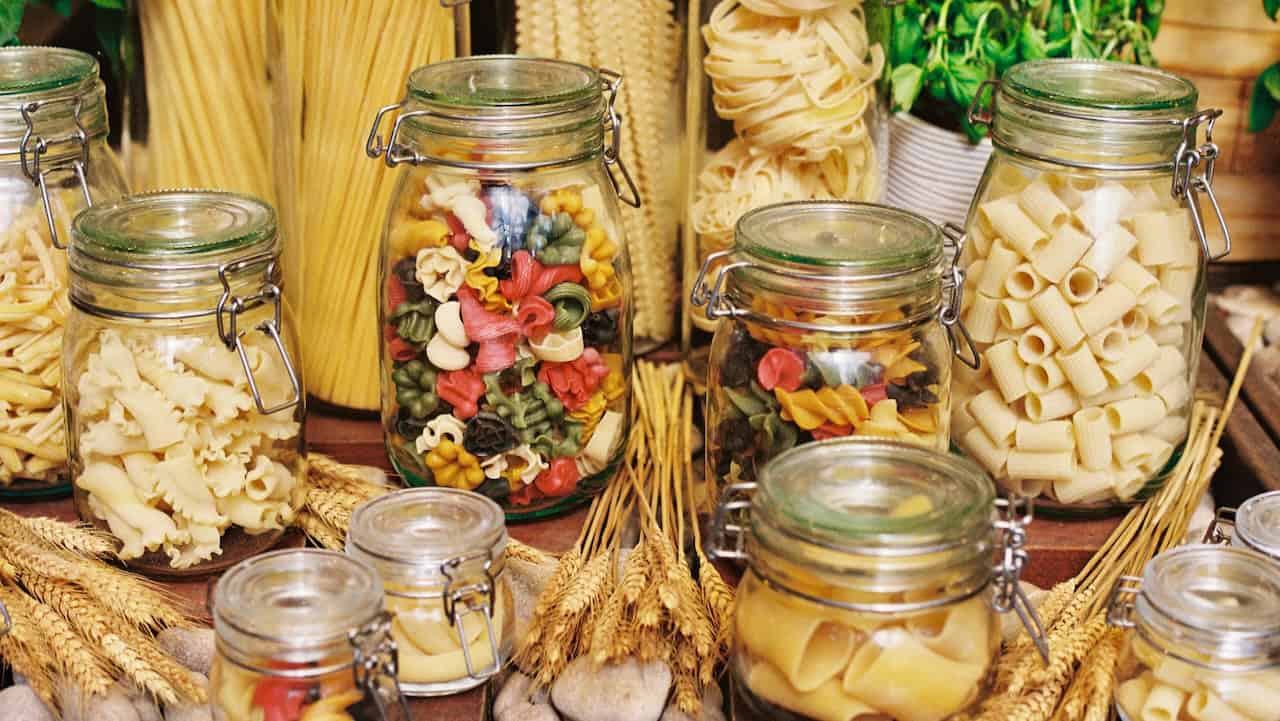
Professional kitchens treat the pantry as the flavor toolkit and the fridge as the fresh-ingredient drawer, with dinner as the assembly between them. That frame flips the home-host assumption that a deeper pantry means a bigger pantry. It does not. A working pantry is organized around four levers any cook can pull on a Tuesday night and a Saturday dinner alike.
Those four levers are acid, salt, fat, and heat. Each has two or three specific jars, cans, or bottles that deliver it cleanly into roasted vegetables, a five-minute dressing, or a save-the-night pasta.
By the end of this read, you have a stocking priority by lever, ten pantry staples that earn shelf space, an Asian-pantry layer worth adding, and the mistakes that turn a good shelf into a graveyard of single-use jars.
At a Glance
- Stock the pantry around four working levers (acid, salt, fat, heat), not around recipes or printable checklists.
- Ten high-leverage staples carry weeknight cooking into hosting: olive oil, vinegar, canned tomatoes, beans, anchovies, miso, soy, tahini, chili crisp, preserved lemons.
- Buy the first wave (oil, vinegar, salt, tomatoes, beans, pasta) before any specialty jar. It covers 80 percent of weeknight dinners.
- Organize by use, not by category: daily items at eye level, the 18-inch rule above the stove, six-month spice rotation.
- The most common mistake is buying a single-use specialty jar before the everyday staples are restocked.
What Is a Hosting Pantry (and How It Differs From a Survival Pantry)
A hosting pantry is a small, edited shelf of shelf-stable ingredients that exist to turn fresh-market produce, meat, or fish into a dinner guests will want a second plate of. It is built around flavor leverage, not week-by-week food security. A survival pantry stockpiles calories against a power outage; a hosting pantry stocks the flavor bombs (canned tomatoes, anchovy, miso, vinegar, olive oil) that let a host spend forty minutes cooking and an hour at the table. The list of pantry staples below is short on volume and long on impact.
Five Flavor Categories Every Host’s Pantry Needs
Every shelf-stable ingredient in a hosting pantry slots into one of five jobs. Sort the staples for pantry shopping by job and the list shrinks. The host who knows what each category does at the stove edits the cabinet down to a working set.
The five flavor categories, what each does, and what to stock for it:
- Acids: red wine vinegar, sherry vinegar, lemon juice, preserved lemons. The lever that wakes up roasted vegetables and balances rich sauces.
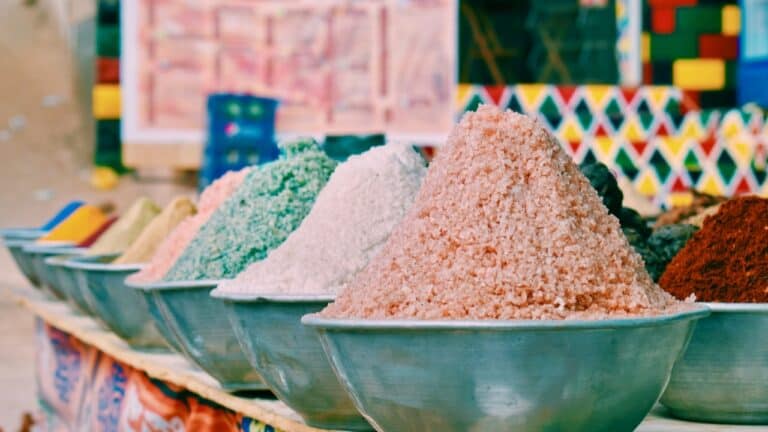
- Salts and umami: kosher salt, soy sauce, fish sauce, miso, anchovy, parmesan rind. The lever that adds depth without adding ingredients.
- Fats: extra-virgin olive oil, neutral oil (grapeseed or sunflower), tahini, toasted sesame oil. The lever that carries flavor across the plate.
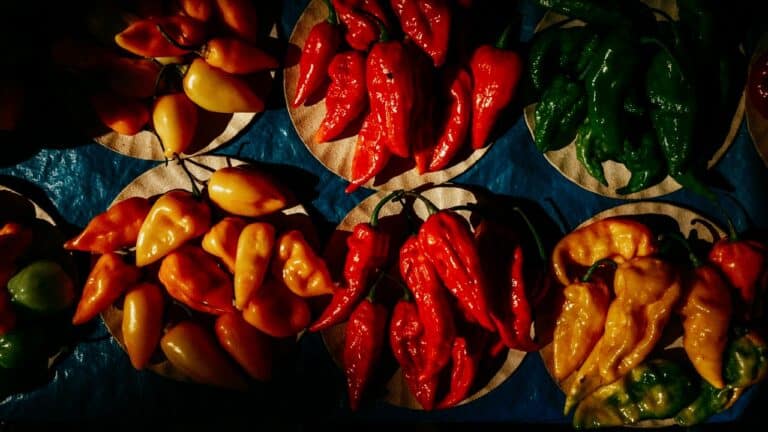
- Heats: chili crisp, dried chiles, smoked paprika, gochugaru, black pepper. The lever that pushes a dish from gentle to alive.
- Aromatics and bulk: canned tomatoes, white beans, dried pasta, rice, dried mushrooms, garlic. The bulk ingredients the four levers act on.
Smitten Kitchen’s own deep cut on how to stock the cabinet sorts by similar instinct, with a strong personal voice on which oils and vinegars she keeps within arm’s reach of the stove.
Acid, Salt, Fat, Heat: The Four Working Levers Behind a Good Cabinet
Samin Nosrat made the four-element frame famous in 2017 and working cooks now think in those terms. The four levers decide whether a dish tastes flat, sharp, heavy, or alive. The Kitchn’s list of the must-have pantry staples cooks reach for forever maps closely to the four-lever cut.
How to think about each lever at the stove:
- Acid: every dish needs at least one acid in the last two minutes. Lemon juice on roasted broccoli, sherry vinegar in a stew, a teaspoon of preserved lemon brine over chicken.
- Salt: salt seasoned in layers (early for vegetables, late for meat) does more than salt added at the table. Kosher salt for cooking, flaky salt to finish.
- Fat: good olive oil over a dish at the end is not optional. A finishing fat (oil, tahini, toasted sesame, butter) carries flavor and signals that the cook cared.
- Heat: a measured push from chili crisp, smoked paprika, or fresh black pepper makes a dish feel finished. Heat is the lever home cooks under-pull.
Run a finished dish across all four levers before plating. If one is missing, add it. The TGH complete cooking-techniques list for home hosts covers the heat, knife, and timing skills that sit downstream of the pantry. The four-lever audit catches more flat dinners than any new recipe.
|
Keep Your Best Dishes On Hand |
Canned, Jarred, and Tinned Staples That Earn Their Shelf Space
Canned and jarred is where a pantry staples list usually goes wrong. Hosts buy one of everything and use a third. Edit hard. Five canned or jarred items carry most dinner-party cooking. The Kitchn’s piece on the canned goods cooks reach for most often converges on a similar five.
The five canned and jarred staples worth the shelf:
- Whole peeled San Marzano-style tomatoes: the base of every red sauce and braise. Two 28-ounce cans is the standing inventory.
- Cannellini or chickpea beans: drain, rinse, finish dinner in 20 minutes (white bean stew, pasta e fagioli, mashed bean toast).
- Anchovies in olive oil: one tin melted into hot oil with garlic does the work of stock. The cleanest umami lever in the cabinet.
- Tuna packed in olive oil: a hosting-grade pantry meal in eight minutes (tuna puttanesca, tuna white bean salad, tuna toast).
- Tomato paste in a tube: a tube lasts six months versus a half-used can that grows mold in a week.
Food52’s test kitchen weighed in with their own list of shelf-stable staples they refuse to be without, and the tomato-bean-anchovy spine shows up there too. The TGH essential cookware guide for home hosts pairs naturally with this list: a Dutch oven, a heavy pan, a sieve. Keep the five staples above stocked. Treat anything beyond them as situational.
Dry Goods: Pastas, Grains, and Beans Worth Buying Once
Dry goods are the bulk under the flavor levers. Buy in quantity, store in glass, rotate every six months. Food52’s piece on eleven pantry staples that turn into dinner lands on a similar spine: pasta, rice, beans, lentils, with one or two specialty grains for variation.
Buy these dry goods once for the season and restock when half-empty:
- Pastas: short shape (rigatoni or penne), long shape (spaghetti or linguine), and one small soup pasta (orzo or ditalini).
- Rice: a long-grain (basmati or jasmine) and a short-grain (arborio or sushi rice). Skip the parboiled supermarket box.
- Beans and lentils: dried cannellini, dried black beans, and French green lentils (du Puy).
- One specialty grain: farro, pearl couscous, or polenta. Pick one and use it three ways before adding another.
- Flour and sugar: all-purpose flour, sugar, baking soda, baking powder. For roux, dredging chicken, and the dessert a guest brought ingredients for.
Decant pasta and rice into glass jars within a day. Cardboard boxes attract pantry moths and hide what is low. A working pantry staples shopping list runs short: two pastas, two rices, three beans, one specialty grain, flour, sugar. The TGH kitchen hacks for cooking guide covers the storage moves that keep the cabinet honest. The visual inventory is the point.
|
Hosting Tip: Decant Pasta and Rice Promptly |
Asian Pantry Layer (Soy, Miso, Fish Sauce, Chili Crisp, Sesame)
The single best upgrade for a pantry that already has olive oil and tomatoes is an Asian pantry layer. Five jars and bottles unlock dozens of confident weeknight dinners. Asian pantry staples sit alongside the Italian-leaning cabinet and carry cooking in a different direction.
Five Asian pantry staples, what each does, and the easiest first dish:
- Soy sauce: Japanese-style koikuchi (Kikkoman or San-J). The everyday umami lever. First dish: cold sesame noodles.
- Miso paste (white or red): a tub lasts a year in the fridge and brightens dressings (white) or glazes salmon (red). First dish: miso butter on roasted carrots.
- Fish sauce: Red Boat or Three Crabs. A teaspoon disappears into stir-fries and dressings, never tastes fishy. First dish: Vietnamese chicken salad.
- Chili crisp: Lao Gan Ma, Fly By Jing, or a craft brand. Goes on eggs, dumplings, ice cream. First dish: chili crisp on scrambled eggs.
- Toasted sesame oil: the finishing fat for stir-fries, noodle bowls, and salad dressings. Always added off the heat, never to fry in.
The Woks of Life’s piece on Lao Gan Ma and how to use it at the home stove is the clearest read on why chili crisp earns a jar, and Just One Cookbook’s guide to miso paste types explains the white-versus-red call at the fridge.
Stocking Order: What Should You Buy First, Second, and Third?
Stocking the pantry from zero (or rebuilding after a move) goes faster in three waves than as one giant shopping list. Each wave is a real jump in what the cook can do. The Kitchn’s low-budget pantry build runs the same logic: front-load the cheapest, most-versatile items first.
The three waves, in priority order (use this as the pantry staples grocery list, top to bottom):
- Wave 1 (the first $80): olive oil, kosher salt, black pepper, red wine vinegar, canned tomatoes (two), white beans (two), pasta (two shapes), rice, garlic, onions. Covers 80 percent of weeknight dinners.
- Wave 2 (the next $60): soy sauce, sherry vinegar, tomato paste in a tube, anchovies, tuna in olive oil, lentils, oats, all-purpose flour, smoked paprika, dried oregano. Opens up braises, stews, and dressings.
- Wave 3 (the specialty $50): miso, tahini, chili crisp, preserved lemons, fish sauce, toasted sesame oil, sumac, gochugaru. This is where hosting-grade flavor lives.
Resist skipping ahead. A cabinet with chili crisp and tahini but no olive oil runs out of dinner ideas by Wednesday.
|
Turn Your Pantry Plan Into A List |
Pantry Organization (Labels, Rotation, and the 18-Inch Rule)
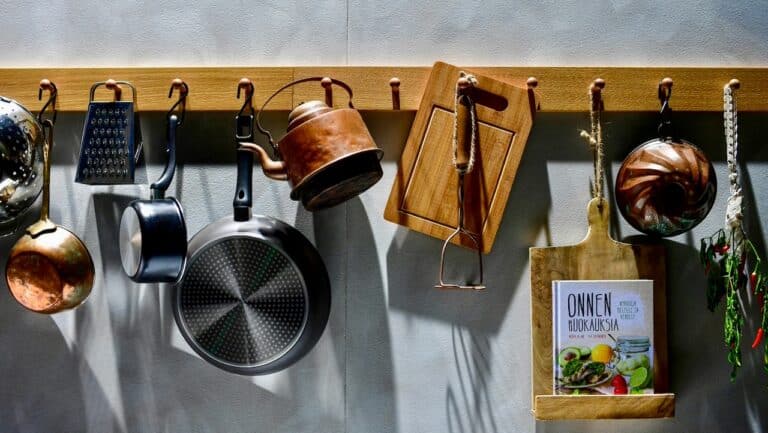
Organization is half the value of a hosting pantry. The goal is a shelf where the cook knows in three seconds what is low and what is hiding behind the soup cans. The TGH kitchen organization pantry ideas covers the lighting, container, and labeling decisions that make the difference at the stove.
Four rules that turn a cabinet into a working pantry:
- The 18-inch rule: anything above 18 inches over the stove gets dusty and greasy fast. Keep oils, vinegars, and daily spices on a shelf at hand height or in a drawer beside the range.
- Label by date, not just contents: write the purchase month on the lid of every spice jar with a paint pen. Six-month rotation on dried spices, twelve on whole spices.
- Clear glass for dry goods: if you can see it, you will use it. Decant pasta, rice, beans, lentils, flour, and sugar into matching jars.
- One shelf for one job: all oils and vinegars on one shelf, all canned goods on another, all dry goods on a third. The visual hierarchy is what makes the audit fast.
The Kitchn’s meal-planning pantry framework walks a related ten-item core for week-at-a-time cooks. Spend an hour on the cabinet once and save twenty minutes a week at dinner prep.
Common Hosting-Pantry Mistakes (Stale Spices, Single-Use Specialty Buys)
Even a well-edited pantry drifts. Stale spices, an unused harissa jar, three vinegars that taste alike. Six mistakes show up most often during an honest pantry audit. The Kitchn’s chef-approved staples piece calls out a few of the same drift patterns.
Six mistakes, each with a sixty-second fix:
- Stale ground spices: anything older than six months has lost half its punch. Toss and rebuy. Buy small jars more often.
- Single-use specialty jars: the harissa bought for one recipe still half-full eighteen months later. Buy specialty jars only when you can name three dishes you will use them in.
- Three vinegars that taste alike: two distinct vinegars (sherry plus rice, or red wine plus apple cider) beat four overlapping bottles.
- Olive oil left on the counter: light and heat oxidize oil within weeks. Store in a dark cabinet away from the stove.
- Bulk-club mega-sizes: a five-pound jar of dried oregano is not a deal if it is stale by month four. Costco pantry staples logic only works for the items you actually go through (oil, rice, beans).
- Restocking specialty before basics: running out of kosher salt or olive oil is the more expensive mistake than running out of preserved lemons.
Once a season, pull every jar off the shelf and put back only what gets used. Donate the rest. A short shelf of working ingredients hosts better than a long shelf of single-use jars.
How to Make the Pantry Earn Its Shelf Space Every Week
The pantry that works is the one used at least three times a week. A shelf that gets opened only on Saturday for the dinner party is half-stale by month six. Use the cabinet weekly and the cabinet stays sharp. Pair the pantry with a working cooking habit and the difference shows up in how dinner lands.
Pantry staples recipes that earn weekly rotation tend to share a logic: short ingredient list, long flavor reach. A small set of vegan pantry staples (lentils, chickpeas, tahini, miso) also extends the same shelf into plant-forward dinners.
Four habits that keep a hosting pantry working:
- Cook a Tuesday pantry dinner once a week (cannellini bean soup, pasta with anchovy and breadcrumbs, lentil stew over rice).
- Run a five-minute Sunday audit during meal-plan time, noting what is low or near its punch-date.
- Add one new specialty jar per month (preserved lemons, sumac, miso) and use it three times that month.
- Run a quarterly purge of dried spices and condiments past their punch date.
For the wider cooking routine, the TGH five-hours-a-week cooking guide covers how this pantry rhythm sits inside a broader practice. A small core stocked deeply does more than a sprawling cabinet stocked once and forgotten.
Frequently Asked Questions
What pantry staples should every home cook have?
Every home cook should keep ten core pantry staples on hand, led by olive oil, kosher salt, and canned tomatoes. Round out the list with red wine vinegar, white beans, pasta, rice, soy sauce, anchovies or fish sauce, and tomato paste in a tube. Those ten items cover roughly 80 percent of weeknight dinners.
What are the best pantry staples for cheap meals?
The best pantry staples for cheap meals are dried beans, lentils, rice, pasta, canned tomatoes, oats, and tinned fish (anchovies, sardines, tuna). All of them keep for a year, cost under three dollars per pound or per can, and turn into hearty dinners with one or two fresh ingredients added.
What is a basic pantry staples list?
A basic pantry staples list covers six categories: oils (olive and neutral), acids (vinegar and lemon), salts (kosher and finishing), dry bulk (pasta, rice, beans), canned tomatoes, and dried spices (black pepper, oregano, smoked paprika). Twenty items total, enough to cook two weeks of varied dinners without a grocery run.
What are the most versatile pantry staples for hosting?
The most versatile pantry staples for hosting are canned tomatoes, anchovies, miso paste, tahini, and preserved lemons. Each one transforms multiple cuisines (Italian, Japanese, Middle Eastern) and works in dressings, braises, marinades, or finishing sauces. Five jars cover an enormous flavor range without a single recipe-specific buy.
What Asian pantry staples should I keep stocked?
Five Asian pantry staples carry most weeknight Asian cooking: Japanese soy sauce, miso paste, fish sauce, chili crisp, and toasted sesame oil. Add rice vinegar and gochugaru as a second wave. Korean pantry staples like gochujang and doenjang join naturally once the first five are in regular rotation.
Which pantry staples are worth buying organic?
Organic pantry staples are worth the upgrade for items eaten plain or in large quantity: olive oil, canned tomatoes, dried beans, oats, and whole grains. Skip organic premiums on items used in tiny quantities (soy sauce, vinegar, tomato paste) where the flavor and food-system impact are smaller per dollar spent.
Continue Reading:
More On Pantry Power Players
- Types of Miso and How to Use White vs Red Paste
- How to Use Anchovy and Colatura Without Tasting Fishy
- Preserved Lemons and Why One Jar Lasts a Whole Year
- Tahini Sauce in 5 Minutes That Saves Any Dinner
- 5 Chili Crisp Recipes Every Home Host Should Master
More from The Gourmet Host
- 16 Mashed Potato Bar Toppings and Easy Setup Ideas
- Different Methods and Techniques For Cooking Like a Chef
- Winter Party Activities: 7 Ideas from Wonderland Nights to Solstice Suppers
- Expert Healthy Dinner Party Menu With Tips from a Toronto Dietitian
- Beyond the Plate: How to Design a Menu that Fosters Closer Connections
Explore TGH Categories
- Set the Scene
- Drinks and Bar
- Plan the Meal
- Engage with Guests
- Games and Toasts
- Tools and Techniques
- Why We Gather