Types of Vinegar and the 5 You Should Always Pour
 16 min read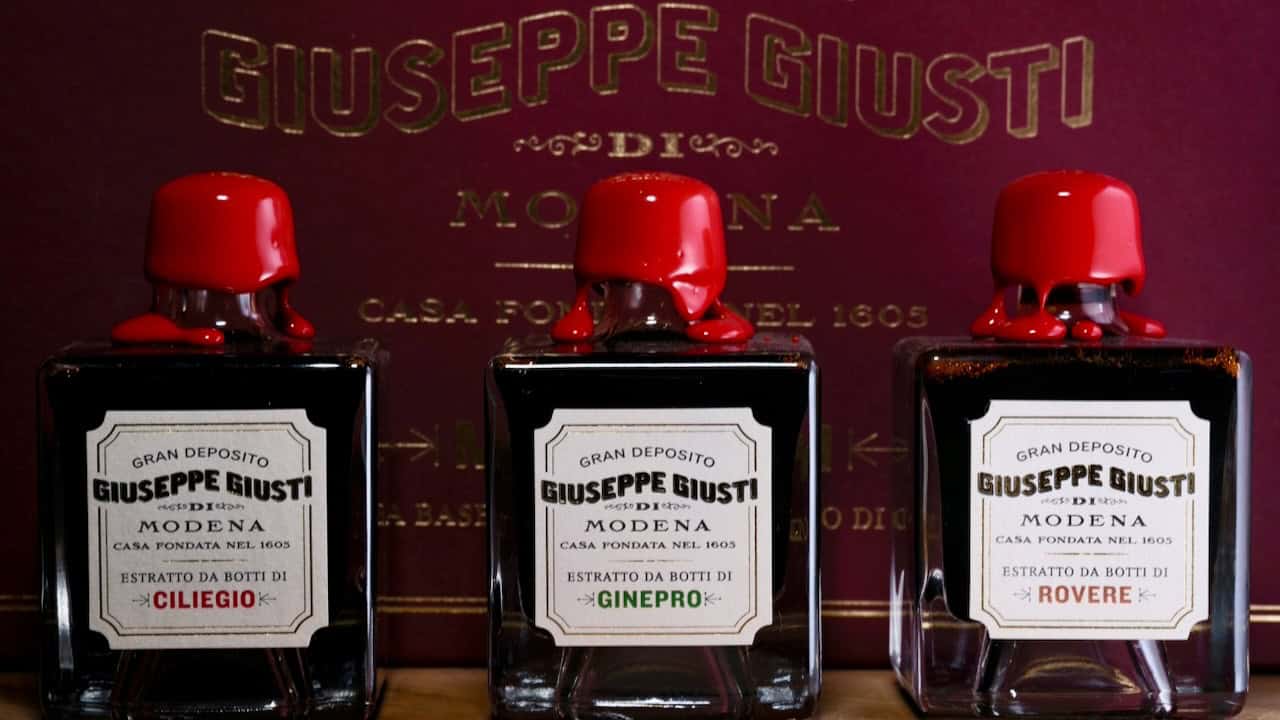
Sherry vinegar goes in at the end of a slow-cooked Spanish stew. One tablespoon stirred into the pot, off heat, in the last minute before serving. The pot smells different inside thirty seconds.
Whatever flatness sat in the braise lifts, the meat reads brighter, and the whole dish stops feeling heavy.
That move is what a properly used vinegar does in any pan, the moment a host stops thinking of vinegar as a salad-dressing ingredient.
Five vinegars cover almost every vinaigrette, pan sauce, salsa, and quick pickle a home host will pour in a year. Red wine, sherry, apple cider, balsamic, and rice. Stock those five, learn the three vinaigrette ratios that follow, and the bottled-dressing aisle becomes a thirty-second whisk at home.
At a Glance
- Five vinegars cover the host’s year: red wine, sherry, apple cider, balsamic, and rice. The rest are specialty bottles.
- Red wine is the daily vinaigrette and pan sauce. Sherry is the finishing splash for stews and roasted vegetables.
- Balsamic splits three ways: traditional Aceto Balsamico di Modena (DOP, aged 12 plus years), Modena IGP (the everyday bottle), and balsamic glaze (already reduced).
- Vinaigrette ratios that always land: 3:1 oil to vinegar for delicate greens, 2:1 for sturdy lettuces, plus the Dijon trick for emulsion.
- Open vinegar lasts roughly two years for pasteurized bottles. Sediment in unpasteurized vinegar is normal and harmless.
What Is Vinegar and How Do Cooking Types Differ?
Vinegar is a fermented liquid produced when bacteria convert the alcohol in wine, cider, or rice wine into acetic acid, usually landing between four and seven percent acidity. The base ingredient gives each cooking vinegar its character: red wine grapes deliver a sharp bottle for vinaigrettes, sherry grapes oxidize into a nutty depth, apples ferment into a softer fruit-forward acid for pickling, cooked grape must aged in wood concentrates into balsamic, and fermented rice wine yields the mild bottle that anchors sushi rice. Knowing which type pours into which dish separates a stocked shelf from a working one.
The five-vinegar shelf at a glance, with the job each one does:
| Vinegar | Profile | Best for |
|---|---|---|
| Red wine | Sharp, bright | Default vinaigrette, pan-sauce deglaze |
| Sherry | Nutty depth | Finishing stews, soups, lentils |
| Balsamic | Sweet | Roasted veg, caprese, strawberries, glaze |
| Apple cider | Fruity tang | Pickles, slaws, bright salsas |
| Rice | Mild | Sushi rice, sesame dressings, quick pickles |
Why Five Vinegars Cover Every Vinaigrette and Pan Sauce
Five vinegars (red wine, sherry, apple cider, balsamic, rice) handle the four hosting jobs vinegar shows up for: vinaigrettes for salads, pan sauces for roasts, quick pickles and slaws, and the finishing splash that brightens a braise. Each of the five does one job the others cannot cover, and a pantry holding all five turns into a working set.
- Red wine vinegar: default vinaigrette, pan-sauce deglaze, sharp bright finish on roasted vegetables.
- Sherry vinegar: the nutty depth finish for stews, soups, and lentils. Adds dimension red wine cannot reach.
- Apple cider vinegar: quick pickles, coleslaw, bright salsas, the splash in barbecue sauce.
- Balsamic vinegar: sweetness on roasted vegetables, strawberry plates, caprese; or as a finishing glaze.
- Rice vinegar: sushi rice, sesame dressings, cucumber quick pickles, Korean and Vietnamese sauces.
For a wider survey of how the most common vinegars rank against each other, The Kitchn’s guide to the six most common types of vinegar sets the lay of the land before the five-bottle short list takes over. The Kitchn’s pantry-essential breakdown of the five vinegars hosts should stock is the companion piece. Which red wine vinegar bottle deserves the shelf space comes next.
|
Save Your Everyday Vinaigrette Recipes |
Red Wine Vinegar (The Default for Vinaigrettes and Pan Sauces)
Red wine vinegar is the bottle a host reaches for first. It pours into a classic vinaigrette, deglazes a roast pan into a quick pan sauce, and brightens roasted vegetables with one splash off the heat. A good red wine vinegar tastes sharp and clean, with a fruity grape note underneath. Pick one aged at least six months; anything with no age indication is usually the supermarket baseline and tastes flat next to a small-producer bottle.
Three uses that earn the bottle
- Standard vinaigrette: three tablespoons olive oil to one tablespoon red wine vinegar, half teaspoon Dijon, pinch of salt. Whisks together in twenty seconds.
- Pan-sauce deglaze: one tablespoon into a hot roasting pan after the meat rests. Scrape up the browned bits, reduce by half, finish with butter.
- Finishing splash: a half teaspoon stirred into roasted Brussels sprouts or carrots off heat brightens the dish without acidity dominating.
For the canonical French ratio with the mustard emulsion step, David Lebovitz’s recipe for French vinaigrette walks through the proportions a Paris-trained cook uses on a weekday salad. For an antipasto-style spread where a sharp red wine vinaigrette dresses the cured-meat-and-cheese plate, TGH’s guide to Italian dinner party appetizers and easy antipasto picks covers the pairings. The next bottle is the one that does what red wine cannot reach.
Sherry Vinegar (Spain’s Quiet Star for the Best Bottles on the Shelf)
Sherry vinegar is the bottle hosts skip past at the store and regret skipping the first time someone else’s stew tastes deeper than theirs. Made from oxidized sherry wine and aged in oak barrels in the Jerez region of Spain, it carries a nutty, raisined depth no other vinegar can replicate. Look for bottles labeled Vinagre de Jerez DO or the longer-aged Reserva (minimum two years in oak). The hosting move is the finishing splash, one teaspoon stirred into a lentil soup or chicken stew off heat in the final minute.
- Finish stews: one teaspoon stirred into lentil soup, chickpea stew, or beef braise off heat. The dish brightens immediately.
- Roasted root vegetables: splash on caramelized carrots, parsnips, or beets after roasting. The nutty depth complements the char.
- Gazpacho and salmorejo: the traditional acid in cold Andalusian soups. One to two tablespoons per blender pitcher of tomato base.
- Sherry vinaigrette: swap red wine for sherry in the 3:1 ratio for a salad served alongside smoked paprika dishes and aged Manchego.
The Kitchn called sherry vinegar the most overlooked pantry bottle hosts can stock; The Kitchn’s piece on sherry vinegar as the best cheap-and-overlooked vinegar covers the cost and depth case. For the appetizer hour where sherry-finished bites pair with dry sherry pours, TGH’s roundup of classic aperitifs for dinner parties covers the matching glass. Apple cider vinegar handles the next category.
Apple Cider Vinegar (For Pickles, Slaws, and Bright Salsas)
Apple cider vinegar is the workhorse for anything that needs a softer acid than red wine. The fermented apple base brings fruit-forward sweetness underneath the bite, which makes it the right pour for quick pickles, coleslaws, salsas, and barbecue sauces. Cloudy unfiltered bottles (‘with the mother’) and clear filtered versions both work in cooking; unfiltered ones taste rounder, and the sediment is harmless. Pulled-pork sauce, vinegar-based coleslaw, and apple-cabbage slaw all rely on apple cider as the acid backbone.
Where apple cider does the work
- Quick pickled onions: one cup apple cider vinegar, one teaspoon sugar, one teaspoon salt, sliced red onion. Sits in the jar fifteen minutes; lasts two weeks refrigerated.
- Vinegar-based slaw: swap mayo dressing for apple cider plus oil and Dijon. Holds up at room temperature for a barbecue spread.
- Bright fruit salsa: diced peach, jalapeno, red onion, cilantro, plus one tablespoon apple cider vinegar. Sits on grilled chicken or fish.
- Barbecue sauce base: Carolina-style barbecue sauce starts with apple cider vinegar and a small amount of brown sugar; no tomato required.
For a working cucumber salad that lives on apple cider acid, TGH’s collection of easy summer salads worth making again covers the vinegar dressings hosts return to all season. Balsamic comes next, and the three bottles inside that category trip more hosts than any other vinegar question.
|
Hosting Tip: Add Acid at the End |
Balsamic Vinegar (Traditional vs Modena vs Glaze, and When to Reach for Each)
Balsamic vinegar is three different products sharing a label. Traditional balsamic (Aceto Balsamico Tradizionale di Modena DOP) is cooked grape must aged in wood barrels at least twelve years, syrupy and complex, priced sixty to two hundred dollars per hundred-milliliter bottle, poured by the half-teaspoon over Parmigiano or strawberries.
Modena IGP is the everyday bottle: a blend of wine vinegar and cooked grape must aged sixty days, priced eight to twenty-five dollars, the one for vinaigrettes and roasted vegetables. Balsamic glaze is pre-reduced, a finishing drizzle for caprese or roasted Brussels sprouts.
Which balsamic for which moment
- Traditional DOP (aged 12 to 25 years): the drizzle bottle. Half a teaspoon over Parmigiano, grilled steak, or fresh strawberries. Never cook with it.
- Modena IGP (everyday balsamic): the cooking bottle. Vinaigrettes, glazes, marinades, and roasted vegetable finishes. Use freely.
- Balsamic glaze (pre-reduced): the visual finish. A thin stripe across burrata, grilled peaches, or roasted Brussels sprouts. Skip this if cooking down Modena IGP into a glaze yourself.
- DIY glaze move: reduce a half cup of Modena IGP balsamic in a small saucepan over low heat for ten minutes. The result coats a spoon and costs a quarter of a bottled glaze.
David Lebovitz wrote a definitive piece on visiting a traditional balsamic producer; David Lebovitz on traditional balsamic vinegar in Modena, Italy explains why the price gap between DOP and IGP makes sense once the barrel-aging process is understood. Rice vinegar covers the final category.
Rice Vinegar (Sushi Rice, Quick Pickles, and Asian Dressings)
Rice vinegar is the gentlest acid in the five-bottle set. Made from fermented rice wine, it carries a mild, slightly sweet character (typically four percent acidity, against five to six percent for Western vinegars). That softer profile makes it the right vinegar for dishes where sharp acid would overwhelm: sushi rice, cucumber quick pickles, sesame dressings, Korean banchan, and Vietnamese dipping sauces. Pick unseasoned rice vinegar so the seasoning happens at the dish level.
- Sushi rice seasoning is the foundational use, two tablespoons vinegar plus one tablespoon sugar plus one teaspoon salt per cup of cooked rice.
- Cucumber sunomono combines sliced cucumber, rice vinegar, sugar, salt, and sesame seeds for a five-minute side dish that suits any Asian-inspired dinner.
- Sesame dressing blends rice vinegar, soy sauce, sesame oil, ginger, and sugar; it pours over cabbage, carrots, and herbs for an instant slaw.
- Vietnamese nuoc cham uses rice vinegar, fish sauce, lime, sugar, garlic, and chili as the dipping sauce for spring rolls, grilled meat, and rice bowls.
The Kitchn’s ingredient spotlight covers the seasoned versus unseasoned distinction; The Kitchn’s deep dive on rice vinegar walks through which bottle to buy for which application. The vinaigrette math turns those five bottles into salad dressings on demand.
|
Turn Five Bottles Into Menus |
Vinaigrette Ratios That Always Land (3:1, 2:1, the Mustard Trick)
Vinaigrette is the highest-payoff skill in the vinegar section. Three ratios cover almost every salad a host will dress in a year. The trick that holds the emulsion is Dijon mustard, half a teaspoon per tablespoon of vinegar, whisked in before the oil. The order of operations also matters: salt the vinegar first (salt dissolves cleanly in acid, not in oil), whisk in the Dijon, then add oil in a slow stream while whisking. The result coats greens evenly without separating in the bowl.
The three ratios and when each applies
- 3:1 oil to vinegar: the default. Delicate greens (butter lettuce, arugula, mache), raw vegetable platters, grain bowls. Three tablespoons olive oil per one tablespoon vinegar.
- 2:1 oil to vinegar: sturdy greens (kale, romaine, frisée, raw shaved cabbage), shaved root vegetable salads, dressings that sit fifteen minutes before being eaten.
- 1:1 oil to vinegar: marinades for grilled chicken, fish, or vegetables. Aggressive enough to penetrate; loose enough to brush on.
- Dijon mustard trick: half a teaspoon per tablespoon of vinegar holds the emulsion. The dressing stays whisked together rather than splitting back into layers.
For a step-by-step vinaigrette with the order of operations spelled out, The Kitchn’s tutorial on how to make a basic vinaigrette covers the technique a working cook returns to weekly. Matching vinegar to dish at the broader level comes next.
Vinegar Pairings by Dish (Salads, Roasts, Pan Sauces, Pickles, Marinades)
Pairing vinegar to dish is the move that separates a stocked shelf from a working one. Salads default to red wine for green leaf, balsamic for sweeter compositions, rice for Asian-style. Roasts pair with red wine for European, sherry for Spanish, balsamic for sweet glazes.
- Green salads: red wine vinegar 3:1 with Dijon. Sherry vinegar for the same salad served alongside Spanish or smoked-paprika dishes.
- Caprese, burrata, strawberry plates: balsamic glaze or aged DOP balsamic, drizzled by the half-teaspoon.
- Roasted vegetables: red wine for Brussels sprouts and carrots, balsamic for delicata squash and root vegetables, sherry for roasted parsnips and beets.
- Pan sauces: red wine vinegar for chicken or pork pan sauces; balsamic IGP for steak and venison.
- Slaws and quick pickles: apple cider for cabbage and onion; rice vinegar for cucumber and daikon.
- Marinades: balsamic for chicken thighs and Portobello mushrooms; rice for tofu and salmon; apple cider for pork.
- Finishing splash for braises: sherry vinegar, one teaspoon stirred off heat into beef stew, lentil soup, or braised greens.
Brightland published an accessible guide to vinegar pairings; Brightland’s overview of vinegar varieties and where each one belongs covers pairing logic from a producer perspective. For the pre-dinner layer, TGH’s guide to cocktails and snacks for pairing drinks and bites like a pro walks through the acid moves that work in the appetizer hour. The last layer is the mistakes hosts make most often.
Common Vinegar Mistakes (Using Balsamic for Everything, Old Bottles)
Four mistakes account for almost every flat or off-tasting vinegar moment in a home kitchen. Each is a sixty-second fix with the right bottle within reach.
- Reaching for balsamic when red wine is the right call, since balsamic on a plain green salad reads sweet and heavy. Red wine 3:1 with Dijon is the default; save balsamic for caprese, roasted vegetables, and strawberry plates.
- Skipping the sherry vinegar finish on stews and lentil soups. Both taste flat without an end-of-cooking acid splash, and one teaspoon of sherry off heat changes the pot in thirty seconds.
- Holding open vinegar past its window. Open bottles last roughly two years for pasteurized red wine, balsamic, and rice; one year for apple cider with the mother. Off vinegar reads dull, not bright.
- Cooking with traditional DOP balsamic. The eighty-dollar bottle is meant for the drizzle, not the sauté pan. Use Modena IGP for cooking; the DOP comes out by the half-teaspoon.
Beyond the five-bottle shelf
Escoffier’s culinary school guide rounds out the variety landscape; Escoffier’s overview of vinegar varieties and uses covers champagne, malt, and other specialty vinegars that earn occasional shelf space. David Lebovitz on white vinegar (vinaigre blanc) and where it belongs in a French kitchen is the sixth-bottle pick when a host outgrows the five.
For hosts who want to build a vinegar-based hot sauce as a party activity, TGH’s roundup of the best hot sauce making kits for a DIY dinner party activity covers the kits that pair with the same acid logic.
Five working vinegars, three vinaigrette ratios, and a pairing map between them turn the bottled-dressing aisle into a thirty-second whisk at home. The salads, stews, slaws, and pan sauces that come out the other side taste like the cook meant them to taste.
Frequently Asked Questions
What are the main types of vinegar a home cook should keep stocked?
The five vinegars worth stocking are red wine, sherry, apple cider, balsamic, and rice vinegar. Red wine covers the default vinaigrette and pan sauces, sherry finishes stews and roasted vegetables, apple cider handles pickles and slaws, balsamic covers sweeter dishes, and rice vinegar seasons sushi rice and Asian dressings.
What is the difference between balsamic, sherry, and red wine vinegar?
Red wine vinegar is sharp and clean with a fruit-forward grape note, made for vinaigrettes and pan sauces. Sherry vinegar is nutty and oxidized from oak-barrel aging in Spain, used for stews and finishing splashes. Balsamic is cooked grape must aged in wood, sweeter and more syrupy, used for glazes and roasted vegetables.
Which vinegar is best for salad dressing and vinaigrettes?
Red wine vinegar is the default vinaigrette choice, paired with olive oil at a 3:1 ratio with Dijon mustard for the emulsion. Sherry vinegar works for the same vinaigrette alongside Spanish dishes. Balsamic IGP carries vinaigrettes that lean sweet (strawberry, roasted beet, caprese-adjacent salads).
What is the difference between traditional balsamic and supermarket balsamic?
Traditional balsamic (Aceto Balsamico Tradizionale di Modena DOP) is cooked grape must aged in a succession of wood barrels for at least twelve years, syrupy and complex, drizzled by the half-teaspoon. Supermarket balsamic (Modena IGP) is a blend of wine vinegar and cooked grape must aged sixty days, used freely in cooking.
Can I substitute apple cider vinegar for white wine vinegar in a recipe?
Yes, in equal amounts for most cooking applications, though the result tastes slightly sweeter and softer. For quick pickles and slaws the swap works cleanly. For delicate vinaigrettes where the fruit-forward note would dominate, dilute apple cider vinegar with a small splash of water or use red wine vinegar instead.
How long does a bottle of vinegar last once it’s been opened?
Open vinegar lasts roughly two years for pasteurized bottles (red wine, balsamic, rice, white wine) stored in a cool dark cabinet. Unfiltered apple cider vinegar with the mother lasts about one year before flavor dulls. Sediment in unpasteurized vinegar is harmless. Smell-test before pouring: off vinegar reads flat, not sharp.
Continue Reading:
More On Ingredient Variety Guides
- Kitchen Essentials Every Home Host Should Stock
- Types of Onions Every Smart Home Cook Should Know
- Types of Salt and Which Dishes Each One Belongs On
- Cooking Olive Oil vs Finishing Olive Oil Explained
- 5 Types of Potatoes and Which to Pick for Each Dish
More from The Gourmet Host
- 15 Nacho Bar Ideas to Build a Crowd-Pleasing Spread
- Dining Dialogues: Crafting Conversations as Delicious as the Meal
- Evolution of Western Culinary Knives Through History
- Centrepiece Ideas for Every Dining Room Table
- Non-Alcoholic Cranberry Drinks for Every Holiday Table
Explore TGH Categories
- Set the Scene
- Drinks and Bar
- Plan the Meal
- Engage with Guests
- Games and Toasts
- Tools and Techniques
- Why We Gather