Japanese Drinks: Sake, Highball, Yuzu, Calpis (Plan)
 17 min read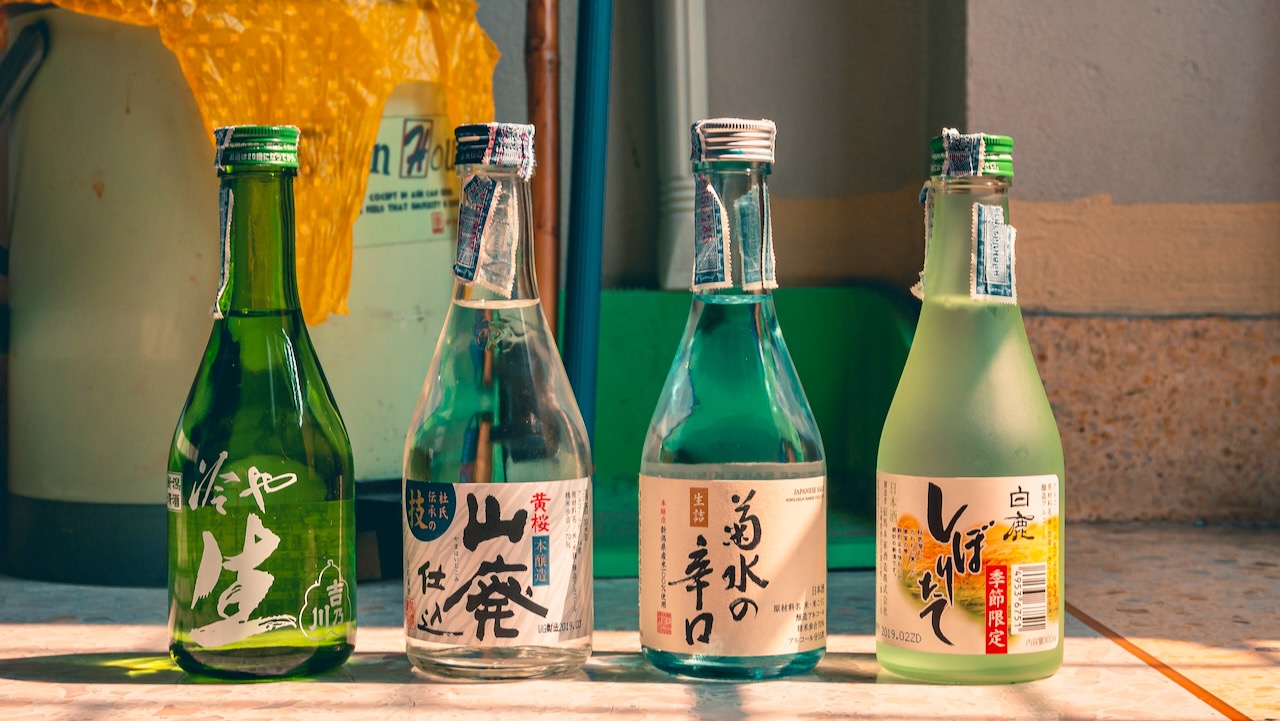
Our first Japanese highball at home was wrong. We used a heavy pour of Toki, three ice cubes that melted in two minutes, and a fizz-flat top-up of soda that turned the glass into a thin whisky cocktail with no architecture. Nobody complained, but nobody asked for a second either, and the bottle of Calpico we had bought for the non-drinkers sat unopened in the door of the fridge because we forgot to dilute and pour it.
What fixed the table was treating Japanese drinks as a sequence, not a list. Beer arrives small and cold, sake or a highball follows mid-meal, and a non-alcoholic anchor (yuzu lemonade, Calpis, chilled barley tea) runs in parallel so guests who skip alcohol stay in the rhythm. Below is the host’s framework for the four named pours: how to read a sake label, why ice volume is the highball’s real variable, what yuzu actually tastes like, and how to mix Calpis without it reading like a lab experiment. Bottle list at the end.
At a Glance
- The Japanese dinner drinks order: small beer first, sake or highball next, non-alcoholic anchor running throughout.
- Sake in three grades (junmai, ginjo, daiginjo) and the polishing-rate basics behind the bottle.
- Sake temperatures that actually match the grade: daiginjo cold, junmai room or warmed.
- The Japanese highball recipe: 1:3 to 1:4 Suntory Toki to soda, packed ice, one stir.
- Yuzu lemonade as the bright non-alcoholic anchor, and Calpis as the kid-friendly second option.
- The Calpis highball: whisky or shochu, a splash of Calpis concentrate, cold soda, and packed ice.
- The two-pour host menu: one bottle, one mixer, one Calpico, one beer back.
What Are Japanese Drinks at a Dinner?
Japanese drinks at a dinner mean the sequenced set of alcoholic and non-alcoholic pours that match a Japanese meal: a small cold beer to open, sake or a Japanese whisky highball through the courses, and a non-alcoholic anchor (yuzu lemonade, Calpis, or chilled barley tea) running alongside for guests who skip alcohol. Japanese alcoholic drinks center on sake, shochu, umeshu, beer, and Japanese whisky highballs. Japanese non alcoholic drinks center on yuzu lemonade, Calpis, ramune, and barley tea. The host’s job is not to serve every category but to pick one anchor from each side, in the right glass, at the right temperature, in the right order.
The Japanese Dinner Drinks Order: Beer First, Sake or Highball Next
The Japanese drinks order at a meal is a host-side decision worth making before guests arrive. A small Sapporo, Asahi, or Kirin lands on the table within ninety seconds of guests sitting down. Sake or a Japanese whisky highball arrives mid-meal, once the first course is on the table and the room has warmed up. Beer is the welcome pour; sake or the highball is the dinner pour.
Why the split exists is practical. A cold lager opens the palate, settles nerves, and gives the host the first minute to greet without serving anything complicated. Sake and the highball both ask the host to do something more deliberate (the right cup, the right temperature, the right ice ratio), and that work goes more smoothly after the first beer is already on the table.
How to stage the pour sequence:
- Welcome pour (0 to 5 minutes): a small bottle of Sapporo, Asahi, or Kirin in a chilled glass, plus a parallel glass of yuzu lemonade or chilled Calpis for the non-drinker.
- Dinner pour (10 minutes in, with the first course): sake in tokkuri and ochoko for the table, or a Suntory Toki highball per guest who prefers it.
- Late pour (with the rice course or after): umeshu over ice for guests who want a softer landing, or a second highball for guests still on the whisky track.
Two backlinks anchor the order. Boutique Japan’s sake home-service primer walks the meal-by-meal sake placement, and our own Japanese Table Etiquette quickstart covers the pouring and toast conventions that go with the order.
Lock the order in advance, post it on the fridge if you need to, and let the meal do the rest.
|
Set the Drink Menu in Advance |
Sake 101: Junmai, Ginjo, Daiginjo, and the Polishing Rate
Sake is brewed rice wine, but the label that matters to a home host is the grade. Three grades cover any home dinner: junmai (the everyday pour), ginjo (the step up), daiginjo (the special-occasion pour). The grade tracks how much of the outer rice grain is polished away before fermentation, expressed as a polishing rate.
Polishing Rate, in Plain Terms
Polishing rate is the percentage of the rice grain remaining after milling. A lower number means more of the outer grain has been removed, which produces a cleaner, more aromatic sake. The three grades land at predictable polishing thresholds:
- Junmai: no minimum polish required (typically 70 percent or higher). Body-forward, rice-forward, slight savory edge. Pairs with grilled fish, yakitori, miso.
- Ginjo: 60 percent or lower polishing rate. Cleaner, floral nose, lighter body. Pairs with sashimi, tempura, lighter sushi.
- Daiginjo: 50 percent or lower polishing rate. Distinctly aromatic (think pear, melon, white flower), very clean finish. Pairs with delicate raw fish or stands alone as a tasting pour.
Nigori, Junmai-Ginjo, and the Modifier Labels
Two modifiers show up on bottles often enough to recognize. Nigori is unfiltered sake, cloudy white, sweeter and creamier in the glass. Junmai-ginjo is a ginjo brewed without added distilled alcohol (the junmai prefix means rice-only). For a home dinner, a single bottle of junmai-ginjo from a producer like Dassai, Hakkaisan, or Tedorigawa covers most of the room without overcommitting to a grade.
Two source-backed reads worth keeping on hand: Diffords Guide’s sake reference for the technical breakdown, and the Sake School of America’s guide to the five main types of sake for the grade-by-grade tasting notes a host can paraphrase at the table. Both sources land sake in the same place: clean rice, clean water, careful polishing, predictable categories.
Pick one grade for the night and stop. Two grades reads like a tasting; one bottle reads like a dinner.
How to Serve Sake: Cold, Room, or Warm (Match the Grade)
Temperature signals the grade. Daiginjo and ginjo serve chilled, because the cold preserves the aromatics that the polishing produced in the first place. Junmai serves at room temperature, gently warmed, or even hot, because junmai’s rice-forward body opens up when warm and turns flabby when cold. The wrong temperature does not ruin the sake, but it flattens the difference between paying for a daiginjo and paying for a junmai.
The host’s temperature rule of thumb:
- Daiginjo: pour at 8 to 12 degrees Celsius (46 to 54 Fahrenheit). Pull the bottle from the fridge 10 minutes before serving so it lifts off the ice-cold floor.
- Ginjo: pour at 10 to 15 degrees Celsius (50 to 59 Fahrenheit). Cellar-cool, not fridge-cold.
- Junmai: pour at room temperature (20 degrees Celsius / 68 Fahrenheit) or warm in a hot-water bath to 40 to 45 degrees Celsius (104 to 113 Fahrenheit). The neck of the tokkuri should feel warm to the wrist.
- Nigori: pour cold and shake the bottle once gently before pouring to redistribute the lees.
Tokkuri, Ochoko, and the Pouring Convention
Sake serves in two vessels at a home dinner: the tokkuri (a small carafe, often porcelain) and the ochoko (the small cup, often ceramic). A standard set comes with one tokkuri and four to six ochoko. Pour sake from the tokkuri into the ochoko for guests; never pour your own. Pour two-thirds of the cup, leave room at the rim, and refill once the cup hits half-empty. The pouring rhythm is the second half of the ritual.
If you do not own a tokkuri, a small ceramic milk jug works for room-temperature pours; a glass measuring cup with a spout works in a pinch for warm pours. The vessel matters less than the temperature. Boutique Japan’s sake 101 primer covers vessel substitutions for home cooks. Our companion read on wet bar versus dry bar glassware decisions covers how to stock a small bar to handle sake, highball, and non-alcoholic pours from one shelf.
Hold the temperature, hold the pour rhythm, and the sake course handles itself for the rest of the meal.
The Japanese Highball: Toki, Soda, and Lots of Packed Ice
A Japanese whisky highball is one part Japanese whisky to three or four parts soda water over packed ice. The bar version uses a tall narrow Highball glass, a single long ice spear or a column of densely packed cubes, and a quick stir with the bar spoon lifted straight up so the soda holds carbonation. The drink is the most-consumed cocktail in Japan today, and at a home dinner it works because it cuts richness (yakitori, tempura, gyoza) without the weight of a full Old Fashioned or Negroni.
The bottle choice matters less than the ratio. Suntory Toki is the bar standard for highballs in Tokyo (smooth, citrus-forward, designed for soda). Suntory Kakubin (the yellow-label) is the household standard at a lower price point. Hibiki Harmony is the special-occasion pour. A single bottle of Toki covers a six-guest dinner with two highballs each and still has whisky left in the bottle.
Why Ice Quantity Is the Real Variable
The variable nobody talks about is ice volume. A loose four-cube pour melts in two minutes, dilutes the drink past recognition, and turns the highball into a weak whisky water. A packed-ice glass (one large rock or a tall column of cubes filling the glass to the rim) melts slowly, keeps the drink cold, and lets the carbonation hold. The fix is mechanical: fill the glass with ice to the rim, then pour. Do not skimp.
Bar-spoon method for a six-glass dinner:
- Chill the glasses in the freezer for 30 minutes before the meal. A frosted Highball glass extends the drink by five degrees.
- Fill each glass with ice to the rim, packed densely. One large rock plus three cubes is the cleanest version.
- Pour 1 ounce of Toki (30 ml). Top with 3 to 4 ounces of cold soda water (90 to 120 ml).
- Stir once, lift the bar spoon straight out, garnish with a wide strip of lemon peel. Serve immediately.
Three sources land the technique. Diffords Guide’s Japanese-Style Highball entry covers the canonical ratio. Punch’s Suntory Toki recipe walks the bar-spoon stir and the lemon-peel garnish. Garden & Gun’s Japanese whisky highball editorial makes the case for the drink as a dinner cocktail (light, food-friendly, low ABV per glass). Our adjacent read on cocktails and snacks pairing covers the food side: which Japanese small bites the highball lifts and which it dulls.
Pour the highball with packed ice or do not pour it at all. The ratio is half the drink; the ice is the other half.
|
Hosting Tip: Mix the Yuzu Base Before Guests Arrive |
Yuzu Lemonade: The Bright Non-Alcoholic Anchor
Yuzu is a Japanese citrus that tastes like the offspring of lemon, lime, and pomelo: tart, fragrant, slightly floral, with a higher aromatic intensity than any of its cousins. Bottled yuzu juice (Yakami Orchard, Mizkan, or the Japanese-grocery house brands) keeps in the fridge for months once opened, and a yuzu lemonade built from juice, soda water, and a touch of honey is the non-alcoholic anchor that holds the table for the guest who skips the highball.
The Build at Home
The yuzu lemonade build for one tall glass: 1 ounce of yuzu juice (30 ml), 0.5 ounce of simple syrup or honey-water (15 ml), 4 ounces of cold soda water (120 ml), poured over packed ice with a wide strip of lemon peel. The drink reads as a brighter, more aromatic version of a homemade lemonade with carbonation, and pairs with every Japanese course the highball pairs with.
Yuzu also has a kitchen life worth knowing about. The juice is the base for ponzu sauce, used as a finishing acid on grilled fish and tempura. Pouring the same juice into a glass as a drink draws on the same flavor your guests are tasting on the plate. The pour and the dish share an acid, and the room feels coherent.
How yuzu reads at the table:
- Color: pale yellow-gold, slightly cloudy if the juice is unfiltered.
- Nose: pomelo and lemon zest, with a softer floral edge than a Meyer lemon.
- Palate: tart on the front, slightly bitter mid-palate, a clean dry finish.
- Glass: a tall Highball or Collins, packed with ice, garnished with lemon peel rather than yuzu peel (which is hard to source fresh).
Two reference reads ground the drink. Just One Cookbook’s yuzu profile explains the fruit’s flavor, seasonality, and storage. The same publication’s yuzu ponzu recipe shows how the juice lives on the dinner plate. For a layered-citrus precedent in the TGH library, our Sunrise Mocktail recipe covers the build logic for a tall, layered, tequila-free citrus drink that brunches the same way yuzu dinners.
Stock the juice once and the yuzu lemonade is a default move for the rest of the season.
Calpis (Calpico in the US): The Yogurt-Adjacent Pour
Calpis is a Japanese concentrate that tastes like a diluted, sweet, slightly carbonated yogurt drink. It is sold as Calpico in the United States, because the original name reads awkwardly in English. The flavor sits between vanilla yogurt and a slightly sweet Yakult, lighter and more carbonated when diluted. At a Japanese dinner it functions as the second non-alcoholic anchor: the kid-friendly pour, the dessert-adjacent pour, the late-evening pour for guests who are done with soda and citrus.
Concentrate, Water, Soda, and Ice
Calpis sells in two forms in the US: the concentrate (an 18-ounce bottle, intended to be diluted) and the ready-to-drink bottle (already mixed, less common). The concentrate is the form to stock, because the dilution ratio is the host’s lever. Standard dilution is 1 part concentrate to 4 to 5 parts cold water or cold soda water. Soda water gives the drink lift and reads more refreshing at the table; still water gives a milkier, fuller-bodied pour for guests who want a calmer drink.
The host’s Calpis build:
- Fill a tall glass with packed ice.
- Pour 1.5 ounces (45 ml) of Calpis concentrate over the ice.
- Top with 6 to 7 ounces (180 to 210 ml) of cold soda water. Stir once gently.
- Garnish with nothing (the drink reads finished as is) or a single strawberry on the rim if guests are dessert-leaning.
Why Calpis works as a host’s pour: the concentrate-and-water ritual mirrors the sake and highball builds happening on the alcoholic side of the table, so non-drinking guests are doing the same hand motion as everyone else. The drink also pairs with dessert (matcha mousse, mochi, anything cream-forward) without competing. Bokksu Market’s overview of Calpico covers the brand history and the US naming change. Our reference read on the best non-alcoholic drinks to order at a bar covers the broader non-alcoholic decision the host is making for guests who skip alcohol entirely.
One bottle of Calpico concentrate covers a six-guest dinner twice over and reads as a deliberate choice, not a fallback.
Calpis Highball
A Calpis highball (a Calpico highball in the US) is a whisky highball with a splash of the concentrate stirred in. It is a common izakaya order in Japan, where the shochu version usually shows up on the menu as a Calpis sour. The drink tastes like a sweet, tangy yogurt soda with a soft whisky finish.
The host’s Calpis highball build:
- Fill a tall Highball glass with packed ice to the rim.
- Pour 1 ounce (30 ml) of Suntory Toki or shochu and 0.75 to 1 ounce (22 to 30 ml) of Calpis concentrate. Stir to blend.
- Top with 3 to 4 ounces (90 to 120 ml) of cold soda water. Stir once, gently.
- Garnish with a thin lemon wheel, or leave it plain.
Blend the concentrate into the spirit before the soda goes in. Calpis is thick and settles to the bottom of the glass if it goes in last. For guests skipping alcohol, leave out the whisky and pour the Calpis build above in the same glass.
|
Know What Each Pour Really Costs |
The Two-Pour Japanese Dinner Menu: One Bottle, One Mixer, One Calpico
The host’s framework collapses into a two-pour menu that runs the night without a third decision: one bottle of Suntory Toki for highballs, one bottle of Calpico concentrate for non-drinkers, and one liter of cold soda water that serves both. A bottle of cold Sapporo on the side covers guests who want beer. The full kit fits on the corner of the kitchen counter and the host’s decision count for the evening is zero.
The Shopping List
- One 750 ml bottle of Suntory Toki (Japanese whisky, the bar standard for highballs).
- One 18 oz bottle of Calpico concentrate (the US name for Calpis).
- Two 1-liter bottles of cold soda water (sparkling, unflavored, well-chilled).
- One six-pack of Sapporo, Asahi, or Kirin in 12 oz bottles or cans (the beer back).
- One bottle of yuzu juice (Yakami Orchard or equivalent), 750 ml, for the second non-alcoholic pour.
- One bag of large clear ice cubes from the freezer or the corner store (the variable that makes the highball).
Glass and Pour Timing
Glass list: four small beer glasses, six tall Highball or Collins glasses for the highball and Calpico pours, six ochoko cups and one tokkuri if sake is on the menu. Two of the highball glasses double as yuzu lemonade glasses, because the drinks share a build pattern and a temperature.
Timing for a 7 pm dinner with six guests:
- 6:45 pm: chill the highball glasses in the freezer; pull the Calpico and yuzu juice from the fridge so they are not ice-cold.
- 7:00 pm: greet guests with a small Sapporo and a parallel Calpico for the non-drinker.
- 7:15 pm: first course on the table, switch to highballs (one per guest) or open the sake tokkuri.
- 8:00 pm: second highball or second sake round; refill the Calpico pour for the non-drinker.
- 8:30 pm: dessert; refill Calpico or pour a small umeshu over ice for guests who want a softer landing.
The list is intentionally short. Hosting decisions multiply when the bar stretches; a two-pour menu collapses them. The two-pour menu is what a host actually serves on a weeknight, not what a sake bar would build for a tasting. The Closing Block has the cluster’s other country menus for guests who want to repeat the same framework for Italian, Mexican, or Indian dinners.
Frequently Asked Questions
What is the most popular Japanese alcoholic drink at a dinner?
Sake remains the most-poured Japanese alcoholic drink for a sit-down meal, especially with sushi or kaiseki-style menus. The highball (Japanese whisky plus soda over ice) has overtaken sake in Tokyo casual dining over the last decade. Beer (Asahi, Sapporo, Kirin) leads at home tables and yakitori bars.
How do you serve sake at a Japanese dinner party?
Pour sake from a small carafe (tokkuri) into small cups (ochoko) for guests, never pour your own. Daiginjo and ginjo grades serve chilled; junmai serves at room temperature or gently warmed to 45 degrees Celsius. Pour two-thirds of the cup, never to the rim, and refill when the cup is half-empty.
What is a Japanese highball?
A Japanese highball is one part Japanese whisky (typically Suntory Toki, Kakubin, or Hibiki Harmony) topped with three to four parts soda water over packed ice. The technique matters: stir once and lift the bar spoon out so the soda holds its carbonation. It is the most-consumed cocktail in Japan today.
What is a good non-alcoholic Japanese drink for dinner?
Yuzu lemonade leads (bright citrus, served sparkling or still), Calpico second (yogurt-adjacent, served diluted from concentrate), and chilled barley tea third (mugicha, served unsweetened and ice-cold). Ramune as the novelty pour reads especially well for guests who like the marble-top bottle ritual.
What does Calpis taste like?
Calpis tastes like a diluted, sweet yogurt drink with a clean citrus finish. The flavor sits between vanilla yogurt and a slightly sweet Yakult, lighter and more carbonated when served from concentrate over ice and soda. In the US it is sold as Calpico to avoid the unfortunate English-language sound of the original name.
What is the easiest Japanese drinks menu for a host?
One bottle of Suntory Toki, one liter of soda water, and one bottle of Calpico concentrate. The whisky covers highballs, the Calpico covers non-drinkers, and the soda water serves both. A bottle of cold Sapporo on the side for guests who want beer takes the host’s decision count to zero through the entire dinner.
Continue Reading:
More On International Drinks
- Drinks by Country (Host’s Guide to 12 Cuisines)
- Welcome Drinks by Country (10 Ideas That Set the Tone)
- Mexican Drinks Menu: 4 Pours That Run the Night
- Italian Drinks: Aperol, Spritz, and Crodino (Host)
- Indian Drinks: The Four-Pour Menu for Your Dinner
- Classic Aperitifs for Dinner Parties (15 Best Picks)
- Three-Bottle Home Bar Essentials: Global Starter
More from The Gourmet Host
- The Complete Cooking Techniques List for Confident Home Hosts
- Minute to Win It Games for Adults (25 Funny Picks)
- Instead of Cocktail Hour, Try These Wine and Snacks Combos
- Birthday Party Decorations for Adults: Themes That Work
- Birthday Party Ideas for Adults That Feel Worth the Effort
Explore TGH Categories
- Set the Scene
- Drinks and Bar
- Plan the Meal
- Engage with Guests
- Games and Toasts
- Tools and Techniques
- Why We Gather