Places to Have a Graduation Party: 15 At-Home Ideas
 13 min read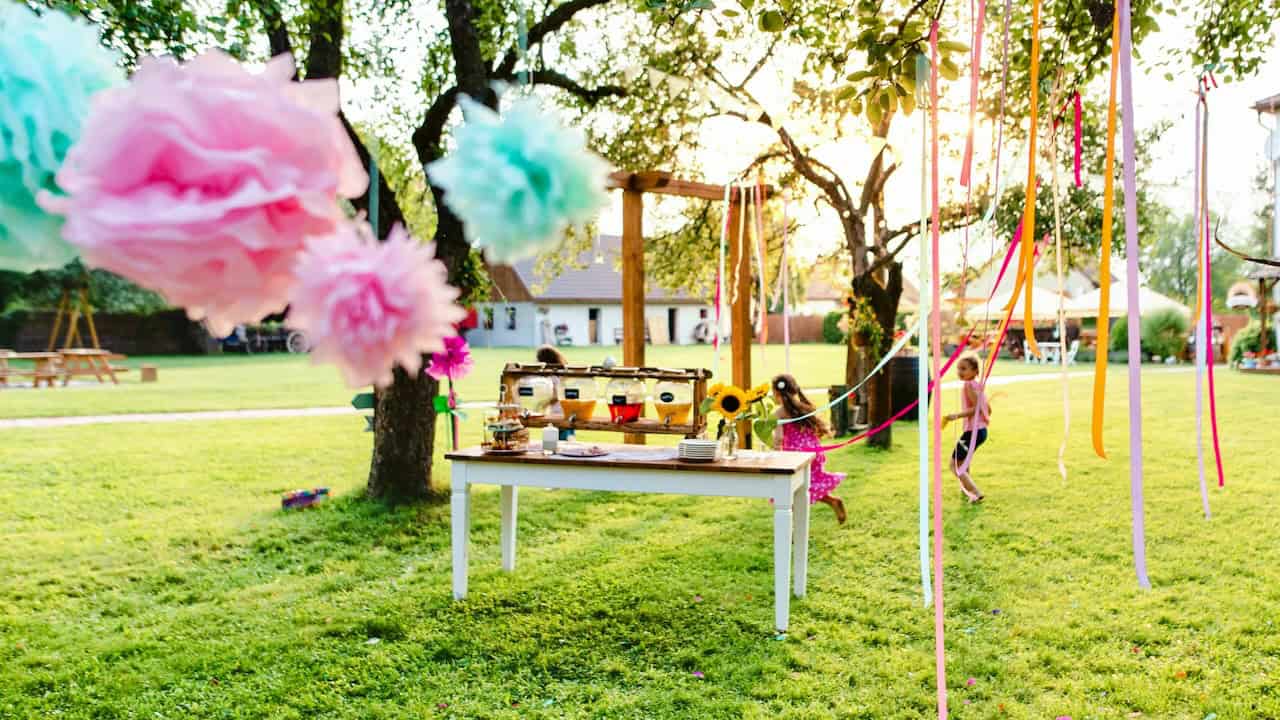
Choose the space before the menu, because where you host sets the budget and the headcount. A backyard, a park pavilion, and a rented hall each point you toward a different spread and a different cost.
Pick that one detail first and the rest falls in behind it. Leave it for last and you end up sizing food to a room you already booked, or running ice all afternoon while a too-large hall swallows the crowd.
This guide works through fifteen at-home options, then the spaces you reserve once the list runs past fifty, and closes with the sizing, open-house, and make-ahead rules that make any of them run themselves.
At a Glance
- Home and the backyard are the top free places to have a graduation party, giving you full control over hours, menu, and cleanup pace.
- Reservable park pavilions and picnic shelters are the cheapest paid spots once a bigger crowd outgrows the yard.
- Private restaurant rooms, rooftops, and community halls cover the styled, indoor, and rain-proof options.
- Size the space to your real headcount first, then build food and decor to match.
- An open-house window of about four hours lets guests flow in and out without a seated meal.
The Best Places to Have a Graduation Party
The best places to have a graduation party are the ones that fit your guest count, your budget, and the graduate’s personality, which is why home leads the list for many families. Beyond the house, the strongest party places for graduation fall into three groups: reservable public spaces like park pavilions, paid private spaces like restaurant rooms and rooftops, and free or cheap community spaces like libraries and houses of worship. Pick the family that matches your numbers and the weather, then let the menu and timeline organize themselves around it.
Start at Home, the Free and Flexible Default
Home is where many hosts should look first. It costs nothing, and you already know how the rooms behave under a crowd.
The real advantage is control. You set the hours, the music, and the cleanup pace, with no deposit and no hard stop at a venue’s closing time.
A backyard does double duty as the main room and the overflow. Put food on one side and a photo corner on the other, then let guests drift between the lawn and the house so nothing feels packed.
Fifteen at-home and near-home spots cover almost any headcount and forecast:
- Backyard: the main room and the overflow in one, with space for tables, a grill, and games.
- Front yard: an open, casual setup that greets guests the moment they arrive.
- Front porch: a shaded landing for the welcome table and a first round of drinks.
- Driveway: a flat, roomy slab for a canopy, long tables, or a dessert station.
- Garage: a rain-proof backup you can clear and decorate in an afternoon.
- Finished basement: a cool indoor room that holds a crowd on a hot June day.
- Deck or patio: a built-in floor for the food table and a ring of chairs.
- Screened porch: bug-free seating that stays usable through a buggy evening.
- Sunroom or three-season room: a bright indoor-outdoor spot for the buffet.
- Side yard: a quiet overflow lane for a lawn game or a second drink station.
- Pool area: a natural gathering zone for a warm-weather afternoon.
- Rooftop or balcony: a compact option for a smaller city guest list.
- Carport: a covered slab that shades the food when the forecast turns.
- Kitchen and great room: the indoor anchor when you open up the main floor.
- Covered entry or breezeway: a sheltered spot for the cake and the welcome.
Weather is the one catch, so keep a wet-day plan ready. A pop-up canopy or a cleared garage turns a forecast scare into a non-event and keeps May and June dates safe.
Our guide to backyard entertaining for every season and space covers how to zone a yard for a crowd, and a roundup of graduation party ideas and planning fills in the format.
|
Keep This Party Plan Together |
Reserve a Park, Pavilion, or Shelter
When the guest list outgrows the yard, a public park is the cheapest next step up. Cities rent picnic shelters and pavilions for a small permit fee, well below a private venue.
A pavilion solves shade, tables, and often power in one booking. You bring the food and decor, and the structure handles the weather a backyard cannot.
Book early and read the fine print. Popular shelters fill months ahead for graduation season, and the permit sets your hours, parking, and whether grilling is allowed.
Three details decide the booking: the permit is usually a modest flat fee well below a rented hall, capacity is set by table count so match the shelter to your headcount, and amenities like restrooms, power, and grills shape your menu and gear list.
Many cities take reservations online, like the system to reserve a park pavilion or picnic shelter, and Seattle’s page on picnic shelter rentals shows typical fees and rules.
|
Hosting Tip: Set the Next Decision Early |
Paid Private Spaces for a Styled Party
When you want a finished look without the home cleanup, paid venues earn their fee. Private restaurant rooms, rooftops, event lofts, and community halls are the cool places to have a graduation party when the budget allows.
These spaces trade money for ease. Many include tables, chairs, staff, and sometimes catering, which clears most of the host’s day-of work.
Read the package before you sign. Some of the best places for graduation party rentals look cheap until you add the food and drink minimum, so compare the all-in number, not the room fee.
- Private restaurant room: the food is handled, the cleanup is theirs, and a deposit holds the date.
- Rooftop or loft: a styled backdrop and a city view make these strong picks for photos.
- Community hall or club: large, affordable, and weather-proof, ideal where can i have a graduation party for fifty-plus guests.
Ask three things before committing to any room: the true capacity, whether you can bring your own cake and decor, and the cancellation terms. Those answers separate a smooth booking from a costly surprise. For options beyond the obvious, a list of unique graduation party venues covers spaces worth a look.
|
Share Every Hosting Task Clearly |
How to Size the Space to Your Guest Count
Every venue decision comes back to one number: how many guests you expect. Decide that first, and the long list of places to host graduation party options shortens on its own.
| Guest Count | Where to Host |
|---|---|
| Under 20 | Home, backyard, or a small private restaurant room |
| 20 to 50 | Park pavilion, finished basement plus the yard, or a mid-size hall |
| 50 or more | Community hall, club room, or a large pavilion booked ahead |
A common planning rule of thumb is that roughly 70 to 80 percent of invitees actually attend. Match the room to that realistic figure, not the full invite list, because a slightly snug space feels lively while a too-large hall feels empty no matter how good the food is.
Plan for floor space, not just chairs. Event planners often budget about six to eight square feet per guest for a standing open house, more once you add tables, a buffet, and a game area.
Under twenty guests, home, the backyard, or a small private restaurant room all work comfortably. Twenty to fifty calls for a park pavilion, a finished basement plus the yard, or a mid-size hall. Fifty or more needs a community hall, a club room, or a large pavilion booked well ahead.
Leave open lanes and a second snack station so the crowd spreads out instead of bunching at one table. A clear breakdown of how much food per guest turns that headcount into a shopping list, and our take on hosting a backyard dinner party worth talking about shows the same math at home.
Run It as an Open House
The open-house format is what lets a fixed space hold a long guest list without strain. Instead of a seated meal, you set a window and let people come and go.
A four-hour window with a mid-afternoon start suits the widest range of schedules. Landing between meals means lighter appetizers feel right, so you skip the cost and timing of a full dinner.
Mark a clear start and end on the invitation. A defined window keeps the crowd moving, prevents one rush at the door, and gives you a natural point to wind down.
- Set the window: about four hours, with a mid-afternoon start that lands between meals.
- Keep food self-serve: a slider or taco bar and snacks that hold at room temperature.
- Stage one photo corner: a backdrop in school colors, so guests grab a picture and move on.
- Stagger helpers: one takes the first hour at the door and drinks, another the last hour and cleanup.
Walkthroughs like throwing an open-house graduation party and planning a high school graduation open house lay out the timing, and our dinner party planning 101 covers the order of operations.
Make-Ahead Timing That Keeps You Free
The last piece of the venue plan is the prep schedule, because the goal is to host, not cook. Work backward from the start time and push as much as you can to the night before.
Split the work into three windows and load as much as you can into the earliest. The more you push to the night before, the calmer the final half hour feels.
Stage the space the night before whenever the venue allows. Tables set, drinks chilled, and decor hung means the morning is assembly and one warm dish, not a full cook with guests on the way.
The night before, set tables, chill drinks, hang decor, and prep the cold dishes and dips. The morning of, bake the one hot anchor, fill the drink station, and lay out the self-serve food. In the final half hour, refresh ice, light candles, and queue the playlist before the doors open.
Tape one short list inside a cabinet door with the three or four things that must happen in that final half hour, so the last rush runs off a checklist instead of memory. A time-stamped guide like our ultimate dinner party planning checklist keeps the windows honest, a reader-favorite graduation party menu and tips supplies make-ahead dishes, and a few fun party games for the crowd keep guests busy. Round it out with open-house party tips and a planner for a graduation open house, and the party runs while you stay in it.
Frequently Asked Questions
Where’s the best place to have a graduation party?
Home and the backyard top the list, since they cost nothing to rent and let you set the timing, food, and decor. Parks with reservable pavilions, private restaurant rooms, and rooftops are strong paid alternatives. Match the venue to your guest count, budget, and the graduate’s personality.
What are good ideas for a graduation party?
An open-house format with a four-hour window, a build-your-own slider or taco bar, a photo backdrop in school colors, and a few lawn games covers the typical party well. Keep food self-serve, focus decor on one corner, and set a clear start and end time so guests flow through.
How to get a free venue for an event?
Your own backyard is the truly free option, with no rental fee or deposit. Public parks usually charge only a small permit cost for a pavilion or picnic shelter. Some libraries, community centers, and houses of worship lend rooms to members, so ask early and book the date in writing.
What to do in place of a graduation party?
Skip the big party and mark the milestone with a small dinner out, a weekend trip, or a backyard cookout for close family only. Some families pool the party budget into a gift the graduate actually wants, like travel or gear, then host a low-key gathering instead.
Can you have a graduation party at home with a big guest list?
Yes. A backyard handles fifty or more guests when you run it as an open house and let people flow between the lawn and the house. Add a finished basement or a rented pavilion for overflow, set a four-hour window, and keep the food self-serve so no single room ever feels packed.
What is the best time of day for a graduation open house?
Mid-afternoon, roughly noon to 6 p.m., works best because it works for the widest range of guests and avoids a full meal commitment. A four-hour window lets people come and go, and a 3 p.m. start lands between meals, so lighter appetizers and snacks feel completely appropriate.
Continue Reading:
More On Graduation Party
- Graduation Party on a Budget: 12 Smart Ways to Save
- Backyard BBQ Graduation Party: An Easy Host Guide
- 14 Easy Sliders for a Big Graduation Party Crowd
- Oh the Places You’ll Go Graduation Party Decorations
- Graduation Party Invitations: Wording and Templates
More from The Gourmet Host
- Best Dinner Party Games for Adults to Play Next
- 30 Dinner Party Conversation Starters That Actually Work
- Classic Aperitifs for Dinner Parties (15 Best Picks)
- Drinks for Kids: Fun and Healthy Options for Every Gathering
- 7 Creative Table Setting Ideas For Your Next Dinner Party
Explore TGH Categories
- Set the Scene
- Drinks and Bar
- Plan the Meal
- Engage with Guests
- Games and Toasts
- Tools and Techniques
- Why We Gather